‘They still seemed shocked by it’: Adelaide Festival 2027 program revealed
After losing its multimillion-dollar opera headliner and weathering a Writers’ Week storm, Adelaide Festival returns with in 2027 with “volcanic” international theatre, a Khaled Sabsabi retrospective, and an operatic adaptation of Murray Bail’s Eucalyptus. Explore the full program.
When InReview last checked in with Matthew Lutton in February, the Adelaide Festival artistic director had just returned from a weeks-long, hemisphere-hopping overseas mission.
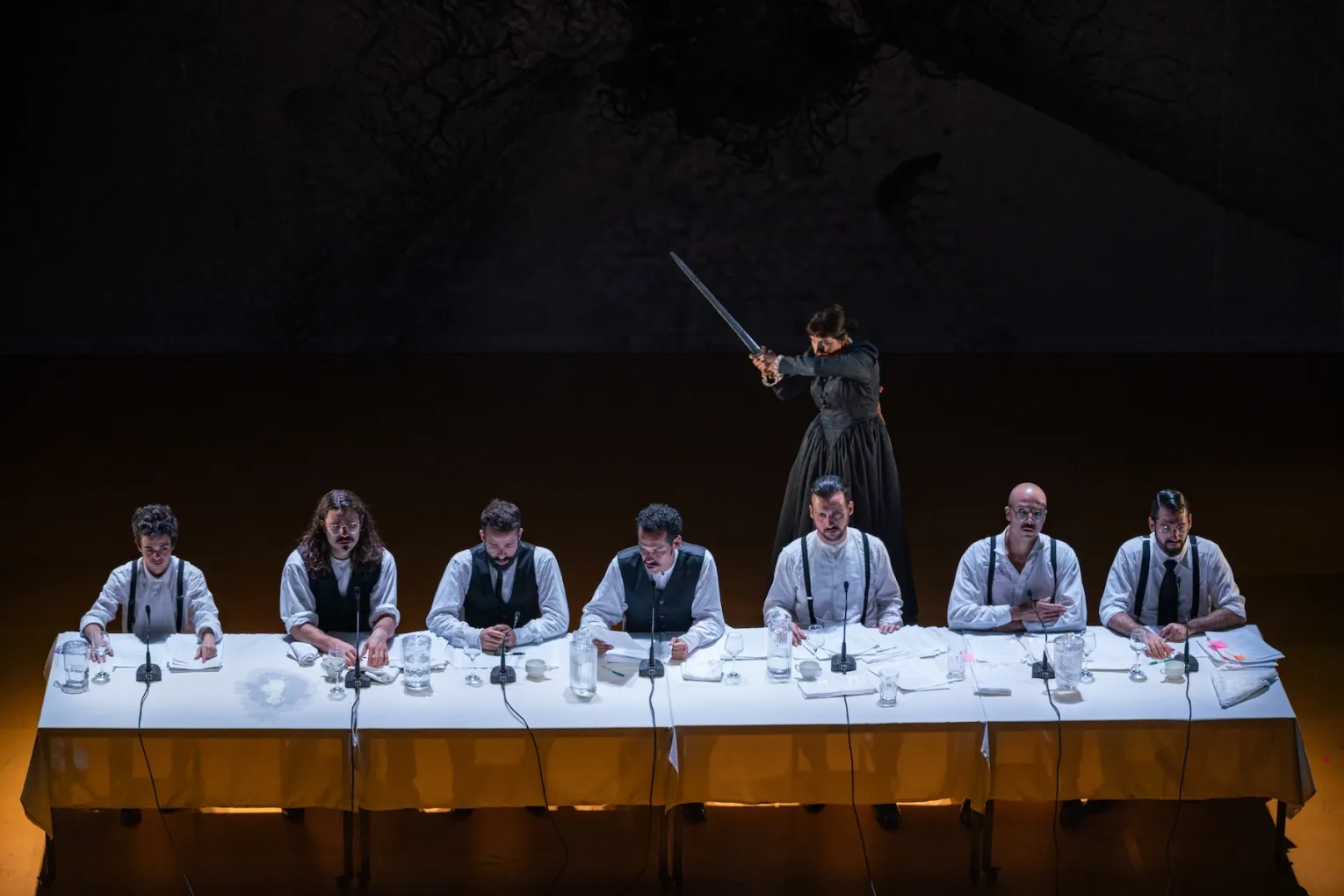
One of the artists whose work he’d followed from South America to Europe was Brazilian theatre-maker Carolina Bianchi, whose production The Brotherhood forms a thematic centrepiece of Lutton’s 2027 Adelaide Festival program.
Lutton says Bianchi’s work – inspired by her own experience of assault – prises open the networks of patriarchy, privilege and patronage that historically underpin the arts world.
“She’s talking very explicitly about the art world and theatre, but it’s also a metaphor for power dynamics and patriarchy and misogyny in the world in general,” Lutton says.
The Brotherhood is part two of Bianchi’s CADELA FORÇA trilogy – which translates as ‘bitch strength’.
“The political questions, the artistry, the personal experience, all come together into a volcanic artistic experience.”
Lutton says his 2027 program traces a few loose themes: the ‘dichotomy of lies and truth’; ‘horror stories and ghost stories that help you heal’; and ‘[locating] the sacred and the spiritual in a very contemporary world’.
It’s a potent mix given the unexpected volatility of Lutton’s 2026 festival – which saw him return from that overseas trip to find the Adelaide Writers’ Week saga had turned his program into a political firestorm. In the aftermath, it emerged the broader festival had sold around half the number of tickets as its 2025 predecessor.
Alongside The Brotherhood, this week’s full program reveal includes over 700 artists across over 100 events including opera, classical and contemporary music, theatre, dance and visual art.
It follows the earlier releases of three major theatrical tentpoles: a fiery staging of Béla Bartók’s Bluebeard’s Castle by Italian dramaturg Romeo Castellucci; a vaudevillian riff on Franz Kafka’s The Trial by the reliably provocative ex-festival director Barrie Kosky; and a starry new production of playwright Robert Icke’s adaptation of the Greek tragedy Oedipus.
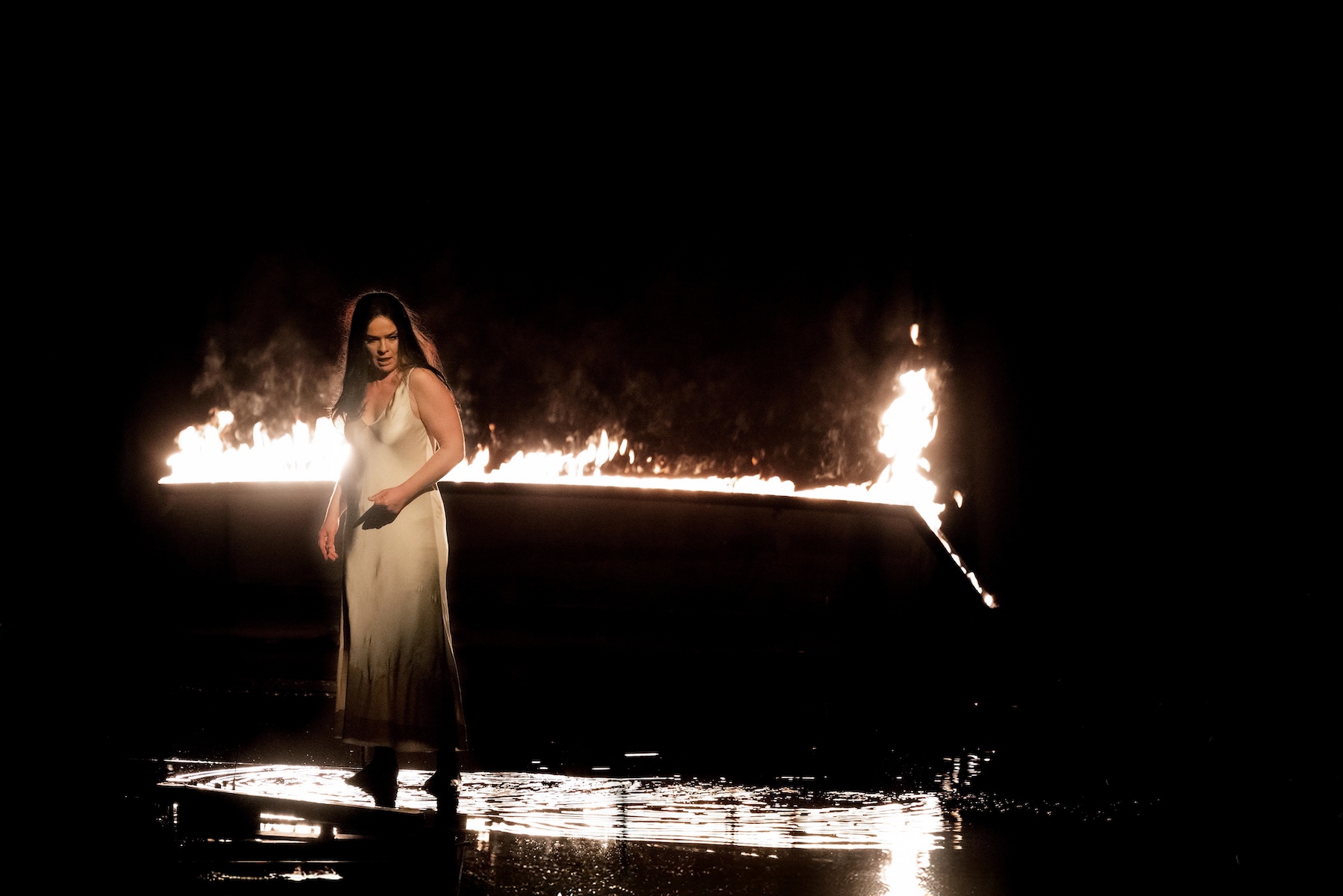
All three will be familiar to long-term festival audiences, from the Juliet Stevenson-led production of Icke’s The Doctor in 2020, to Castellucci’s previous operatic centrepieces Go Down Moses! and Mozart’s Requiem in 2019.
You might like
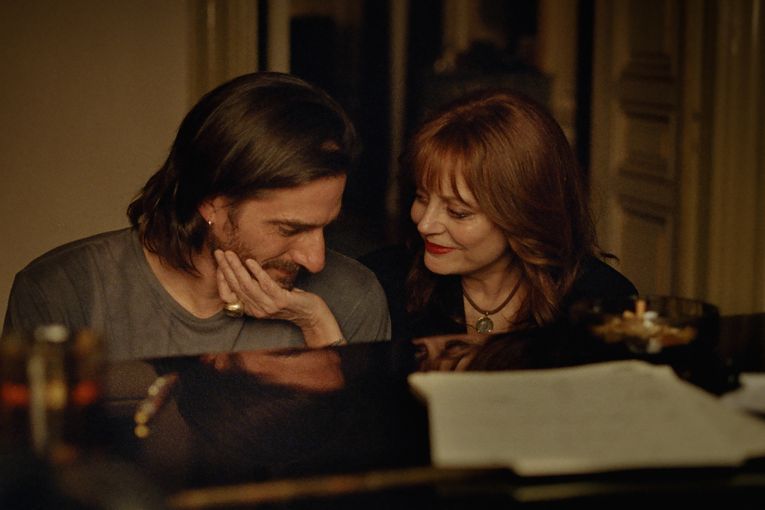
Lutton says he’s been trying to bring Icke’s Oedipus – which originated in Amsterdam, and has since found success on the West End and Broadway with Mark Strong and Lesley Manville – since before he joined the festival.
“I had seen Oedipus and thought that it potentially his strongest work. It makes audiences gasp – even if they know the story of Oedipus, they still seem shocked by it, a genuine sense of making an ancient story new.”
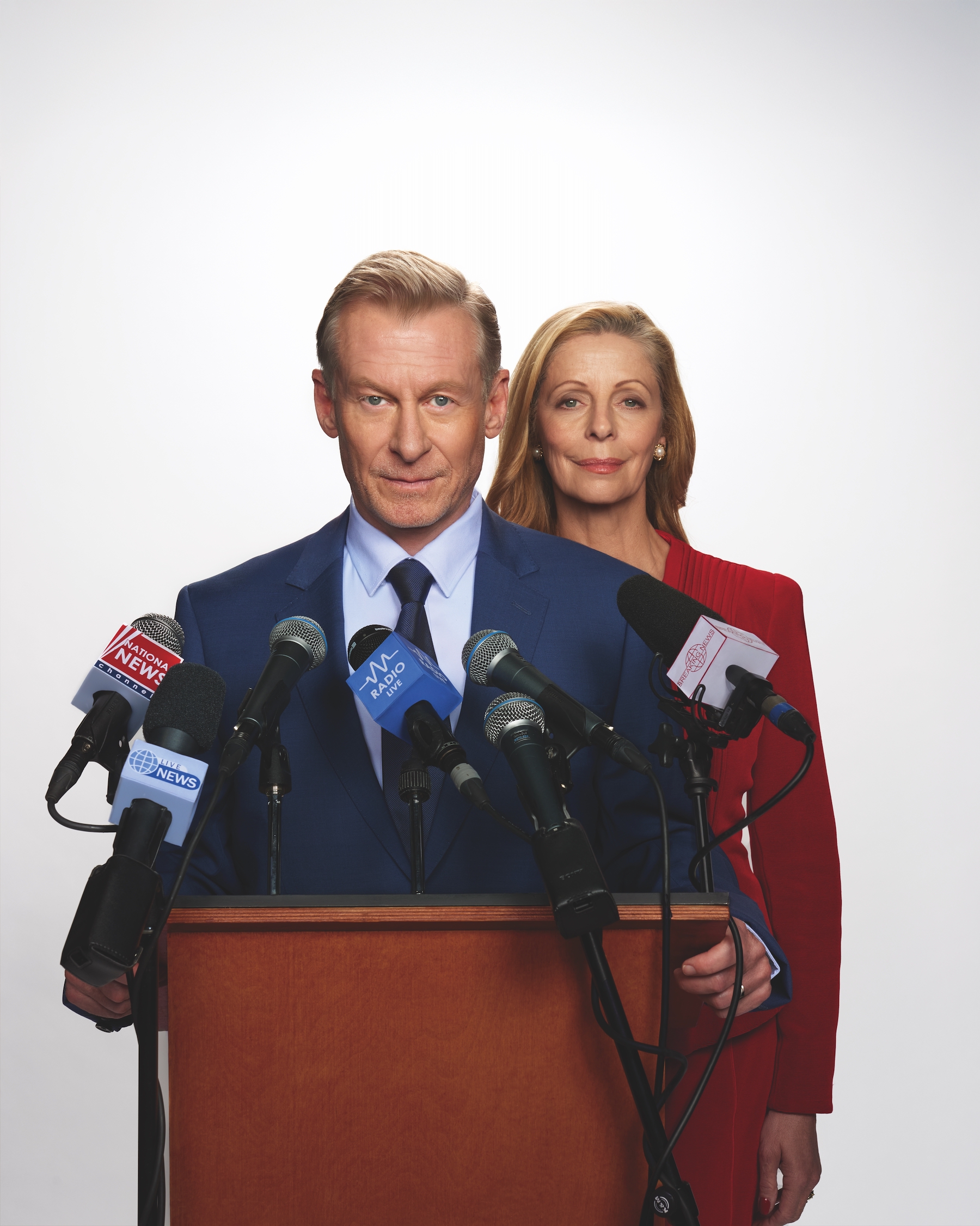
Transposing Icke’s play to Australia is also part of Lutton’s long-term goal of remaking and recasting international works with local actors. The Sydney Theatre Company co-production casts Richard Roxburgh and Heather Mitchell’s Oedipus and Jocasta as a political power couple on election night, with a large clock counting down in real time to an earth-shaking reveal (it’s probably not going to be an exit poll).
Other original Australian productions include a world premiere staging of Jonathan Mills and Meredith Oakes’ operatic adaptation of Murray Bail’s Miles Franklin-winning novel Eucalyptus, presented with the Adelaide Symphony Orchestra and State Opera South Australia, and the premiere screening of Tilda Cobham-Hervey’s directorial debut It’s All Going Very Well…, first teased as part of the Adelaide Film Festival program.
Down by the waters of Port Adelaide, Country Arts SA will also present the outdoor performance piece Kumarangk: Sisterhood, the final part of a triptych of projects reflecting on the ‘Hindmarsh Island affair’ of the 1990s, from the perspectives of the Ngarrindjeri matriarchy at its centre. Following an art exhibition at Adelaide Contemporary Experimental at the 2026 festival, and a documentary that just sold out six screenings at Adelaide Film Festival, this performance is led by Ngarrindjeri and Wotjobaluk writer Tracey Rigney and Ngarrindjeri and Wathaurong director Glenn Shea.
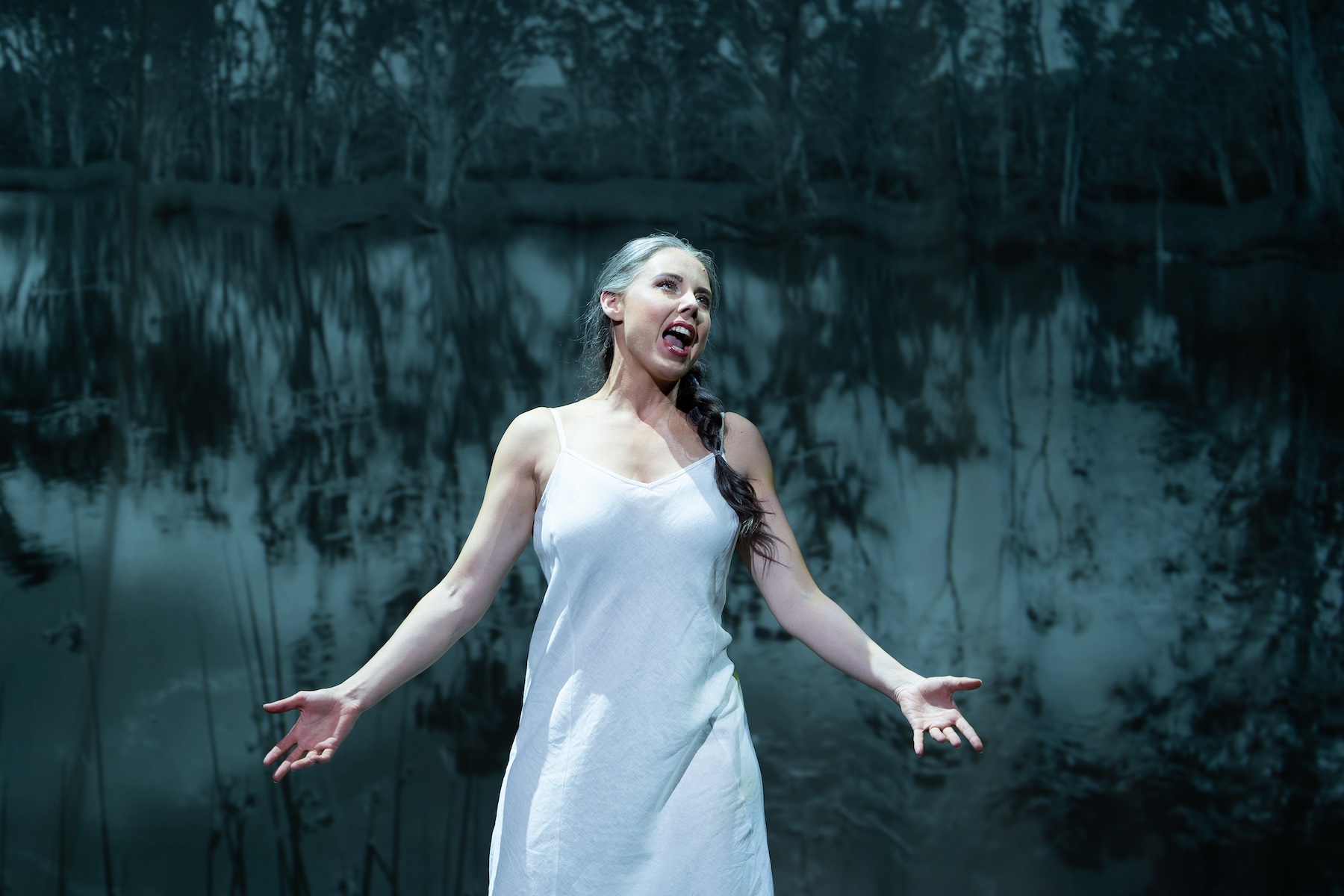
Beyond The Brotherhood, the festival’s international slate includes Valentina from French theatre maker Caroline Guiela Nguyen, which follows a Romanian mother-and-daughter who must travel to France to seek a heart transplant. When the young daughter picks up French after displaying an “incredible gift of language”, she becomes an unlikely – and unreliable – interpreter for both her mother and their doctors. “She doesn’t like what she’s hearing from her doctors, so she starts lying to her mother about the diagnosis,” Lutton says, adding, “It’s beautiful.”
The loss of a parent is also explored in Taverna Miresia by Greece’s Mario Banushi, which grapples with life of a patriarch and the restaurant he used to run – and features practically no language at all. Lutton says it’s also light on a clear narrative, in favour of something more dreamlike. “It’s something you need to surrender to … it’s really about going down the rabbit hole of a dreamscape.”
Lutton has also programmed several overseas dance works from Beijing’s TAO Dance Theatre (“No one makes dance like this anywhere else in the world,” he says) and Belgium’s Peeping Tom (“For people that love David Lynch and for dreamscapes and bodies that really push to an extreme”).

Headlining the festival’s visual arts program is the Australian premiere of Solitude by Sydney-based artist Khaled Sabsabi. A retrospective of Sabsabi’s 35-year visual arts practice that will span the entirety of Samstag Museum of Art, it will be Sabsabi’s first major solo exhibition in Australia since he appeared as Australia’s entry at the 2026 Venice Biennale – which became the subject of international controversy after Creative Australia rescinded, and then reinstated, Sabsabi’s commission in what was one of 2025’s biggest arts controversies.
Sabsabi is no stranger to Samstag, having previously presented work as part of the 2018 Adelaide Biennial, which was curated by Samstag director Erica Green – who also backed Sabsabi’s freedom of expression at the height of the Venice controversy.
Alongside a Madness-headlined WOMADelaide, the festival’s contemporary music program hinges on three performances: Icelandic composer Ólafur Arnalds, Canadian ambient auteur Tim Hecker, and Australian singer songwriter Grace Cummings.
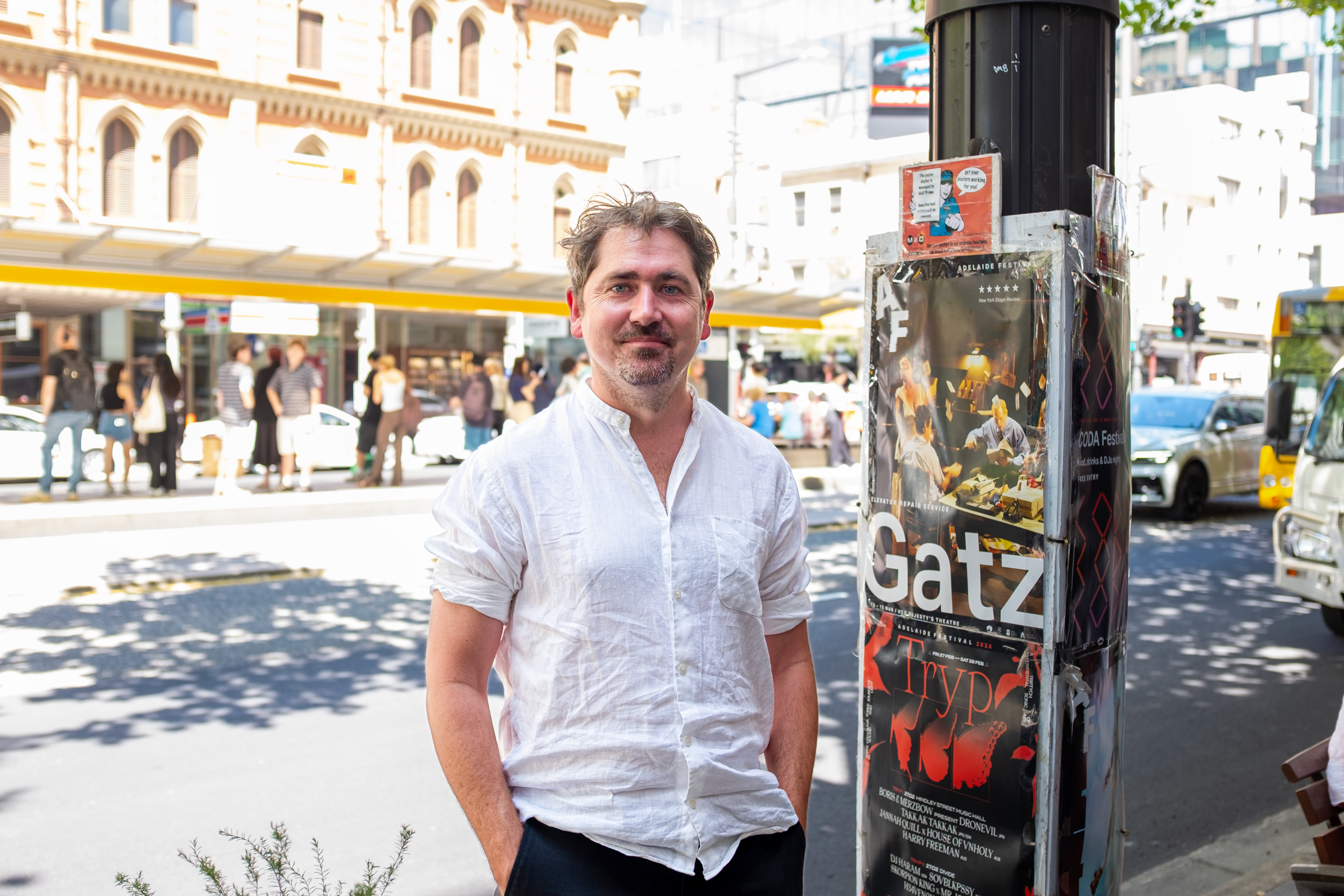
Lutton attributes the festival’s smaller target contemporary music program to a decision to scale back the festival’s club; while last year’s CODA will return, it’s a different proposition to large-scale undertakings like Barrio or the floating Palais of a decade ago.
"I would rather spend the money and direct the resources towards artists and art in existing buildings."
“That contemporary music program was usually connected to building a massive nightclub and infrastructure,” he explains. “I’ve certainly taken the approach that I would rather spend the money and direct the resources towards artists and art in existing buildings.”
Subscribe for updates
It became a “chicken-egg” situation, he says. “There was more contemporary music because we built a building, and needed to put contemporary music in it.”
The broader musical program includes a multi-player tribute to influential American composer Philip Glass, to be performed at the Festival Theatre on March 5. One of those players, Anton Batgov, will also perform Glassworks+ at Elder Hall the following night.
“We’re getting ten pianists from around the world, and they all fly in and play two pieces each,” Lutton says. “It’s like a relay where they pass on the next piece of music to the next person, and it’s just absolutely exquisite experience of Philip’s music.”
Other highlights include the Australian debut of Italian baroque ensemble il Pomo d’Oro, who will continue Lutton’s love of early music – seen in last year’s Ensemble Pygmalion – with a series of Adelaide Town Hall concerts exploring Bach’s organ concertos alongside an unfinished Vivaldi concerto in Al Bunduqiyya – The Lost Concerto.
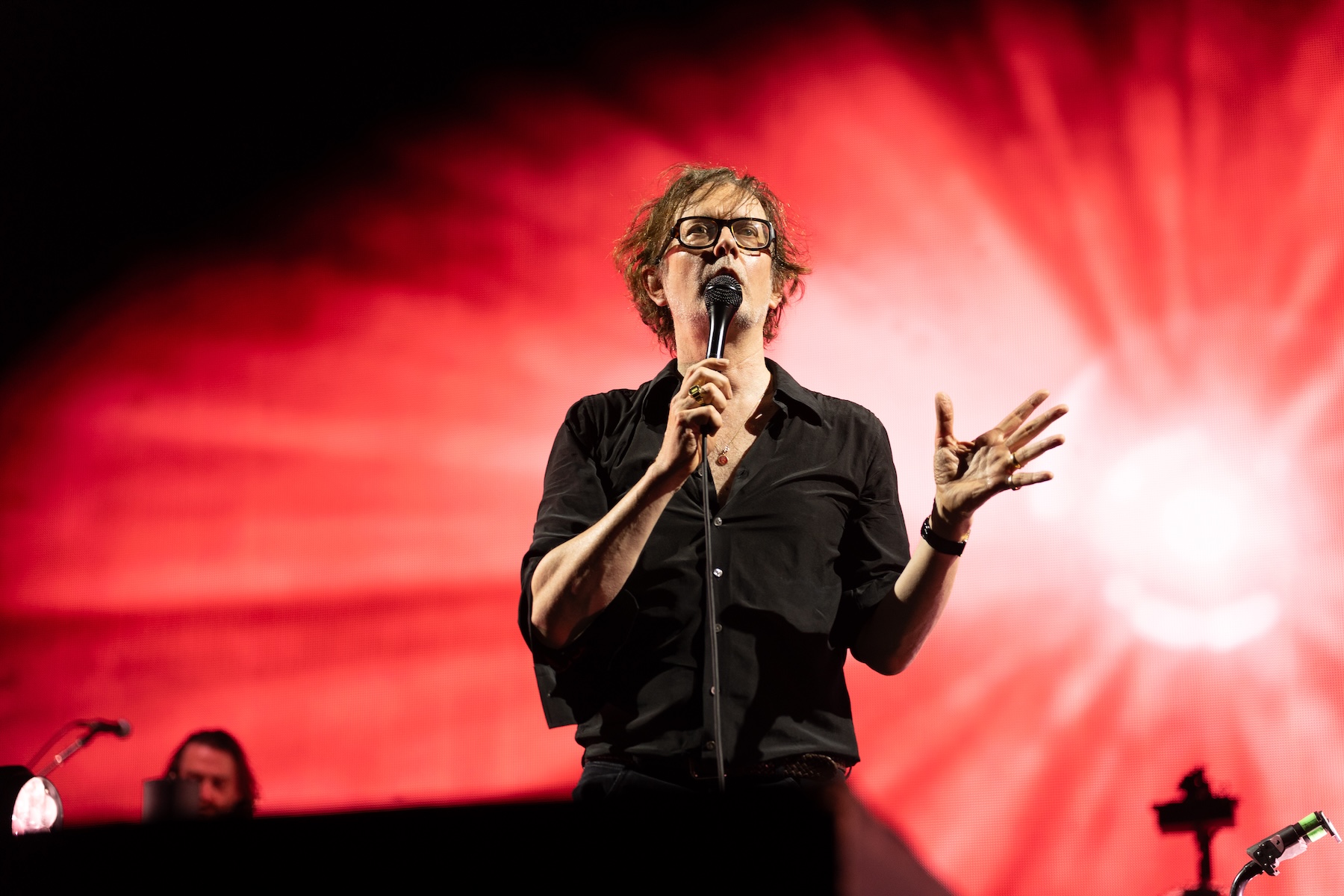
While last year’s festival opened with a free Elder Park concert by Britpop legends Pulp –announced by Premier Peter Malinauskas himself as the latest in a long tradition of grand-scale open-air free or ticketed events – things look slightly more modest this year.
That can partly be attributed to the absence of Fondazione Arena di Verona’s Aida, the $20 million opera that the state government made a splash of announcing in 2025. Initially planned to run outside of the festival, it was shuffled into Lutton’s 2027 schedule when delays forced the opera back a year – before being dumped entirely in June.
Lutton says that following Aida’s cancellation he took another “very exciting project forward” as a free event for 2027, but several factors – including “the feedback from government that the funds weren’t available” – stopped it from going ahead.
“[That’s] the challenge of it being something we don’t have ongoing support to do, but have to seek out annually,” he explains.
A state government spokesperson told InDaily today that “any suggestion that the government has not provided additional funding for a 2027 Adelaide Festival centrepiece is wrong”.
Of course, one aspect of the festival that is making a much-anticipated return is Adelaide Writers’ Week under new director Rosemarie Milsom, who has delivered the first tranche of writers before a full program reveal in January.
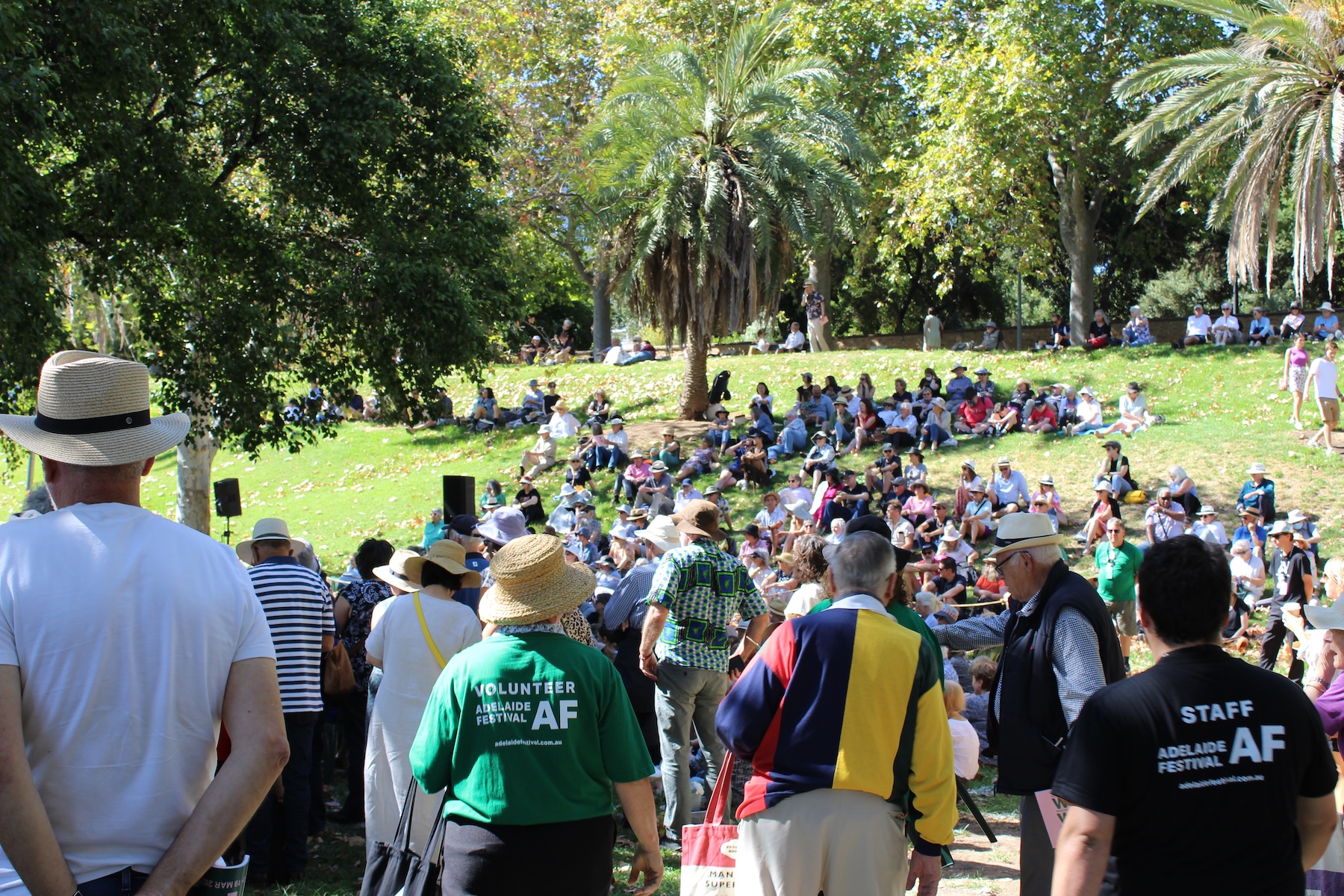
Joining the previously announced headliner Min Jin Lee, Korean American author of the bestselling historical epic Pachinko, is a string of high-profile international authors including A Heartbreaking Work of Staggering Genius author Dave Eggers appearing in conversation with Trent Dalton; Caro Claire Burke, whose time-travelling, ‘trad-wife’ satirising debut Yesteryear has proved one of the year’s most hyped novels; and former Hole and Smashing Pumpkins bassist Melissa Auf der Maur who reflects on her life on and off stage in the memoir Even the Good Girls Will Cry.
The ticketed program also includes an evening dedicated to the memory of Jeffrey Epstein and Ghislaine Maxwell survivor Virginia Roberts Giuffre, featuring Amy Wallace, the American journalist who helped Giuffre tell her story in the bestselling Nobody’s Girl.
After the storm that followed her placement on the 2026 lineup – and subsequent removal – Dr Randa Abdel-Fattah will also appear in a conversation entitled Between the Lines alongside French Moroccan author Leïla Slimani. Moderated by journalist and presenter Jan Fran, the session will be hosted at Adelaide Town Hall on March 3 – nearly one year to the day since Abdel-Fattah appeared in front of a sold-out Town Hall alongside former Writers’ Week director Louise Adler as part of the alternative Constellations Writers’ Festival.
Ticketed sessions also include appearances from Myf Warhurst and Magda Szubanski, who both have memoirs, while the free Pioneer Women’s Garden program will so far include local bestseller Pip Williams and Miles Franklin winner Omar Musa.
“Rosemarie has put together an extraordinary program that she’ll announce in due course, that I think really clearly articulates the importance of freedom of speech, and being able to engage with ideas that might be difficult or might make you uncomfortable,” Lutton reflects. “And that a writers’ festival, and a festival in general, is absolutely the place where you do that in a democratic society.”
Despite the offstage drama that followed the 2026 festival – let alone broader questions about the future of festivals in Adelaide – Lutton remains upbeat about the months and years to come.
“I’m more just excited,” he says via video call from Shanghai where, like his earlier trip, he’s already busy piecing together the festival after this one.
“In some ways, I’m just very proud and pleased that we’ve been able to maintain that optimism and energy while we’ve been putting it together for next year.”
Adelaide Festival 2027 runs from February 26 – March 14
Want to see more stories from InDaily SA in your Google search results?
- Click here to set InDaily SA as a preferred source.
- Tick the box next to "InDaily SA". That's it.
Free to share
This article may be shared online or in print under a Creative Commons licence