New Adelaide Writers’ Week director named after 2026 implosion
The Adelaide Festival board has named a veteran literary festival boss to plot a new course for Adelaide Writers’ Week after the most turbulent time in its history. She speaks to InReview about the 2026 festival’s collapse and standing by writer Dr Randa Abdel-Fattah.
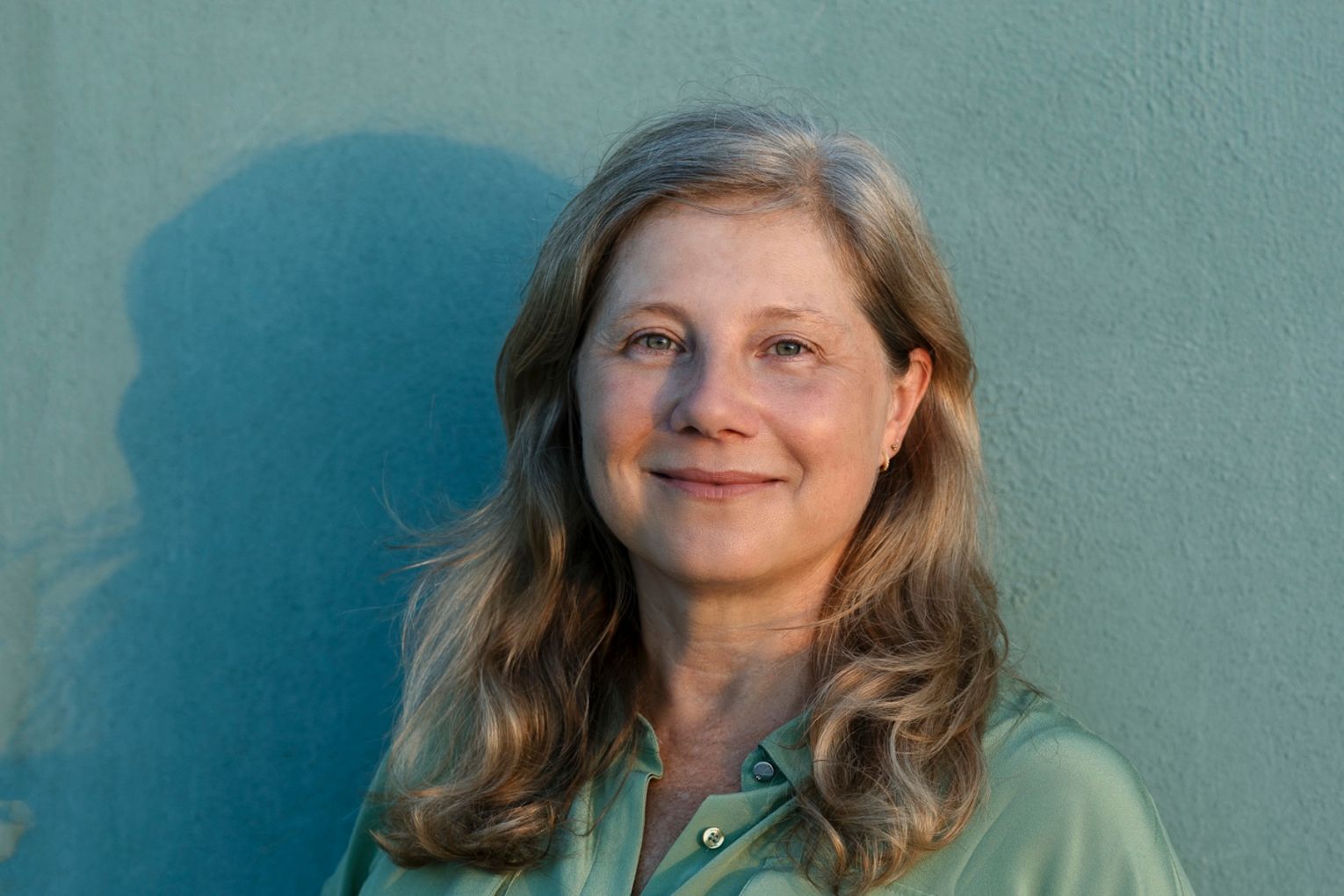
The newly appointed director of Adelaide Writers’ Week still finds it strange when literary festivals become the subject of public furore.
“It’s curious to me – one of the most innocuous art forms or events you can have is a writers’ festival, in all honesty,” Rosemarie Milsom tells InReview two days before her appointment was officially announced on Friday.
“I’ve been to hundreds of them, here, overseas, everywhere. I’m a festival devotee. I can honestly say nothing has ever, ever concerned me. I’ve never had reason to think, ‘Oh, my God, this is so confronting, this is controversial’.”
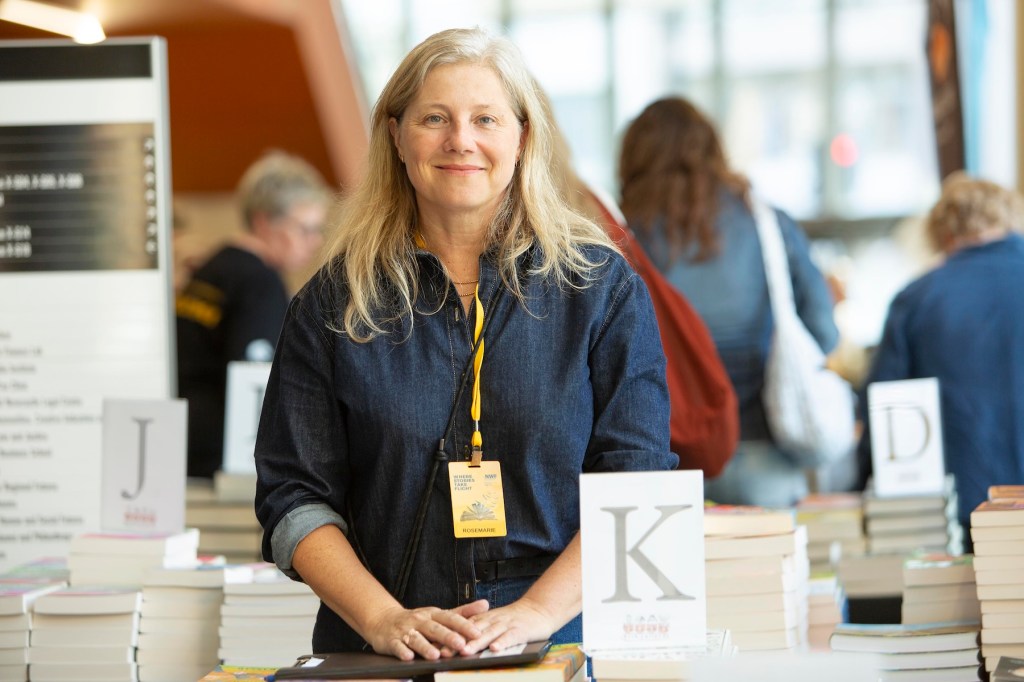
In May, the founding director of Newcastle Writers’ Festival will make the “bittersweet” move to leave the festival she has spent nearly 15 years building to take over South Australia’s long-running Writers’ Week, which Milsom says she first attended as “a starving uni student”.
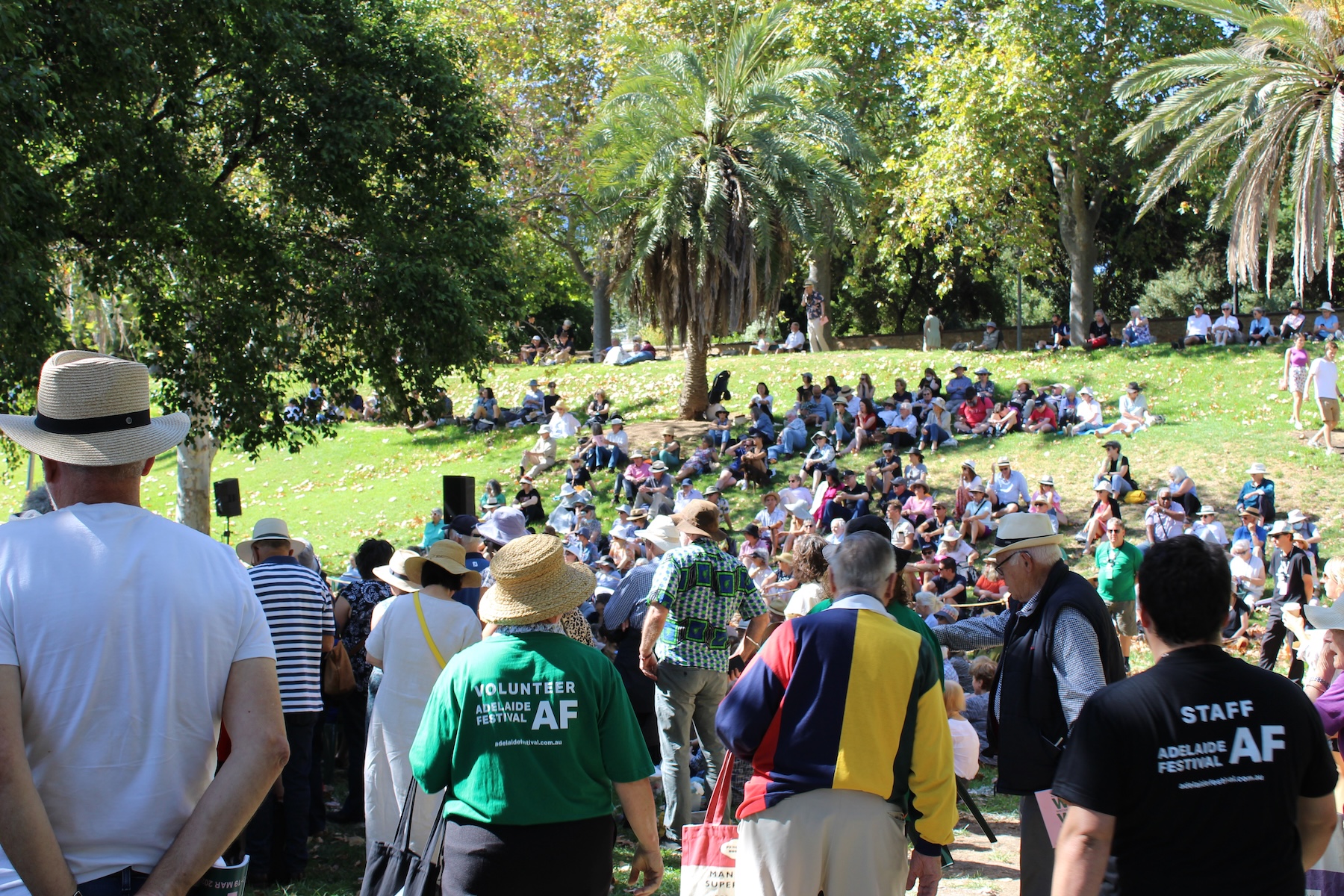
“I just walked into the gardens and sat down, and didn’t really move for the rest of the day – except to dodge the sun,” she says. “It just stayed with me.”
Milsom will arrive in Adelaide following the most turbulent chapter in the festival’s history, with the cancellation of the entire 2026 program following the resignation of her predecessor, Louise Adler, and a mass boycott by estimated 180 authors – this writer included.
The exodus was sparked by a contentious decision to disinvite Palestinian Australian author Dr Randa Abdel-Fattah, made by the Adelaide Festival’s then-board and backed by South Australian Premier Peter Malinauskas. The board subsequently resigned after the festival’s cancellation.
You might like
Milsom says that the new festival board’s decision to immediately apologise to Dr Abdel-Fattah and invite her to the 2027 festival was a factor in her own decision to apply.
“I think, if the board had not changed, I would not have been interested in applying – and I don’t think many people would have,” she says. “It would have felt like a poison chalice.
“When the board changed and then they issued an invitation to Dr Abdel-Fattah, I think that was significant that the new board did that as one of the first things under their leadership. I found that reassuring.
“Obviously you want to have confidence in the governance of the organisation,” the self-professed “governance wonk” says.
Milsom faced pressures of her own during the fallout from Writers’ Week, with Dr Abdel-Fattah also slated to appear at Newcastle Writers’ Festival in early April. It was an inclusion that New South Wales premier Chris Minns publicly criticised as “crazy”, but Milsom pressed on, with the support of her own board – despite the New South Wales government recently becoming one of its biggest funders.
“When you curate, you are putting yourself out there,” she explains. “A program is open to judgment, not everyone’s going to like everything you do. So you need to have that sort of backup, because otherwise you’ll become timid, you’ll become too worried.
“That was really important to me, that I knew that there was strong leadership and that I would have support.”
The festival went ahead earlier this month, with Milsom citing a record 27 per cent increase in the festival’s audience and more than 700 people turning out to hear Abdel-Fattah speak.
“It galvanised audience support around us,” she says.
Subscribe for updates
Adelaide Festival chair Judy Potter has called Milsom an “outstanding advocate for writers, with a strong understanding of the cultural conversations shaping Australian literature today”.
“Her approach aligns perfectly with the spirit of Adelaide Writers’ Week – curious, inclusive and intellectually rigorous. We are thrilled to welcome her and look forward to the vision and energy she will bring to the role.”
Having steered the Newcastle festival through the Covid pandemic and the “immense pressure” of today’s political climate, Milsom is well prepared for the challenges of the high-profile position.
“I think what we’ve seen in the last three years is [a] really significant impact of what’s happening geopolitically,” Milsom reflects.
Milsom recalls similar blowback in the lead-up to her 2024 program, which featured several writers including Abdel-Fattah. Those invitations were made in August 2023, before Hamas’ attack on Israel on October 7, 2023, and Israel’s subsequent war on Gaza saw festivals and arts organisations face heightened scrutiny when platforming artists with opinions on the conflict.
“The original reason I invited them stood – and writers are allowed to have views,” Milsom says. “That’s my commitment to freedom of expression. It’s a strong principle. And so you have to stay the course.
“It’s a really uncomfortable state to be in; you’re copping it from everyone, you’re opening your email and there’s another lot of cut and paste emails condemning you.”
Milsom says it’s “human nature” to feel pressured by such campaigns.
"I think people want to just let it all out, the frustration, anger, hurt, helplessness, and artists are a really good target. It’s creating an environment where it’s really tense, but I don’t think the answer is to water down your principles."
“It’s relentless, it doesn’t feel good. We want to run away and hide and hope the problem goes away. [But] the problem is not going to go away; if you cancel the artist, those people will still be upset about what’s happening geopolitically.
“I think people want to just let it all out, the frustration, anger, hurt, helplessness, and artists are a really good target. It’s creating an environment where it’s really tense, but I don’t think the answer is to water down your principles.”
Milsom is expected to begin rolling out her 2027 program from October, but like her predecessors Adler and Jo Dyer she won’t be relocating to Adelaide for the job – Milsom will remain Newcastle based while her teenage daughter finishes high school. She is however, looking forward to returning to Writers’ Week and joining the crowd once more in the garden.
“That’s one of the big drawcards of the job for me,” she says. “I’ve sat in the audience there at Adelaide Writers’ Week; audiences are so engaged, they’re loyal, there’s this incredible energy there. That enables ambitious programming, because people are willing to lean into big ideas and complex conversations – and it’s condescending for people to dismiss that.”
Adelaide Writers’ Week will return from February 27 – March 4, 2027

Want to see more stories from InDaily SA in your Google search results?
- Click here to set InDaily SA as a preferred source.
- Tick the box next to "InDaily SA". That's it.
Free to share
This article may be shared online or in print under a Creative Commons licence