‘If it was the board’s decision, why did all its members resign?’: Boycotting author reflects on Writers’ Week wake
In the wake of the Adelaide Writers’ Week fallout, local author and InReview editor Walter Marsh tells how “this episode has left our small literary pond feeling just as sick” as the algal bloom threatening the state’s tourism industry.
For most weeks of the year, writers and readers on Kaurna Yarta know we’re a long way from the centre of the literary universe. But we keep at it, writing our stories and building community until those few days in February and March when Adelaide Writers’ Week brings the world’s biggest fish to our small pond.
Even beyond Adelaide, Writers’ Week is widely regarded as a dream festival for authors and audiences alike; a free, open-air festival, where people of all ages listen, engage, ask long-winded questions, and open their wallets in the book tent. It’s the kind of generous public good that would never get greenlit today – six days devoted to late capitalism’s most devalued activities: reading, listening, and thinking.
It was a privilege to finally share those garden stages and join those conversations after the publication of my first book in 2024. I returned as a moderator in 2025, and was set to appear again this March across three slots including a session on my latest book.
Over at InReview, we already had a pipeline of planned coverage of both Adelaide Writers’ Week and the broader festival.
Then, on Thursday January 8, the Adelaide Festival Board announced it had summarily removed Palestinian Australian author and academic Dr Randa Abdel-Fattah from the lineup – citing ‘cultural sensitivity’ following the Bondi terror attack. My colleagues at InDaily have comprehensively reported the board’s statement and its fallout.
No one has suggested the two Bondi gunmen were radicalised at a literary festival. And yet, this tragedy, and its terrible impact on the Jewish community and broader Australia, was being invoked to remove a prominent – and yes, quite vocal – Palestinian Australian novelist with zero connection to those horrors.
As a journalist, I try to keep out of news stories. In the past, I’ve reported with care on how the crisis in Gaza has sparked deep division, acts of censorship, governance meltdowns and legal action across Australia’s arts community and institutions.
You might like

But I saw no option except to join my fellow authors in emailing the board to regretfully withdraw until Abdel-Fattah was reinstated.
I can’t speak for the other 110 plus authors, but for me it was a matter of principle, not only out of solidarity with Abdel-Fattah – who I have heard speak at past writers’ festivals – but also to protest the sidelining of Writers’ Week’s widely respected Jewish Australian director Louise Adler and her team, just weeks out from the full program reveal on January 29.
From what was already announced, the 2026 Writers’ Week program appeared firmly pitched at middle Australia and its reading tastes. It also celebrated First Nations voices, and for the second consecutive year included a headline event on antisemitism – last year’s Adelaide Town Hall event was even opened by Premier Peter Malinauskas.
To date, the list of authors who have now withdrawn includes international literary stars like Zadie Smith and Pulitzer-winner Percival Everett, and Australian bestsellers like Trent Dalton, Helen Garner, and Adelaide’s own Hannah Kent. Even former New Zealand Prime Minister Jacinda Ardern – herself no stranger on how to handle the aftermath of a traumatic terror attack – has also withdrawn.
There are also many debut novelists, local writers, and First Nations voices who have willingly sacrificed their moment under this rare and prestigious spotlight.
By Sunday night Board chair Tracey Whiting and three others had resigned. This morning, Adler herself resigned via a Guardian column, blaming the crisis on “pressure from pro-Israel lobbyists, bureaucrats and opportunistic politicians” and calling the festival a “canary in the coal mine”. How Writers’ Week can possibly go on – and how Adelaide Festival can salvage its local and international reputation – remains to be seen.
In the wake of Bendigo Writers Festival’s implosion over a lesser attempt to censor Abdel-Fattah, this response was entirely predictable – though no less bracing for its speed and scale. And sure, set against the endless scroll of violence, grief and injustice in our newsfeeds, a derailed talkfest is a minor grievance. But, like many, I’m left deeply disheartened, and wondering how it came to this.
Premier Peter Malinauskas has repeatedly insisted that he bore no influence over the board’s decision to drop Abel-Fattah. He reminds us that, legally, he cannot issue directions to the board – but that he did give the board his written opinion that Abdel-Fattah had no place at the festival.
Stay informed, daily
Far from keeping an arm’s length, however, the Premier has led the public charge at every stage. If the move to overrule Adler and dump Dr Randa Abdel-Fattah was the board’s alone, why did it go to ground while the Premier mounted a well-prepared media offensive to defend the decision and discredit Abdel-Fattah?
If it was the board’s decision, why did all its members resign, choosing to walk away from their duty of care to artists, audiences and festival staff less than two months from opening night?
Whatever the true circumstances behind the decision, it’s also surprising to see the Premier forcefully back a move that so plainly risked plunging Adelaide’s famous – and economically vital – ‘Mad March’ into crisis, especially after the state government has spent months fighting to save South Australia’s tourism industry in the face of a damaging algal bloom crisis.
Whatever the outcome for Adelaide Writers’ Week, this episode has left our small literary pond feeling just as sick. What a shame it is.
I’m reminded of one day during the 2023 festival, when the small northern stage of Adelaide Writers’ Week was crowded with TV news cameras and journos as a handful of writers sat down to talk – some of them Palestinian.
Days of heated media coverage had primed many to expect a flood of vitriol and hate speech. What we got was nuanced conversation as the writers talked about their craft, their stories, their love and their pain. They connected with each other and the audience.
We have words for this kind of thing: a writers’ festival. This year, I’m going to miss it.
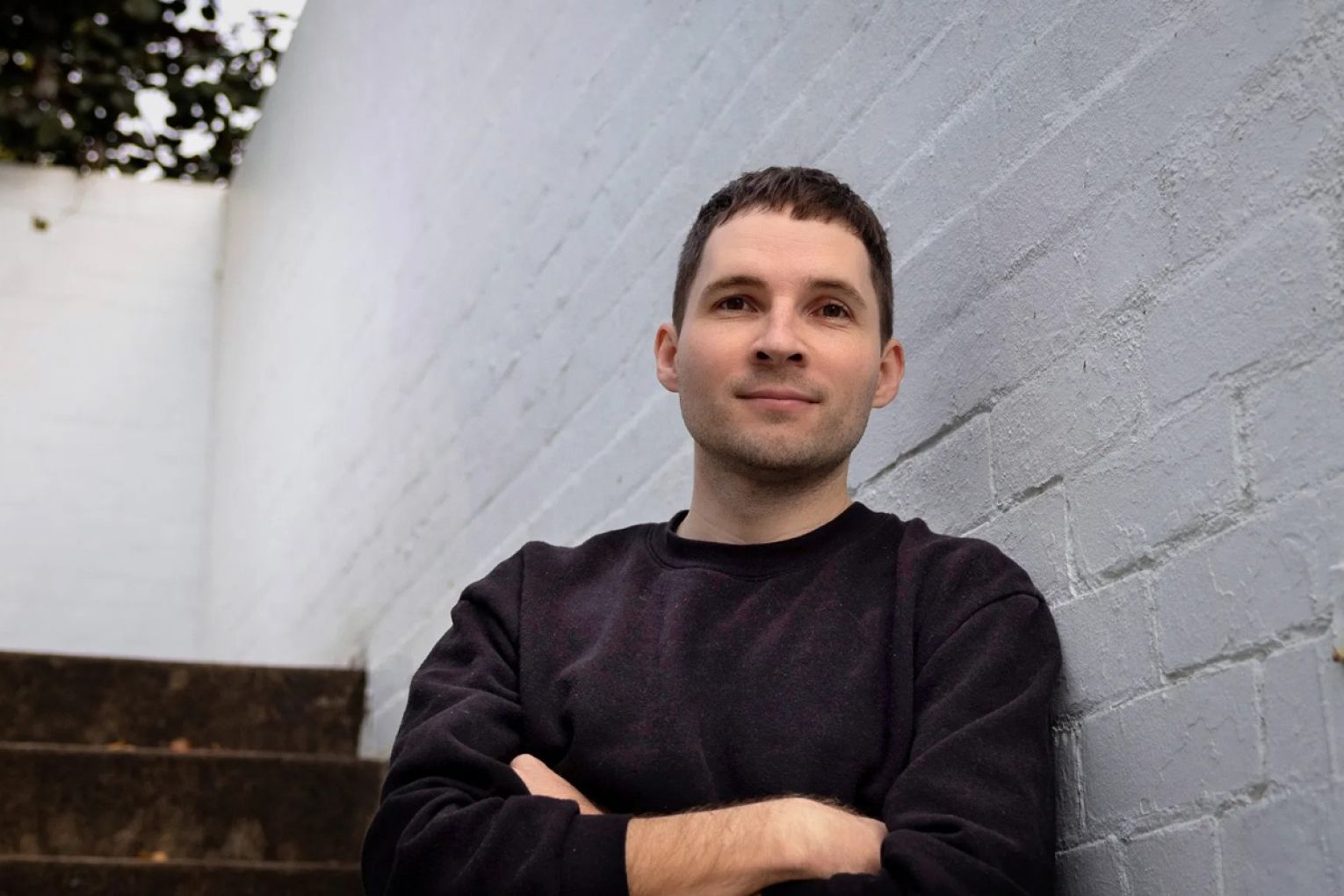
Walter Marsh is an award-winning journalist based in Adelaide and the South Australian editor of InReview. He is the author of Young Rupert: the making of the Murdoch empire (Scribe 2023) and The Butterfly Thief: adventure, empire and Australia’s greatest museum heist (Scribe 2025), and has also written for The Adelaide Review, The Guardian, The Age, The Sydney Morning Herald, The Monthly, The Saturday Paper, Crikey and Rip It Up.

Want to see more stories from InDaily SA in your Google search results?
- Click here to set InDaily SA as a preferred source.
- Tick the box next to "InDaily SA". That's it.