‘A side of war you just don’t see’: Pip Williams explores love, art and trauma in The German Ward
A series of wartime sketches and paintings in the Australian War Memorial inspired the latest historical saga The German Ward from Dictionary of Lost Words author Pip Williams.
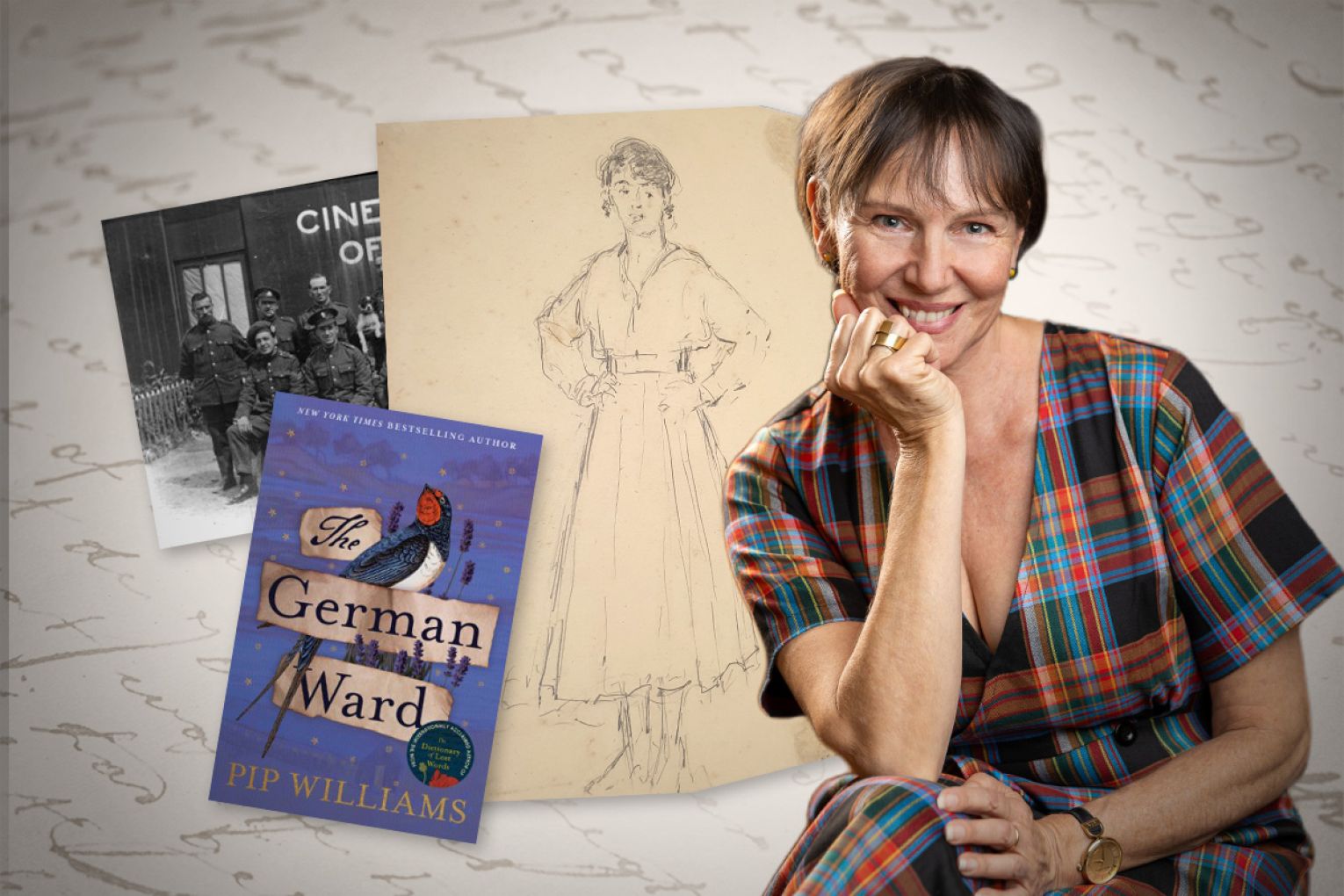
“There are always gaps in the archive,” Pip Williams tells InReview. “Gaps that are usually in the shape of women.”
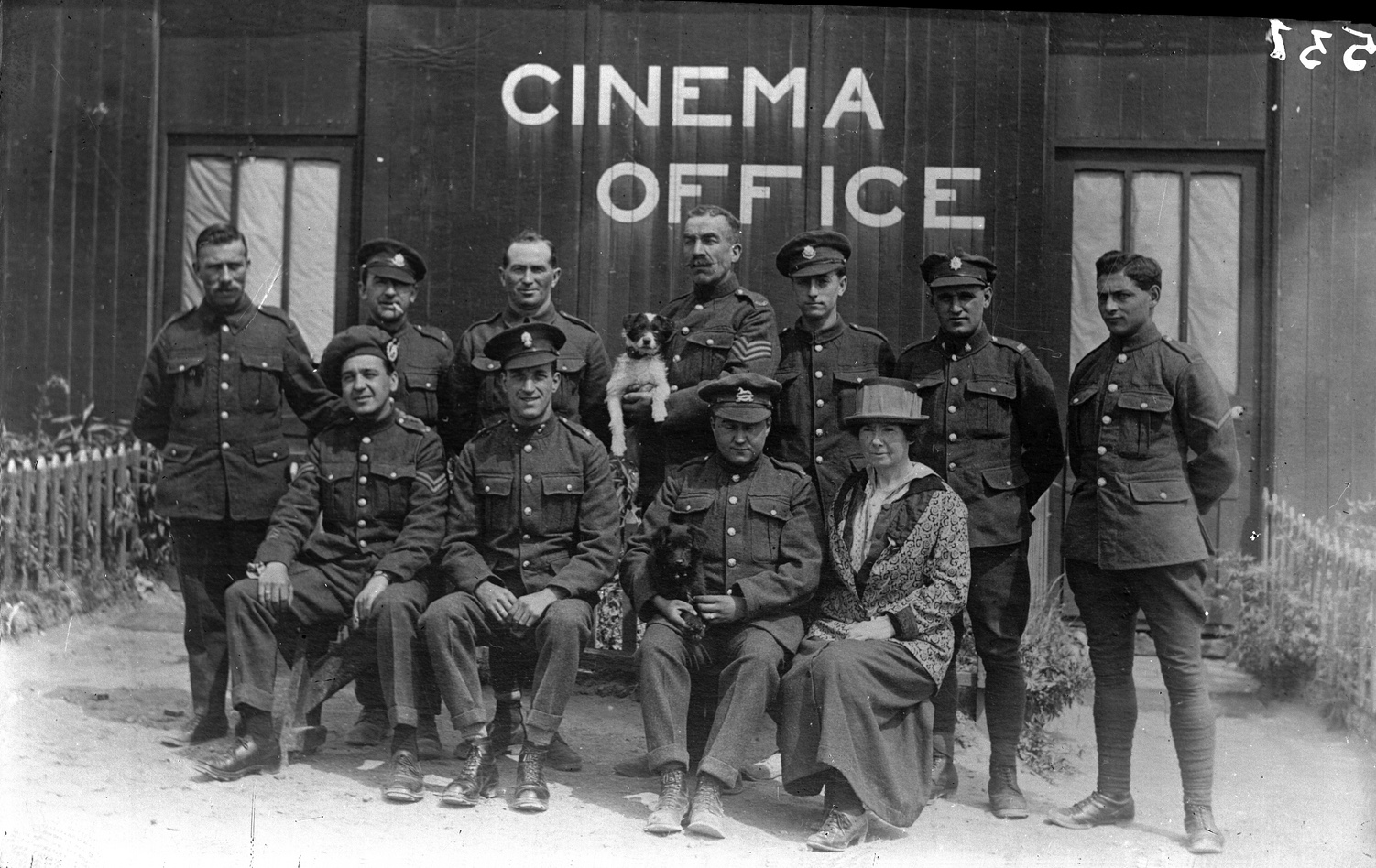
A few years ago, Williams was visiting the Australian War Memorial in Canberra to examine the work of Australian artist Iso Rae, whose sketches and paintings recorded life in the vast First World War military camp at Étaples in northern France. At the time, Williams was researching her second novel The Bookbinder of Jericho, and wanted a visual sense of the camp where she had sent one of the book’s fictional characters, Voluntary Aid Detachment nurse Tilda Taylor.
Records of many of the camps and hospitals have disappeared, so looking at Rae’s art offered the historical novelist another way in. As Williams studied the artist’s drawings, she found many gaps in the archive – like the Chinese and African workers who serviced the war effort, whose presence rarely appears in official records.
“The gaps are all sorts of shapes, but they ‘re usually not the shape of the people telling the history,” Williams tells InReview.
Williams has forged an extraordinary literary career from peering into such gaps. Her international bestseller The Dictionary of Lost Words explored the women and words excluded from the compiling of the Oxford English Dictionary. The Bookbinder of Jericho turned to the women who bound the books produced by the Oxford University Press, and will soon follow The Dictionary onto the stage.
Her new novel, The German Ward, draws actress, suffragette and VAD nurse Tilda Taylor out from the margins of these previous novels and follows her into wartime France to tell a story of forbidden love inside a hospital ward treating German prisoners of war.
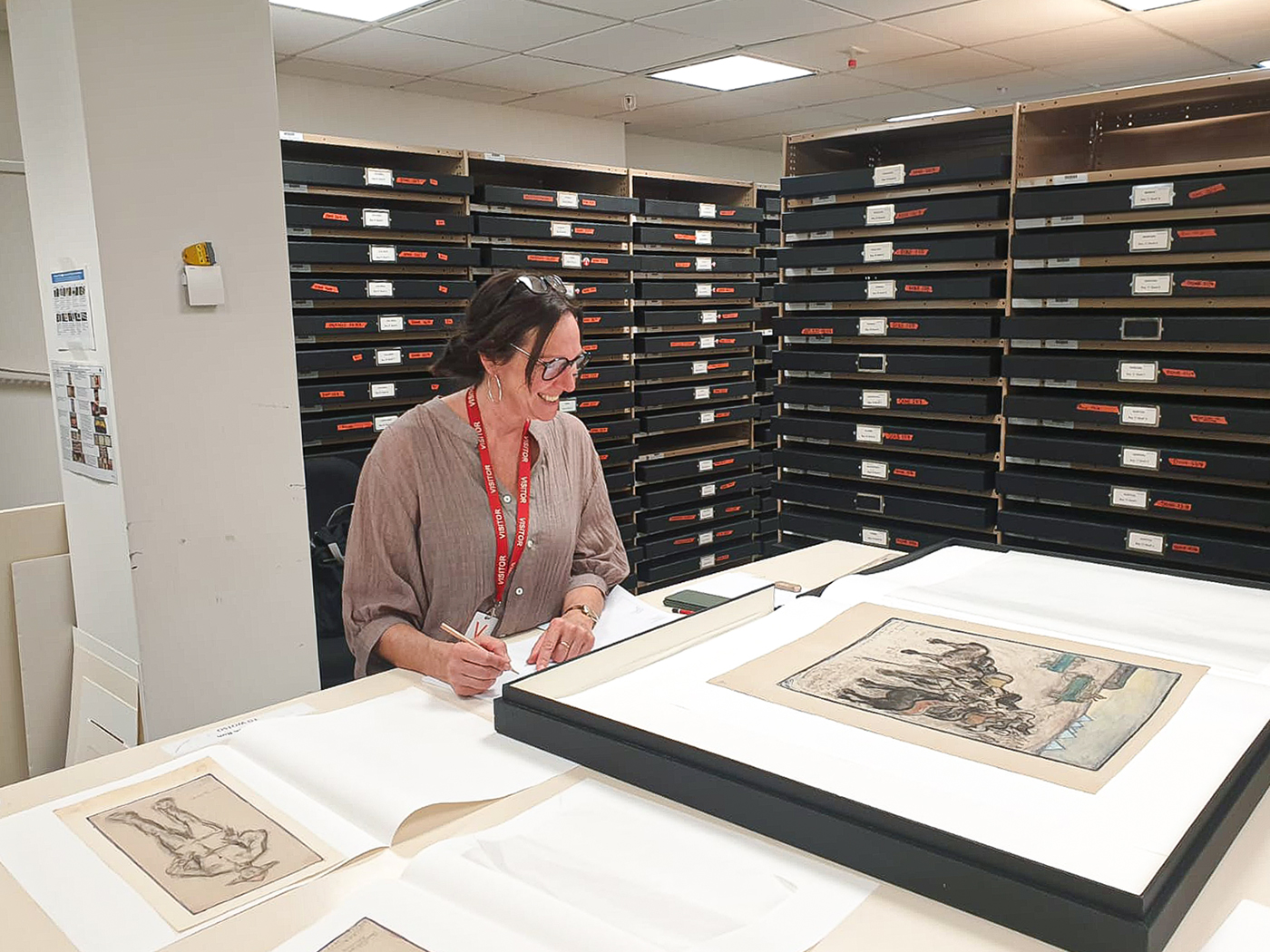
During her research at the War Memorial, Williams examined Rae’s remarkable record of Étaples. “She’d made more than 200 sketches, pastels and watercolours,” Williams explains. “These works give you a side of that war that you just don’t see or read about in the histories.”
You might like
Rae drew soldiers, street cleaners, African and Chinese workers, football games and entertainments, and meticulously annotating what she saw. Then, on the flipside of one drawing, Williams and the curator discovered something unexpected – a pencil sketch of a woman.
“She looks so strong and beautiful and defiant,” Williams says. “With her hands on her hips as if she was bracing for something. And I wondered what she was bracing for.”
The sketch had no name, date or any recorded details. And more importantly, among all the wartime works by Rae that Williams examined, this was the first woman she’d seen.
“It was kind of left up to me to decide who she was,” Williams says. “And I decided that she was Tilda.”
The German Ward grew from that encounter into a conversation with Rae’s art, and eventually into a work of ekphrasis on the scale of a novel. The historical Rae shares the book with Williams fictional characters, while her real artworks mingle with drawings Williams has imagined her creating.
Rae herself is given almost no dialogue. “She has spoken to me through her work,” Williams says. “In real life, her pictures have spoken to me, and the novel I’ve written is based on the conversation I’ve had with her art.”
The novel is structured around three women looking at the same period from different points in time. Iso Rae witnesses and draws it as it happens. Twenty years later, Tilda reconstructs her experiences through memories, journals and mementoes. In 2025, researcher Eva LaMotte encounters Rae’s drawings in an archive and tries to decipher what they mean.
And hovering above these three points of view is Williams herself. “I am always the fourth layer,” she says with a grin.
"I was really keen to try and write a story about World War One that doesn’t have a single trench or gun fired in it."
Subscribe for updates
This clever structure turns historical and artistic interpretation into part of the novel’s drama. Readers encounter Rae’s images before learning the circumstances that produced them. Eva brings her own experiences of menopause, ageing and desire to what she sees. As more of Tilda’s story emerges, our assumptions about what the art is showing us begin to shift. For Williams, this uncertainty in interpretation lies at the heart of historical fiction.
“History is not the past. History is an interpretation of the past,” she says. “I don’t believe in objectivity. I don’t believe it’s possible.”
As a former social scientist and researcher, Williams knows that she decides which archives to enter and which box to open, just as an artist decides where to direct her gaze or a novelist chooses the fragment around which a story might grow. “These are all subjective decisions,” Williams says.
At the centre of The German Ward is Tilda’s forbidden relationship with German prisoner and doctor Hugo Henning. Williams originally imagined the book as a novella, wanting to write “just a simple love story”. She laughs. “It seems I can’t write a straight-up love story.”
In the novel, desire spreads beyond Tilda and Hugo. It’s found in Rae’s feelings for Tilda, connections between men in the ward, and the longing Eva brings to her interpretations of Rae’s drawings a century later. Even Rae’s art shifts from being a journalistic record of the camp to feel like a more intimate record of desires that must remain hidden.
Williams became fascinated by the question of how people continue to love while surrounded by suffering. As she wrote about the First World War, Gaza, Ukraine and Sudan filled her news feed. Watching healthcare workers continue their work amid devastating conditions, she found herself wondering about their emotional lives.
“Do they still fall in love?” she wondered. “They do fall in love. They fall in love even when everything around them is in chaos and the worst of humanity is on show.” Thinking about this question became the engine powering the novel: how and why do people fall in love in such circumstances?
But Williams kept the battlefield itself off the page. She doesn’t write about the trenches or gun battles, but the terrible consequences still arrive in the German Ward.
“You don’t need to be in the trenches to suffer the violence of war,” she says. “I was really keen to try and write a story about World War One that doesn’t have a single trench or gun fired in it.”
The violence arrives through bodies: wounded, damaged, bleeding, vomiting and all requiring the exhausting physical labour of washing, feeding and tending. Williams drew on memoirs by wartime nurses and VADs, as well as her own six years working as a personal carer in nursing homes while completing high school and university.
This visceral physicality also brings the novel’s explorations of trauma and desire together. As Tilda becomes overwhelmed by what she witnesses, her body retreats into numbness, until desire finally draws her back towards sensation. “Desire is a very embodied thing,” Williams says, “but so is trauma.”
In writing The German Ward, Williams creates a richly coloured story of love amid the horrors of war from a single pencil sketch of a woman on a reused sheet of paper, unnamed and unexplained, a lone woman among drawings of men.
Williams still doesn’t know who this woman was. The archive has preserved her stance, her rolled up sleeves, her uncovered hair and the defiant set of her body. Everything else is a gap. And into that gap, Williams has written Tilda.
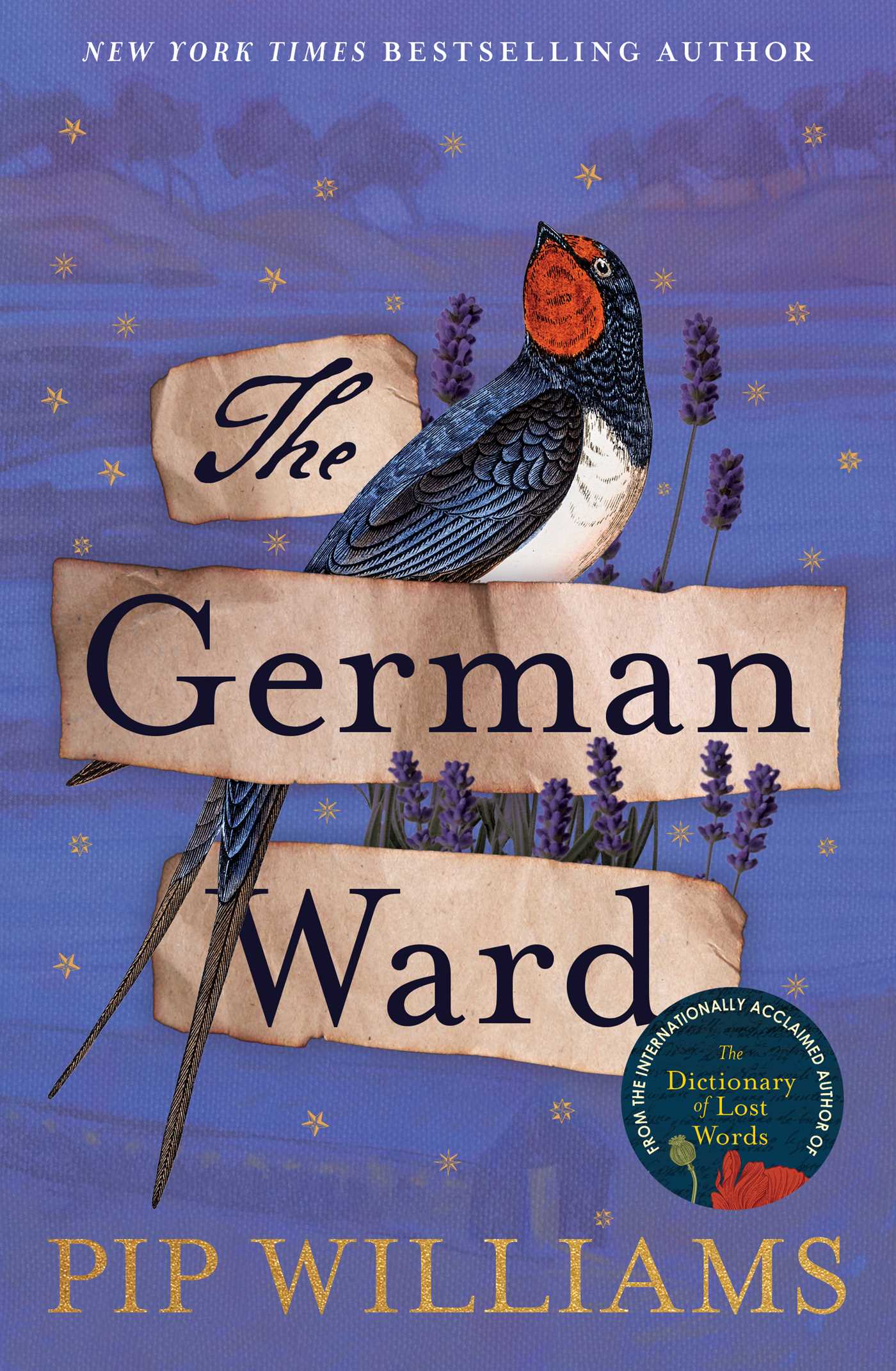
The German Ward (Affirm Press) is out September 29
Want to see more stories from InDaily SA in your Google search results?
- Click here to set InDaily SA as a preferred source.
- Tick the box next to "InDaily SA". That's it.
Free to share
This article may be shared online or in print under a Creative Commons licence