‘We are the after’: Kumarangk is more than a story of pain
Three decades after the ‘Hindmarsh Island Bridge controversy’, a sell-out Film Festival documentary and Adelaide Festival exhibition recentre Ngarrindjeri perspectives in an intergenerational truth-telling project.
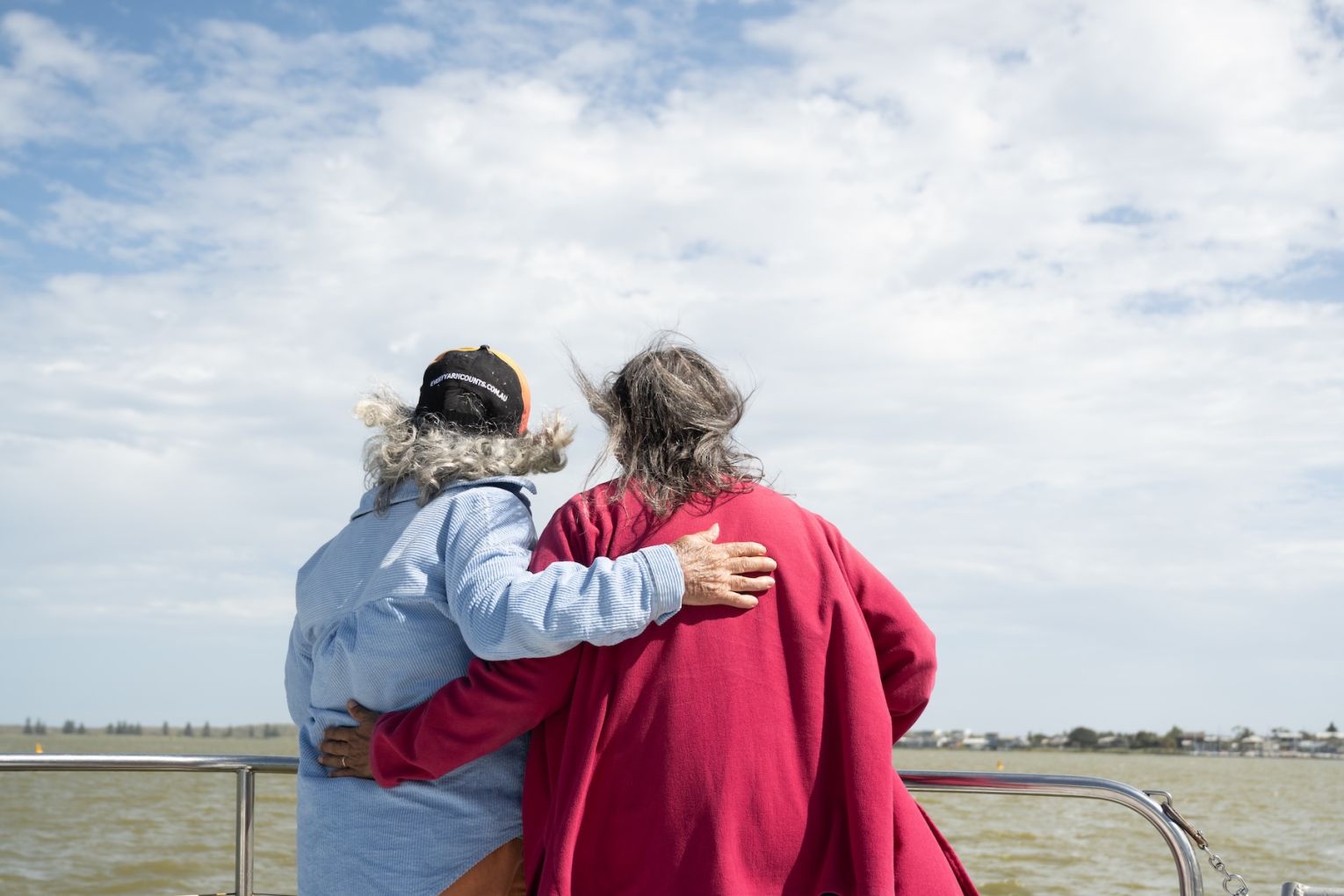
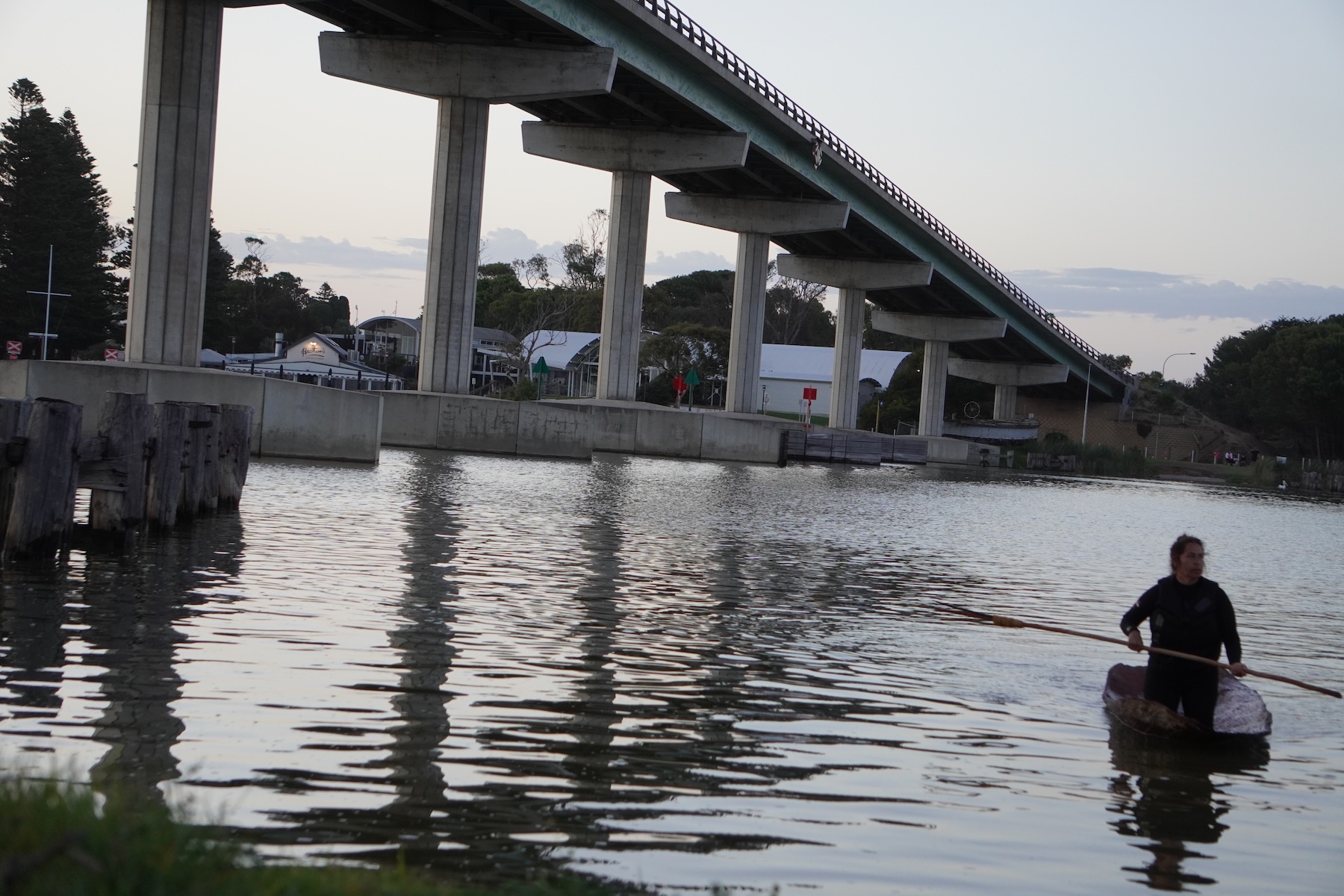
For the Ngarrindjeri community, Hindmarsh Island Bridge is a point of anger, pain and hurt. I learned of the events surrounding its construction when I was a teenager, not completely understanding what happened yet, but knowing that my mob had fought tooth and nail – to the point of crushing pain – to stop it being built on Ngarrindjeri sacred women’s country.
Kumarangk is a story I knew, but have never experienced quite like this.
Some three decades after its story hit tabloid pages and news bulletins, 2026 has seen Kumarangk revisited in a three-part, community-driven arts project: a gallery exhibition, a documentary, and a live theatre work.
In March, the Kumarangk exhibition immediately caused a lump in my throat that did not shift during the entirety of my time in the Adelaide Contemporary Experimental gallery. From the moment that I walked in to the moment I left, I had to remind myself to unclench my jaw, to breathe, to wipe the tears forming in the corner of my eye. I wondered if I could write this review, as this entire gallery is a representation of something that I know, I have mourned over, and that I will never forget.
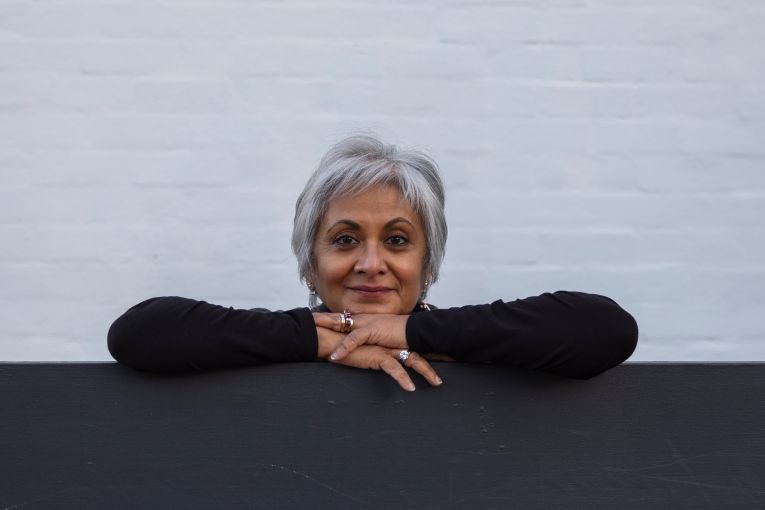
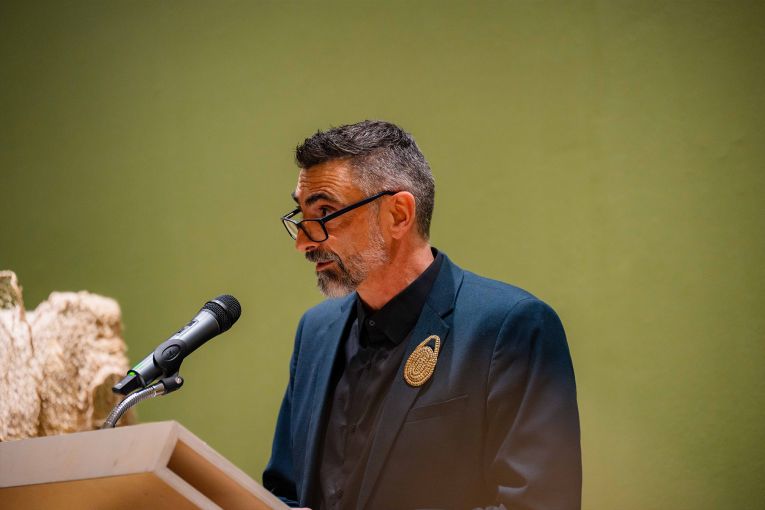
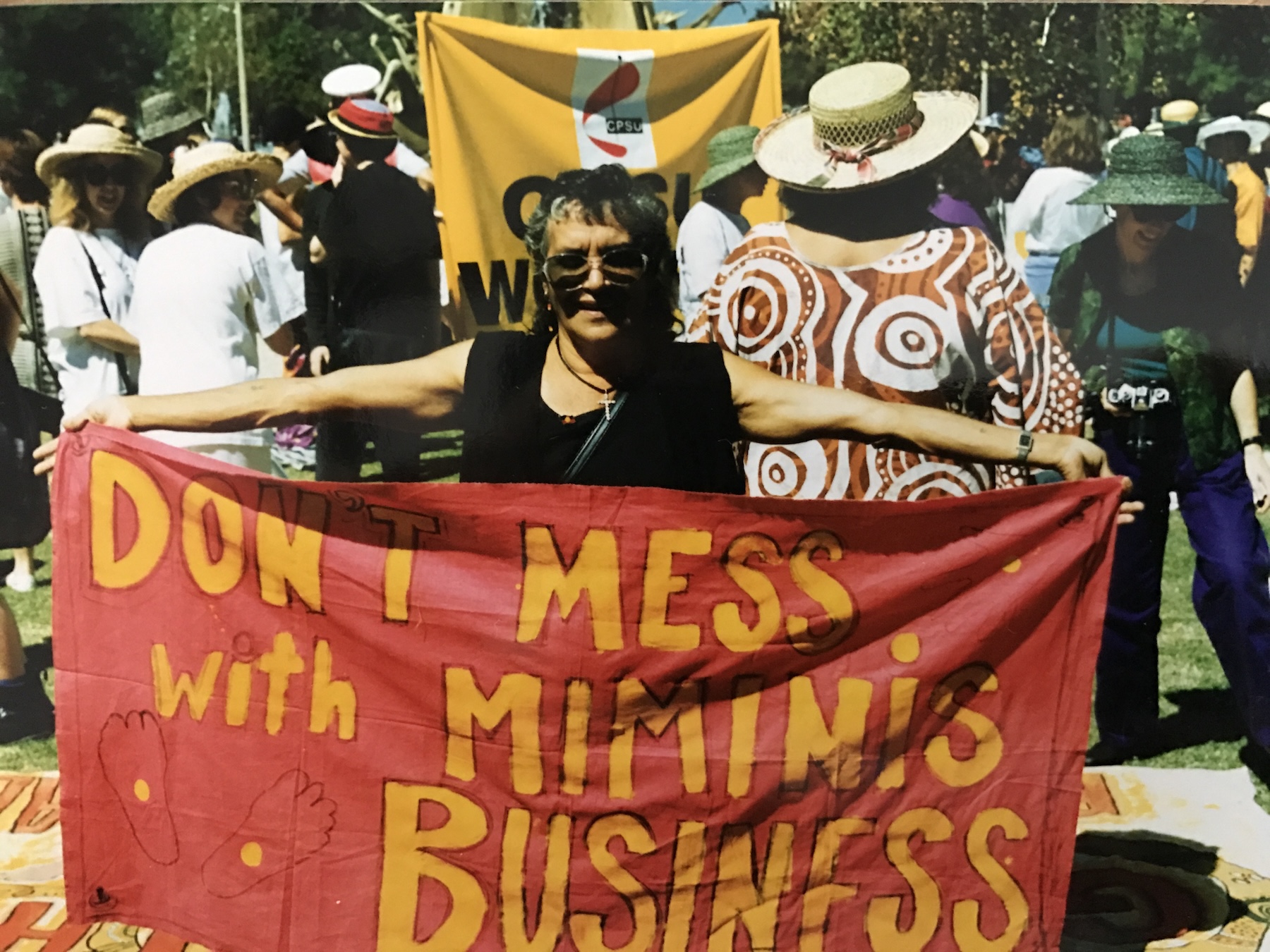
Curated by Dominic Guerrera with associate curator Jayda Wilson, the gallery opens with a story. Along the walls are the words of Aunty Katrina Karlapina Power and Aunty Eunice Aston, which sit under banners that were flown during the protests of the 1990s. They tell of the journey, the work, and the fight that occurred. They show how much was taken by a colonising culture that refused to understand just what they were doing. As I read each panel, I could see the women fighting, hard. I could see the strength and the determination. I hadn’t yet been born, but these women were fighting for me.
And with that realisation, I move through Kumarangk. Because I realise that these artists were showing that we are still fighting. That this story will not be forgotten and that it will not just be told, it will be shouted.
Within the gallery are works completed by Temeika Campbell, Zemiah Campbell, Carly Tarkari Dodd, Tiarnie Edwards, Debra Rankine, Elizabeth Rankine, Sonya Rankine, Bessie Rigney, Stephanie Russell, Sandra Saunders, Aunty Betty Sumner, Aunty Margi Sumner and Aunty Ellen Trevorrow.
You might like
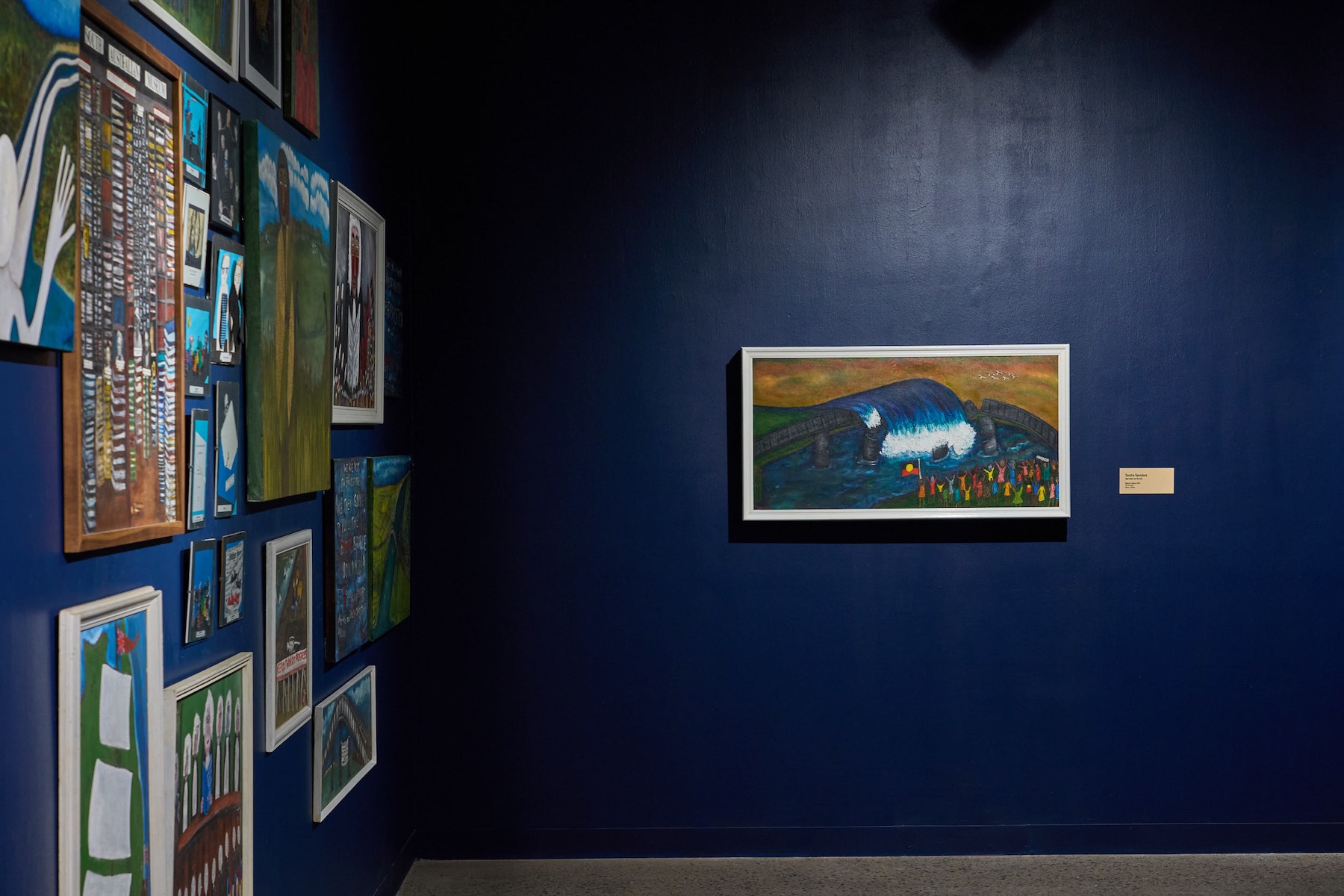
At the core of the show is artist Sandra Saunders. The wall of Saunders’ work is physically and emotionally overwhelming; Saunders does not hold back the truth of what has been done to the land and what exactly was disturbed during the building of the Hindmarsh bridge. Burial depicts the bones in the ground as the trucks move around, and sail boats enjoy leisure rides on Ngarrindjeri waters. It makes it impossible to ignore what has been done. This painting, alongside, Maggie’s Wish are going to remain within my psyche, remembered with care and anger.
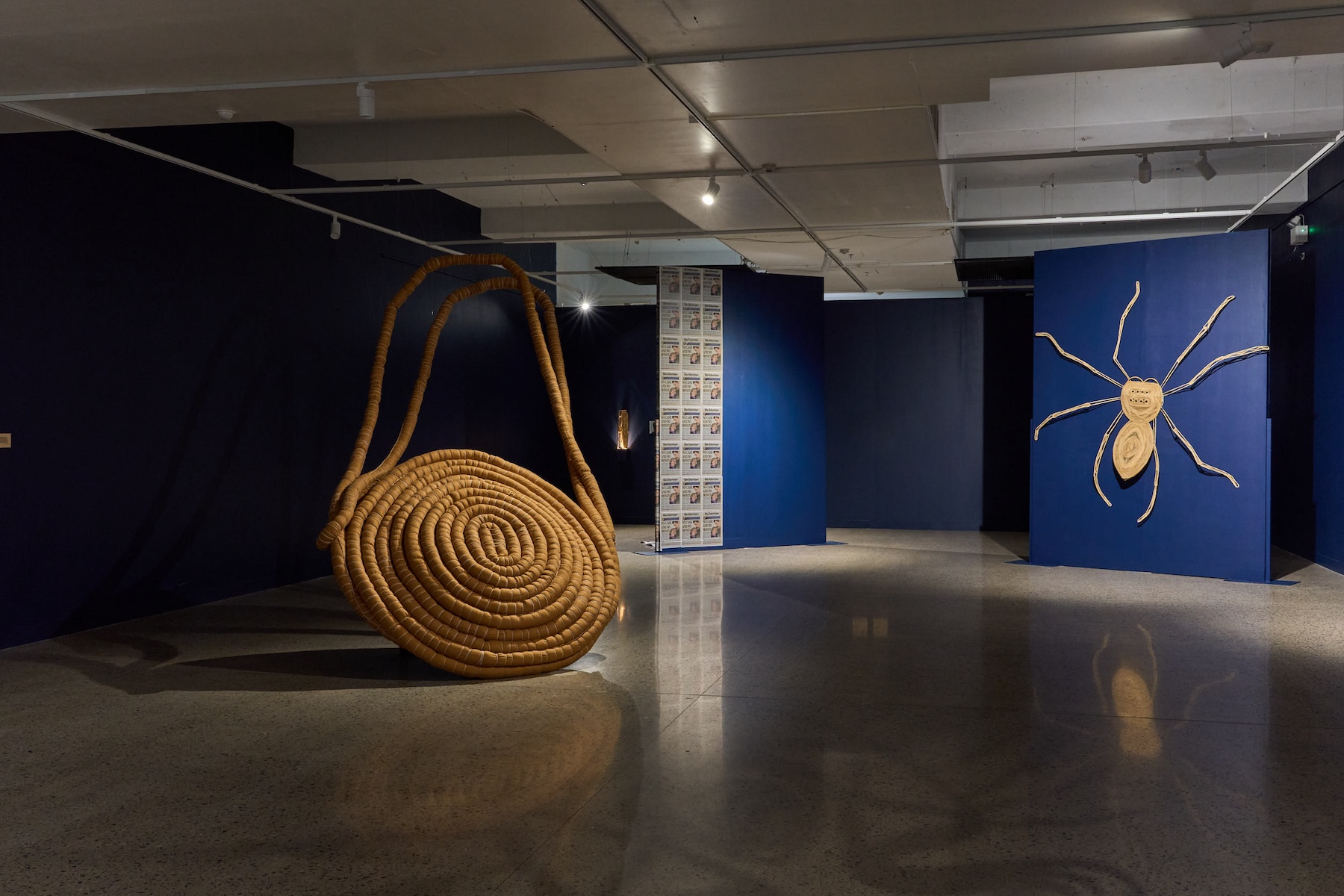
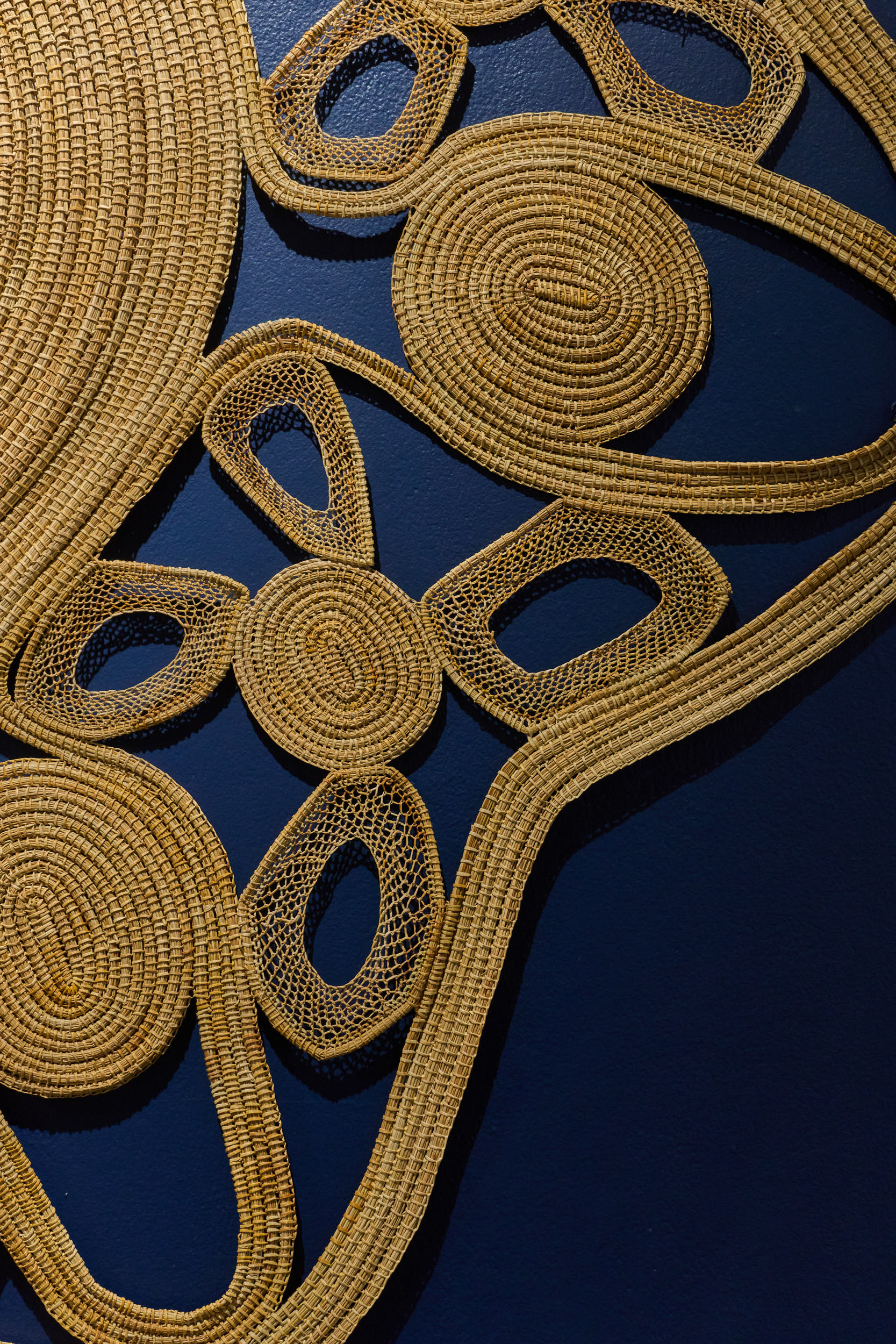
The gallery itself is filled with weaving, a key part of Ngarrindjeri culture and business. In the centre of the room sits a giant woven bag that made me smile. It took up space, as this story should, as our culture and women should. Made with care by Carly Tarkaari Dodd, the fact that it is named Sisterhood is not missed. It is a representation of sisterhood in a loud and obvious way that cannot be ignored.
The woven spider or Nga:Tji by the Mardawi Art Collective shows artistic talent and skill beyond my understanding. The spider itself is a totem, a representation. It is fascinating, how you lean both in and out of this work. You can study each woven piece of the work while also seeing the bigger picture. An apt metaphor for the entire gallery.
The story of how details of the women’s business were read and shared by a male politician in parliament – breaking protocols – was one I knew. Sonya Rankine’s work, artfully displayed, won’t let you look away: the woven envelope, the burned pages. This was a piece that I stood in front of, frozen in the memory of when I was first told this story. This was a betrayal, put simply, and served as a reminder: do not trust, do not give, do not assume that you are safe. The plastered pages of the newspaper behind the envelope truly make it impossible to move away and I make sure to remember every word. This was front page news and should continue to be.
Six months later, October’s Adelaide Film Festival saw the world premiere of the documentary. Kumarangk: Sacred Women’s Business. Directed by Tracey Rigney, the beginning of the documentary sets the tone: Sandra Saunders appears once again, filmed in a room as she names each woman who fought so hard for that bridge to never be built. These women who risked health and safety, who were hounded in the media and in parliament. That envelope haunts this narrative the same way that it haunted me in the gallery.
Subscribe for updates
The film is shot beautifully; a mix between archival footage, news reports and Ngarrindjeri Country, as well as art works and interviews, Rigney manages to capture the longevity of the story. What is particularly powerful is fact that we can hear the words of the women through interviews that they had given for other projects, or just surviving footage that someone had luckily captured that day. Rigney plays this smartly, expertly weaving this poignant footage in and out without overwhelming the audience. A true nod to Ngarrindjeri people and storytelling.
The guilt, the hurt and pain within the film are handled beautifully, as Rigney makes sure that the blame is set back on the shoulders of government, those who mishandled cultural and spiritual information in the first place, the people who played the system, the institutions that backed them, the media who craved headlines and those in the community who became swept up in the conflict.
What truly struck me in this film was the fact that Rigney does not shy away from telling the truth – the same way that the Ngarrindjeri women did not shy away the truth of the sacred women’s business. There were things that they could and couldn’t say. They were honest. They were strong. They fought with what they could, and they did it with culture at the front of their mind. They had allies who fought just as hard. This is truth-telling, and Rigney refuses to soften it for anyone in the room.
This film allows space for hurt and mourning but it also captures something that I believe the Australian people need to hear: the onus is often placed on Aboriginal people to explain more, to show more, to welcome in more. But when Aboriginal people have, when the Ngarrindjeri women did, they were called liars, fabricators, opportunists and other vile names too vile to write in this review.
I want to state clearly that this is not simply a story of pain. These Ngarrindjeri women showed their strength, their knowledge, their love for Country and their refusal to surrender. It is a story of women who fought for who came before, and who would come after.
We are the after. This story needs to be continued to be told.
The fact Kumarangk: Sacred Women’s Business sold out a record-breaking number of festival screenings and is the Adelaide Film Festival’s 2026 Audience Feature Fiction Winner holds hope that people are ready to listen. And I look forward to the third part Kumarangk: Sisterhood, to be presented as part of next year’s Adelaide Festival. Because this fight, this experience, this injustice needs to be explored, in all forms, because it is a story that deserves nothing less.
Kumarangk: The Exhibition is on display at The Riddoch Arts & Cultural Centre Centre, Mount Gambier until November 8. Kumarangk: Sacred Women’s Business will be screened on the ABC in 2027.
Courtney Jaye is a Ngarrindjeri woman and writer who grew up all around Australia and is currently living on Kaurna country. She is a past recipient of the Arts South Australia and InReview First Nations Arts Writing mentorship.
Want to see more stories from InDaily SA in your Google search results?
- Click here to set InDaily SA as a preferred source.
- Tick the box next to "InDaily SA". That's it.
Free to share
This article may be shared online or in print under a Creative Commons licence