‘First retail downturn in 15 years’: JamFactory puts a lid on hyped commercial venture
In 2019 JamFactory launched a buzzy line of high end furniture, lighting and homewares it hoped would make millions to support exhibitions and artist development. Now, construction industry woes and a retail downturn have led management to call time on its “golden egg”.

When JamFactory launched its new line ‘jam by JamFactory’ in 2019, its CEO Brian Parkes had big plans for the venture.
“If I’m honest, the ambitions that we had were for quite a lot of money,” Parkes tells InReview. “I had hoped that it might be returning, you know, a couple of million or more in five years.”
Parkes had recognised that, from its Dunstan era origins, JamFactory’s retail offering has been one of its greatest strengths.
By investing in the marketing and production of a branded range of ‘furniture, lighting and objects’ – designed and produced in collaboration with the leading practitioners that pass through JamFactory’s West End workshops – it might make enough cash to support its greater mission.
“Most people know JamFactory because they receive something beautiful from the shop, or give something beautiful from the shop for a special occasion,” Parkes explains.
“We pride ourselves as having been a fairly head-of-the-pack sort of entrepreneurial arts organisations since inception.”

jam would see the 52-year-old organisation stretch beyond the gift shop, seeking out a niche in the loftier end of the interiors market opposite imported high-end products from Europe and Japan.
You might like
“The stuff that you buy at IKEA or Freedom or whatever, there’s no way handmade, high labour cost stuff can compete,” Parkes says.
“We were doing it at the highest level, paying proper and above industry standard royalties to designers, working with skilled manufacturers either in our building – with the glass components or ceramic, and sometimes in furniture – or working with skilled industries locally.”
After testing the waters in 2016, the brand launched with a splash in 2019 with high-profile design duo Daniel and Emma as joint creative directors while JamFactory scaled up its operation.
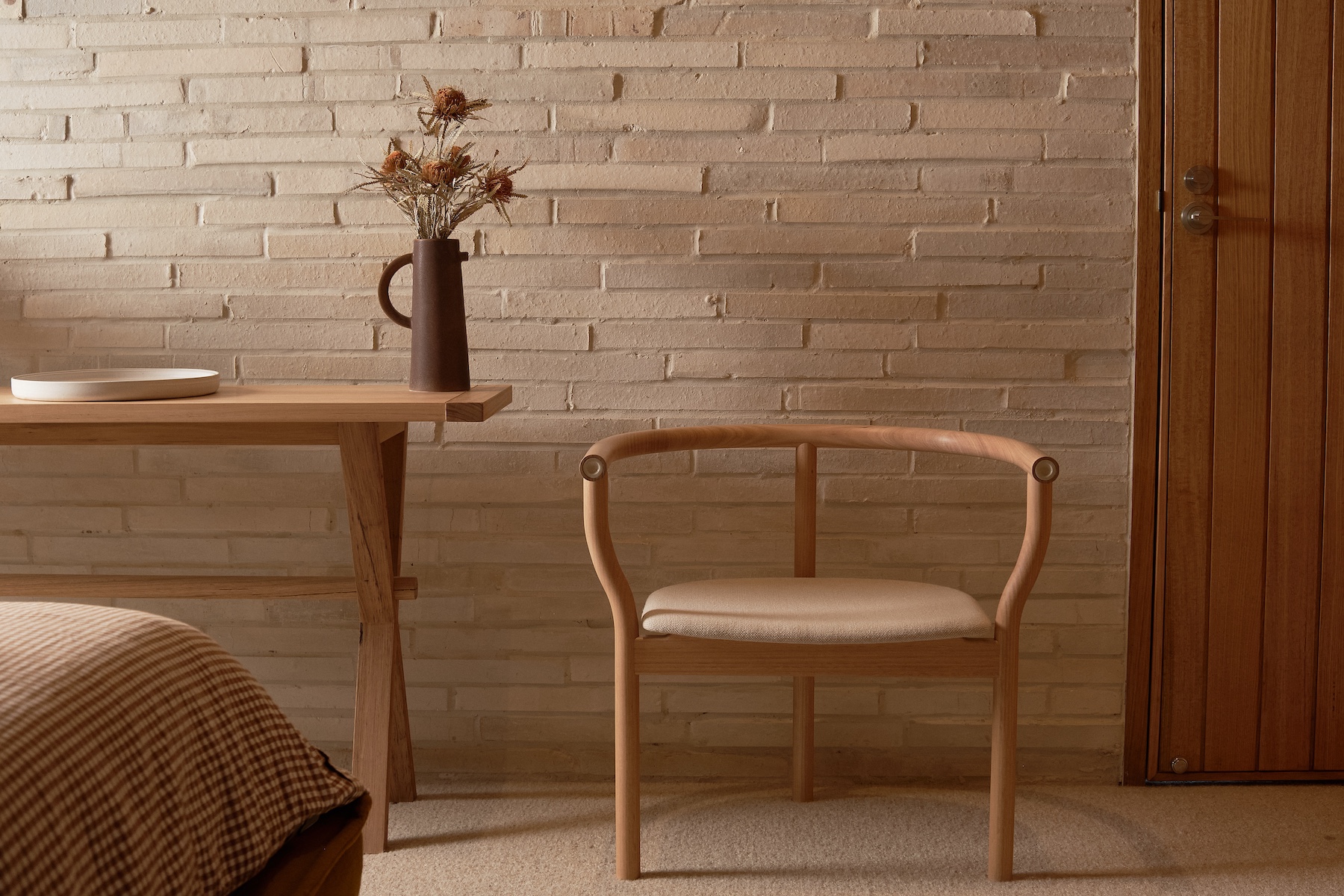
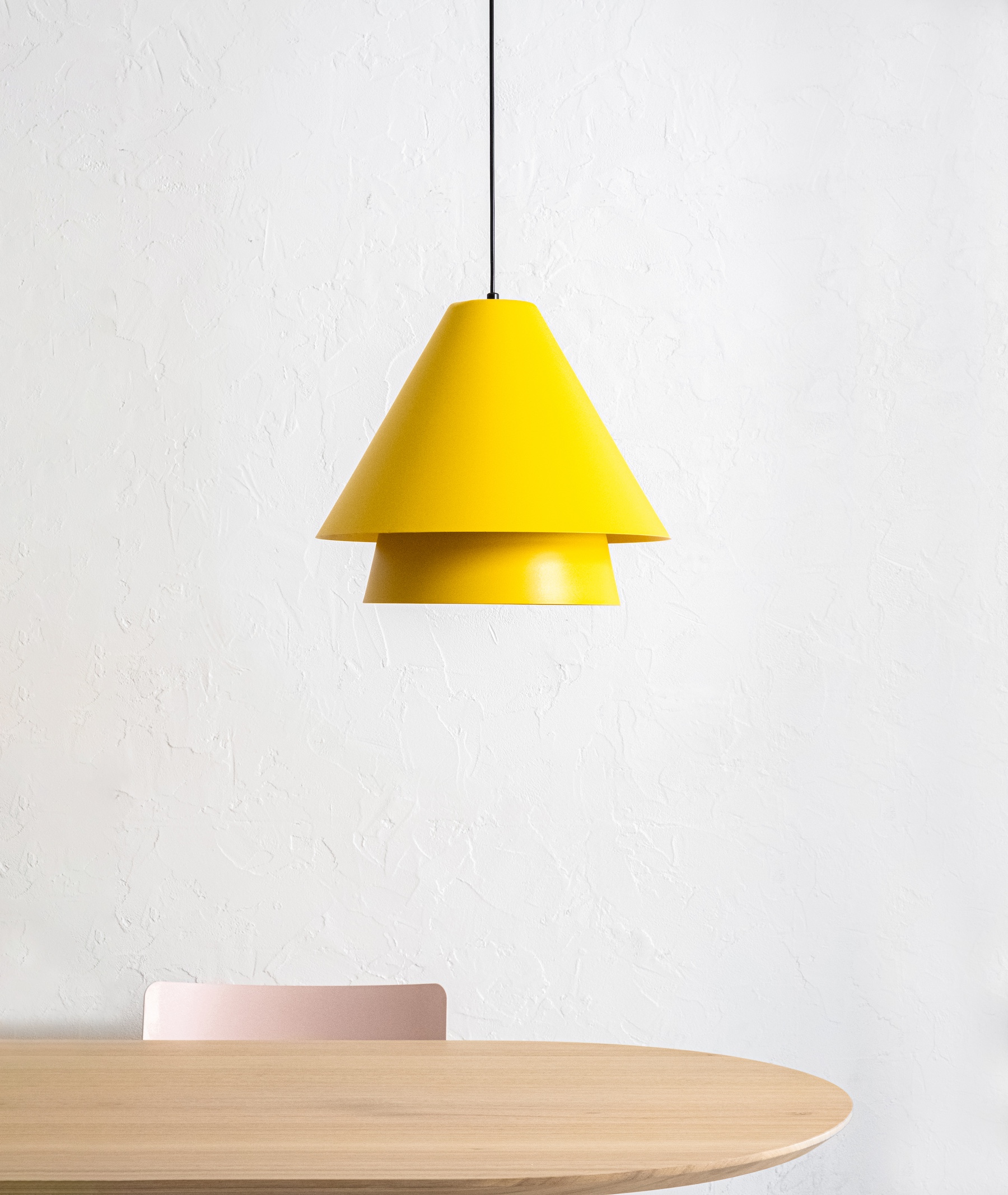
Parkes says jam’s successes include the Hold Chair by South Australian designer Takeshi Iue, and a range of sconce lighting picked up by notable clients including Journey Beyond’s The Ghan, which incorporated the lights into its Woods Bagot-led carriage redesign.
“An impressive, impressive team made something pretty magical,” Parkes says.
Earlier this month, however, JamFactory announced it was discontinuing jam’s furniture and lighting line. Production had ceased in early August, with five part-time roles made redundant including its creative directors (Parkes says that JamFactory’s overall head-count at the end of last financial year was 103 people across 36 FTE roles).
Parkes says that, despite its successes, he and the JamFactory board’s “appetite for risk” had shifted after multiple years of accumulated deficits had yet to deliver the hoped-for “golden egg”.
“The deeper we got into it, the more we needed to spend to do it at the highest level that we wanted to aspire to. Even when we were starting to see gains in sales, we were having to invest even more heavily.
Subscribe for updates
“The plan was that we would end up with a whole bunch of extra revenue that would fund bigger and better exhibitions, and scholarships for people to go overseas, and all sorts of stuff. In the end, it was actually kind of draining.”
Parker says the post-Covid rise in costs across the construction industry had a flow-on effect for the kind of final touches jam brought to building projects.
“If your building cost has gone up 40% people are looking to make savings in the back-end, a lot of the aspirations that people might have had for projects to have Australian designed and made stuff in it… in the end, their clients have gone, ‘Yes, but we can get it for a better price with an imported product’.”
But it was the impact of broader economic shocks in the last financial year that forced a wider rethink, as JamFactory’s retail arm faced an unprecedented “double-digit drop”.
“Traditionally, we’re often supported by a demographic who have more means – in Covid, for instance, we saw growth. The organisation saw growth during the GFC.
“But this more recent economic downturn has been one where people have been more anxious or risk-averse,” he says. “So even those people with money have held on to it — we saw the first downturn in retail sales in 15 years of solid growth.”
The ‘objects’ part of jam’s offering will continue to be made and sold – including pieces like the Deb Jones-designed KINK oil bottle – while Jamfactory’s retail shopfronts are unaffected by the changes.
Despite the “very difficult” decision to pivot once again, Parkes still thinks it’s the kind of swing the organisation should be taking.
And, while Parkes says the current situation at JamFactory isn’t a symptom of government funding – which accounts for nearly a third of its over $6 million annual turnover – he says the case for investing in JamFactory’s creatives is as strong as it was when jam was first floated.
“I’ve been wandering around all the Adelaide Design Week events, and the sheer volume of Jam Factory people in almost every single event reminds me that the most important thing we do is nurture and generate talent,” he reflects.
“I think that the return on investment, you know the economic and cultural benefit that those people accrue to the state and the country, is huge. The level of funding we get… I would argue that there’s a stronger argument for increased investment because the return is exceptional.
“I think we we gave it a really hard crack.”
Want to see more stories from InDaily SA in your Google search results?
- Click here to set InDaily SA as a preferred source.
- Tick the box next to "InDaily SA". That's it.
Free to share
This article may be shared online or in print under a Creative Commons licence