‘Making is the fabric that holds me together’: Sharifah Sorayya exposes her past and present
Adelaide artist Sharifah Sorayya turns the lens on herself for a very personal OzAsia Festival exhibition exploring loss, family, migration and belonging.
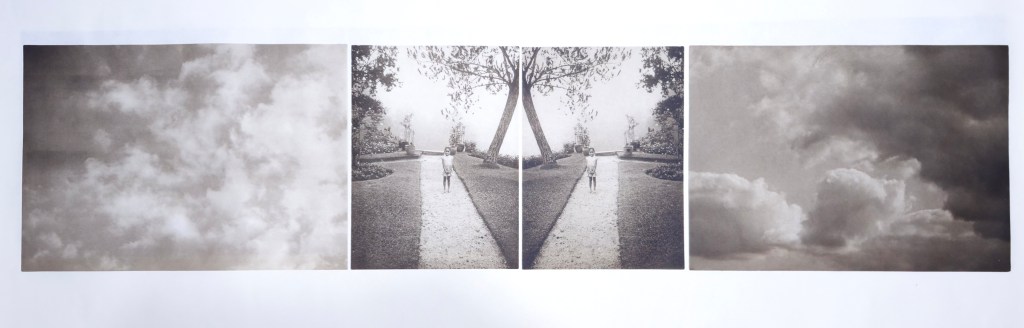
There is a haunting quality to the worn out black and white photograph of a little girl standing on the path of a grand garden, trees looming in the misty background.
This old photo forms part of a new artwork, Hopes and Dreams, by Adelaide artist Sharifah Sorayya, and that little girl is the artist herself, aged about four.
It is one of the few family photographs Sorayya has managed to keep from her childhood, growing up as part of Malaysia’s royal family, and the work is part of her new exhibition, The Unspoken: Intimate Portraits & Silent Dialogues, at this year’s OzAsia Festival.
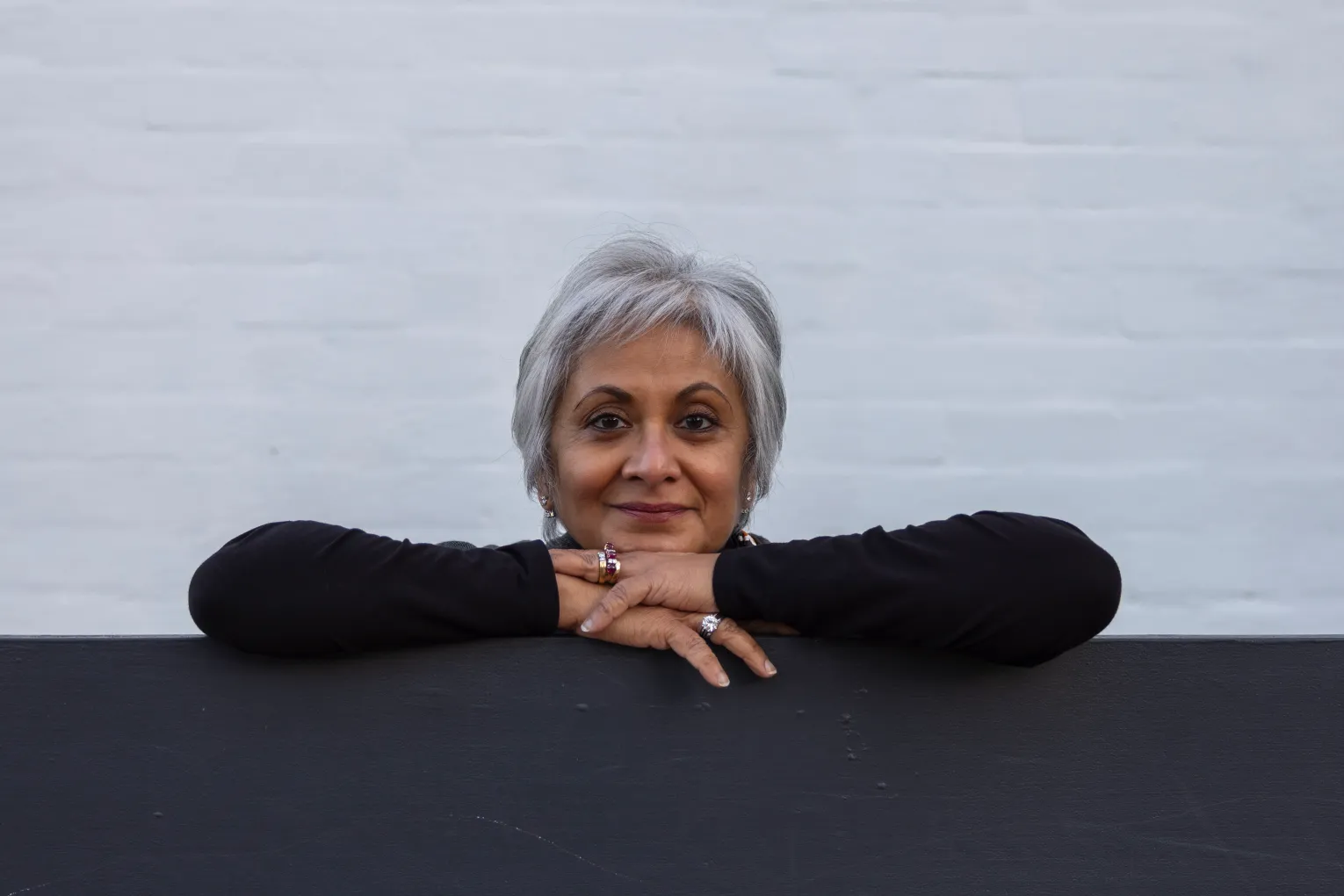
This exhibition marks the first time this Adelaide-based multidisciplinary artist has turned the lens on herself, delving into deeply personal issues, including how a family fallout left the 65-year-old with very few photographs and possessions from her childhood.
“When you leave a place, you don’t think of things like photos or objects, you take what is necessary,” she says.
“Things that so many people have about their past are tangible, but I don’t have that. I have memories and a few photos, but memories become abstract after a while, so I started using other things to represent me, my thoughts and emotions.
“I started looking at the few childhood photos I have, and I realised what I was missing. For very personal reasons which I don’t need to go into, I realised I have lost everything that I had left behind there, physically.”
You might like
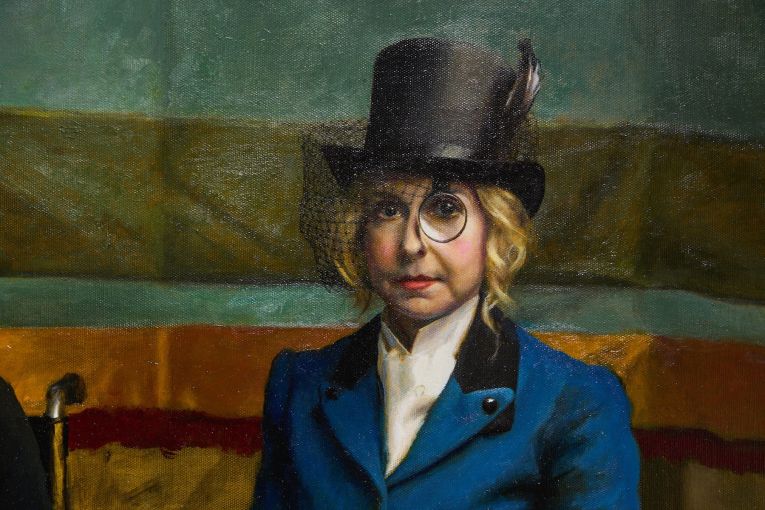
Sorayya, who is also a General Practitioner, creates her work using the photogravure technique – a contemporary ecofriendly version of the vintage printing process where photography and etching are used to create ink-based photographic prints.
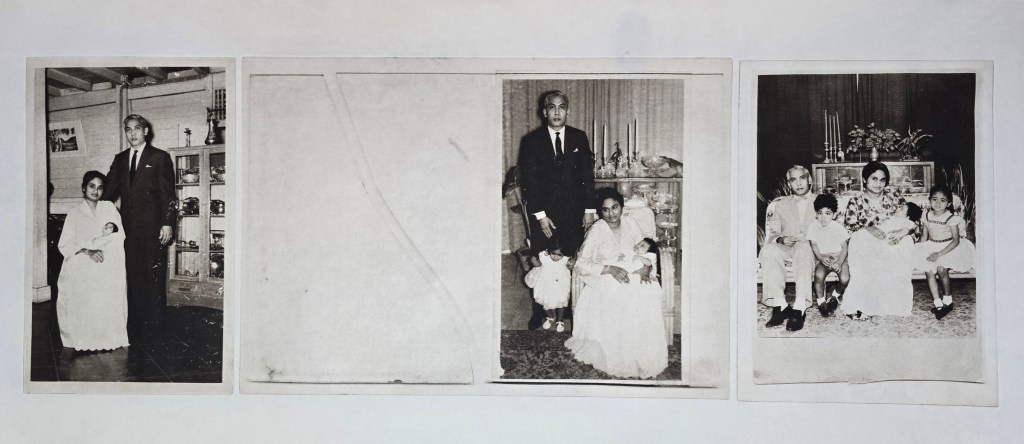
Her work is heavily influence by her familial history and lived experience, particularly through pre-and-post independence Malaysia, including the May 13 racial riots in 1969.
This exhibition, however, is a more personal expression of the highs and lows of Sorayya’s life, including attending boarding school in England, a failed first marriage, having two children, living in Saudi Arabia and Canada, and eloping with a man her family didn’t approve of. That man was Adelaide doctor Geoff Martin whom Sorayya met at a medical conference in Ireland, moving to South Australia 26 years ago.
“When I fell in love with Geoff, we saw we were both given a second chance in life and decided this was it for me. It was the biggest risk of my life and for my children,” Sorayya says. “But I felt I needed to do this. So here I am some 25 plus years later, and only now able to reflect.”
Making her private world public has been a challenge for the artist, who explores her experiences of loss, love, racism, migration, belonging and acceptance through these emotive works.
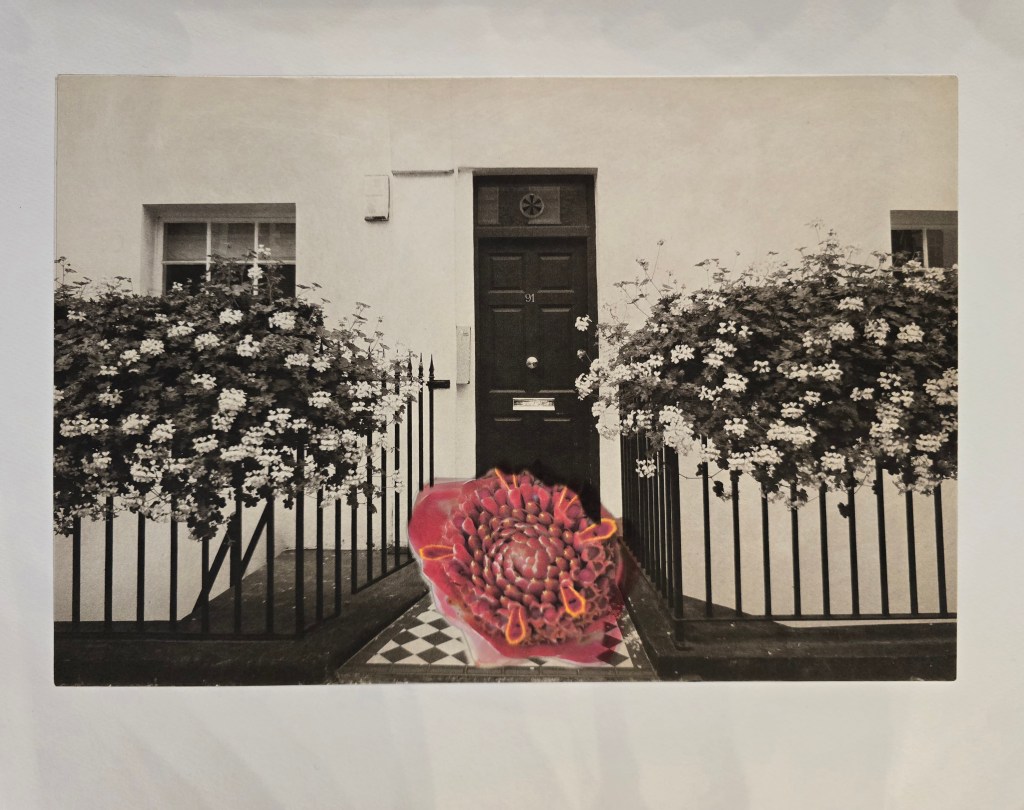
Sorayya has exhibited in South Australia and Victoria as well as Japan, the US and Indonesia and her works are held in private collections across Australia, Malaysia, Singapore, the Middle East and the UK.
She began working on this exhibition at Baldessin Press in Victoria last year, working with photo media artist Silvi Glattauer whom Sorayya describes as a teacher and mentor.
“Silvi guiding me through difficult emotional hurdles with ‘pasado pisado’, the Spanish proverb for ‘letting go’,” she says.
Subscribe for updates
“This year it all came together and I could not stop making. What you see in the exhibition is only half or less of what I have made. It was as if as a result of the time it has taken to distil in my mind and my heart, there was the explosion of a Pandora’s box.
“When the OzAsia opportunity came up it made sense to use this work and I further developed it to talk about migration. So, I focus on my own migration, my own travel prior to coming to Australia, but in a very oblique way. I’m not one to be too overt about things.”
The artist says she has always been creative, adding that “making is the fabric that holds me together”.
“My cultural upbringing meant I needed to know and appreciate craft and textiles,” she says. “My education in art started at home with fine embroidery and all the traditional skills a ‘lady’ had to have growing up. I was blessed with good art teachers from the word go. So I have combined my cultural heritage with my batik and design and I picked up oils and abstracts along the way and I have always drawn.
“Printmaking was also something I started doing from age nine in school with lino and further developed into screen printing and textiles for my O levels in England and further developed into photogravure lately here in Australia.
“So photogravure seemed the natural medium with which to make this series, combining my past and my present. I hope to develop this further in future works, while I still paint and make batik and designs.”
Adjusting to life in Australia took time, and Sorayya was shocked initially by the notion that immigrants should come here “with a clean slate”, wiping all evidence of their pasts and cultural history.
“Australia’s a promised land and the thinking was that you would come here and forget everything because it was all bad and we’ll give you the stuff,” she says. “That certainly wasn’t the case for me.
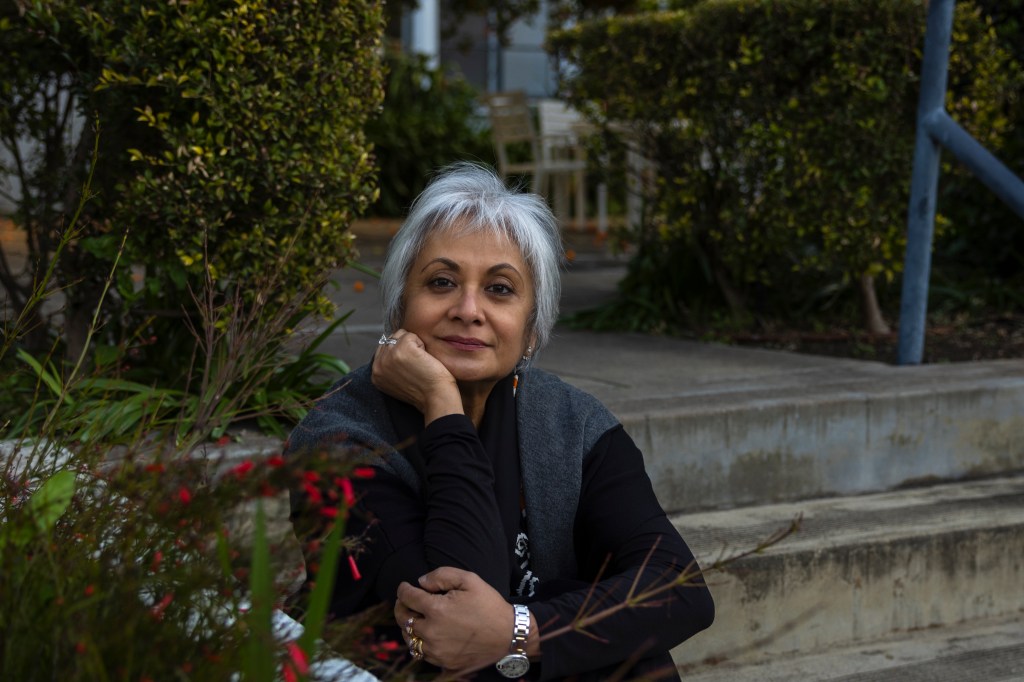
“I had lived in England for many years, I have friendships from then and from my childhood that still exist today, I lived in other places and I had a rich cultural history.
“It was only when I moved to Australia that I realised I wasn’t white. It was an odd feeling to realise at 40, ‘Oh, you’re different’. It took a while for me to register.”
To this day, Sorayya says she can’t claim to know “where I truly belong”.
“I know Malaysia is home and always will be but I also have a home here with my husband, children and now new in-laws who are the best one could ever ask for, the Pike family, and very good friends I have made who are like my own family here, but am I still a visitor? ” she says.
“This must be the question so many migrants have. Maybe it will be the next series of such works for me. I don’t know. For now, this exposure is raw enough.”
The Unspoken: Intimate Portraits & Silent Dialogues is on display at The Mill until January 17 as part of OzAsia Festival
Want to see more stories from InDaily SA in your Google search results?
- Click here to set InDaily SA as a preferred source.
- Tick the box next to "InDaily SA". That's it.
Free to share
This article may be shared online or in print under a Creative Commons licence