Adelaide artists triumph at Sydney Contemporary
Sydney’s buzzing contemporary art fair saw several Adelaide artists make impressive sales, while offering a salient example of how the visual arts can still draw a diverse national audience.
With 100 participating galleries, around 500 artists, prices ranging from $50 to reportedly $1 million, and attendances across five days of almost 27,000, the crowded aisles of Sydney Contemporary art fair emanated a heady celebratory buzz of anticipation, curiosity and sheer enjoyment.
The expert team behind this 10th anniversary edition of the annual art fair has pulled off an exceedingly rare hat trick in the contemporary art world: successfully pursuing the core business of selling art while creating an event that was stimulating and accessible in every sense, appealing to a wide spectrum of visitors, spanning committed collectors with deep pockets, newbie collectors of limited means, artists, arts professionals and art lovers of every predilection, partygoers, students, weekend flaneurs and those who were ‘just looking’.
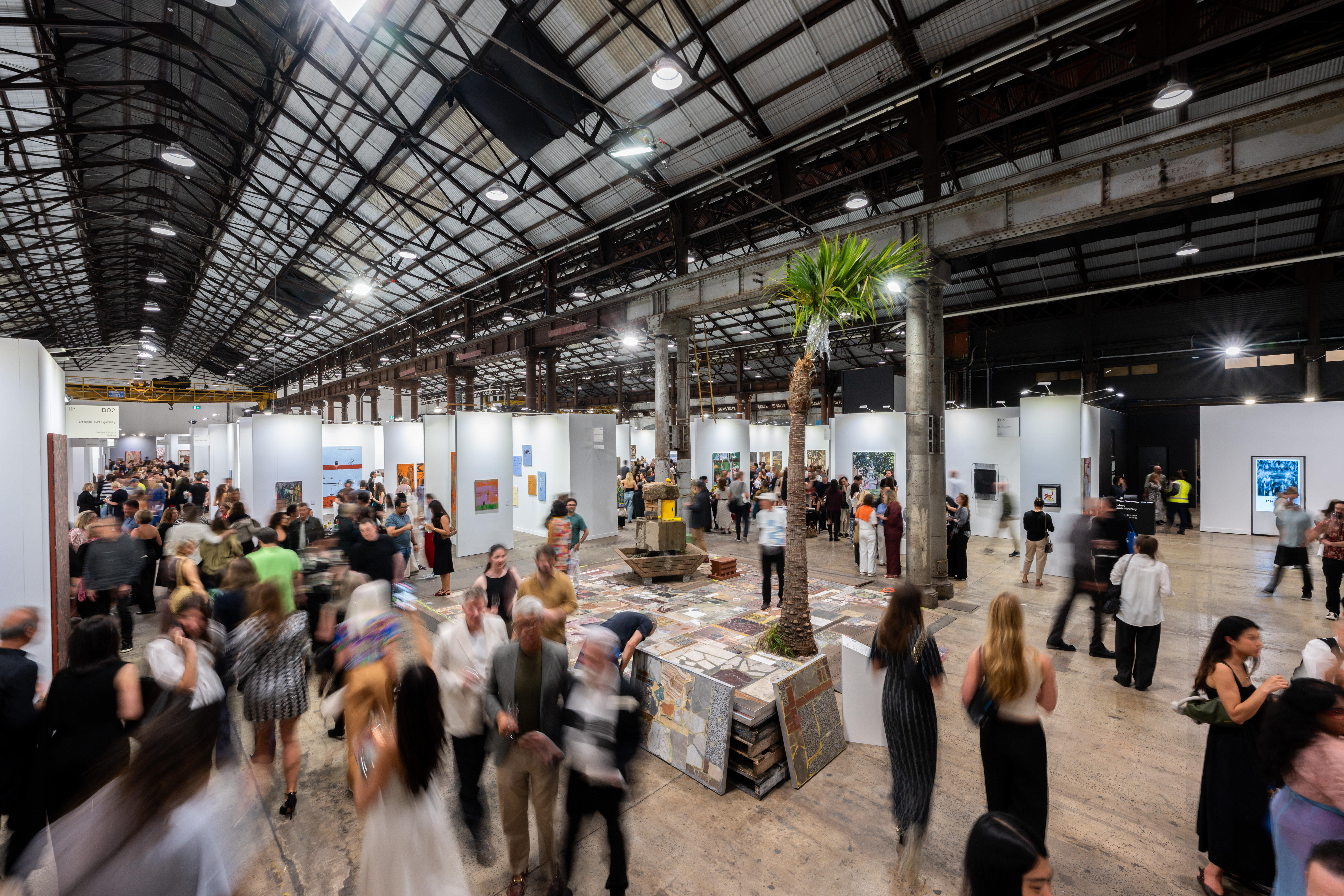
Augmenting the gallery stands lining the aisles within the giant shed that is Carriageworks, there were free back-to-back individual artist talks and panel sessions, specially commissioned Installations, curated by José Da Silva (who curated the 2024 Adelaide Biennial), dedicated galleries for works on paper and photography, and numerous refreshment pit stops.
"A key to the success of Sydney Contemporary was the sheer variety of contemporary art options on offer, testifying to the healthy pluralism of Australian art today."
You might like
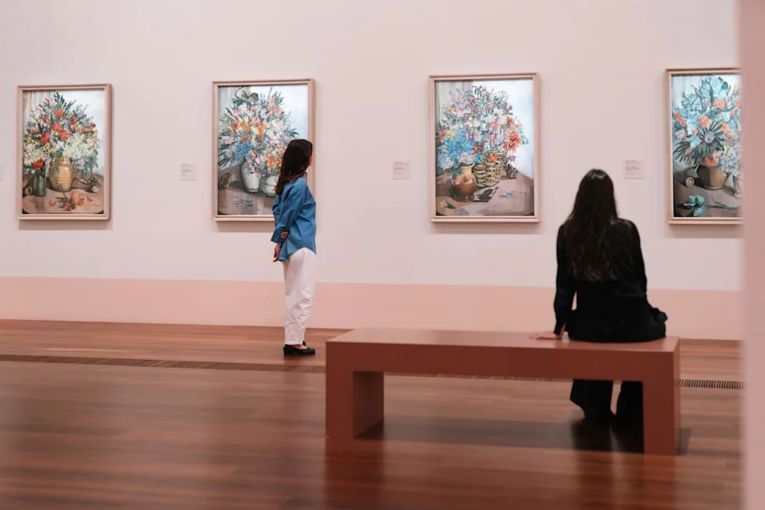
A key to the success of Sydney Contemporary, apart from its smooth management of visitor hospitality, was the sheer variety of contemporary art options on offer, testifying to the healthy pluralism of Australian art today. This is a world away from the highly selective filtering of contemporary art practice that we see in events like the recent Adelaide Biennial and Sydney Biennale, both of which showed signs of enervation resulting from a limited artistic gene pool. One noticeable trend at the fair was the high visibility of paintings and sculpture, and the relative absence of installation art. As one event organiser, Jay Mitchell, has commented, “Painting feels really alive and incredibly contemporary … at a time when so much of our visual culture is digital and instantaneous, painting by contrast offers this compelling physicality.”
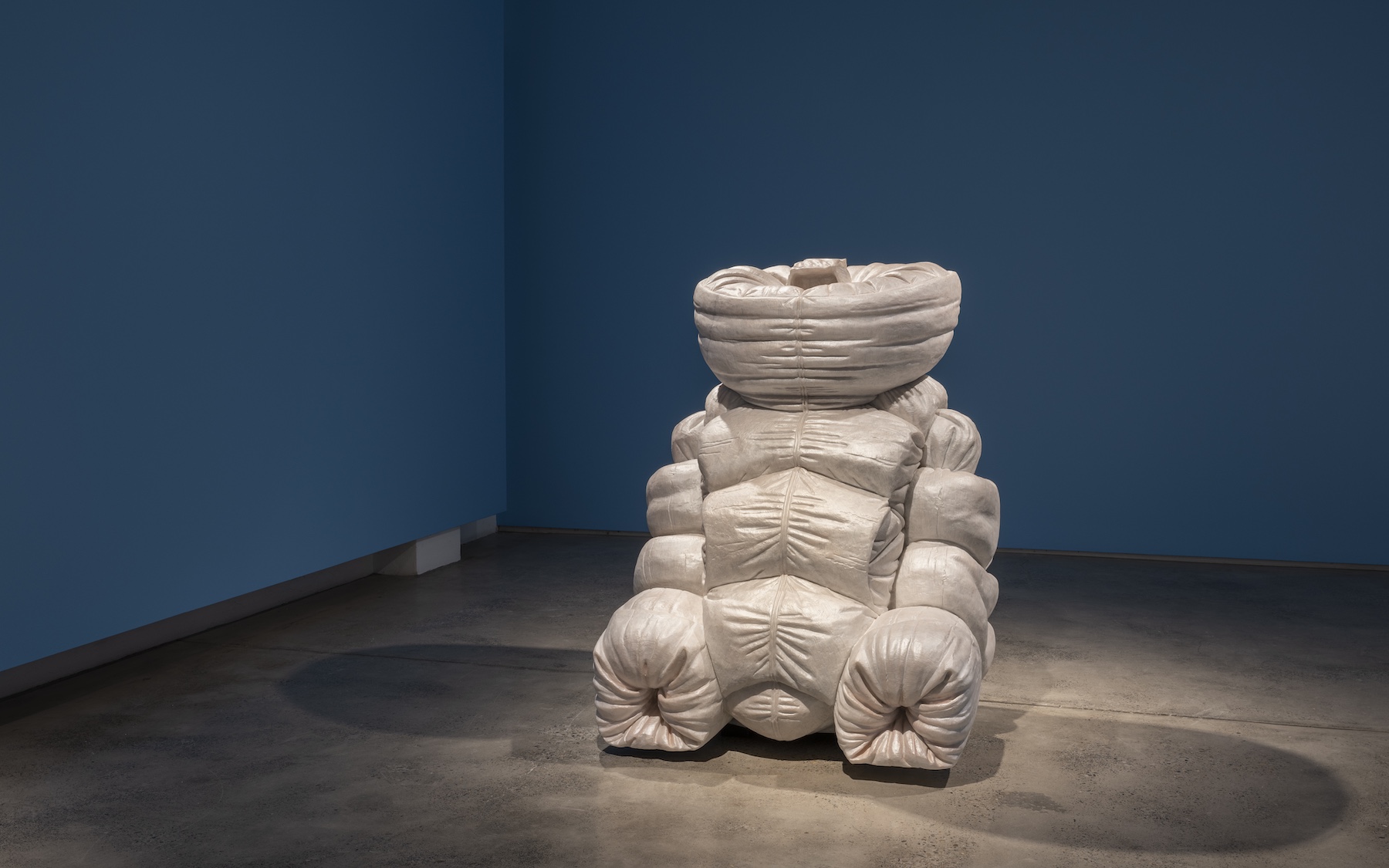
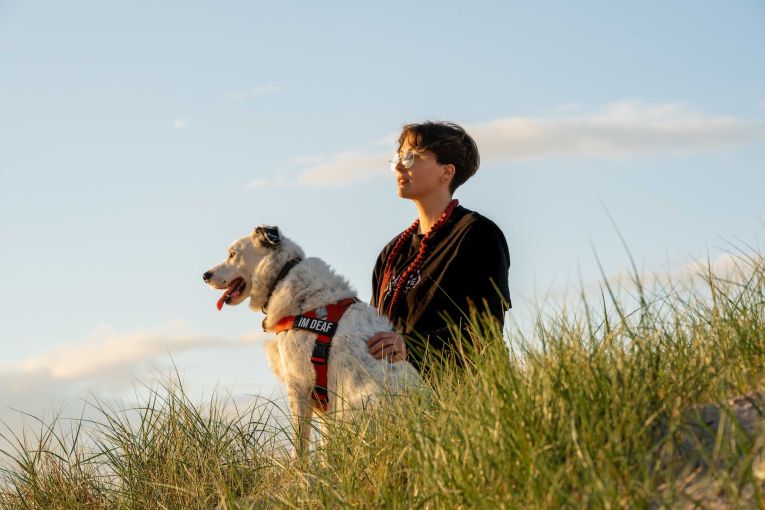
The other linked trend at Sydney Contemporary was the elevation of craft and skilled making across media, whether this applied to paintings, sculpture, ceramics or textiles. It was fascinating to hear sculptor Alex Seton (Sullivan + Strumpf) whose giant marble puffer jacket, A Person of Substance (Life Size) 2025 was one of the commissioned installations, discuss the sheer skilled toil of marble carving and his belief that the hand-finishing in his art meant that AI was not an imminent threat. On the same panel, First Nations artist Grace Lillian Lee (Cassandra Bird Gallery), who is known for her innovative wearable designs using the Torres Strait Islander ‘grasshopper’ weaving technique, discussed her approach to undertaking commissions for Parisian fashion designer Jean Paul Gaultier.
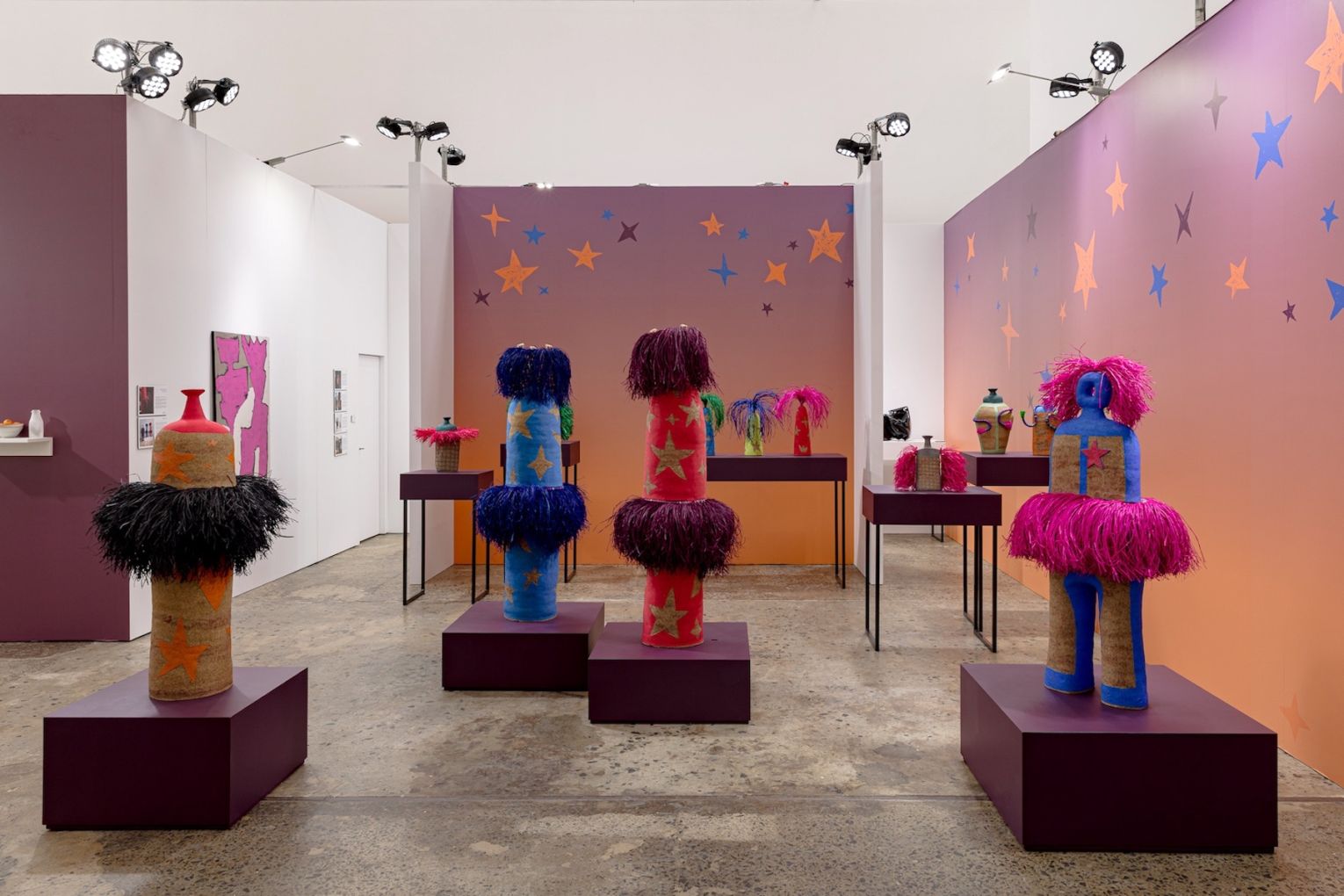
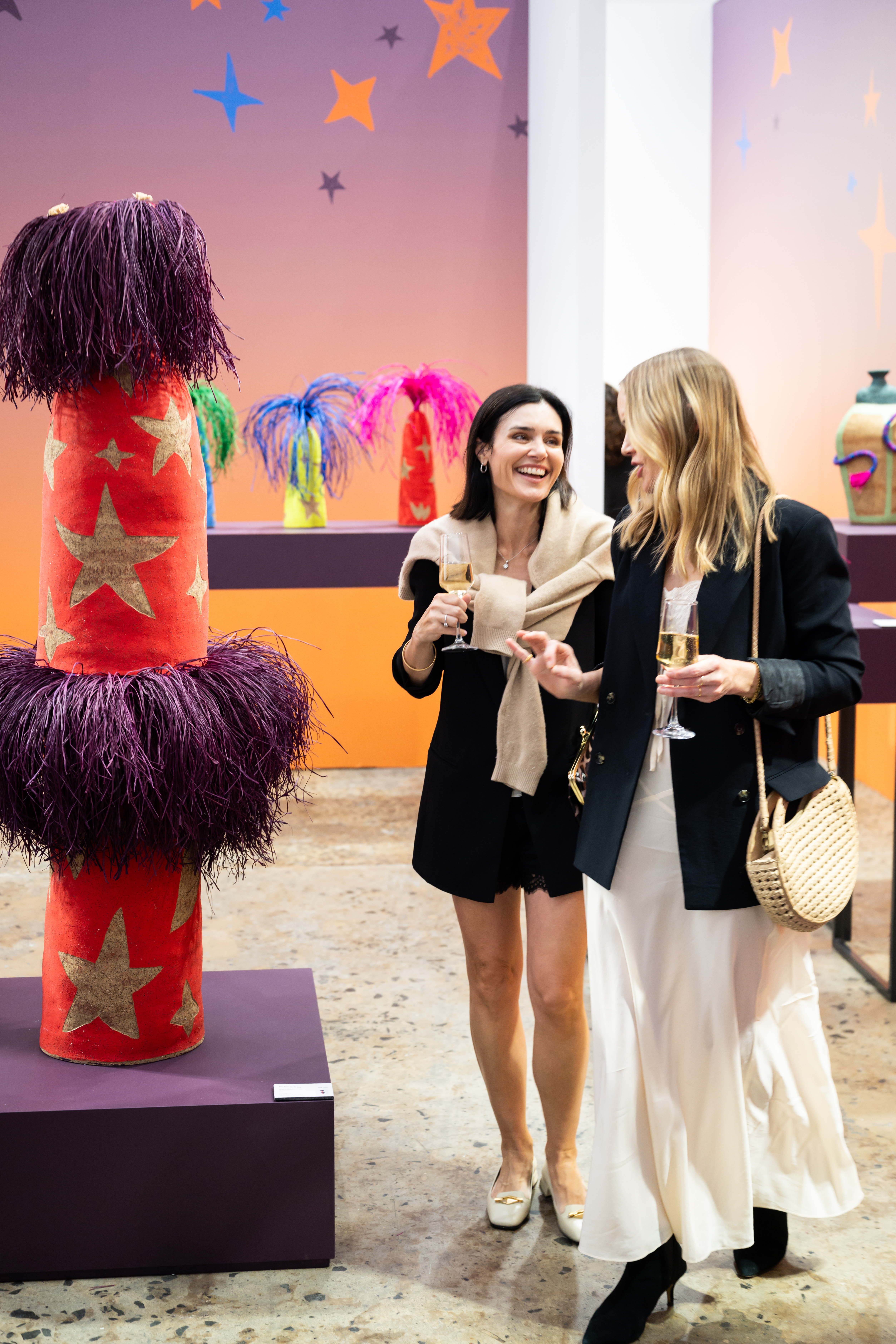
Everywhere at the art fair there were large ceramic vessels and sculptures, including striking hand-painted earthenware forms by Kaantju and Umpila artist Naomi Hobson (Rebecca Hossack Gallery) and the gloriously garish, wonky forms of Ramesh Mario Nithiyendran (Sullivan + Strumpf). Adelaide-based Arrernte artist Alfred Lowe (Sabbia Gallery) was the outstanding performer in this field of high-vis ceramics, with his theatrically staged exhibition of hand-built clay and raffia figurative forms, The Stars are Blind selling out at the VIP opening. Lowe previously won the MA Emerging Artist prize at Sydney Contemporary 2024, and the Rigg Prize, National Gallery of Victoria 2025, and is on a fast-rising trajectory that show no signs of slowing. On a cautionary note, the novelty appeal of Lowe’s distinctive, gaily coloured ceramics may be a flash in the pan with fickle art collectors, so it will be interesting to see where he takes things in his next body of work.
Subscribe for updates
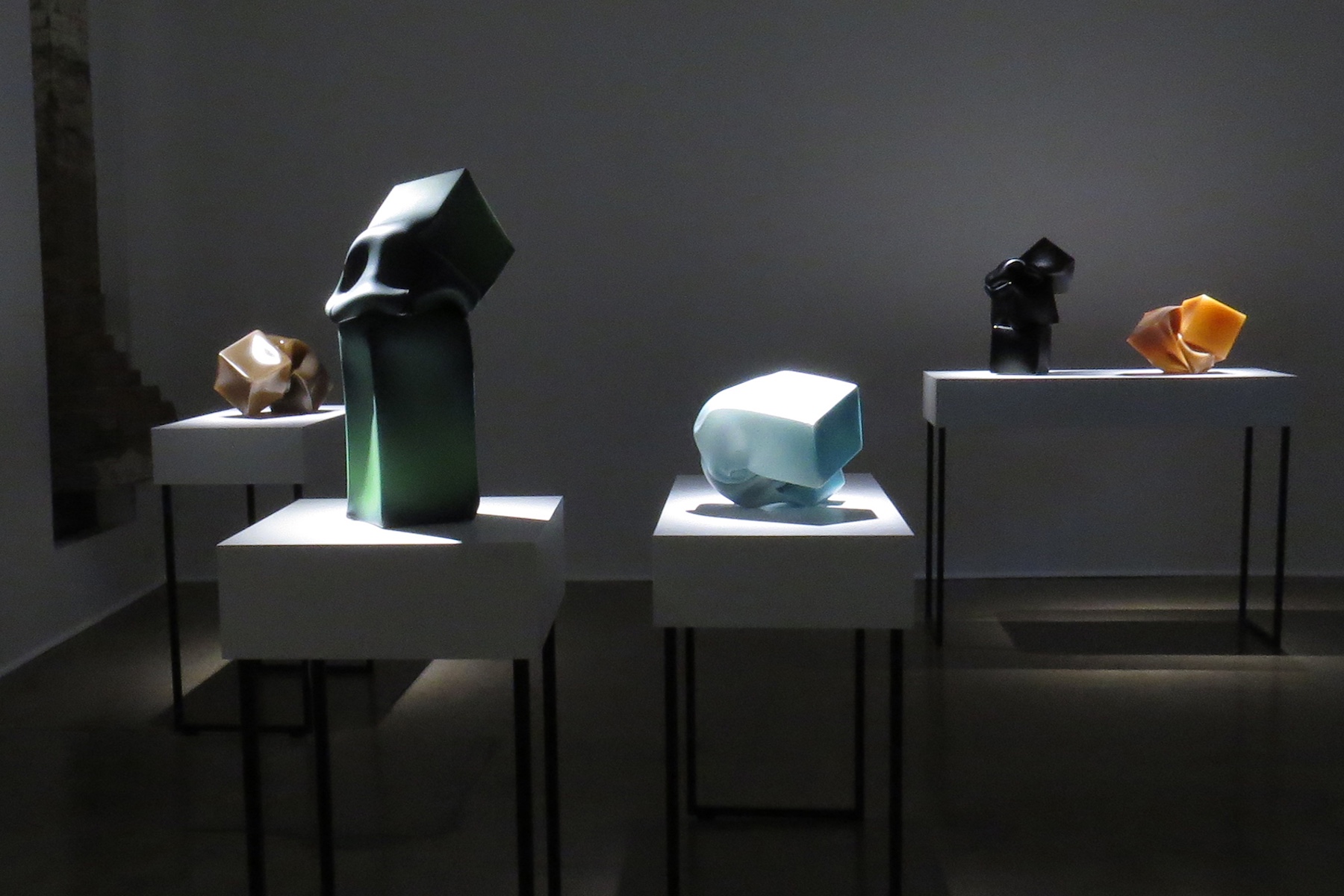
At its nearby Redfern Gallery, Sabbia also presented a virtual sell-out exhibition of Adelaide glass artist Liam Fleming’s superbly realised glass sculptures, with an additional two pieces on display at Sydney Contemporary. In recent years Fleming has been refining and extending his technique of allowing the mould-blown and kiln-formed glass to collapse, crease and fold over itself. Some of his earlier work in this vein was shown at AGSA in 2023. His latest work at Sabbia is characterised by glorious opaque and semi-opaque colours such as caramel, chocolate, mint and liquorice, eliciting suggestions of super-sized edible confectionary.
In contrast to these extrovert forms, there were slightly more restrained works by the other Adelaide artists at Sydney Contemporary. Angela Valamanesh’s Morticia’s Eggs 2025, an upscaled ceramic ‘necklace’ of glazed ceramic beads, was given a prime spot in the booth of her Sydney gallerist Sally Dan-Cuthbert, hanging on a central wall and cascading across the floor. Prominent Sydney gallery Martin Browne Contemporary included four pieces by Adelaide glass artist Jessica Murtagh, whose glass has also been on display at JamFactory over the past couple of months.
At Hugo Michell Gallery’s booth there were paintings by Sydney artist Ildiko Kovacs and exquisitely crafted mixed media wall works by Adelaide artists Julia Robinson and Amy Joy Watson, with a small, rotating display in the Annex at the rear of the booth by a range of artists including ceramicist Sam Gold. The Gallery has reported that it was their best art fair yet, with Watsons’ work selling out and strong institutional interest in Robinson. Both these artists share a meticulous yet subversive approach to their textile-based art practices.
Sadly, of the 100 galleries participating in the fair, only two were from Adelaide, namely Hugo Michell and the APY Art Centre Collective. This is a dismal statistic for representation of Australia’s fourth largest city, while being confirmation of what most in the art world already accept, namely that the Australian art market is dominated by Sydney and Melbourne. To compound the depressing situation for Adelaide artists and galleries, the art fairs in those cities and internationally draw would-be local collectors away from Adelaide to acquire art on annual or bi-annual buying sprees. Stephanie Grose, a prominent Adelaide collector is quoted in the art fair’s media release, saying “As collectors we will continue to come to Sydney especially for Fair week and the increasing number of activities built around the event across Sydney. A really important calendar event for the visual arts in this country”.
The challenge for those involved in Adelaide’s contemporary art ecosystem is to strategise on how to generate here in this city some of the cultural and economic vitality that was so evident at Sydney Contemporary. The art fair was a compelling indication that art is not a minority elite pastime – and a reminder to our state’s leaders that there may well be as many art lovers as rev heads. The overwhelming success of Sydney Contemporary demonstrates that contemporary art, when packaged in a consumer-friendly format, is popular, accessible, and contributes to the cultural and economic vitality of an Australian cosmopolitan lifestyle.
Sydney Contemporary ran from September 3-6 at Carriageworks
Want to see more stories from InDaily SA in your Google search results?
- Click here to set InDaily SA as a preferred source.
- Tick the box next to "InDaily SA". That's it.
Free to share
This article may be shared online or in print under a Creative Commons licence