For ceramicist Sam Gold, nothing is fixed: ‘If a crack appears, why not record it?’
Ceramics can hold more than your next cup of coffee: as artist Sam Gold explains, it’s a hands-on metaphor for how we live and relate to one another.

The biggest revelation of Sam Gold’s artistic life didn’t arrive in a studio, or a gallery, or behind a pottery wheel.
“I was massaging my mum,” the award-winning artist tells InReview. Gold had been their mother’s primary carer from a young age, learning and performing massage therapy and hydrotherapy while also pursuing their creative practice in contemporary art and furniture design, and working as an art therapist.
“I was doing the pinch in a particular fold to get through a ropey tension in her shoulders, and I was like, ‘This is actually how I make my work’,” they explain.
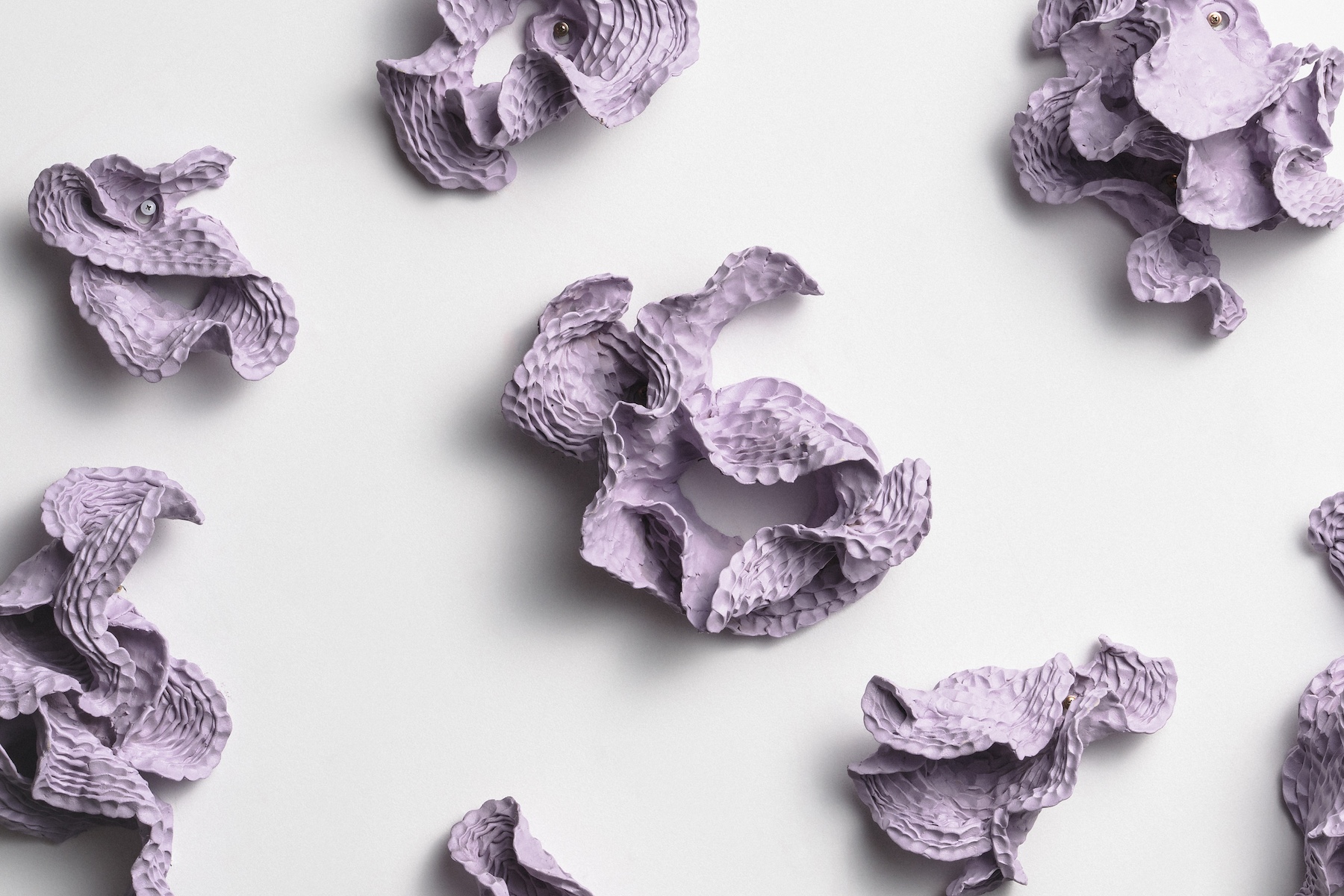
The idea of clay as a proxy or extension of the body has been folded into Gold’s artmaking since they properly began to embrace ceramics in 2018. While no two pieces are the same, Gold’s work often resembles coral- and mineral-like forms that warp, bend and buckle, their surfaces stippled by Gold’s carer’s fingers as they intuitively pinch, knead and work the material.
“It breaks, it blends, it builds; there are certain times you have to give it some rest,” Gold says. “It has these sensory-based qualities, as well as behavioural qualities, that really echo lived experience.”
You might like
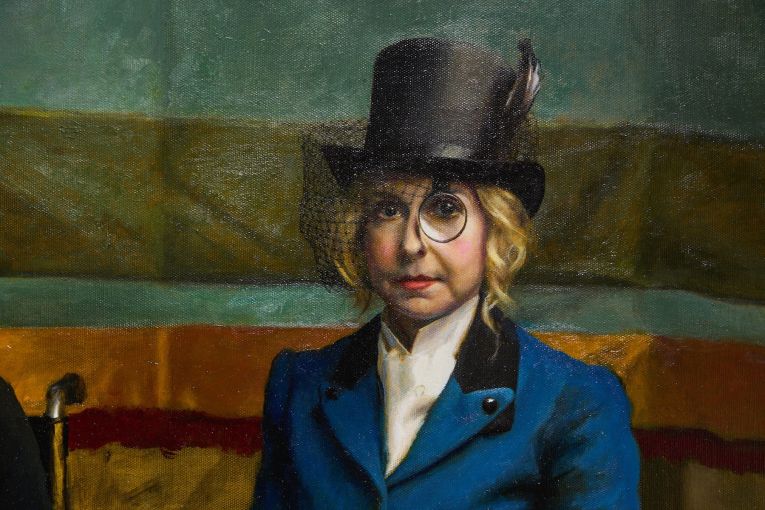
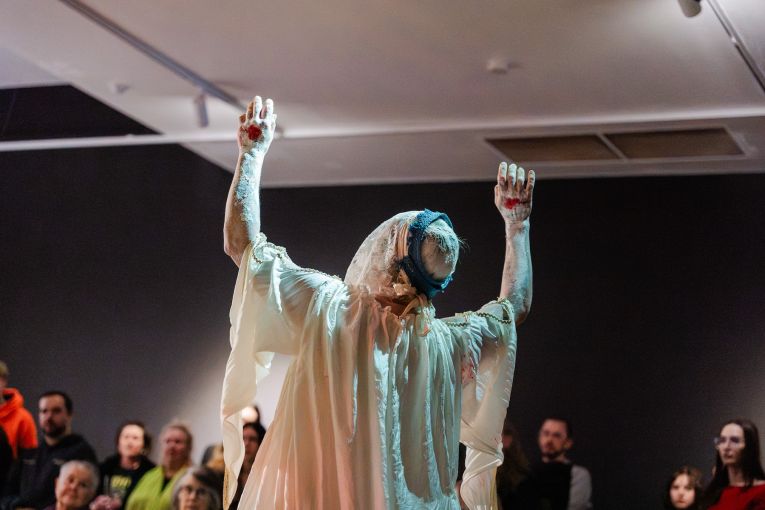
Gold’s most recent body of work Soft, Until It Burns, uses a mix of ‘dirty porcelain’ and ‘thirsty stoneware’, materials that, in Gold’s telling, can take on a life of their own.
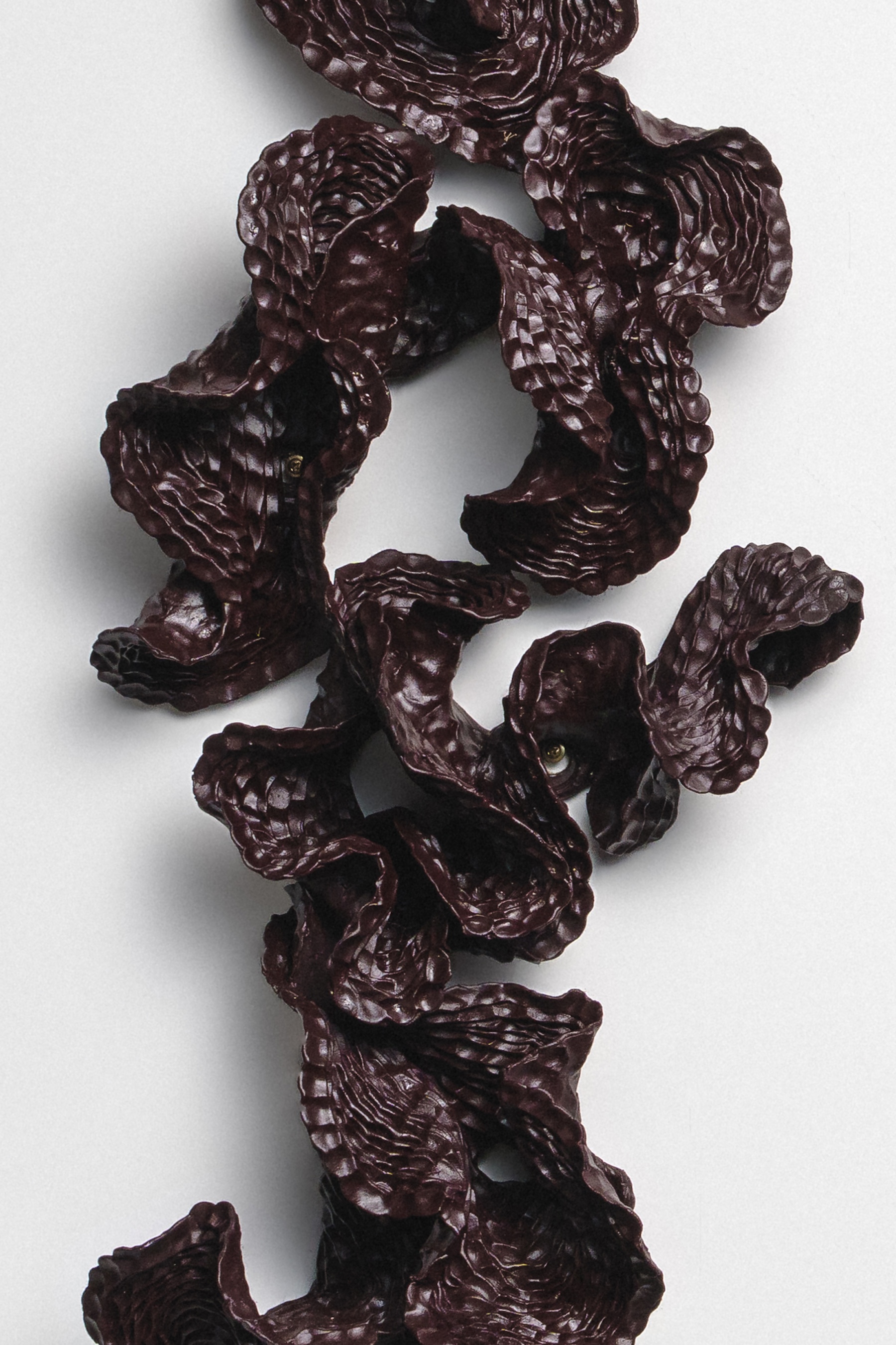
“For me, when it comes to understanding the language of what clay does, and how expansive it can be, it’s to understand all the elements involved in that body.
“Porcelains are strong in my work; it’s buttery, it’s tempestuous, it’s full of sass. It wants to be made, and then you have to have a long lunch break. It takes so much from you and its environment, and then it wants to rest.”
While stoneware is often a grittier, more reliable form, it too can change its character, from the “alchemical impact” of heat to the ebb and flow of water: “Water is like breath, it moves in and out of the clay body.”
"I often say, just let the leaves fall where they land. If a crack appears, why not record it?"
Subscribe for updates
Gold says such responsive materials force the maker to tune into the smallest details, from how a misplaced “flick of your wrist” by just millimetres can change a work’s final form, to the way human hands subtly sap moisture from the clay. It’s something Gold’s students sometimes take time to comprehend – that their body, and the material, are working together in a way the sculptor can’t immediately appreciate or control.
“I often say, just let the leaves fall where they land. If a crack appears, why not record it?”
For Gold, it means each work is a reflection of their own identity and presence: “Porcelain really takes my thumbprint … it’s always going to be an archive.”
It’s little coincidence that the past eight years of Gold’s practice has also dovetailed with a growing appreciation of their own experience of the world as a trans non-binary person.
“All it does is transition,” Gold says of clay’s ‘inherently trans’ nature.
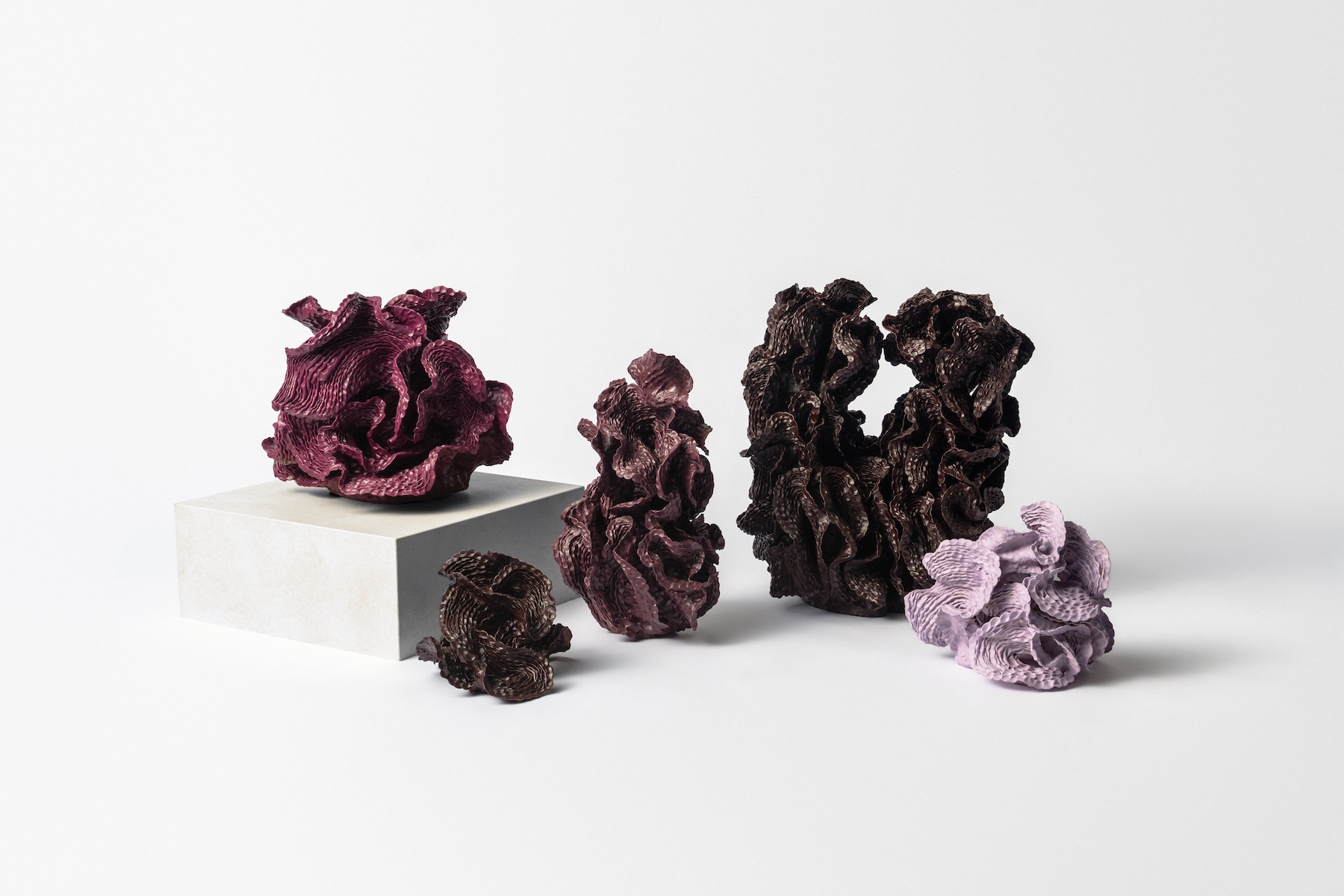
“It doesn’t ever stay in one set binary; it’s not just a soft malleable clay body. It goes through [stages] like greenware, leather-hard, bone-dry, then first firing, and then your final firing. But then it can be completely ground down and brought back around.”
While Gold is keen to explore other mediums beyond the recognisable ceramic work that has become their signature, it will always be a part of the family.
“I tend to find the easiest way to explain clay is as if you’re explaining relationships – if you take everything I’ve just said as a metaphor for conflict with a loved one. Maybe if there’s dampness, we’re not going to put it near a fire. Give it some space, give it some time to breathe, let it set, and once it’s ready, you can come back.”
Sam Gold: Soft, Until it Burns is on display at Hugo Michell Gallery until October 3
Want to see more stories from InDaily SA in your Google search results?
- Click here to set InDaily SA as a preferred source.
- Tick the box next to "InDaily SA". That's it.
Free to share
This article may be shared online or in print under a Creative Commons licence