‘The music was in me’: Kankawa Nagarra’s long road to music stardom
Kankawa Nagarra was 80 years old when she won the $50,000 Australian Music Prize. Ahead of her WOMADelaide debut, the Walmatjarri Elder, Stolen Generations survivor, and singer songwriter reflects on her “extraordinary journey”.
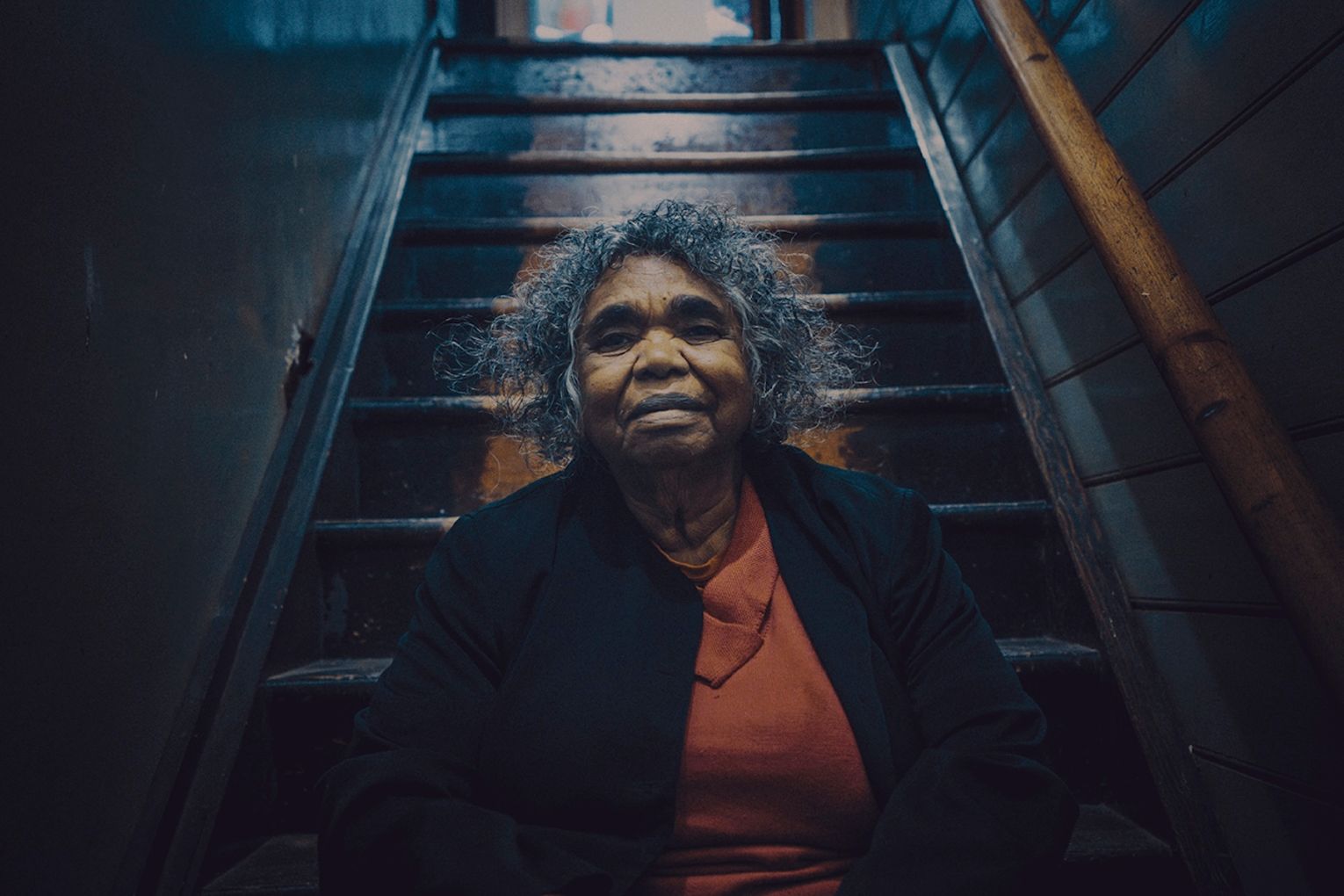
Kankawa Nagarra can vividly remember the first time she heard the sound of an acoustic guitar. She had been living and working on a pastoral station when one evening hawkers arrived bearing hand-cranked gramophones and LPs by country singers like Slim Dusty and Buddy Willliams.
“It made me feel good,’ Nagarra tells InReview. “Listening to those country singers, I thought, ‘Well, this is me somehow.” The music was in me, already there in my spirit – and all I needed to do is get to it, and to pursue it.”
Nagarra was no stranger to song; growing up on Gooniyandi and Walmatjarri Country in the Kimberley region, some of her earliest memories are of hearing the men and women of her community sing in language. “You’d hear them in over and over again, these traditional songs that were sung every night more or less – some for entertainment, and some for ceremonies.”
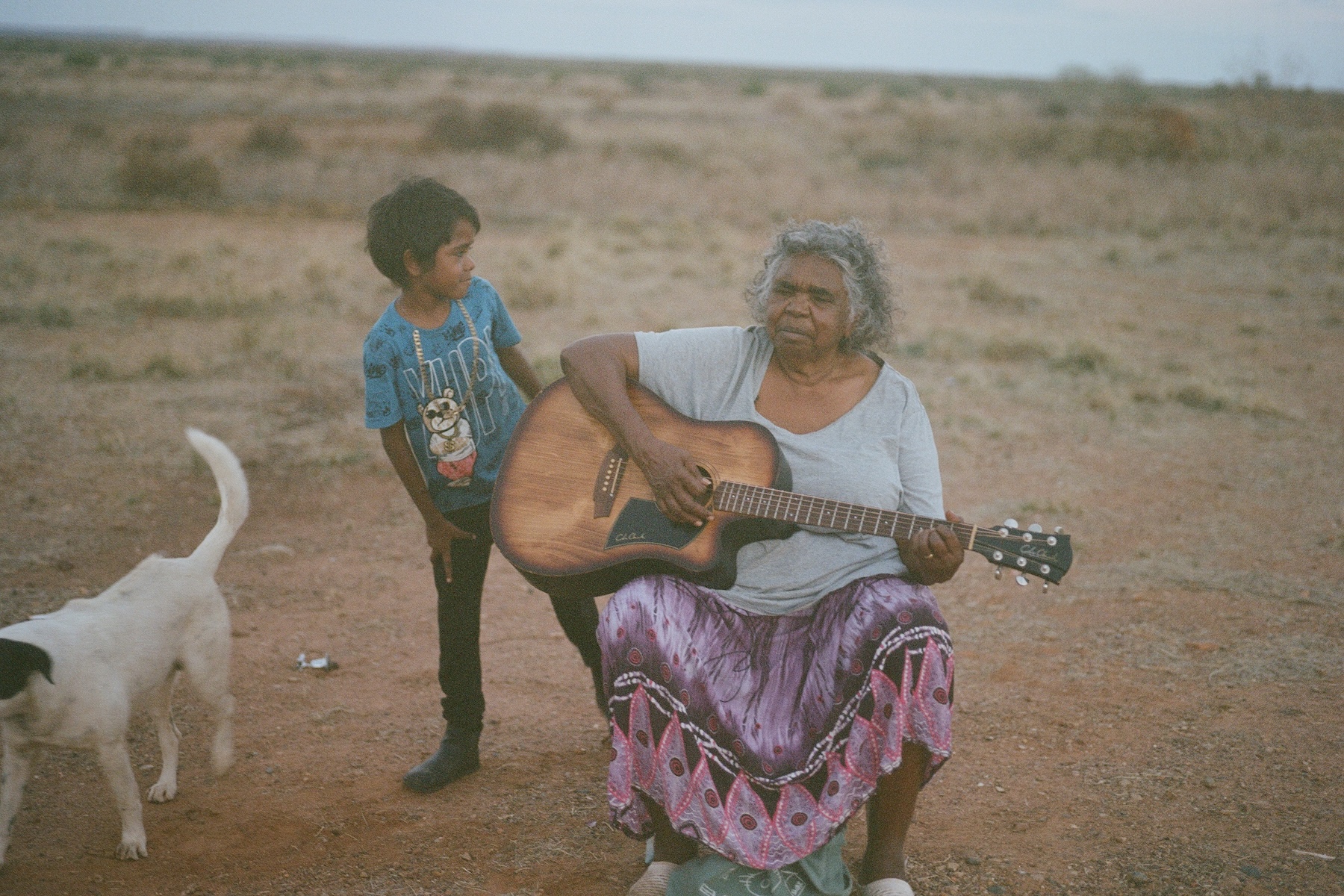
Until one day, when she was eight years old, everything changed. She was sitting on a log in Fitzroy Crossing, waiting for her parents to finish work.
“I was playing outside and all that, when a mission truck pulled up and asked me to come to the mission,” she recalls. “And without the permission of my parents, they put me on.”
At the time, Nagarra says, she didn’t speak a word of English. “I thought yes was no and no was yes… so I said ‘Yes’, and soon after, lo and behold, I was told to hop onto the truck and then go off to the mission, where I was locked away – padlocked away and cried all night.
You might like

"One glorious night, my-brother-in law got hold of the instrument, and I just went over to him and said, ‘Please, please, please, teach me some country riffs’."
“My mother tried to find me,” she says. “I saw her standing outside of the fence and crying, you know, and wondering what, what had happened to me.”
For a time, the only songs she heard were hymns – anything else was considered “the devil’s music”, until that day at the station when hawkers arrived with the gospel of Slim.
“When I heard those LPs and I heard this particular instrument called the guitar, I thought, ‘My word is, this is an instrument that I want to see and maybe even play.”
That moment came much later, when another young man brought an acoustic guitar to the station. As the men crowded around him, Nagarra was initially consigned to the sidelines – according to cultural protocol, only men were allowed to touch wooden instruments. She didn’t take no for an answer.
“One glorious night, my-brother-in law got hold of the instrument, and I just went over to him and said, ‘Please, please, please, teach me some country riffs’. I wanted to just hold the instrument, because the love was so strong for it, and all I wanted to do is just hold it in my hands.”
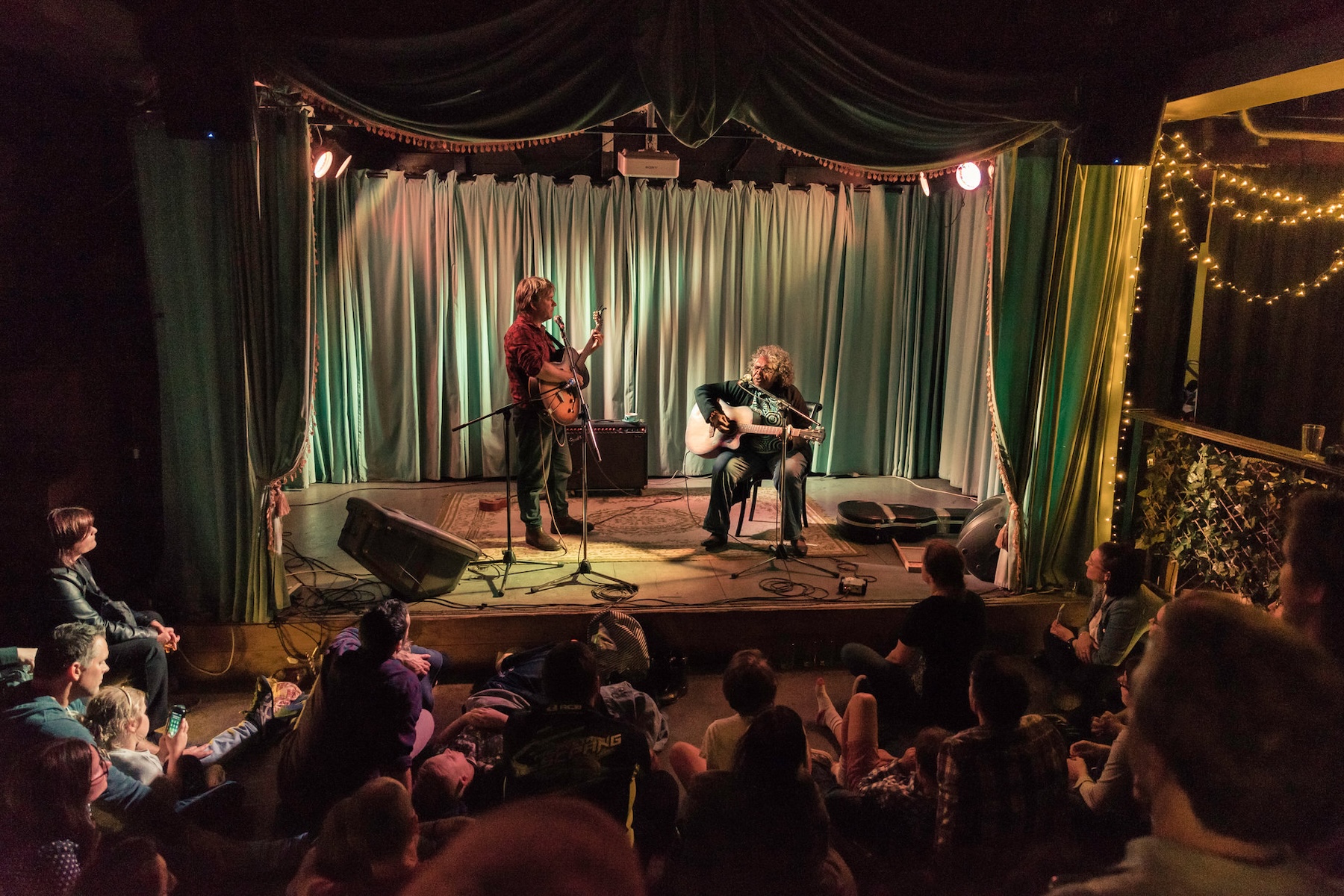
She eventually got a guitar of her own, and began writing and playing the music that was in her all along. Her late-in-life career as a blues and country artist even saw her perform with Hugh Jackman, before she was recognised with one of the Australian music industry’s highest honours when her album, Wirlmarni, pipped the likes of Nick Cave and Amyl and the Sniffers to win the 2024 Australian Music Prize. Nagarra was 80 years old when she won the $50,000 prize.
Subscribe for updates
The album was produced by folk singer Darren Hanlon, who had previously taken Nagarra out on tour. He pitched her an idea: they would eschew the studio and record her out in the open, on Country.
“We definitely tested the insurance Ts and Cs on the hire car getting to some of these places,” Hanlon told InReview last year. “They were just special spiritual places she wanted to go to – one was a dry creek bed on the station near where she was born, another was on the banks of the Fitzroy River, and just outside her house.
“That was really fun, because we had all her great grandchildren running around while we were recording. The magic of the album is these special places.”
Nagarra wasn’t too sure about Hanlon’s “very stripped down” proposition, but warmed to the idea of playing without a band – “a bit too noisy,” she says.
“As I said to Darren, I don’t think we’ll make it with this album – all I had was this sound of nature. There’s lots of noise, my grandkids are there, and at one stage we visited some women who camped on the river, and they were wrapping kangaroo tail in alfoil to cook the tail. The rustle of the foil was recorded in.”
Singing in English and in language, the pair recorded enough material for three albums. They whittled it down to 12 tracks, released through Hanlon’s own label Flippin Yeah Records and independent American label Mississippi Records, in a record as unique as anything those hawkers brought to the pastoral station.
She was floored when Wirlmani won the Australian Music Prize, and looks forward to sharing her songs, her stories, and some overdue “truth-telling” on her current festival run that will see her perform at WOMADelaide and Port Fairy Folk Festival in March.
“It was a big surprise that evening, I cried tears,” she reflects of the win. “What an extraordinary journey… it’s just awesome.”
Kankawa Nagarra plays WOMADelaide on Sunday March 8, with a Q&A workshop on Monday March 9

Want to see more stories from InDaily SA in your Google search results?
- Click here to set InDaily SA as a preferred source.
- Tick the box next to "InDaily SA". That's it.
Free to share
This article may be shared online or in print under a Creative Commons licence