Drought-battered farmers still ‘irked’ by net-zero push
A new SA grain producers survey reveals surprise findings over the state government’s emissions goal with one industry chief telling what “irks” farmers.
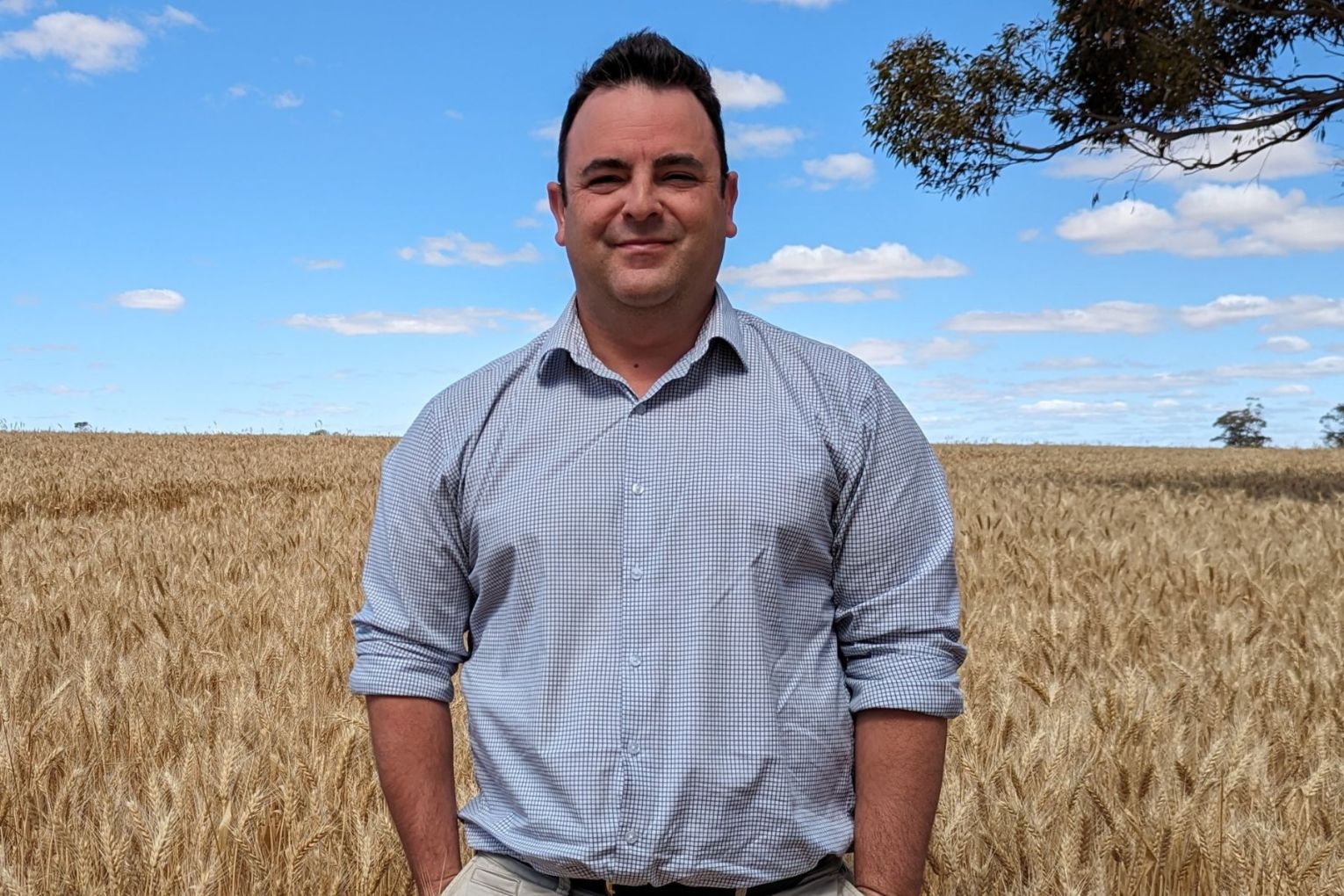
A new survey of more than 1000 South Australian grain producers found 79 per cent of respondents did not support the state government’s goal of reaching net zero emissions by 2050.
Just eight per cent were in favour, with 13 per cent unsure, according to Grain Producers SA’s 2025 Annual Grain Producer Survey Insight Report.
The report was conducted between December 2025 and March 2026 and surveyed 1046 respondents – a “record number” according to GPSA.
It found farmers remained generally optimistic about the future, but there was still “enormous strain” on farm budgets in 2025, GPSA CEO Brad Perry said.
The year was punctuated by drought, with ‘climate stress/drought’ listed as the number one challenge reported by growers.
The survey found 72 per cent of growers were affected by drought in 2025, and 95 per cent of those affected experienced financial impact from drought, while 85 per cent said the drought affected yield reductions.
But 42 per cent of respondents said their farming operations were not being impacted by climate change, in contrast to 33 per cent saying climate change was having an effect and 25 per cent were “unsure”.
You might like

And just eight per cent of respondents were supportive of the state government’s goal of reaching net zero emissions by 2050 in a bid to tackle climate change – the survey showed 79 per cent were not supportive.
Farmers said they were concerned that the goal would impose financial and red tape burdens on businesses, and that they were an “easy target”.
Perry said respondents were reluctant to go “all guns blazing on net zero emissions just for the sake of ticking a box”.
“We’ve got to make sure that if we are reducing emissions, that it’s actually viable for grain producers to continue farming,” Perry said.
“I think it’s the acceleration of trying to reach a particular target that irks grain producers, because just trying to tick off a number can have huge ramifications for the realities on a farm and when it comes to drought years everyone’s just really trying to survive.
"Meeting net zero emissions is certainly not at the top of your mind when you’re trying to survive."
And 80 per cent of grain producers were experiencing mental health and wellbeing impacts due to drought – 14 per cent indicating a “significant” impact to their health and wellbeing.
Perry said there were some “heartbreaking” responses to the survey, “whether it’s farmers having to choose whether they put a crop in or not and whether they can get enough money to put food on the table for their families”.
Stay informed, daily
“Mental health and wellbeing is something that we’re focusing on and trying to address as best we can.
“The flow-on effects of drought are huge, right along the supply chain and into the social aspects of life. That’s something that we need to keep talking about.”
But farmers were generally optimistic about the future – almost 50 per cent saying they were ‘positive’ or ‘very positive’, though this was lower than 2024’s result when 63 per cent indicated a positive sentiment.
“Confidence remains fairly steady for the longer term,” Perry said.
“Given there’s been so many challenges, whether it’s weather-related, whether it’s cost-related, it really shows that farmers are adapting.”
Recent drought-breaking rainfall was “fantastic to see”, Perry said, “we’ve got green everywhere, which does certainly raise spirits”.
“But we also know that it’s been a very expensive crop to put in.”
With the survey taking a rearview look at 2025, it did not contemplate the current pressures on the industry like the impact of the Iran conflict prompting skyrocketing fertiliser and fuel prices.
But the survey did show fertiliser was the highest cost for 46.9 per cent of farmers, followed by chemicals (26.8 per cent), machinery (9.2 per cent) and fuel (6.7 per cent).
“Our annual survey showed that fertiliser was already the highest cost on farm, and then suddenly you have the impacts of this big war that shoots prices up even further,” Perry said.
“You can imagine farmers are already stressed about those input costs and suddenly that’s gone right through the roof and impacting potentially any profit they might make.
“We are really operating in a tight margin space at the moment, where cash flow is limited after drought.”
Environment Minister Emily Bourke has been contacted for comment.
Want to see more stories from InDaily SA in your Google search results?
- Click here to set InDaily SA as a preferred source.
- Tick the box next to "InDaily SA". That's it.