SA on track for net zero despite ‘catastrophic’ forecasts
Exclusive: South Australia is on track to achieve net zero by 2050, a new report finds, but warns temperatures could reach “catastrophic” levels if risk areas aren’t addressed.
SA is on track to reduce emissions by at least 60 per cent by 2030, with leaders confident despite projections that temperatures could hit hazardous levels by 2090.
The state has reduced net greenhouse gas emissions by 55 per cent since 2005 levels, according to the CSIRO’s 2022-23 data.
The finding comes as the 2024 Statewide Climate Change Risk and Opportunity Assessment, released today, forecasts extreme warming by 2090.
Average temperatures in SA have increased by nearly one per cent since 1960, and could go up a further 4.2 degrees Celsius by 2090, the new independent report warned.
Premier’s Climate Change Council chair Martin Haese told InDaily that though one per cent may not sound like much, any increase in average temperatures “always” translates into more extreme weather events.
You might like

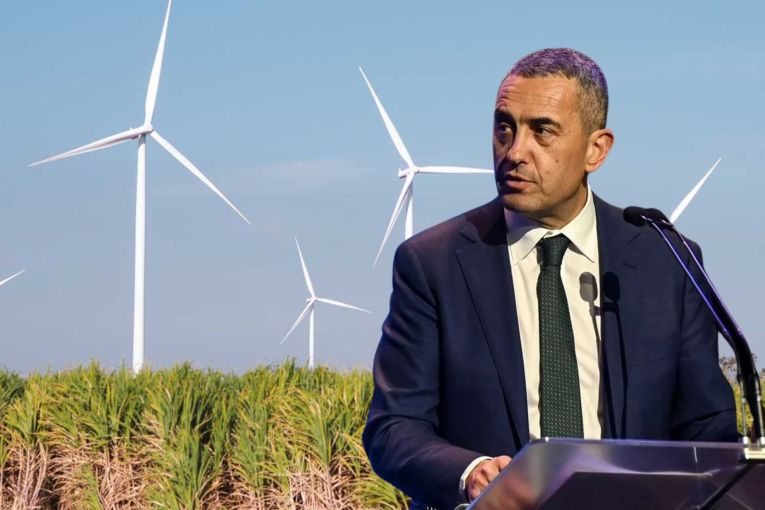
“To go up a further 2.2 degrees Celsius by 2050 and then to potentially go up to a further 4.2 degrees Celsius by 2090 – that is catastrophic,” he said.
The report, released by Environment Minister Lucy Hood today, outlines 35 risks to SA’s climate, 11 that are dubbed urgent.
Key risks included significant biodiversity loss, more intense coastal erosion, impacts on water availability and private and public insurance becoming unaffordable.
The 700-page report said warming oceans and nutrient runoff from bushfires or floods increase the likelihood of harmful algal blooms, but did not focus on data from the harmful algal bloom of 2025.
Stay informed, daily
Haese said while the report was “sobering”, it presented the state with opportunities to continue world-leading work.
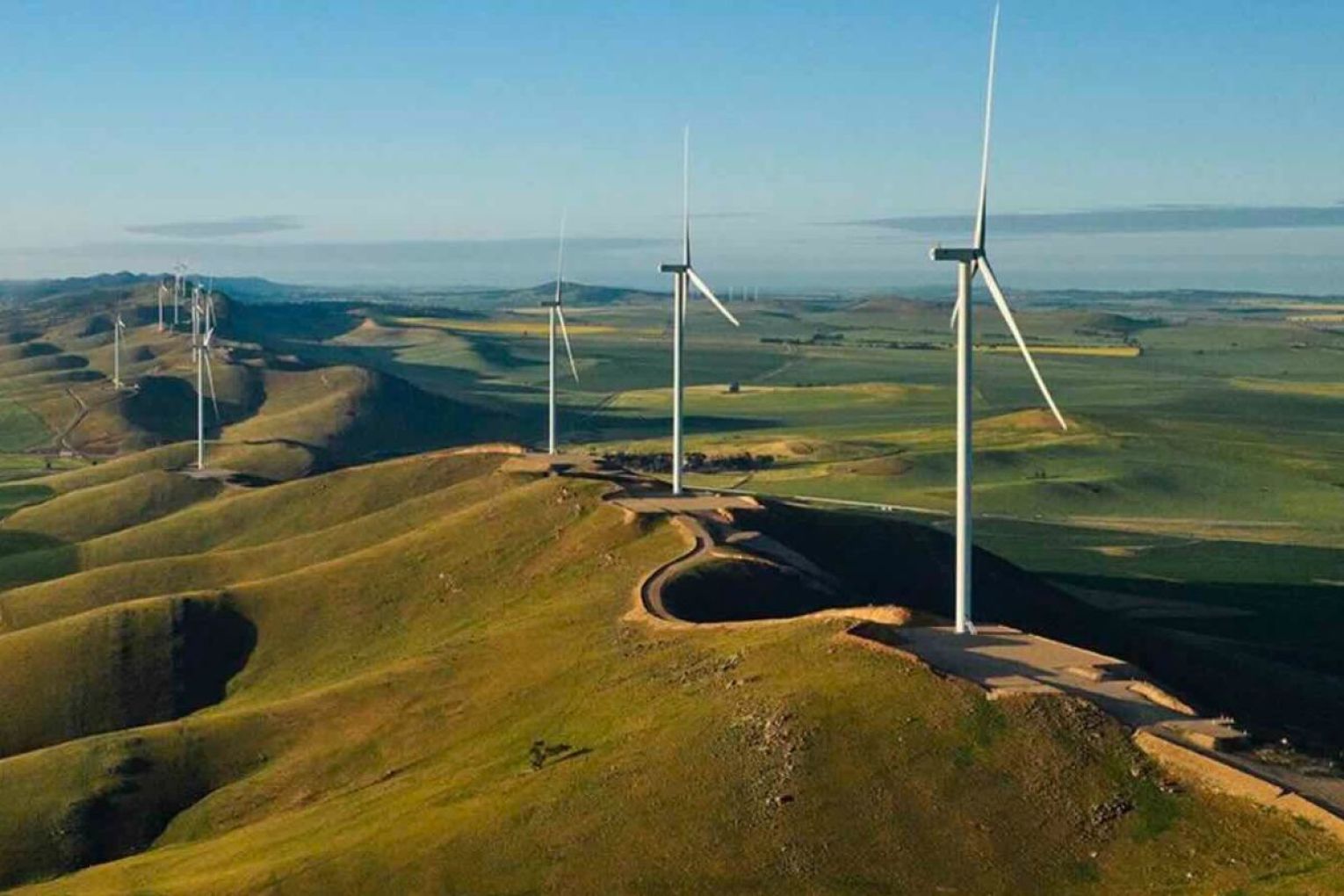
SA is on track to achieve 100 per cent renewable energy by 2027 – three years ahead of the scheduled 2030 target.
“It’s a very strong trajectory, and it’s not nation-leading, it’s world-leading, so that actually puts us ahead of Denmark but it’s not the only thing we need to do,” he said.
“This is a sobering report, and we don’t shy away from that. Some of these risks are still major by 2050, and they are extreme by 2090 and this report is designed to prompt action.”
The report, prepared by Deloitte, is a first-of-its-kind document produced after legislation passed in March that called for stronger government planning and risk assessment on climate change.
Environment Minister Lucy Hood said the report would inform government decision-making on climate.
“The statewide assessment gives us a clearer picture of the challenges and opportunities ahead, highlighting priorities to become more climate resilient,” she said.
“South Australia is a global leader in renewable energy and climate mitigation and we are determined to meet our ambitious targets.
“From passing the state’s first Biodiversity Act to establishing the Industry Climate Change Conference to help local businesses tap into opportunities available in a low-emissions future, our Government is turning climate action into an advantage.”
Haese said the Premier’s Climate Council would meet in February to discuss next steps for implementing the report’s recommendations across the 35 risk areas.
“I would definitely want this report to be an impetus for even greater change,” he said.
Want to see more stories from InDaily SA in your Google search results?
- Click here to set InDaily SA as a preferred source.
- Tick the box next to "InDaily SA". That's it.