SA wine mogul calls for mass vine pull, Barossa hotel set to rise soon
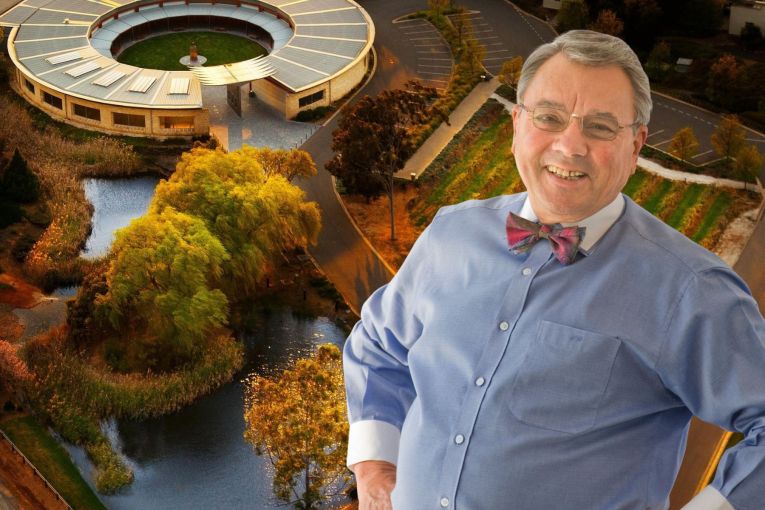
As his iconic Barossa Valley winery celebrates its 175th birthday, the man synonymous with South Australian vino has called for industry coordination to tackle oversupply in an exclusive InDaily interview.
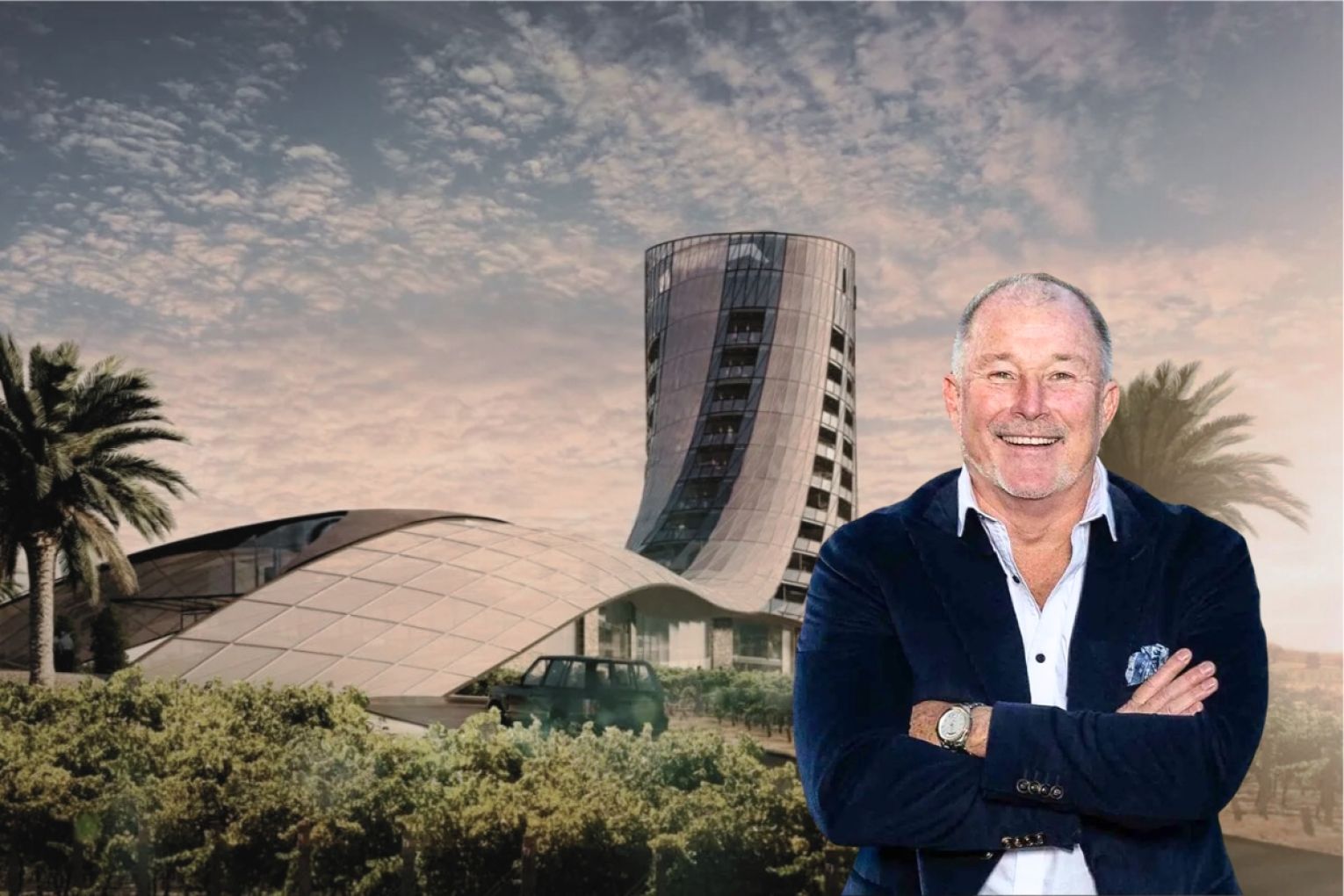
Amid celebrations of Seppeltsfield’s 175th anniversary, Warren Randall – the winery’s owner who prefers the title ‘custodian’ – admits the industry is going through the “hardest time I’ve seen in my 48 years”.
Recent data found South Australian wine exports to the rest of the world fell by 15.2 per cent to $1.1 billion as consumers pull back on drinking and red falls out of favour in China.
Meanwhile, wine grape prices are plummeting to historic lows, leading to an oversupply of product, while River Murray flooding and drought also have had an impact. The Riverland’s peak body — representing 900 growers — recently called on Premier Peter Malinauskas for help out of the “social and economic emergency”.
It’s grim timing for Seppeltsfield’s milestone. While the label has big plans this year to pop corks and cut cake, Randall has plenty of other things on his mind. A push into Western Australia is one of those, but vine pulling is the other.
Alongside Seppeltsfield, Randall Wine Group — the nation’s largest privately-owned luxury wine producer — owns biodynamic label Gemtree Wines, Penny’s Hill, 1 Pound Per Acre, The Black Chook and Thomas Goss.
Speaking to InDaily, Randall said he was “well-placed, because we supply some of the great labels as a third-party supplier in Australia… so we feel quite secure”.
“But if I look at the industry, it can’t feel secure.”
He said Australia needed to pull out a third of its vines to re-correct and “get back into balance”.
“If we don’t do that, we’ll remain in oversupply,” he said.
“Not Seppeltsfield because the Barossa is secure, as is McLaren Vale, but any vineyards outside that area, I probably need to remove a third of our vineyards.
You might like
“We need an industry agreement that we pull a third of our vines out. Trying to get industry agreement with private and public companies for that is extremely difficult, but unless we do, we’ll be in oversupply for a long time.
“It’s a very difficult time. It’s the hardest time I’ve seen in my 48 years.”
The Chinese export market has been deprioritised for Randall, he said.
Having completed 43 trips to China in the past, the mogul said, “I think that market is closed for the next three to five years”.
Instead, countries like Canada are opening up, and his 1 Pound Per Acre brand is taking off there, “thanks to President Trump”.
“We’ve got a shot straight for goal from 50 metres, and we intend to kick the goal every time,” he said.
Scandinavian markets are also hot — particularly Sweden, Norway and Denmark.
“It’s a tough market in the UK because it’s supermarket driven, and a relatively tough market in the US,” he said.
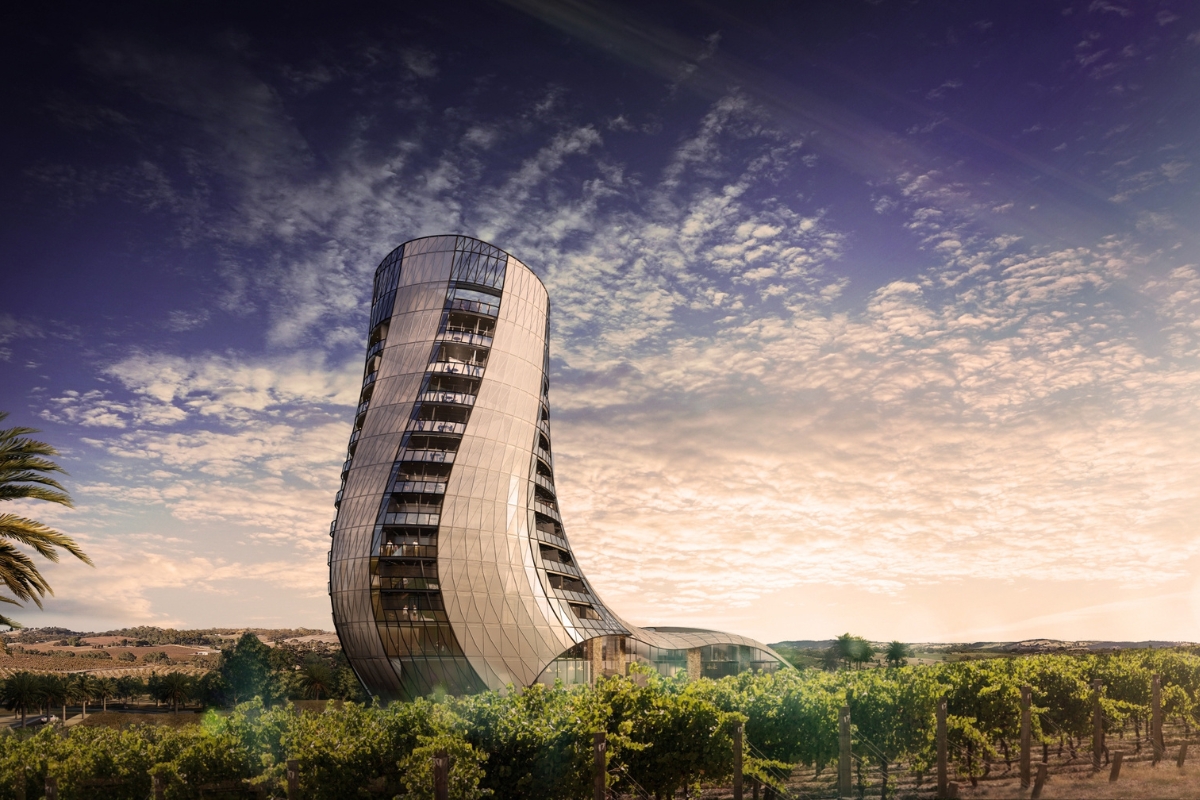
But he’s pushing ahead with a hotel at Seppeltsfield, nestled amid the vines and the iconic palm tree boulevard.
Colloquially dubbed ‘The Slug’, The Oscar Barossa 72-room six-star luxury hotel comes with a $50 million price tag and has faced community backlash but received council approval in 2022.
Randall said it was “the most significant icon and the most significant investment in the Barossa Valley in over 100 years”.
The first sod will be turned in Spring this year, he confirmed.
And he’s also recently acquired a 200-acre plot in Western Australia to grow Cabernet Sauvignon.
Stay informed, daily
“That’s looking at the future of Cabernet for the next 20 to 50 years,” he said.
175 years of Seppeltsfield
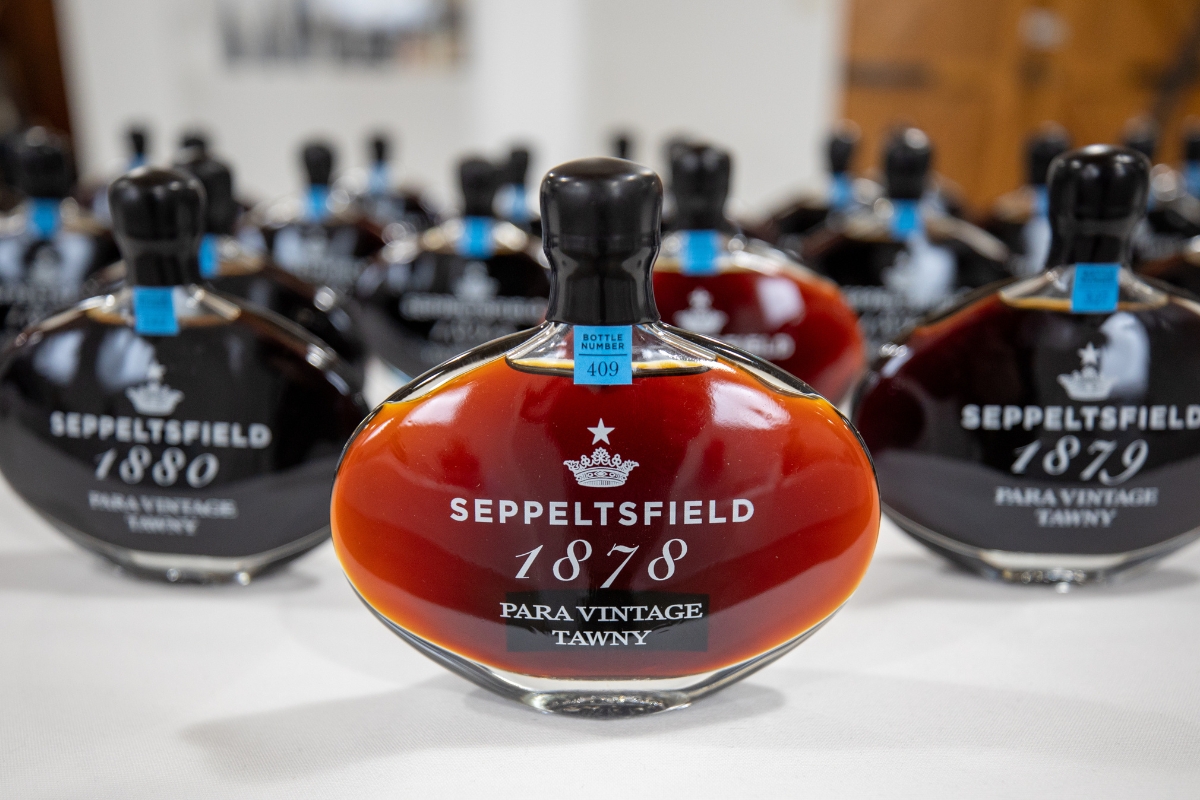
Seppeltsfield – established in 1851 – this year celebrates a major birthday, and plans on launching its 1926 100 Year Old Para Tawny – the 49th consecutive release from the Centennial Cellar.
It’s an important nod to the brand’s reputation as a fortified wine maker, which morphed with the times about two decades ago when it began to focus on the bottled table wine it’s known for making today.
Randall has been personally involved in Seppeltsfield for 17 years; “I never consider myself an owner of Seppeltsfield, I’m purely a custodian”, he said.
“It’s Australia’s iconic wine estate. South Australia was proclaimed in 1836, and only 15 years later, there was Joseph Ernst Seppelt who bought land in the Barossa to initially plant tobacco,” Randall said.
In 1850, Seppelt bought 80 acres for a section of land in the Barossa Valley for one pound per acre, and planted tobacco on the banks of Greenock Creek.
“Interestingly, you can still find wild tobacco on the banks of Greenock Creek through Seppeltsfield Estate, quite remarkable.”
Seppelt eventually realised the soil and climate were perfect for growing grapes, and by 1910, “it was the largest winery in the world”.
These days, Randall says the label makes “world-class” table wines.
“It took Seppeltsfield a while to pivot”, and took cues from Portugal to turn its grapes into dry red wine.
“I think Seppeltsfield sat there for a long time thinking they were the fortified kings and weren’t going to change, but the world did change, and we’ve been able to pivot to those table wines,” he said.
Alongside the next batch of its 100 Year Old Para Tawny — which sells for close to $2000 for a 100ML bottle — Randall will launch a Seppelstfield Sparkling Shiraz. It’s a nod to his own history in winemaking, having made a name for himself in the ’80s with the variety.
“I’ve had to go back into my mind to remember how to make a world-class Sparkling Shiraz, which is a unique product to the world,” he said.
“That will be a really special release, because I cut my teeth and made my reputation on the family’s assets in western Victoria in the ’80s, and here I am now on their stronghold and releasing a sparkling burgundy.”
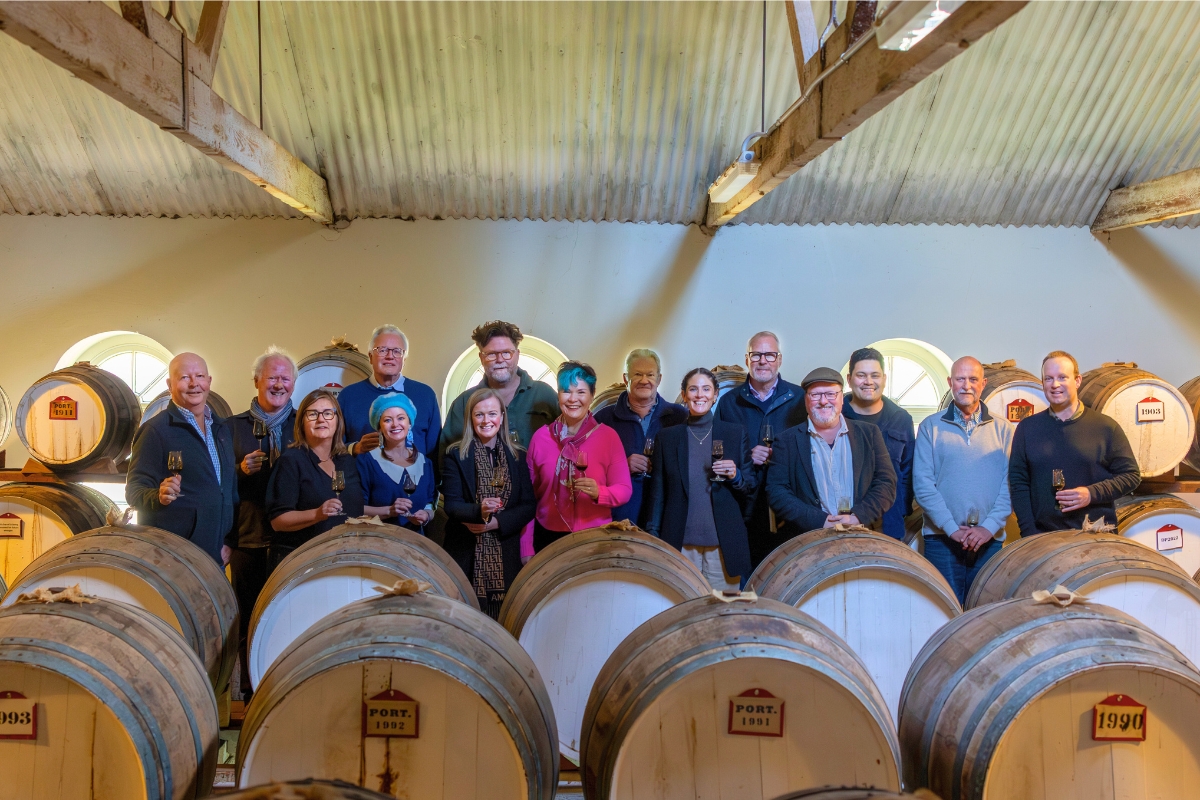
Also to honour the anniversary, Seppeltsfield invited a small group of global wine experts for a “once-in-a-lifetime tasting experience”.
They sampled every single vintage dating back from 1878 to 1926 — 49 vintages — to understand the ageing process of Seppeltsfield wines in the Centennial Cellar.
Chief winemaker Fiona Donald said she felt “incredibly privileged” to lead the tasting experience.
“This was something miraculous, poetic and enduring,” she said.
Want to see more stories from InDaily SA in your Google search results?
- Click here to set InDaily SA as a preferred source.
- Tick the box next to "InDaily SA". That's it.