Care economy emerges as one of South Australia’s biggest business opportunities
As South Australia’s population ages and demand for health, disability and community services continues to accelerate, the state’s care economy is rapidly becoming one of its most significant growth industries.
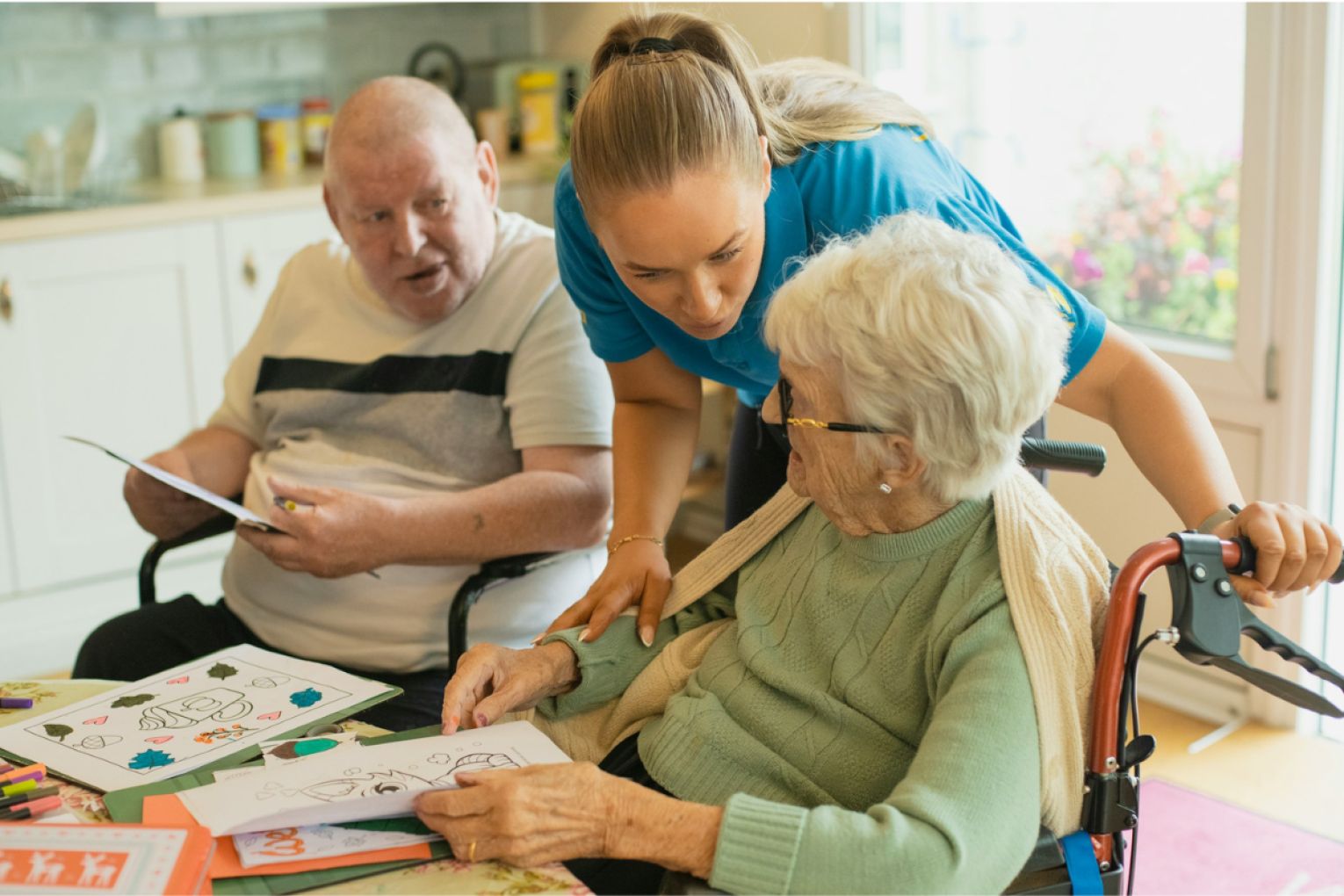
Long viewed primarily through a social policy lens, the care sector is now creating thousands of jobs, driving investment, supporting regional communities and presenting new opportunities for businesses across technology, construction, education and professional services.
It is one of the key themes expected to shape discussion at this year’s InDaily South Australian Business Index event, where business leaders will examine the industries powering the state’s future growth.
According to Lutheran Homes CEO Tim Chia, demographic change means the care economy is no longer simply about meeting community need – it has become a major economic force.
“South Australia’s ageing population is a huge driver for the care economy,” Chia says. “People are living longer, expecting more personalised care and wanting to remain independent for as long as possible.”
The implications extend well beyond aged care providers.
“Business leaders should pay attention because the care economy is no longer just a social service: it is a significant economic driver, creating jobs, supporting innovation and strengthening communities,” he says.
“Organisations that invest in the sector today will help shape one of South Australia’s most important industries for the future.”
As Australia’s population continues to age, demand is increasing not only for residential aged care but also disability support, home care, retirement living and broader community services.
You might like


Meeting that demand requires substantial investment across multiple sectors, from new facilities and digital technology to workforce development and specialist services.
For South Australia, where regional communities are particularly affected by demographic change, the economic ripple effects are significant.
“The care sector is already one of Australia’s largest employers, and its contribution will only continue to grow,” Chia says.
“Beyond providing care, we invest in infrastructure, technology, local suppliers and workforce development, creating flow-on benefits for regional and metropolitan communities.
“As demand increases, the sector will play an even greater role in creating stable, meaningful careers while supporting local economies. It is an industry that delivers both social value and long-term economic growth.”
That growth, however, presents both opportunity and complexity. Organisations across the sector are under increasing pressure to expand services while maintaining quality, navigating regulatory reform and responding to changing customer expectations.
Chia believes innovation will be central to meeting those challenges.
“The greatest opportunity is to redesign care around the individual, using technology and innovation to improve access, quality and outcomes,” he says. “There is also enormous potential to build stronger partnerships across health, housing and community services.”
At the same time, sustainable growth depends on getting the fundamentals right.
“The biggest challenge is growing at a pace that maintains quality,” Chia says. “Organisations need the right workforce, sustainable funding and strong governance to meet increasing demand without compromising high-quality care.”
Stay informed, daily
Among the sector’s most pressing issues is workforce supply. Like many industries across Australia, care providers face growing competition for skilled employees, while demand for services continues to rise.
For business leaders, the challenge presents an opportunity to rethink how careers in care are positioned and developed.
“We need to position care as a rewarding, professional career with clear development opportunities,” Chia says. “That means investing in leadership, education, career pathways and workplace culture, while creating environments where people feel valued and supported.”

Building the workforce of the future will require collaboration across multiple industries, he says.
“Attracting talent will also require stronger partnerships between government, education providers and employers to build the workforce of the future.”
“Retention is just as important as recruitment, and that starts with investing in our people.”
Technology is also reshaping the sector at pace. Digital care platforms, remote monitoring, artificial intelligence and smarter data systems are changing how services are delivered, while consumers increasingly expect greater flexibility and personalised support.
Meanwhile, regulatory reform, including the introduction of the new Aged Care Act, is raising expectations around quality, accountability and governance.
Chia believes organisations that embrace change while maintaining a people-first approach will be best placed to succeed.
“Technology will continue to improve how we deliver care, making services more connected, efficient and personalised,” he says. “At the same time, consumers increasingly expect greater choice, transparency and flexibility in how they access support.”
“The introduction of the new Aged Care Act and continued regulatory reform will also strengthen quality and accountability across the sector. Organisations that embrace innovation while keeping people at the centre of every decision will be best placed to succeed.”
Looking ahead, Chia sees South Australia well positioned to become a national leader in the care economy, provided government, industry and education continue working together.
“Success will come from working together,” he says. “Governments, providers, education institutions and industry all have a role to play in building a skilled workforce, embracing innovation and ensuring services meet the changing needs of our communities.”
He believes future investment should prioritise workforce capability, digital transformation, quality infrastructure and stronger partnerships across health and community services.
“With a collaborative approach, South Australia can build a care economy that delivers better outcomes for individuals while creating lasting economic benefits for the state,” he says.
Lutheran Homes is a proud partner of the South Australian Business Index lunch and networking event on Friday, 16 October, at the Adelaide Convention Centre, where the Top 100 South Australian businesses and top not-for-profits for 2026 will be announced. Early bird tickets are available now.
Want to see more stories from InDaily SA in your Google search results?
- Click here to set InDaily SA as a preferred source.
- Tick the box next to "InDaily SA". That's it.