‘A joke’: Farmers highlight missed opportunities ahead of budget
“There is not a government in Australia that is interested in supporting farmers unless it suits their purposes to do so.” Ahead of the state budget on June 4, the leaders of SA’s agricultural industries tell what they need to move past the devastating drought.
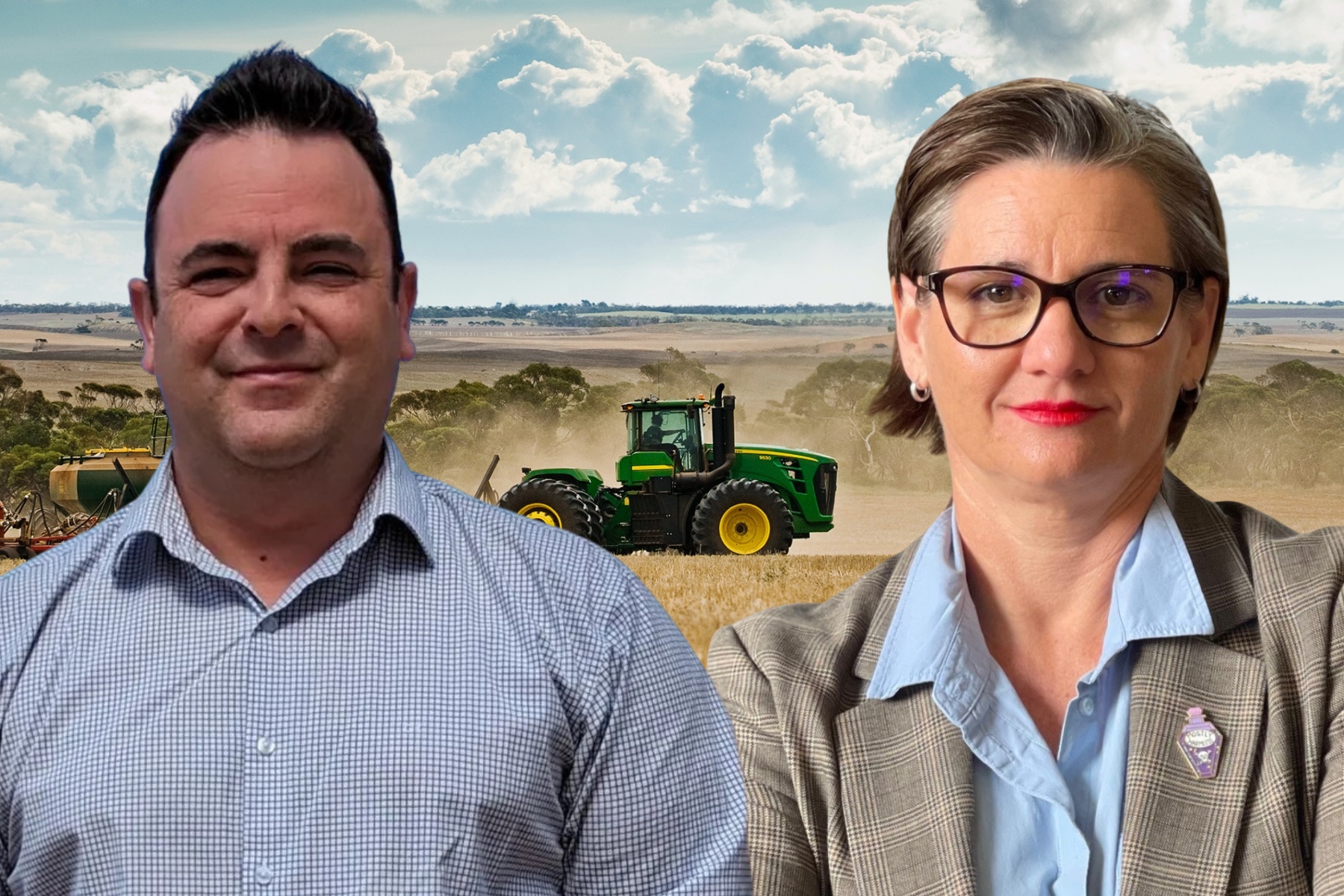
What was good and bad about the federal budget for your industry?
Is this a joke? There was nothing good in the Federal Budget for our industry. Even though agriculture contributes roughly 2.2 per cent of GDP, accounts for over 12 per cent of total Australian goods and services exports, generates more than $80 billion annually in export value, employs over 300,000 people, plays a critical role in rural and regional employment and when including the the downstream food and beverage manufacturing industries, we account for up to 11 per cent of GDP (and not to mention the fact that we literally keep Australia and 75 million people around the world fed and clothed) the Federal Government continues to not only ignore the industry that underpins regional and remote Australia but wilfully & recklessly pursues policy positions that make our job harder and harder each year.
And that’s without considering the fact that regional, rural, and remote Australians miss out on $8.35 billion annually in healthcare funding compared to metropolitan residents, primarily driven by systemic shortages in Medicare-funded primary care, hospital services, and private allied health.
– Gillian Fennell, Livestock SA chair

What do you think of the amount of support your region is getting from the state government?
The state government has recognised many of the challenges facing regional South Australia, particularly through its drought support loan program, and that assistance has been welcomed by grain producers in eligible areas. However, our survey data indicates there are other regions experiencing similar seasonal and financial pressures that would also benefit from access to this support, and we are continuing to work constructively with the government on that issue. Many farming businesses are still doing it incredibly tough after consecutive drought years, and recovery will take time. The challenge has been compounded by a significant cost-price squeeze, with fertiliser and diesel costs increasing substantially, while grain prices have remained relatively flat. As a result, many producers are operating on extremely tight margins despite recent improvements in seasonal conditions.
– Brad Perry, Grain Producers SA CEO
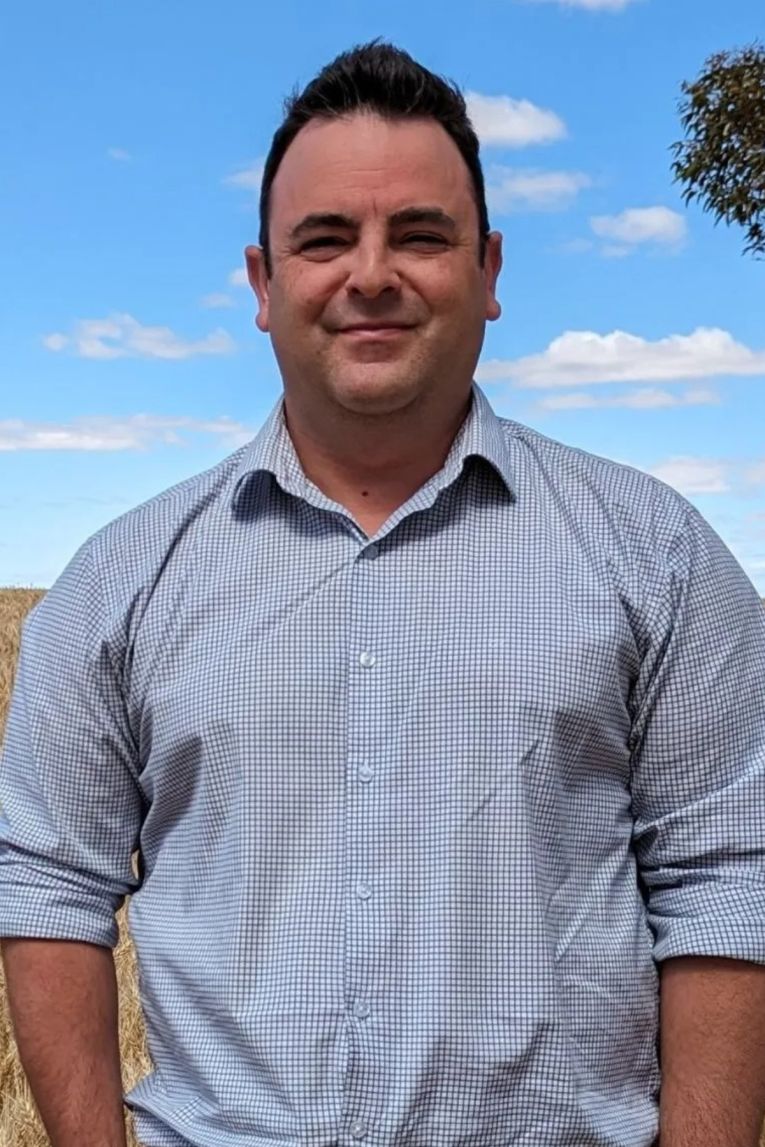
Do you think the government is balancing mining on farm land and supporting farmers?
There is not a government in Australia that is interested in supporting farmers unless it suits their purposes to do so – usually for a quick photo op or to latch onto a single issue and use that as a means to grab an occasional headline. It’s a simple fact that despite employing almost double the number of South Australians than mining (no FIFO in our industry) and being the only truly sustainable, renewable primary production industry in the world, we always come last when it comes to policy support and investment from government.
We are a disparate group of individuals spread across commodities, geographic regions and the political spectrum. More than 95 per cent of South Australian farms are family owned (99 per cent nationally) – we are more concerned in volunteering at the local footy club or fundraising for the P&C than we are in pissing in the pockets of politicians. And that is to our detriment when it comes to getting what we need.
– Gillian Fennell
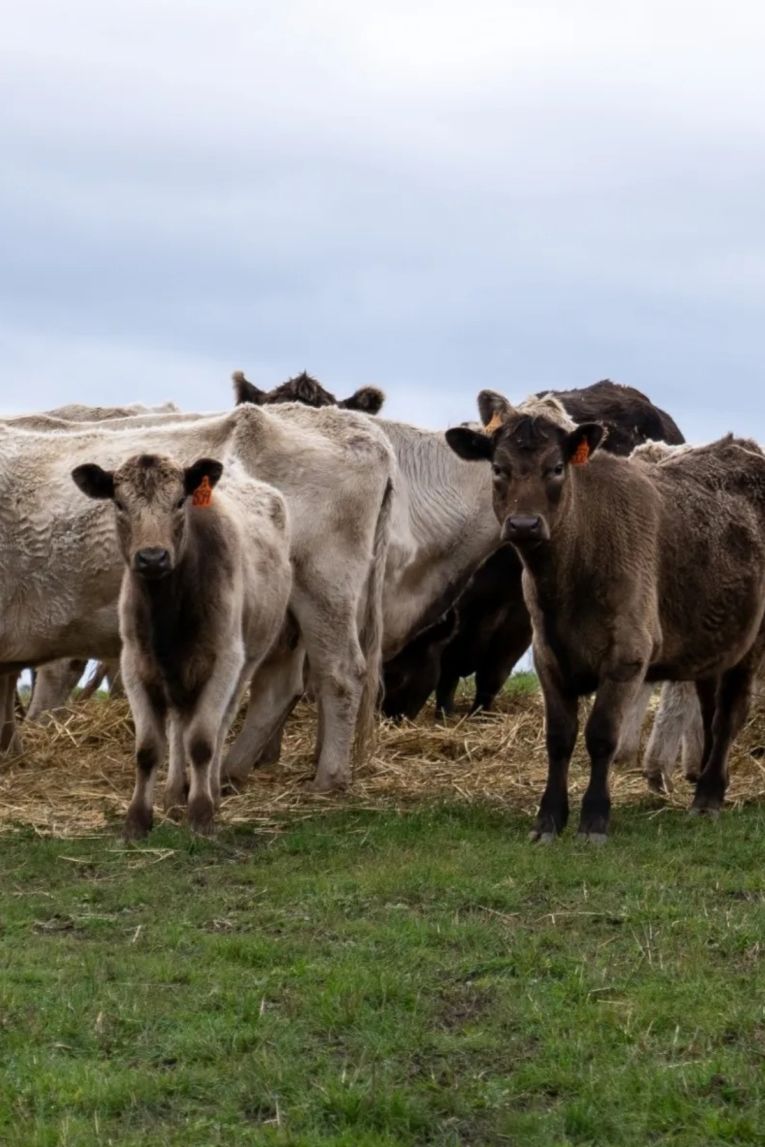
Has the government appropriately responded to the problems the industry is facing?
There has been a stronger response over the past 12 months as the severity of the drought became clearer, but there is still more work to do. Grain producers appreciate the support packages that have been announced and we know many businesses remain under significant financial pressure. The focus now needs to shift from short-term relief towards supporting recovery, rebuilding confidence and ensuring viable farming businesses can emerge from the drought and global challenges impacting cashflow, into a position to invest and grow again.
– Brad Perry
Is the state government taking full advantage of the opportunities for the industry?
South Australia’s grain industry is one of the state’s largest export industries and has enormous potential to continue growing. There are opportunities around value-adding, agricultural innovation, research and development, freight infrastructure and market access that deserve continued attention. Strategic investment in these areas would deliver benefits not only for grain producers but for regional economies and the broader state.
– Brad Perry
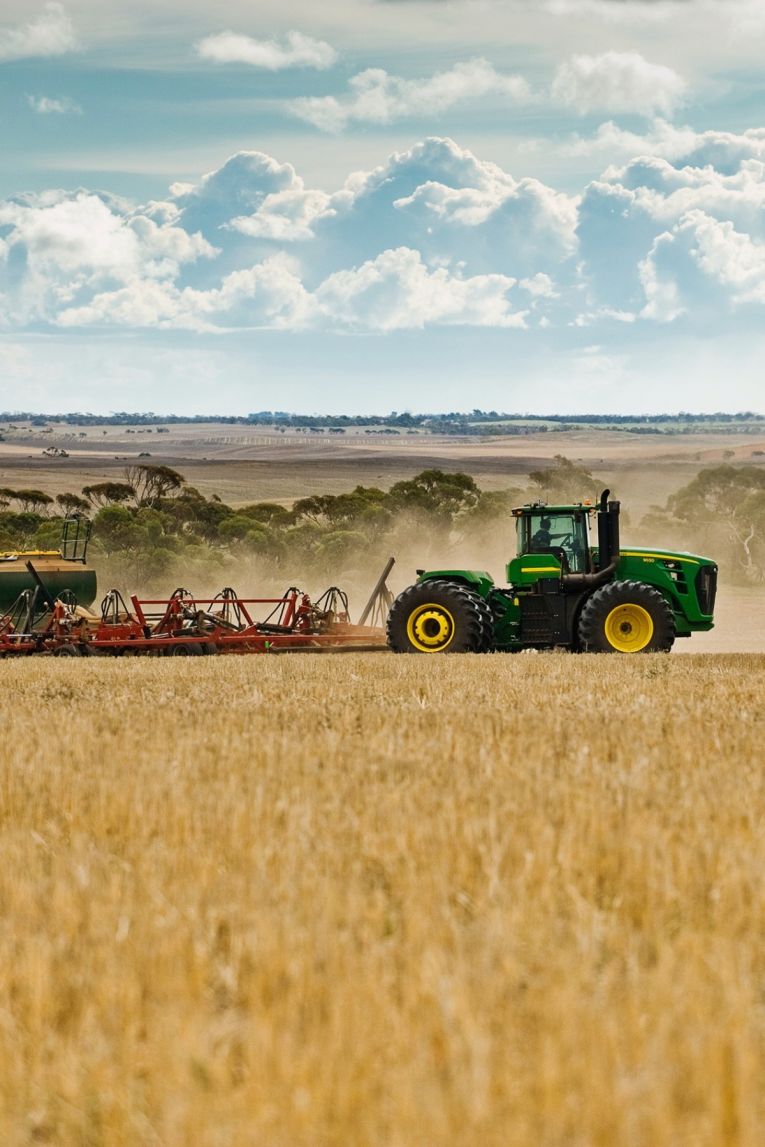
Has the industry meaningfully recovered from the drought?
No – although the immediate pressure has been lifted due to meaningful rainfall across most of the drought-affected regions, many farmers are still in a precarious position. Other external factors such as the Iran conflict and its impact on inputs has eroded much of the capacity for recovery from the drought.
Many regions will take years to recover from the rainfall deficit and the impact that it has had on subsurface moisture levels and the reduced capacity for pasture growth. This further underscores the need for a dedicated rural agency for the South Australian agricultural industry.
– Gillian Fennell
What do you want to see most in the upcoming SA state budget?
The grain industry is looking for a budget that strengthens the long-term competitiveness and resilience of South Australian agriculture. That includes practical support to improve farm business resilience, stronger regional road and freight infrastructure investment, and increased investment in agricultural research and development that helps growers improve productivity and manage emerging challenges.
– Brad Perry
Want to see more stories from InDaily SA in your Google search results?
- Click here to set InDaily SA as a preferred source.
- Tick the box next to "InDaily SA". That's it.