Government’s $20 million fuel campaign fails SA farm gate
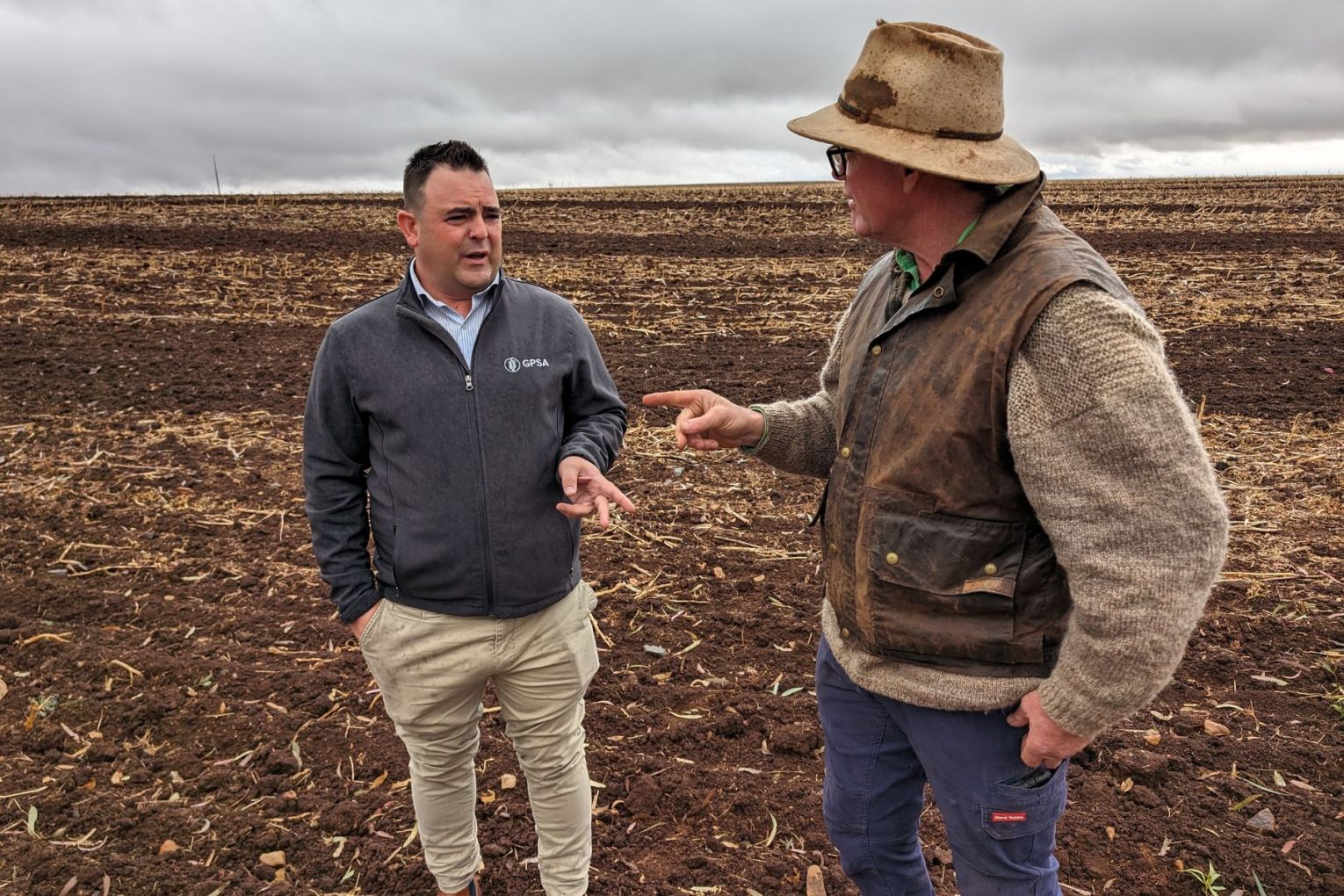
Fuel suppliers are telling SA farmers trying to grow the nation’s food to take their fuel carts “and fill up at a servo”, Grain Producers SA chief Brad Perry says.
The Federal Government is spending $20 million telling Australians to use less fuel, but for grain producers, the real issue is getting it delivered.
On face value, the Federal Government’s message is sensible. In times of pressure and reduced supply, correspondingly reducing demand can help ease strain on the system.
But for grain producers across South Australia, that message risks missing the crux of the problem.
Because while Australians are being told to cut back, farmers are being told something very different.
Since March, when the fuel situation really began to bite, many South Australian grain producers have been told to get whatever diesel they can.
Across the state over the past six weeks, growers have reported delays to bulk diesel deliveries, reduced volumes, and growing uncertainty about when their next order will arrive. And while those delays are now starting to ease, the flow-on effects are clearly evident.
In some cases, farmers were told there simply aren’t enough tankers available to meet both demand at service stations and on-farm fuel deliveries – which are critical at this time of year.
So instead of relying on bulk deliveries, the system agriculture depends on, South Australian grain producers were pushed back into the retail market.
Here’s a small snapshot from the hundreds of comments we received in GPSA’s fuel and fertiliser survey:
“I have been told that future fuel deliveries at this stage will be limited to 5,000 litres for each delivery, not knowing when we can get the next delivery after that. We normally like to get a 30,000-litre trailer at a time as it works out cheaper.”
You might like

“Our fuel delivery was delayed by nearly five weeks, in which time the price rose significantly”
“We had 20,000 litres of diesel on order for four weeks and all we ended up getting delivered was 5,000 litres”
“I was told by my supplier that if I wanted fuel for seeding, I should get it myself”
“Our supplier told us initially that we were on the list to get bulk delivery, then when we followed up a week later, they told us we’d have to take our fuel cart in and fill up at a servo”
“We put in an order three and a half weeks ago for farm delivery. Supplier told us we were on a list but suggested we take the fuel tank to town to get it from the bowser”
“Spoke yesterday with our supplier and they can’t get fuel for farmers as it is being directed to service stations”
These are not isolated comments. These situations have been repeated across regions as delving, spraying and seeding are all either underway or about to begin.
And they point to a deeper issue.
Because when farmers who would normally receive bulk deliveries at this time of year are forced to fill up at the pump, it adds pressure to the very system governments are trying to protect.
That creates a cycle; more demand at service stations, more visible shortages, and more urgency in the market.
At the same time, a national campaign is telling people to use less fuel.
It raises an obvious question.
If we have enough fuel in the system, as has been suggested by the Federal Government, is the short-term issue not supply, but distribution?
And if that’s the case, is a $20 million behaviour change campaign going to make any difference?
Stay informed, daily
Or would that investment be better directed at fixing the bottlenecks, such as getting more tankers on the road, improving delivery logistics, and ensuring critical industries like agriculture can access fuel when they need it?
Because for grain producers, reducing fuel use isn’t an option unless they plant less crop.
Seeding doesn’t wait. Spraying doesn’t pause. Crops go in when conditions allow, not when supply chains catch up.
And right now, that system has been under strain, not just because of what’s happening today, but because of what happened weeks ago.
Many of the delays began at the start of the demand surge. Orders were pushed back, deliveries staggered, and volumes reduced. At the time, some of that pressure was absorbed or worked around.
But now, those earlier disruptions are catching up.
Many grain producers had their on-farm orders reduced so tankers could meet demand at service stations. When those orders were placed, diesel was at a more reasonable price but by the time the balance of deliveries arrived, prices had risen significantly.
Of concern, governments don’t appear to have clear visibility on what is happening with on-farm diesel supply.
We don’t know how many bulk orders are outstanding.
We don’t know how many have been partially filled or scaled back.
And we don’t know how many farming businesses are changing their plans because they can’t rely on delivery.
That’s the diesel data gap and it matters.
Because while retail shortages are visible and reported daily by governments and through mobile phone apps (like the RAA), on-farm constraints are where the economic impact is felt most sharply, and where the consequences flow directly into production.
This is not about dismissing the importance of retail fuel supply, it’s about recognising that it is only part of the picture.
If we want to manage this situation properly, and prepare for future disruptions, we need a more complete view and a more targeted response.
Because this won’t be the last time fuel supply comes under pressure.
It’s a lesson we must learn or it will feel like we’re back on the merry-go-round once again.
Brad Perry is chief executive officer of Grain Producers SA.
Want to see more stories from InDaily SA in your Google search results?
- Click here to set InDaily SA as a preferred source.
- Tick the box next to "InDaily SA". That's it.