What’s My Scene: Matthew Quick is questioning the value of art
In our regular Q&A column What’s My Scene, InReview speaks to emerging and established local artists to get their take on the South Australian creative scene and their place within it. This week, artist Matthew Quick reflects on his new exhibition Deaf in One Eye, and taking the “longest possible route” to an artistic career.
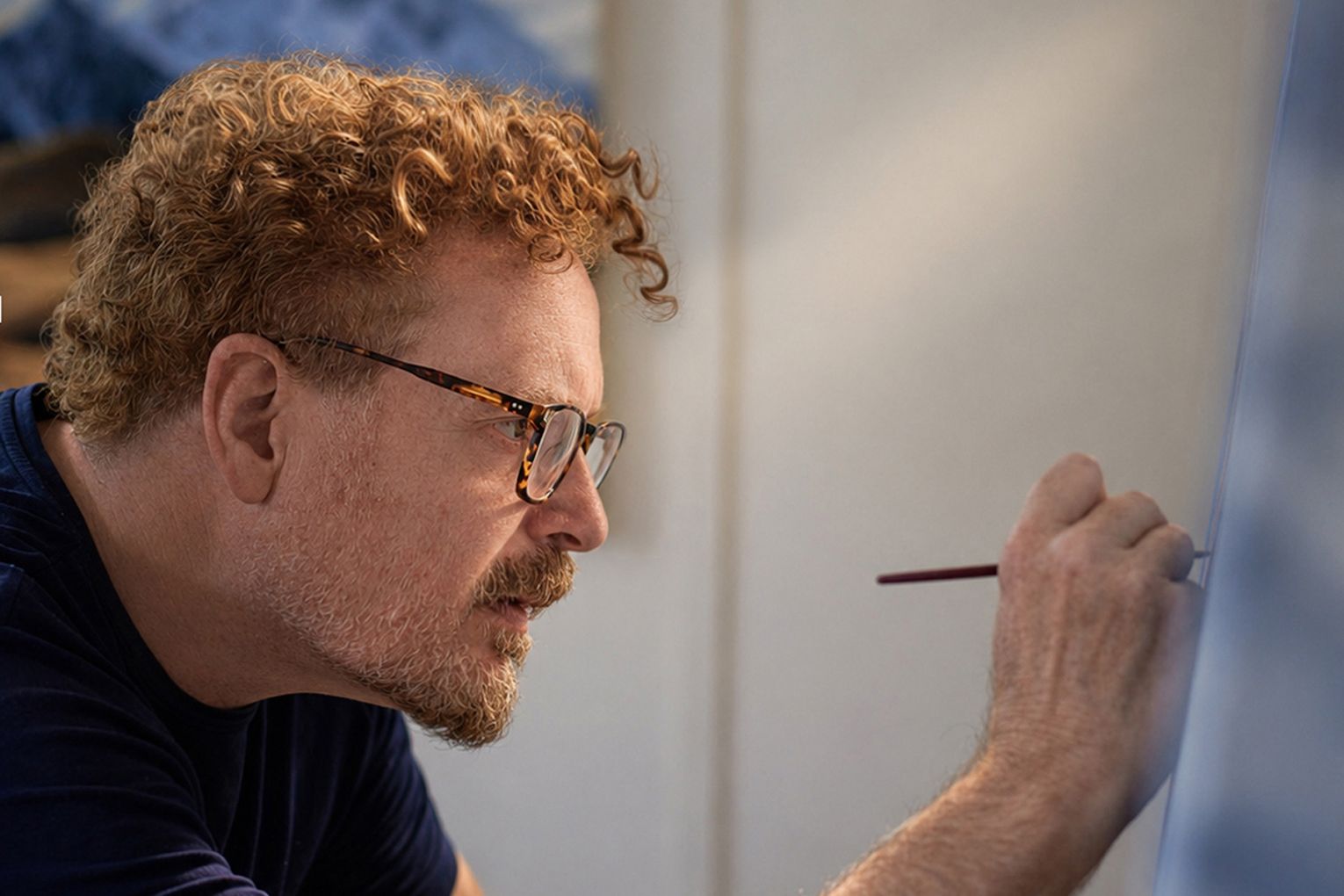
Where was your first Adelaide exhibition, and how did it go?
My first Adelaide solo exhibition was with Hill Smith Art more than a decade ago. It was an important milestone because Adelaide is where I first studied art, so exhibiting professionally here felt like coming full circle.
It’s particularly satisfying to be working with Hill Smith again on Deaf in One Eye. Over the years the relationship has grown into exactly what you hope for between an artist and a gallery: one built on trust, shared ambition and a willingness to develop ideas over the long term. This exhibition is by far the most cohesive body of work we’ve presented together.
What is your artist origin story?
I arrived at painting by taking the probably longest possible route. I studied Design and Illustration at UniSA in Adelaide, but quickly realised I was not ready for the life of a full-time freelancer. That led me into design, illustration and photography, which in turn took me to Melbourne, Sydney then Europe, where it was abruptly halted by recession.
Stuck in London with no work, I began writing fiction. Aged just 24, my first novel, was selected as a finalist for the Vogel Literary Award, judged by Booker Prize winner, Thomas Keneally. This expanded my portfolio of careers to include writing, advertising and lecturing. Each area taught me something different about communication, storytelling and image-making.
However, the most pivotal turning point came when I was diagnosed with skin cancer in my thirties and told I might only have a few years to live. It forced me to ask what I actually wanted to spend my time doing. The answer was obvious: painting. (FYI: cancer free and doing well)
Looking back, all those earlier careers weren’t detours at all. They became the foundation of the work I make today.
What was your impression of the Adelaide creative scene when you first started, and how has that changed?
Adelaide has always punched above its weight culturally. Even as a kid I was amazed that we could see exhibitions like the Terracotta Warriors without travelling overseas. It gave me the sense that world-class art and exhibitions weren’t something that only happened elsewhere.
You might like
Today I think Adelaide is even stronger. While Melbourne is a much larger city, with events like the Fringe and SALA, Adelaide somehow feels more connected and adventurous. Institutions, commercial galleries and artists seem willing to back ambitious projects, and that creates an environment where ideas can genuinely flourish.
How has your own work evolved since you first started?
Early on I was primarily interested in making individual paintings. Now I’m much more interested in building bodies of work where every piece contributes to a larger proposition.
That probably reflects my background in writing. I increasingly think about exhibitions the way a novelist thinks about chapters. Individual works should stand on their own, but together they should create something richer than any single piece can achieve.
What is it about your next body of work that you’re most excited, or nervous, to share?
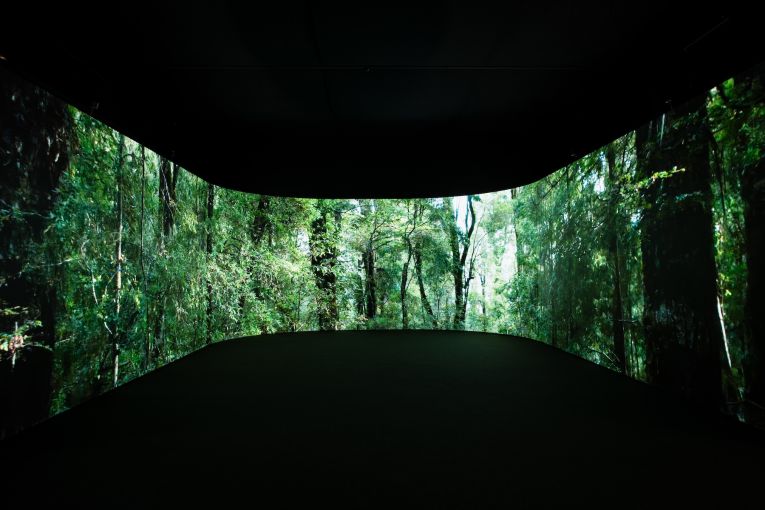
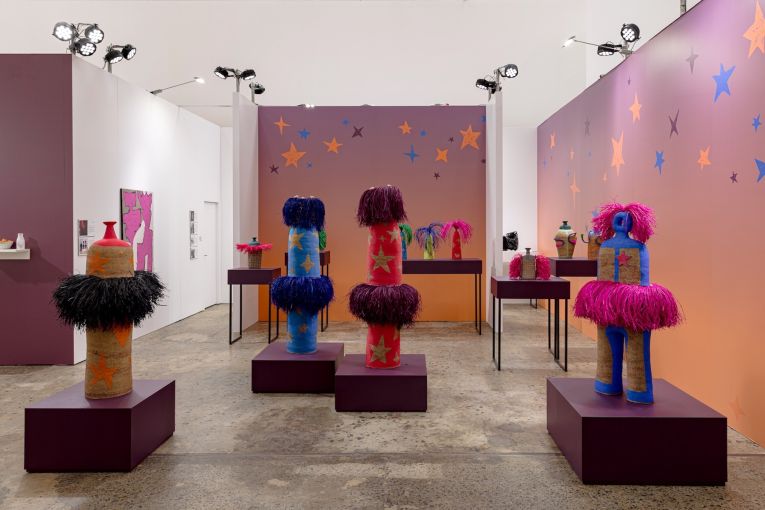
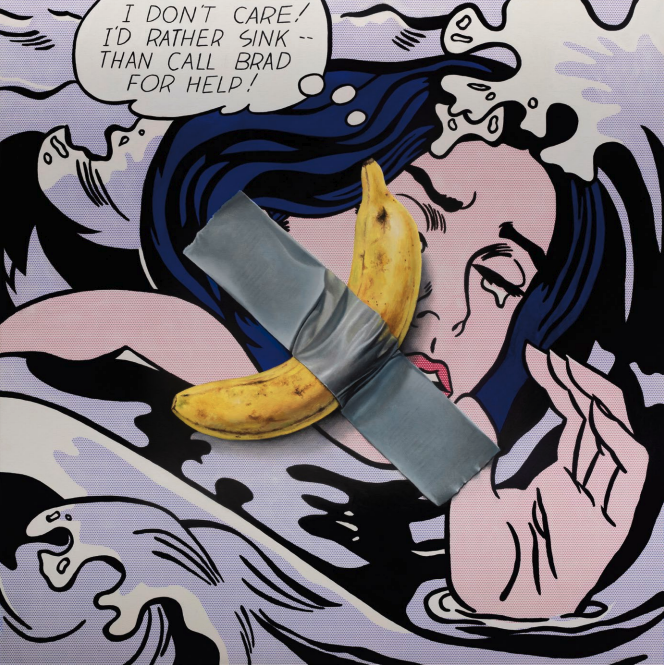
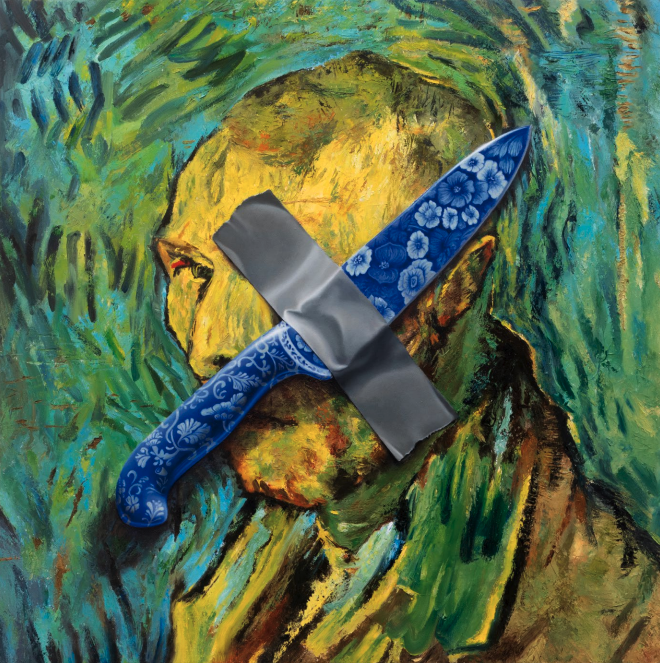
Deaf in One Eye is the first exhibition where every painting, sculpture and digital work has been conceived around a single question: where does value come from and who is behind its creation?
The starting point was Maurizio Cattelan’s Comedian, but rather than asking whether a banana taped to a wall is art, I became interested in what its acceptance made possible. The exhibition follows that proposition through craftsmanship, history, politics, religion and cultural memory. It’s certainly the most intellectually ambitious body of work I’ve attempted, so there’s always a little nervousness in putting something like that into the world. Once the work leaves the studio, the conversation belongs to everyone else.
Who are the artists around you that inspire or challenge you?
Robin Eley: Robin is one of Australia’s finest painters, but what I admire just as much is the clarity of his thinking. He has built a distinctive practice in what feels like remarkably little time.
Subscribe for updates
Lisa King: her diminutive frame is the polar opposite of the monumental murals she makes. She proves that scale and nuance don’t have to be opposites. From her beginnings in Adelaide, she’s crafted a global career where she’ll shoot off to a new country to bang out another masterpiece with her own visual language.
Ron Francis: Ron combines astonishing technical ability with a really quirky way of seeing the world. His work constantly reminds me that craftsmanship and imagination don’t have to be separate things.
Favourite Adelaide venue to exhibit at?
Hill Smith Art. I’ve exhibited there for many years and genuinely value the relationship. Good galleries don’t simply hang paintings; they help artists build careers, challenge ideas and realise ambitious projects. Hill Smith has done all of those things for me.
Dream artist to exhibit alongside?
Wim Delvoye. Annoyingly, every time I think I’ve had a wonderfully absurd idea, I discover Wim got there before me! Known for provocative works like Gothic construction machinery, tattooed pigs and his controversial Cloaca machines, his art mixes low-brow or taboo themes with high-craft historical styles to question beauty, function, and value. I love the way he combines impeccable craftsmanship with mischievous conceptual thinking. He constantly reminds me that serious ideas don’t have to take themselves too seriously.
Favourite artist to collaborate with?
Rather than a single artist, I enjoy collaborating with people who bring skills completely outside my own. I think perhaps one of the great pleasures of this exhibition has involved working with sculptors, foundries, fabricators, costume makers – and the animation team at Monkeystack. My goal with so much of my work is to craft images that are visual triggers for the viewer to write their own back stories. In this digital collaboration, Monkeystack did precisely that – they didn’t simply execute ideas; they expanded them into places I hadn’t imagined.
Where is your next Adelaide exhibition, and how do you hope it will go?
Deaf in One Eye opens at ILA as part of the South Australian Living Artists (SALA) Festival, from 6–29 August.
It brings together paintings, bronze sculpture, soft sculpture and an immersive digital installation in what is undoubtedly the most cohesive exhibition I’ve produced. More than anything, I hope visitors leave having enjoyed the work while also questioning some of the assumptions we make about value, whether in art, history or everyday life.
If the exhibition sparks those conversations, I’ll consider it a success.
Deaf in One Eye is showing at ILA – Immersive Light and Art until August 29 as part of SALA Festival 2026
Want to see more stories from InDaily SA in your Google search results?
- Click here to set InDaily SA as a preferred source.
- Tick the box next to "InDaily SA". That's it.
Free to share
This article may be shared online or in print under a Creative Commons licence