Hahndorf’s Heysen heartland gains a new member of the family
The first exhibition at the long-awaited, multimillion dollar addition to The Cedars showcases moments of domesticity in lieu of predictable ‘blockbuster’ moments to refocus the story of father-daughter duo Hans and Nora Heysen.
Much has been written in recent years on Hans Heysen and his daughter Nora, as major survey exhibitions including Hans Heysen (Art Gallery of South Australia, 2009) and Hans and Nora Heysen, Two Generations of Australian Art (National Gallery of Victoria, 2019) have been presented. Significant research including Catherine Speck’s Heysen to Heysen, Selected Letters of Hans Heysen and Nora Heysen, 2011, have added to an unfolding Heysen narrative which today includes the relationship between nationally famous father and daughter.
The recent opening of an entirely new $9 million Heysen Gallery and complex at The Cedars, housing an extensive exhibition of both artists’ work, adds a new chapter to this narrative.
On entry to the exhibition, the viewer is confronted with two self-portraits, Hans and Nora, of a similar age at the time of painting. The message is clear: two individuals, both at the beginning of their journeys, with a common passion to make art. The publication accompanying the gallery launch, Heysen, A Shared Legacy, picks up on this theme.
“We liked each other and understood each other well because we were both obsessive artists,” Nora is quoted in the opening section. Similar comments by Hans and Nora deflect a commonly held belief that the daughter was always subject to the father. While Speck’s analysis of their exchanges do indicate that Hans’ estimation within the wider art community and his oversight of her career created problems for his daughter, the later years witnessed a resolution of their relationship as equals.
The Heysen Gallery has been a long time in the making. As The Cedars – with its original home, artist’s garden and heritage artists’ studios – has such unique history and heritage significance, there were diverse proposals concerning the kind of gallery facility that would ‘fit in’. Not only that, but any extension would also have to provide a lasting home for the Heysen collection and safeguard it for generations to come.
You might like
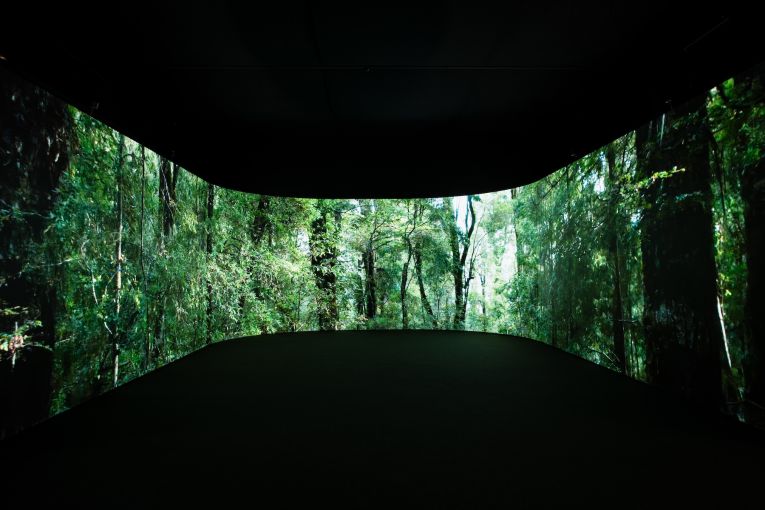
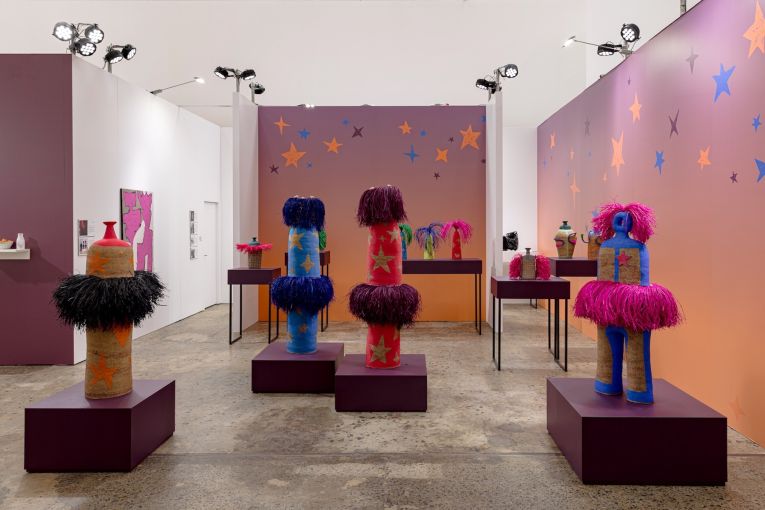
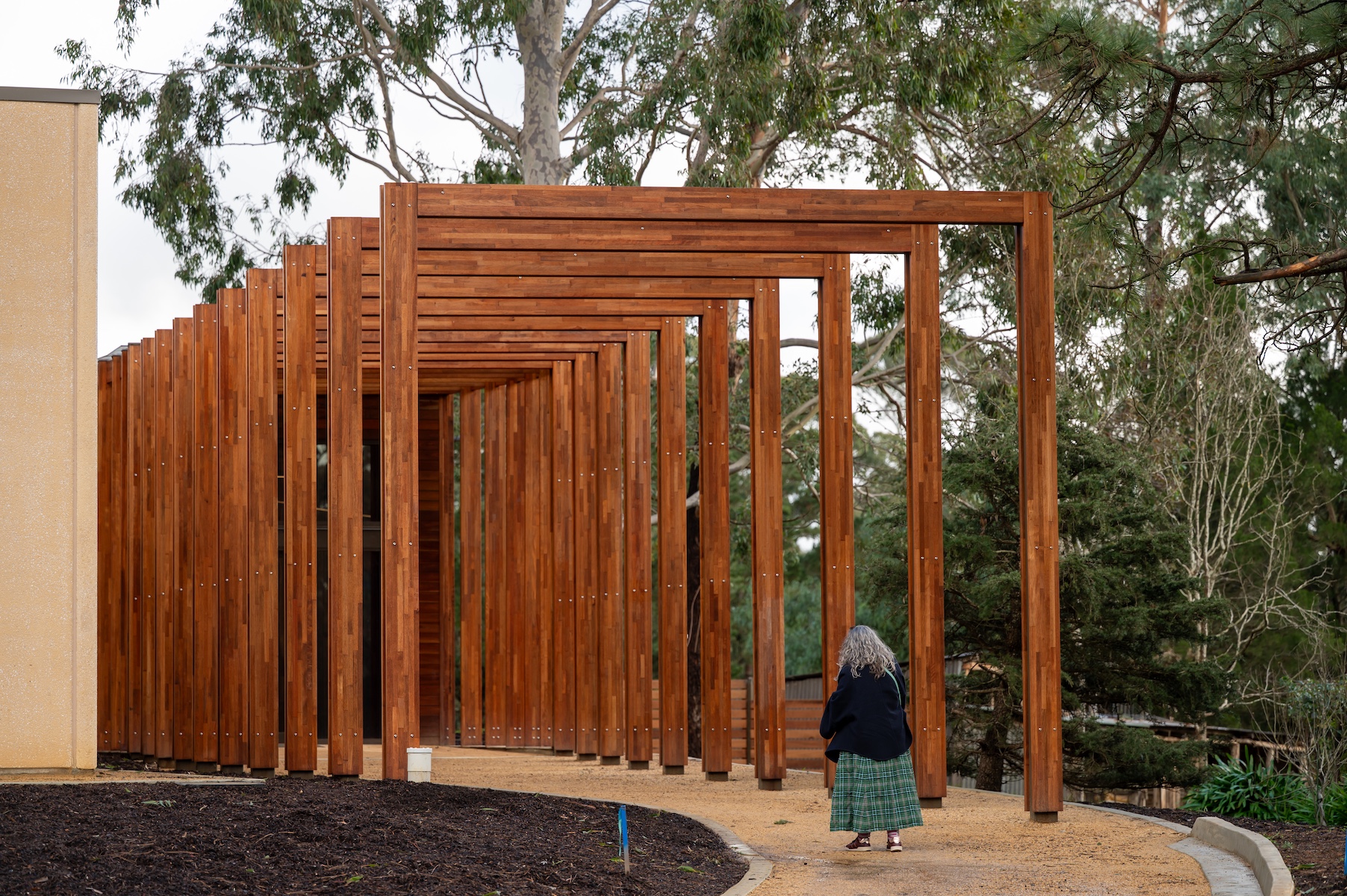
Perched on the hillside overlooking the house to the right and studio to the left, this elegant structure, with its thoughtful dialogue with natural light, and earth tones and timber features echoing the surrounding bushland, looks in every way a member of the family. The gallery spaces are not large but suited to the domestic scale of both artists’ work, if not for larger contemporary works. Future programming will allow for subdivision to allow for special exhibitions parallel with thematic selections from the Heysen collection.
The current exhibition will remain on display for a year, and it’s tempting to speculate on what might follow: Nora: The War Years? Heysen and Associates? The Watercolour Boom? Arid Arcadia 2? Flower Power? Historic Hahndorf? It’s unlikely that the Trust will be short of ideas, more the resources to realise them, as creating or touring exhibitions have become an expensive business. But that’s in the dim, distant. For now, it is possible to view an engaging selection of works, many drawn from private collections and never publicly exhibited.
Do take in Hans Heysen’s Flinders watercolours, particularly his magisterial 1939 landscape, Aroona in which Heysen’s command of the medium sent Lionel Lindsay absolutely dotty with admiration. Hans tussled endlessly with the challenge of rendering solidity with the thinnest of washes while representing the play of light not only on surfaces like tree trunks and rocks but also its behaviour in the space between viewer and object.
Subscribe for updates
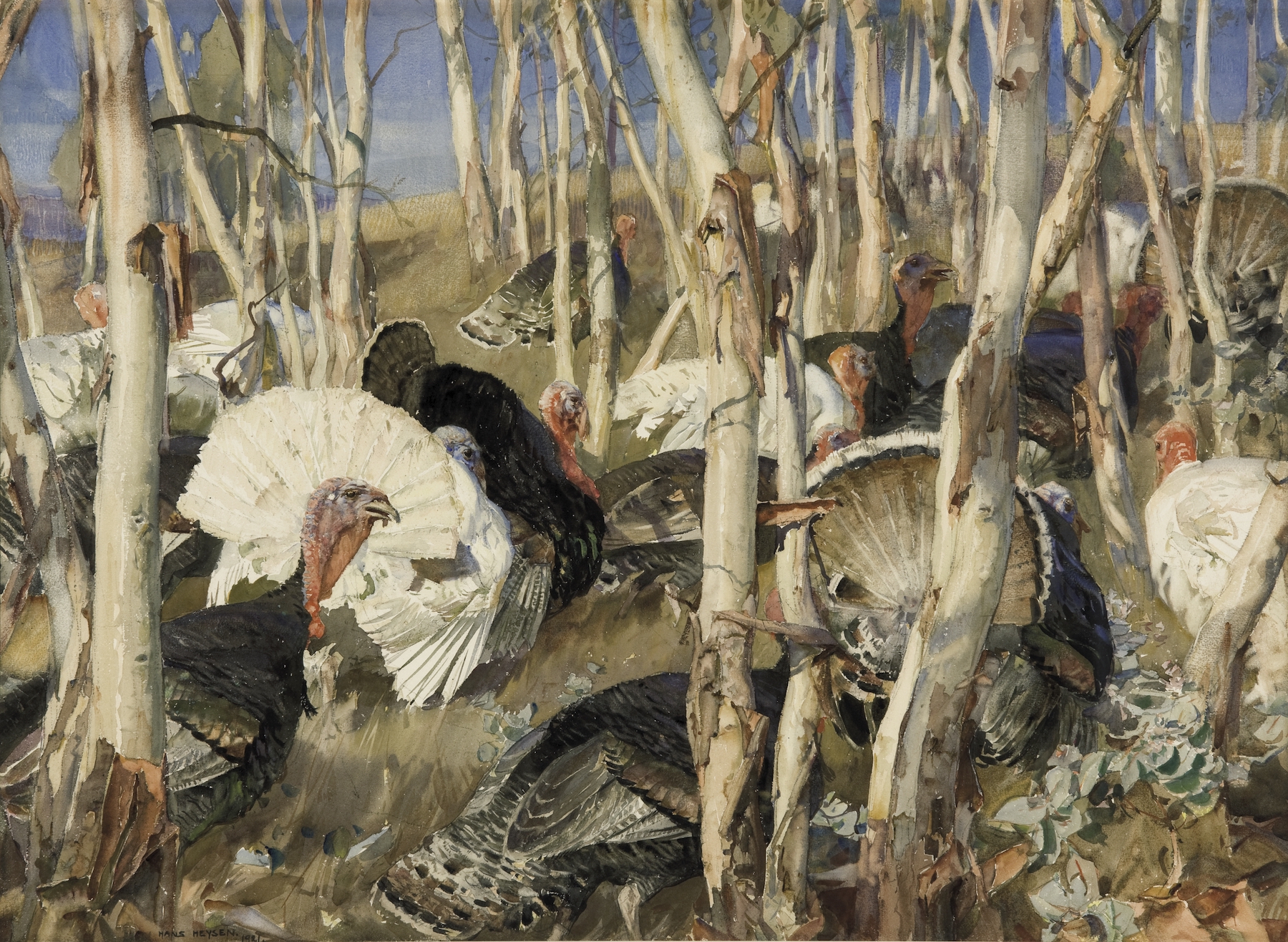
Two other personal favourites are The Toilers and Turkeys – don’t miss them. They are from the Art Gallery of South Australia’s collection but like all watercolours, light-shy little creatures that they are, rarely exhibited. The Toilers is one of Heysen’s most iconic works. In its celebration of manual toil, it owes a debt to the heroic-worker social realism of Jean-Francois Millet. Heysen’s affection for his turkeys is evident in his evocation of movement and the playful hide and seek of these magnificent creatures shaking their booty in a sapling grove.
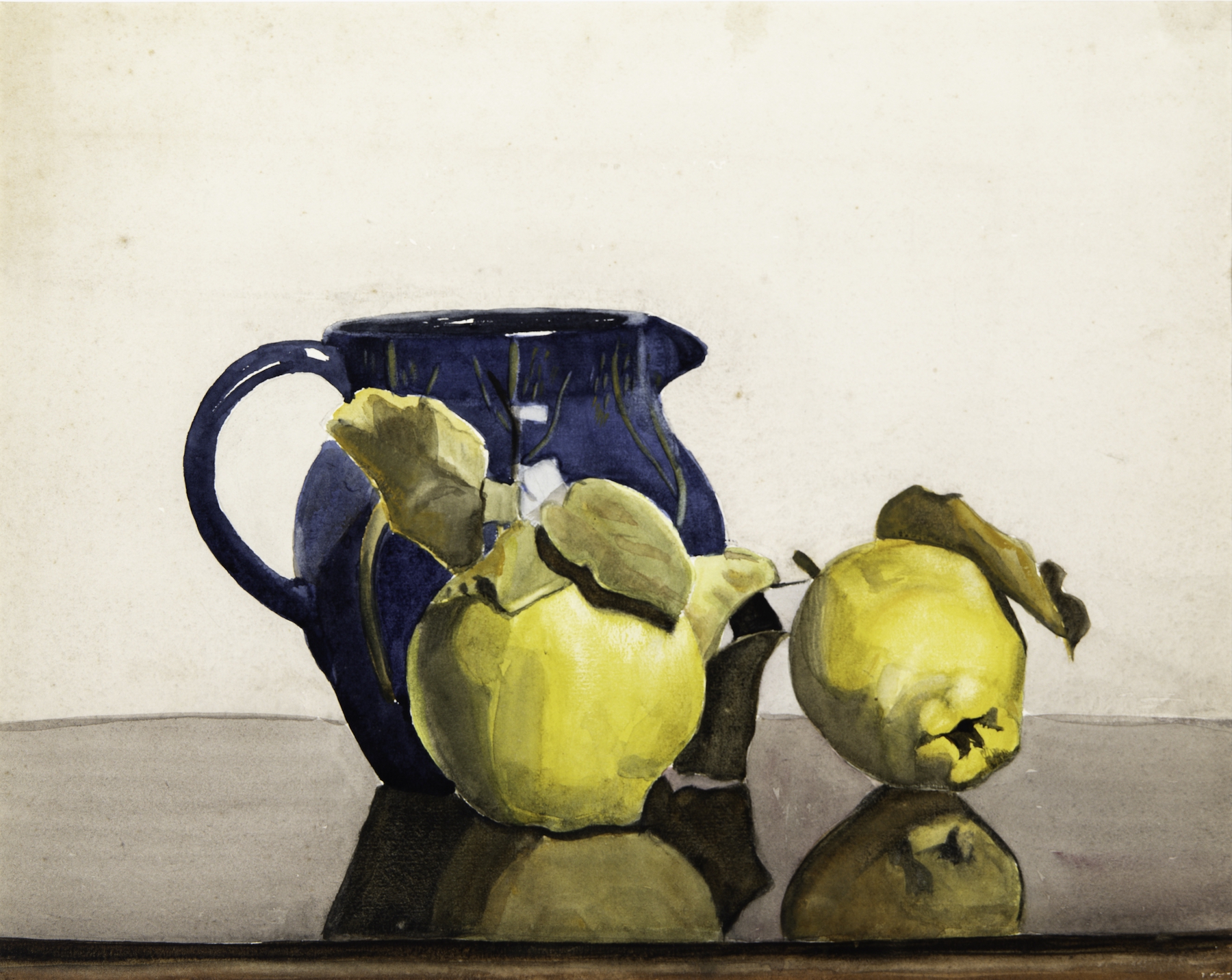
This exhibition has been curated by Allan Campbell as a series of interlocking stories or viewing trails with a subtext of Hans’ and Noras’ interwoven lives and Sallie Heysen’s role in facilitating their studio journeys. One could start with the still lifes as a framework to appreciate how the two artists approached their subjects and constantly worked the motifs to make images that were not mere copies, but authentic interpretations.
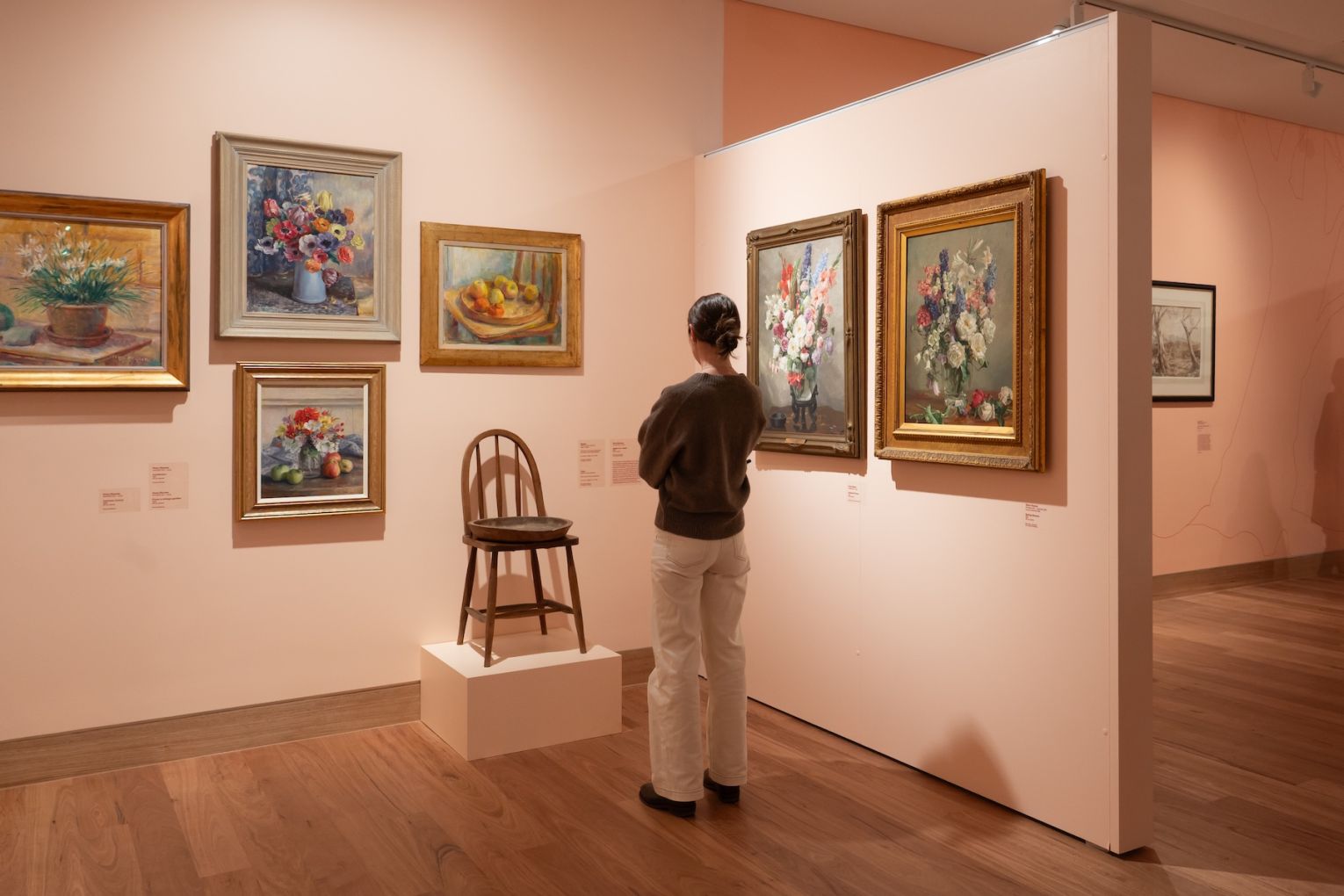
Many visitors to The Cedars come to look at Australia’s oldest artist-planted garden. They no doubt will be thrilled with Nora’s ‘flower show’ – an extensive hang of flower still lifes dating from formative years to the complex and celebratory renditions of her mid-career practice, then the less formal, colour-driven Post Impressionist style of later work. There are many, principally drawn from private and the Heysen Trust collections. Surprising for some viewers perhaps is that Hans had the full inventory of flower and still life skills as seen in the famous ‘twins’, a sumptuous composition Zinnias and autumn fruit – which caught Anna Pavlova’s eye – and a variant A Souvenir, which as its own Pavlovian back story.
This exhibition incorporates a multitude of such stories of appeal to visitors coming fresh to the Heysen story. Campbell, in choosing works from collectors in particular while keeping the blockbuster iconic works – such as Red Gold – at bay, and incorporating domestic subjects and indeed items such as vases, furniture, letters, family album photos and the like, is inviting everyone to refocus on The Cedars and family life within this domain as a rewarding prism through which to view Australia’s most famous artist father and daughter artist sagas.
Yes, Hans and Nora were owned by the wider world. They both worked hard and shared ideas of how to make sense of it. But Hahndorf and within it The Cedars with its rambling garden, studios, surrounding bushland and family life remained heartland. To appreciate this take in the whole package, the new gallery, the house and the studio then just take a walk in the trees and think about that six-year-old kid from Germany standing on the dust flats at Port Adelaide but looking towards the Hills.
Heysen: A Shared Legacy is on display at Heysen Gallery, The Cedars, until June 27 2027
Want to see more stories from InDaily SA in your Google search results?
- Click here to set InDaily SA as a preferred source.
- Tick the box next to "InDaily SA". That's it.
Free to share
This article may be shared online or in print under a Creative Commons licence