Painting rejected by famed prima ballerina reunites with its Adelaide Hills twin
A Hans Heysen still life painting with a film-worthy history has found its way back into the spotlight as a new $9 million Adelaide Hills gallery opens to celebrate two of the state’s most loved artists.
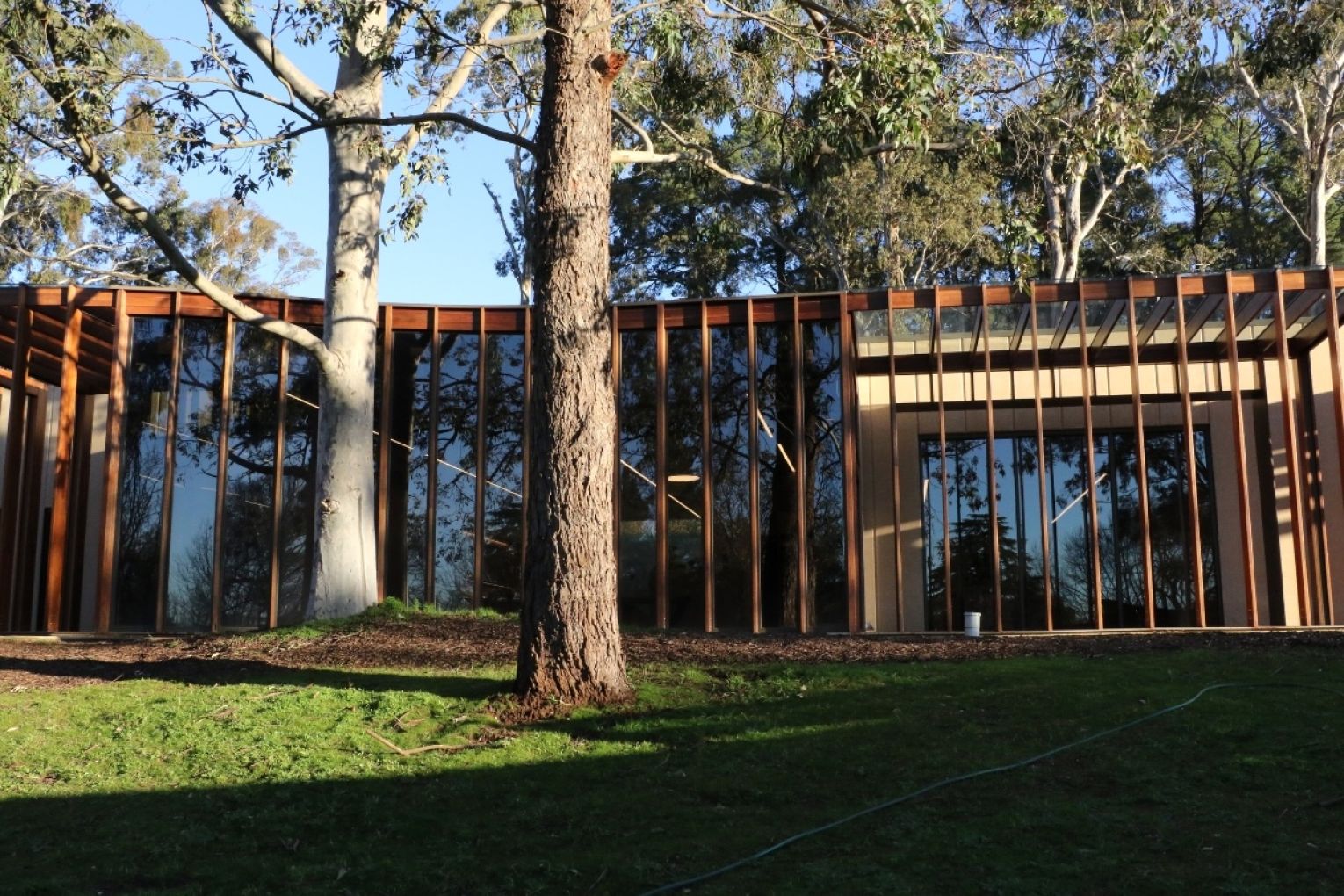
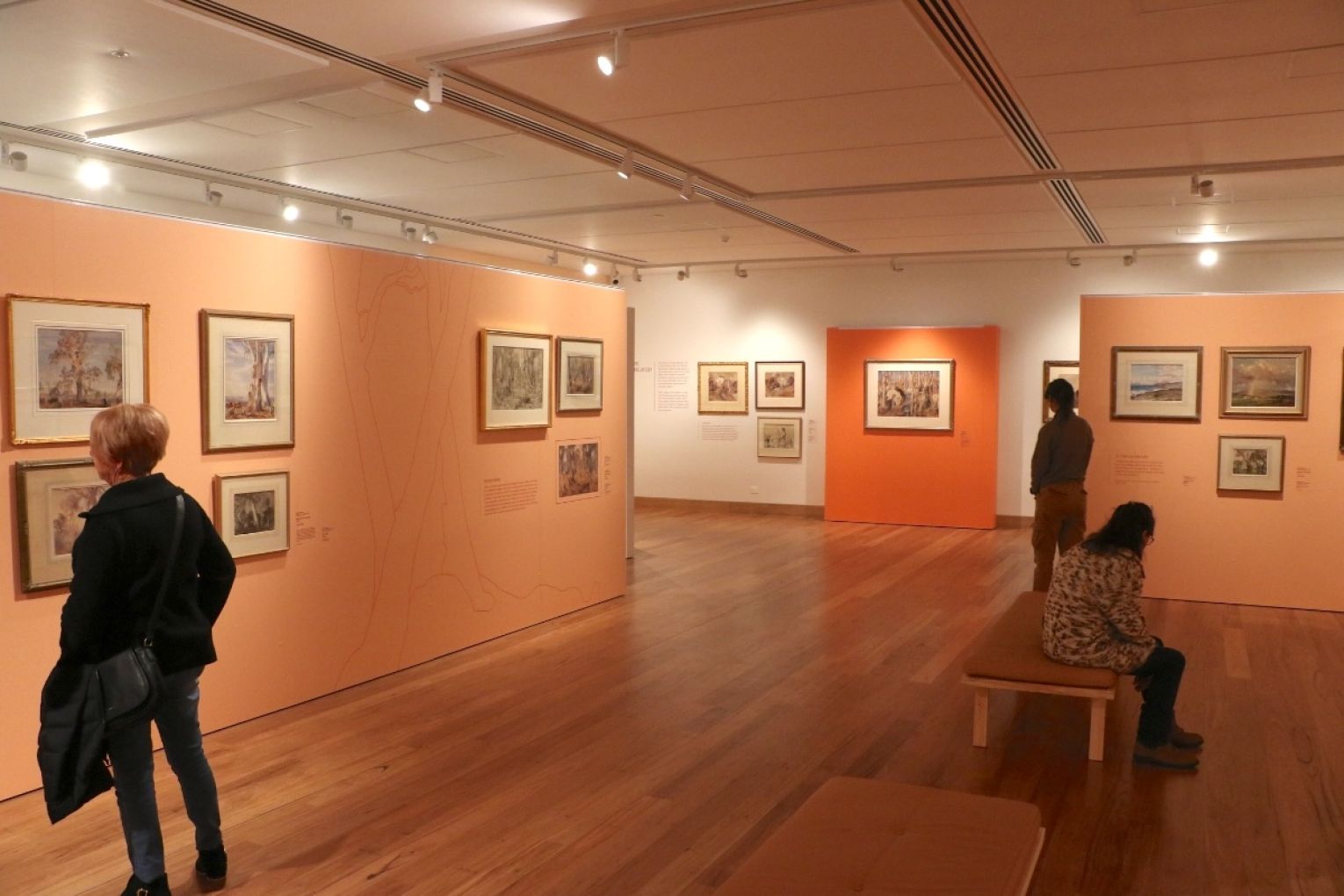
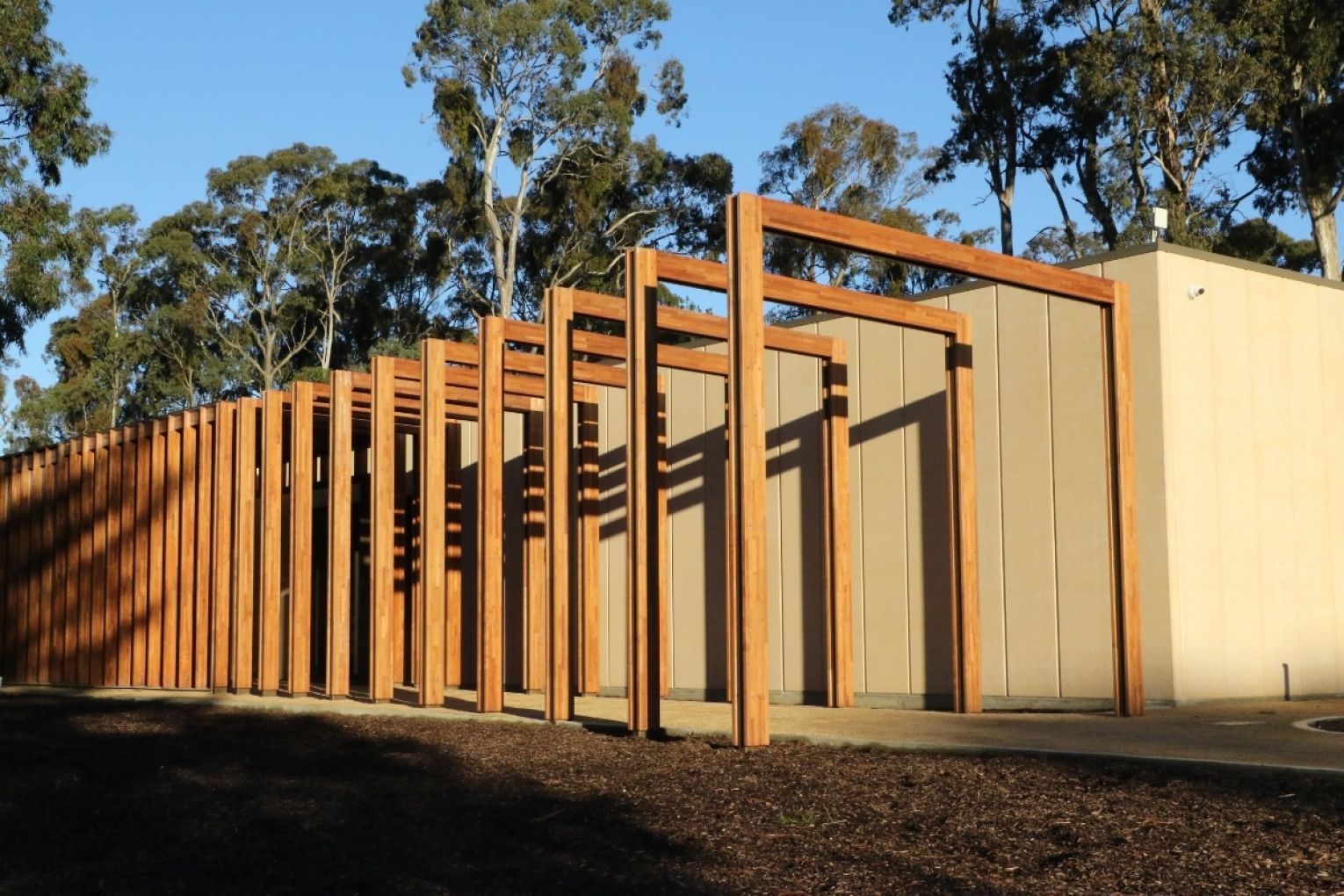
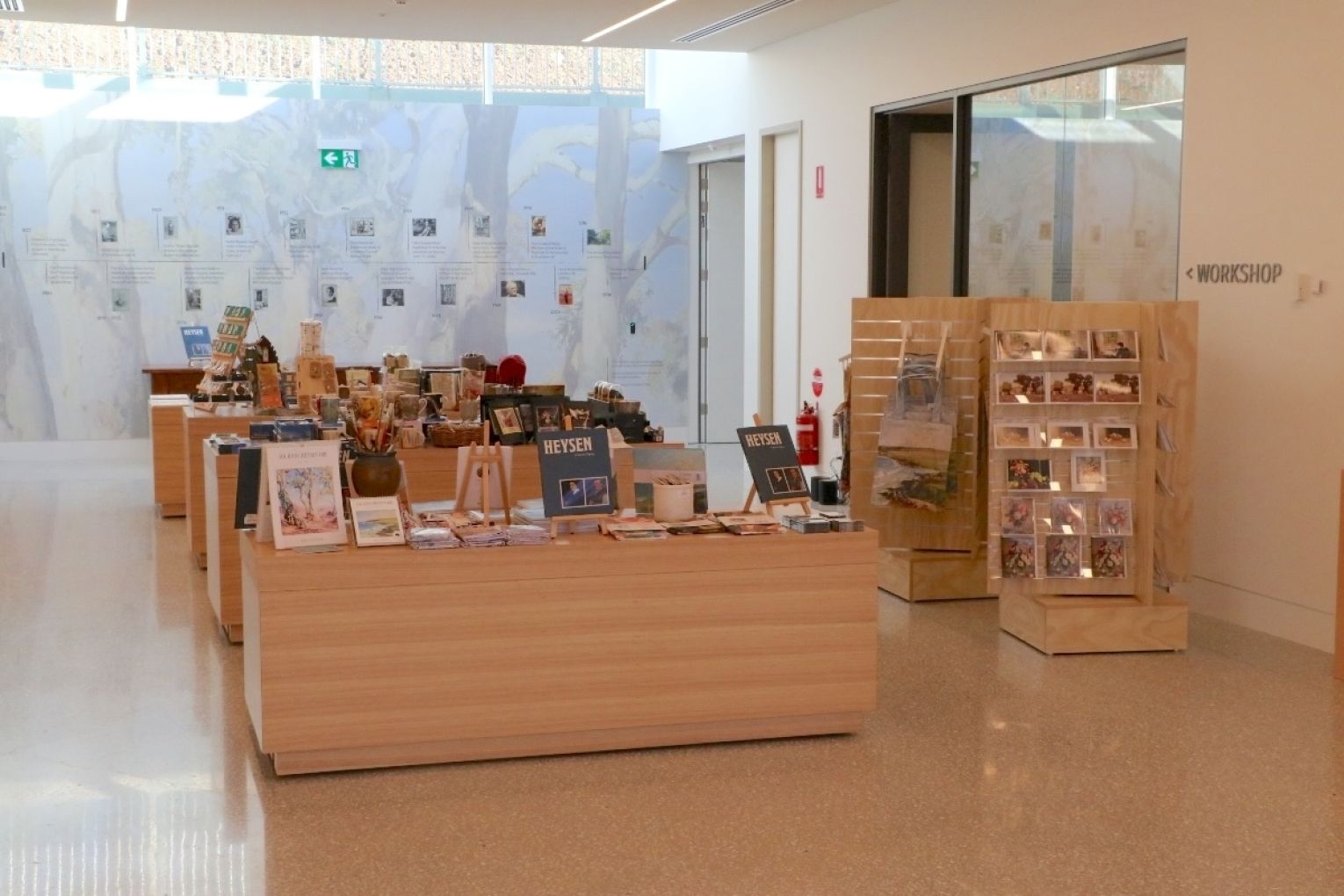
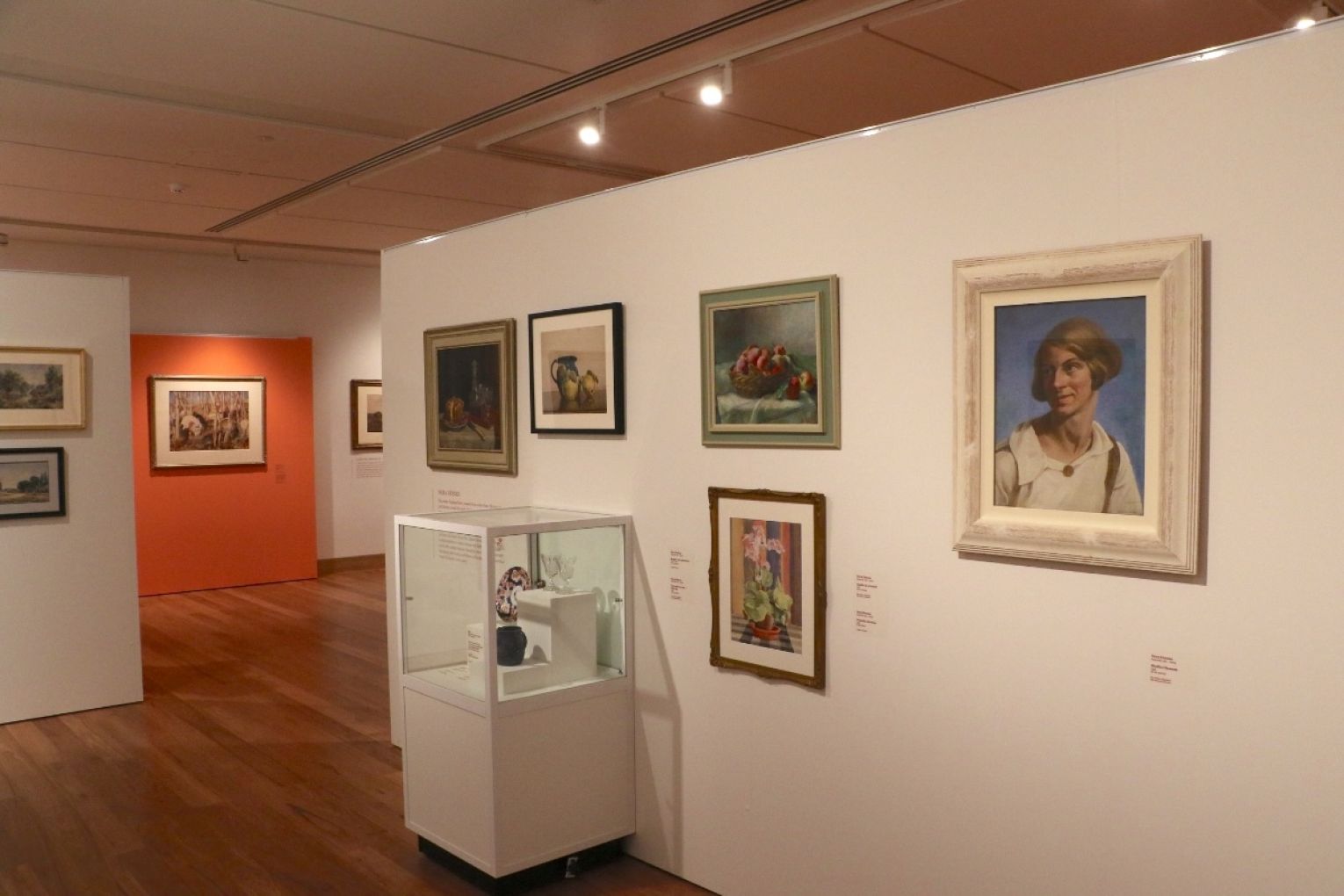
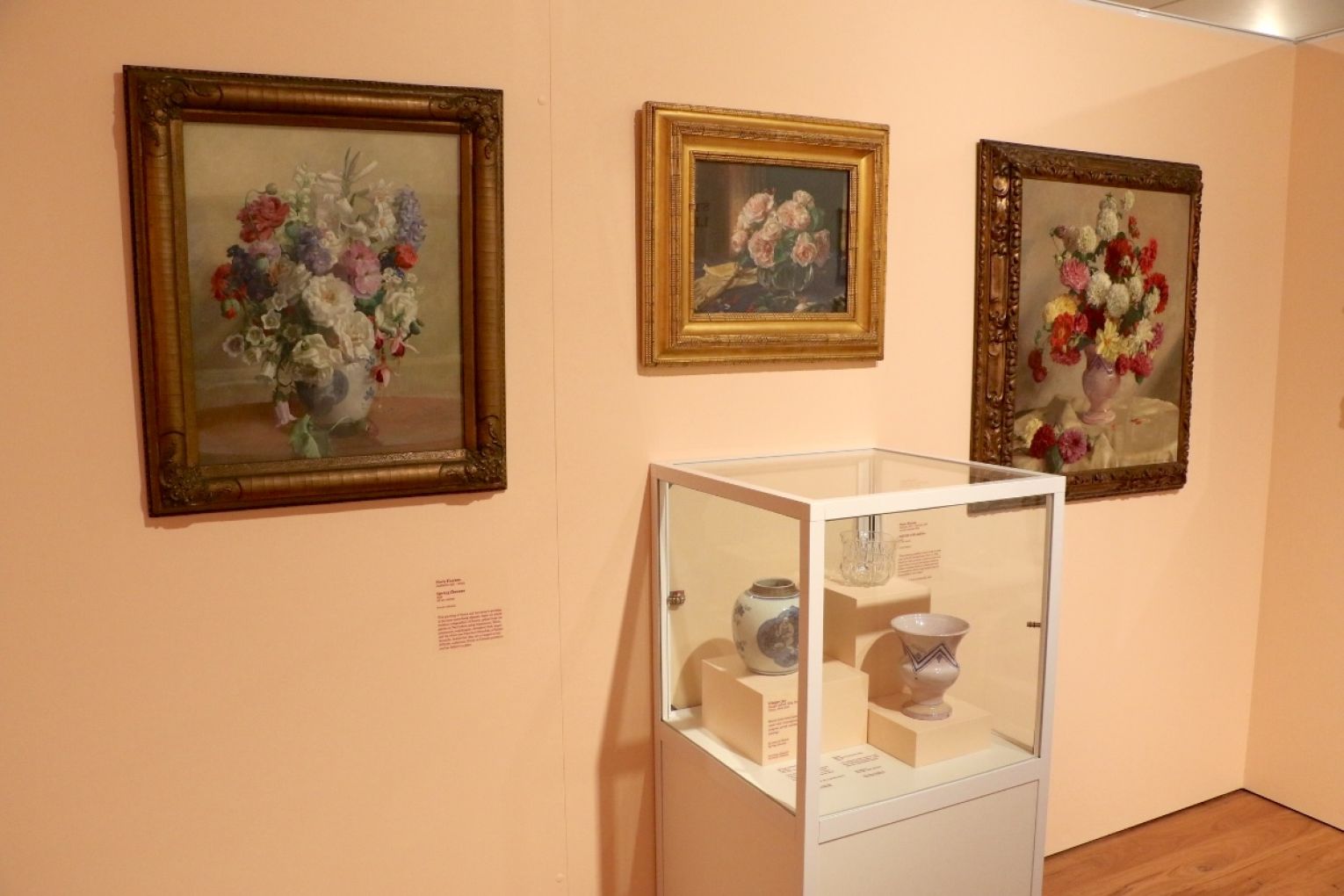
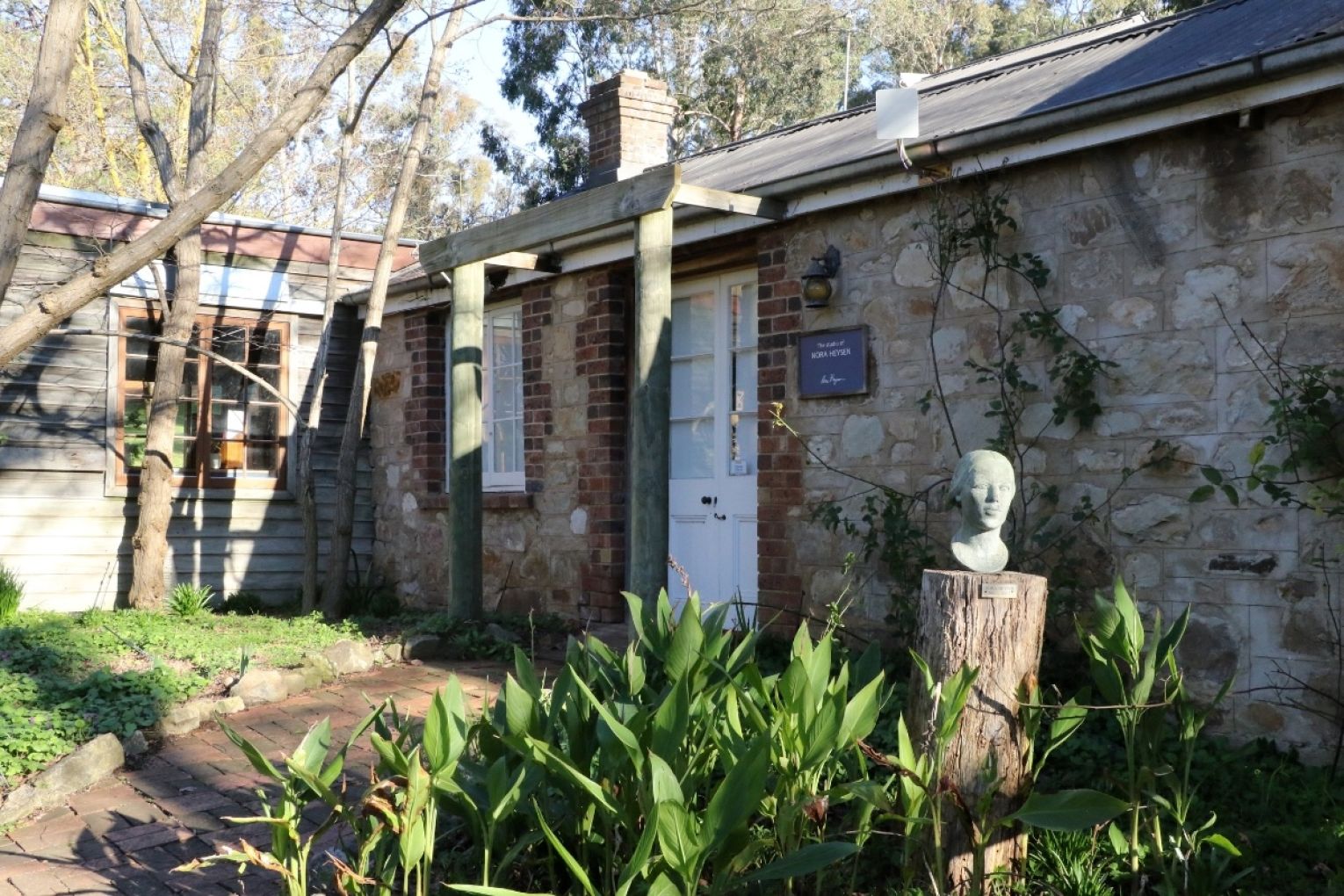
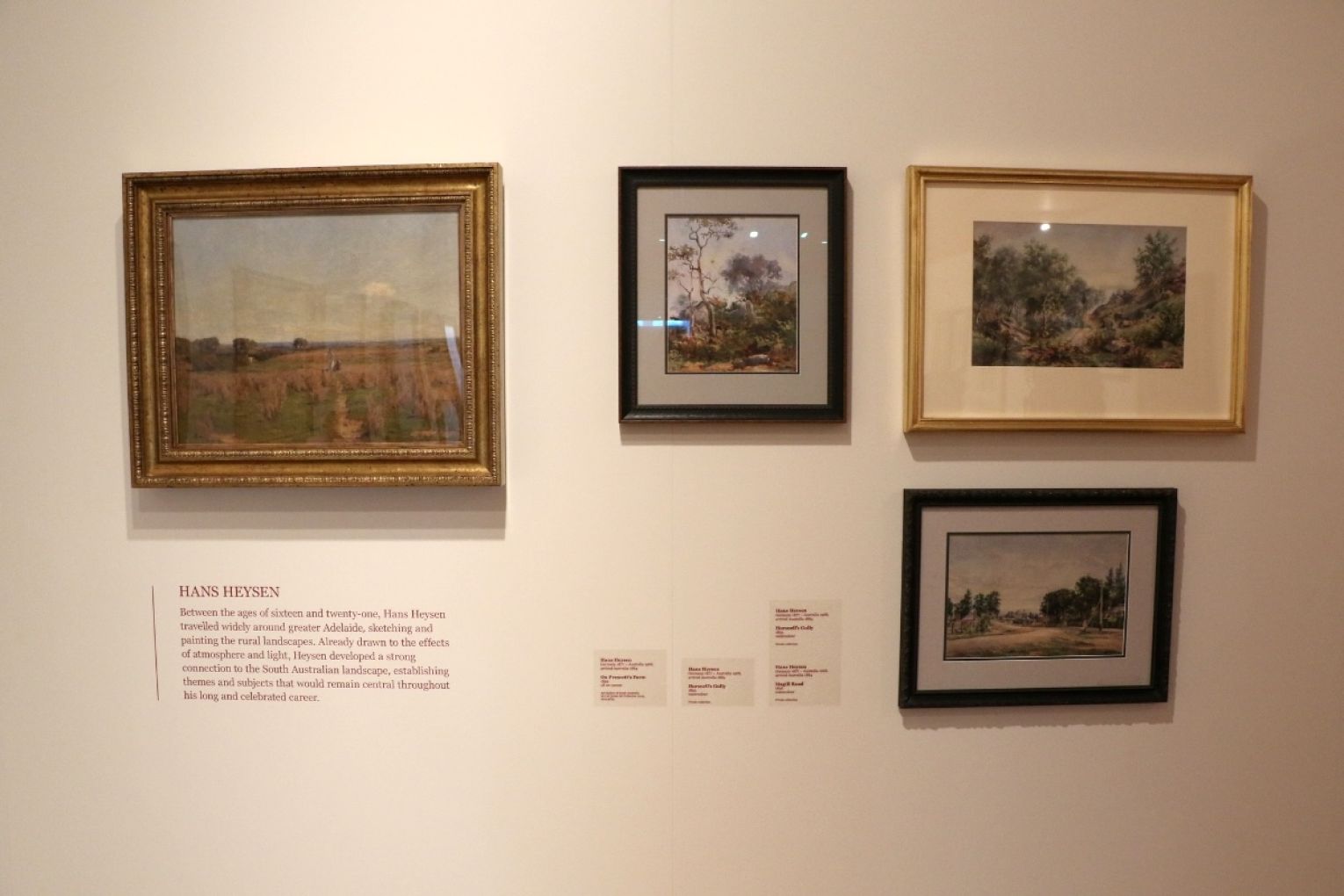
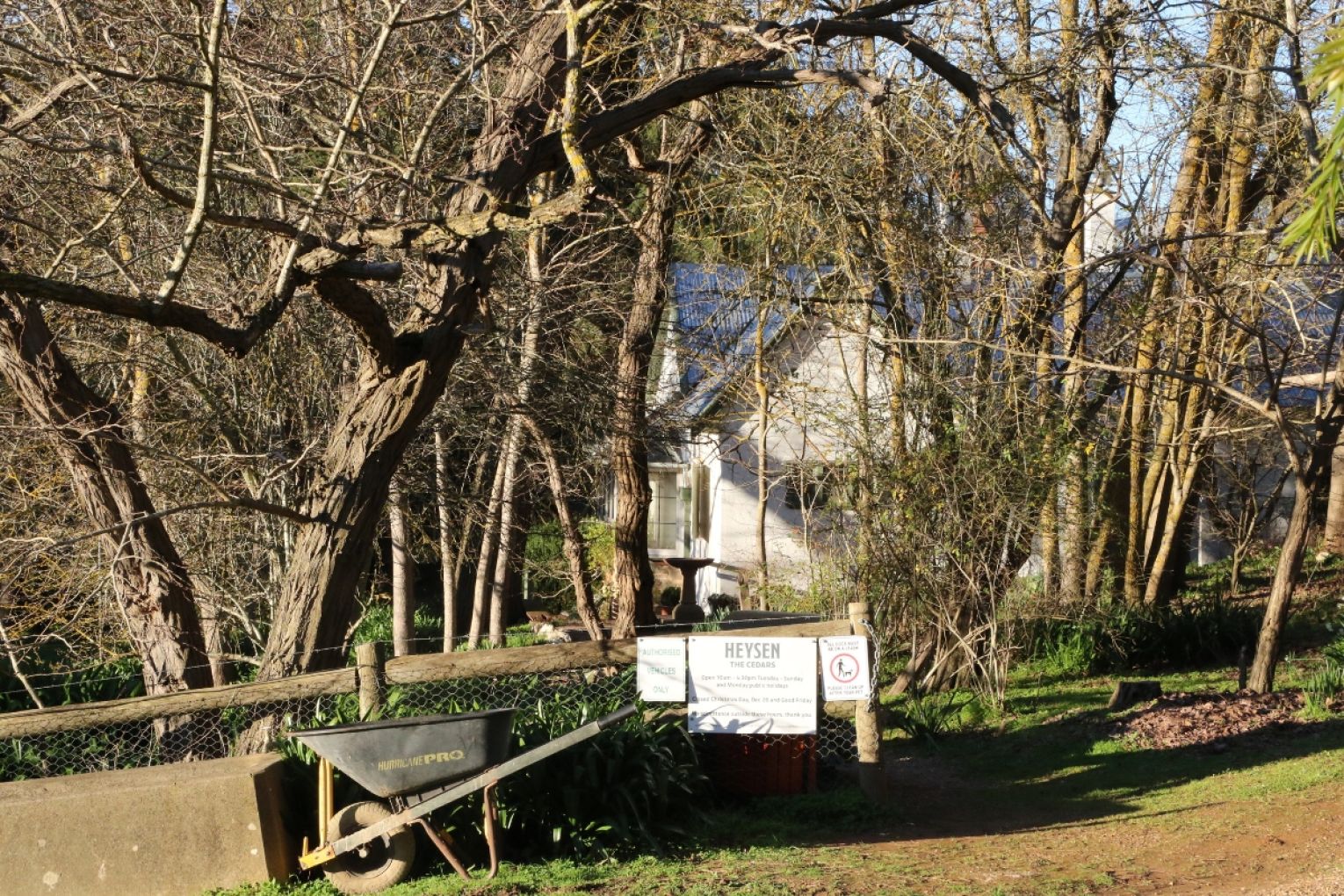
The brand-new $9 million Heysen Gallery has opened at The Cedars in Hahndorf, with its first exhibition, “Heysen: A Shared Legacy”, featuring artwork from throughout Hans Heysen and his daughter Nora’s dynamic careers.
Hans Heysen died in 1968, so he will never see his long-time vision for a gallery that has taken 60 years to eventuate, with much input from the Heysen family.
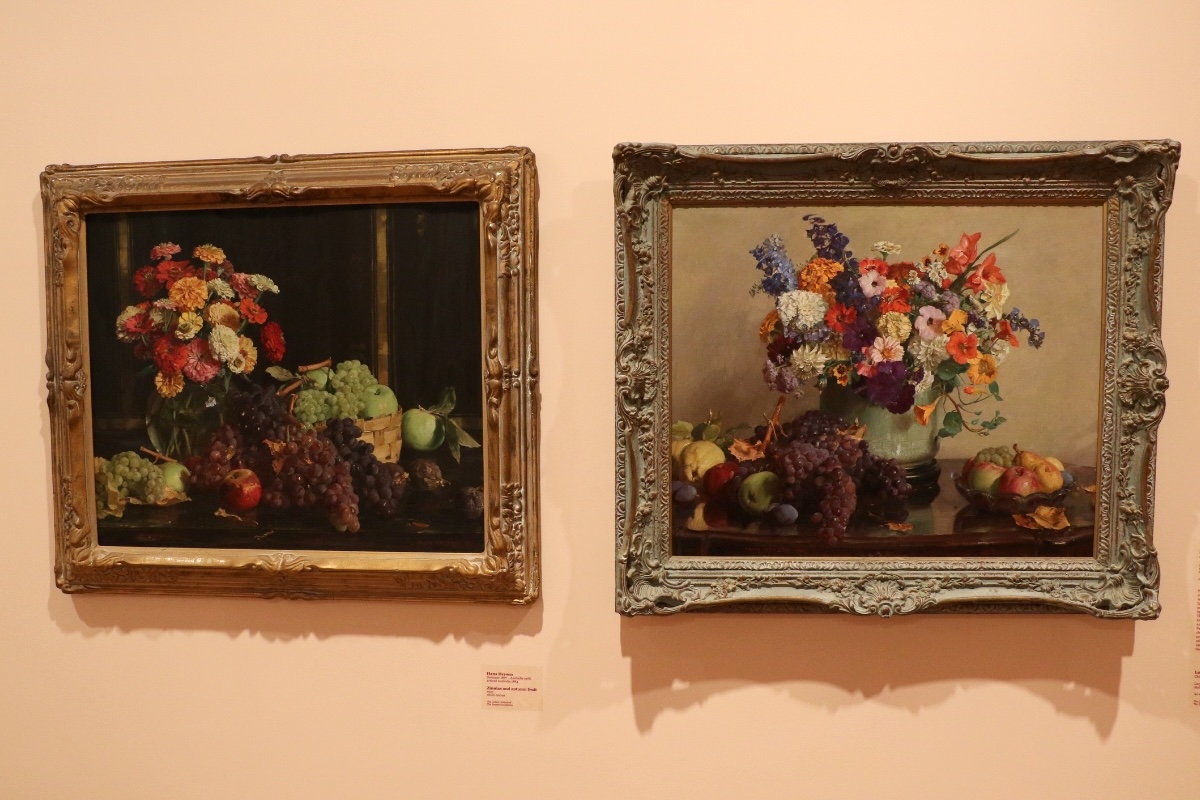
Among the artworks on display in the exhibition curated by Heysen expert Allan Campbell is a still life painted for the famed Russian prima ballerina Anna Pavlova, whose whereabouts had been unknown until recently, but that has now been reunited with its twin.
“One of Hans’s special paintings is a still life of zinnias and fruits that he did for his wife Sally, and that hangs above the fireplace in the dining room, and the prima ballerina Anna Pavlova came to look at it and fell in love with it and offered him a blank cheque for the painting,” explains Emma Farnam, who has been the manager of The Cedars for the past four years.
“On receiving it, I think she thought it was lovely, but it wasn’t quite what she wanted, so she sent it back, which is what prima ballerinas do.”
Apparently, it was the bowl painted into the picture that was not on point for Pavlova.
Pavlova is among many of the most famous names of the 20th century who walked through The Cedars doors over the decades, from Shakespeare actor Lawrence Olivier, to mime Marcel Marceau, British actress Vivien Leigh, New Zealand mountaineer and explorer Edmund Hillary and Australian operatic soprano Dame Nellie Melba.
You might like


“It was the place to be, the place to go if you were touring Australia. If you were any kind of celebrity or politician, it was the place to come and have dinner with the Heysens, look at the artwork, maybe buy some artwork,” Farnam said.
Farnam said the first exhibition at the new gallery, which opened this month, was about showing the mutual respect Hans and his daughter Nora had for each other as fellow artists.
“Even though it was Hans who started the story, Nora is such an important artist in her own right, and we wanted to just connect their legacies together,” she said, adding that many of the paintings on display were painted at The Cedars.
Farnam said the new gallery, which was designed by local firm Fore Design and cost $9 million to build, was important to safeguard the future of the historic site, which has been open to the public since the 1990s.
“They’ve been brilliant in designing a building that sits beautifully in the landscape,” she said of the gallery, primarily funded by the Federal Government.
She hoped the new gallery would make The Cedars somewhere people come back and visit again and again, saying, “We want to be at the top of people’s itinerary” when visiting South Australia.
“It’s a hidden gem – our volunteers just love showing it off and telling the story. I love showing it off and telling the story, but now with the gallery, we can really put it on the map and ensure its future,” she said, adding that a massive increase on last year’s 14,000 visitors was expected as a result.
Stay informed, daily
Farnam said having somewhere spacious enough to display Heysen artworks was a priority of the design, as well as protecting and preserving the Heysens’ works and personal collections.
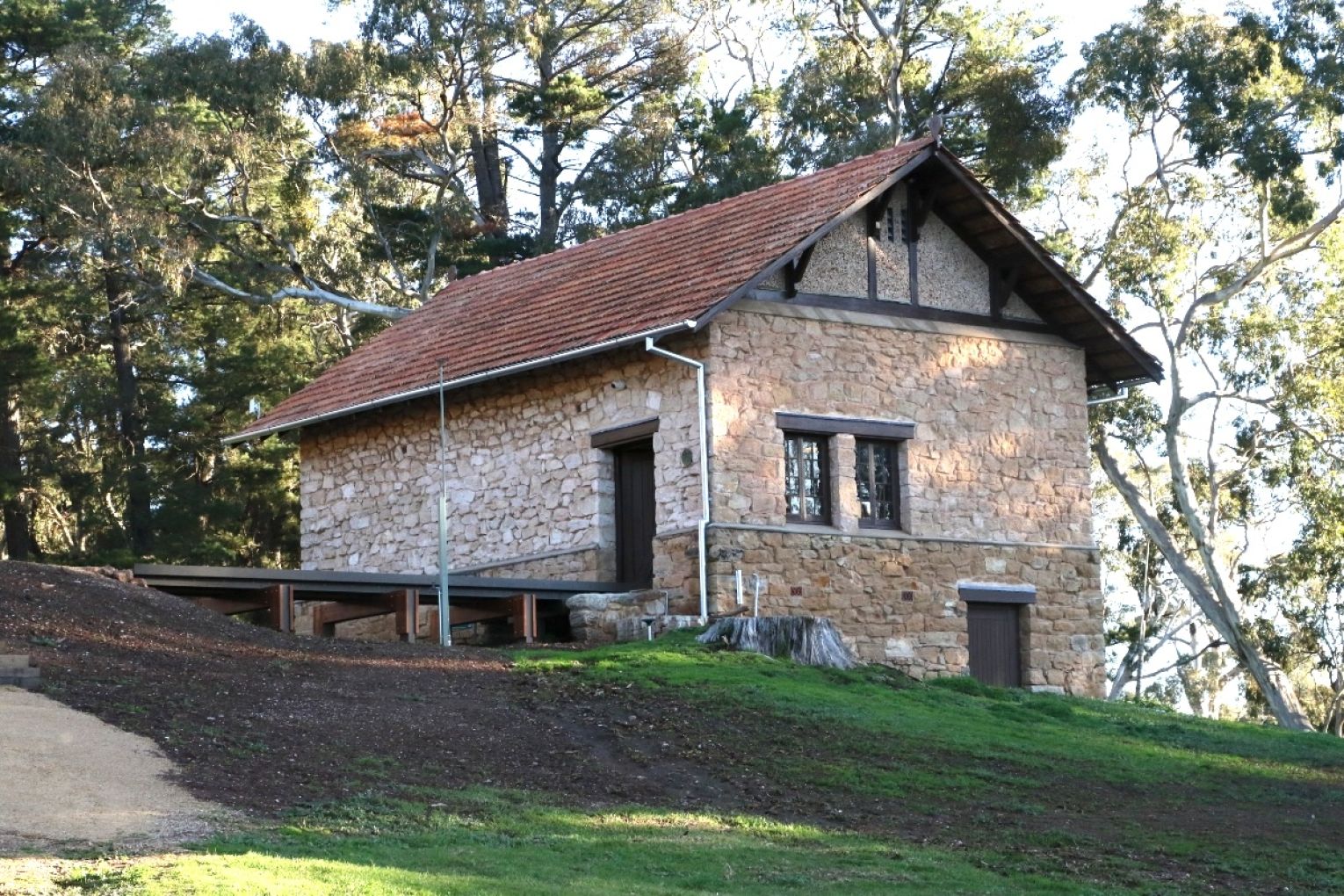
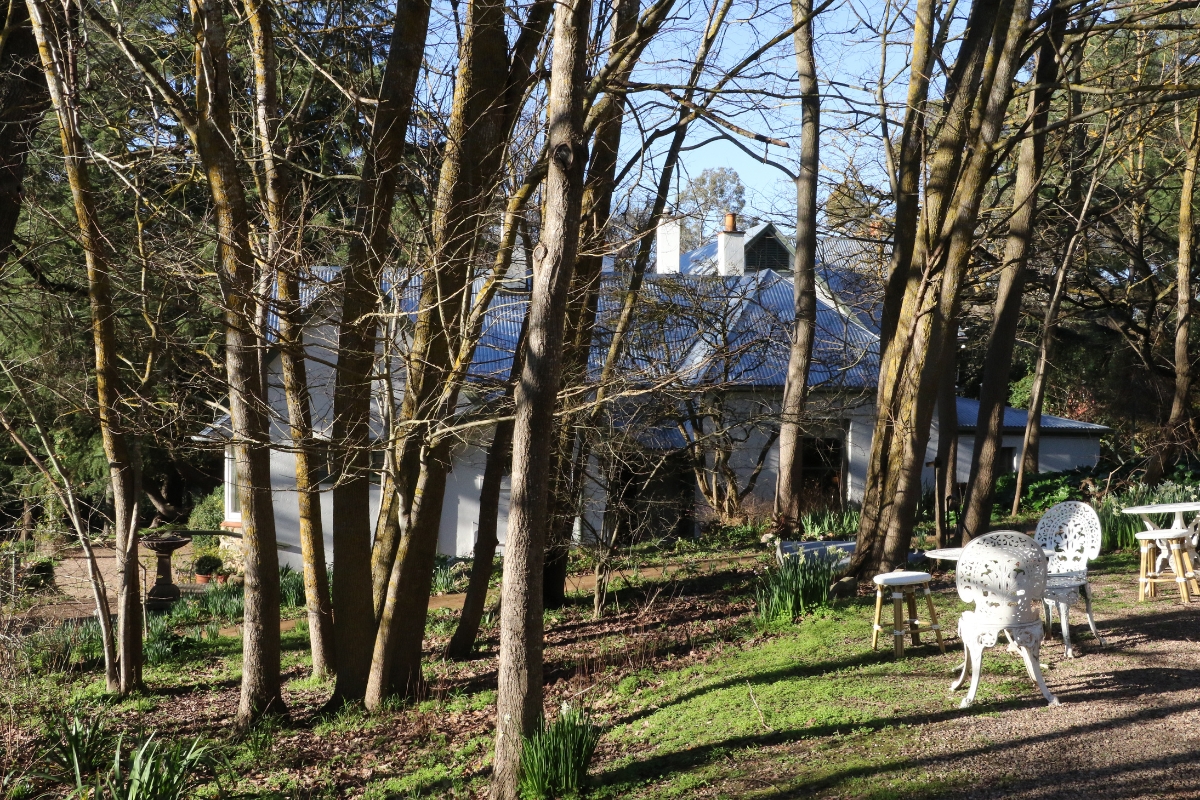
The site opened to visitors is home to the famed Heysens’ historic villa, which would continue being used for smaller exhibitions, as well as Hans’s and Nora’s art studios, on a picturesque 130-acre Adelaide Hills property.
Farnam said the Heysens purchased the property in 1912, remodelling the 19th-century house in the fashionable Arts and Crafts style.
The Heysen Gallery will have a space permanently dedicated to displaying works from Hans and Nora Heysen and will also have a revolving exhibition program featuring works from other artists.
It includes an exhibition space for artworks, as well as a temperature-controlled archive space, Farnam saying it was a “big relief” considering the bushfire risk in Hahndorf.
“Now we can put it in our archives and storage area and keep it safe for generations, and also for research and education,” she said.
Another key feature of the new building is a workshop area, which will be used for school groups, art classes, curatorial talks and academic study.
“This workshop area now gives us a chance to really give people the opportunity to immerse themselves in The Cedars,” Farnam said.
Farnam said there were also plans to ramp up the picturesque site’s use for events and weddings.
“It’s 130 acres of places where people can just come and paint or just walk – there’s so much to do that interests so many people,” she said.
Asked if The Cedars receives enough government support, Farnam said that they would welcome government funding, but have thrived until now by themselves.
“I think that this place, The Cedars, is such a unique and important part of South Australia’s history and arts and culture background that it would be odd for the state government not to want to keep us going,” she said.
Want to see more stories from InDaily SA in your Google search results?
- Click here to set InDaily SA as a preferred source.
- Tick the box next to "InDaily SA". That's it.