SA researcher growing ‘mini brains’ to fight deadly childhood disease
A top SA-based researcher is using human tissue to grow “mini brains” in groundbreaking work straight out of a science fiction novel, one mother’s pleas driving efforts.
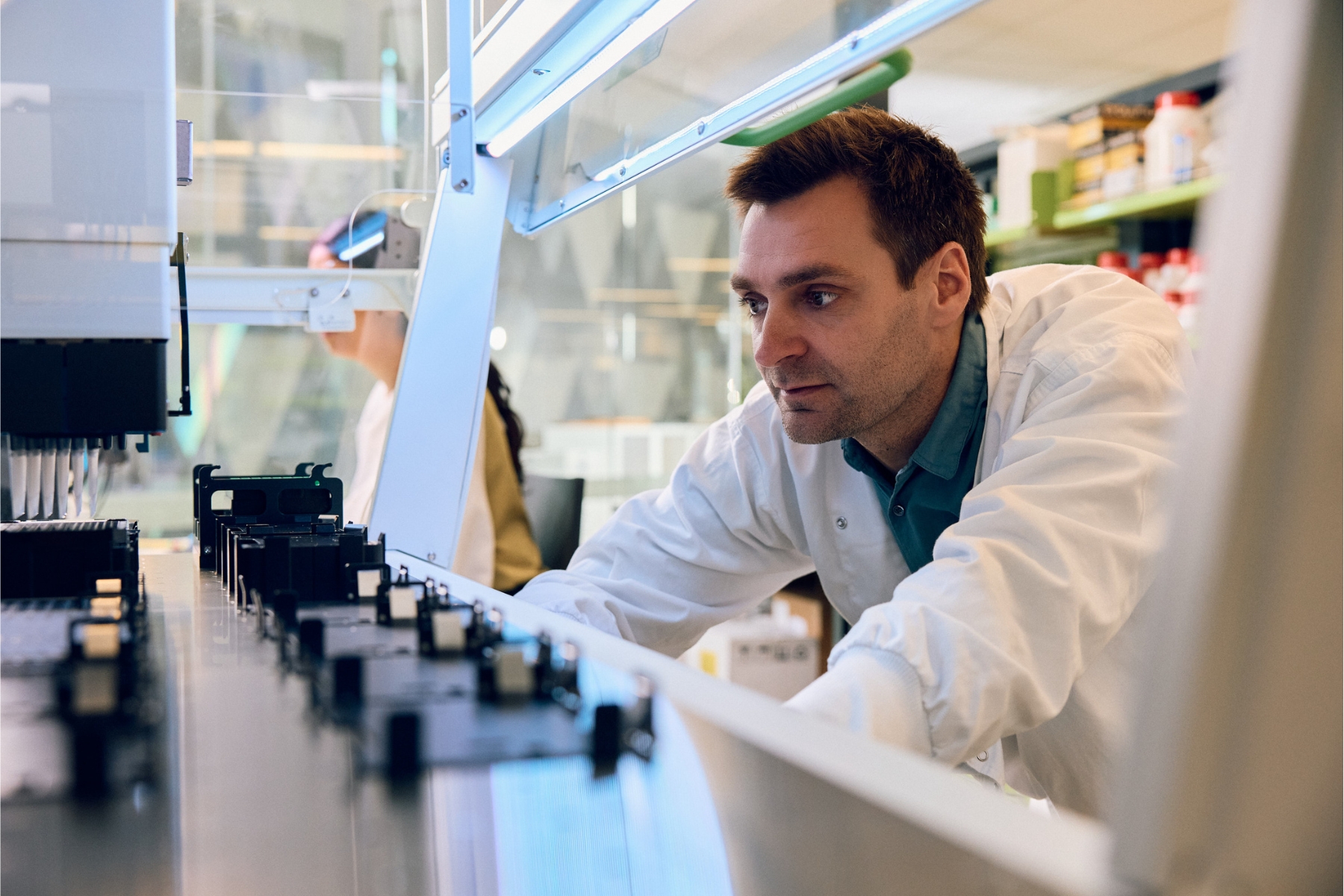
In the heart of Adelaide’s high-tech medical research centre is a team of around 15 scientists hoping to play a major role in curing some of the most debilitating brain disorders and cancers.
By growing miniature brains dubbed “brain organoids” that are fed with a “cocktail” called BrainPhys, the scientists at the South Australian Health and Medical Research Institute (SAHMRI) can now test potential cures for disorders like childhood dementia, brain cancer and Parkinson’s.
Professor Cedric Bardy is leading the ground-breaking research that is based on stem cell science, research that has enabled scientists to grow living human tissue in a petri dish.
Bardy has then used this tech to grow human brain tissue and create what he calls “brain organoids”, or miniature brains. These brains are then fed ‘BrainPhys’, a “cocktail for the brain” invented by Bardy in the United States in his bid to fight diseases that affect the human brain.
One target area is childhood dementia, a rare brain condition that affects one in every 2900 babies globally, causing symptoms like memory loss, speech loss and confusion.
Bardy cites sad statistics that half of all children with dementia die by the age of ten. There were an estimated 1400 children currently living with childhood dementia in Australia.
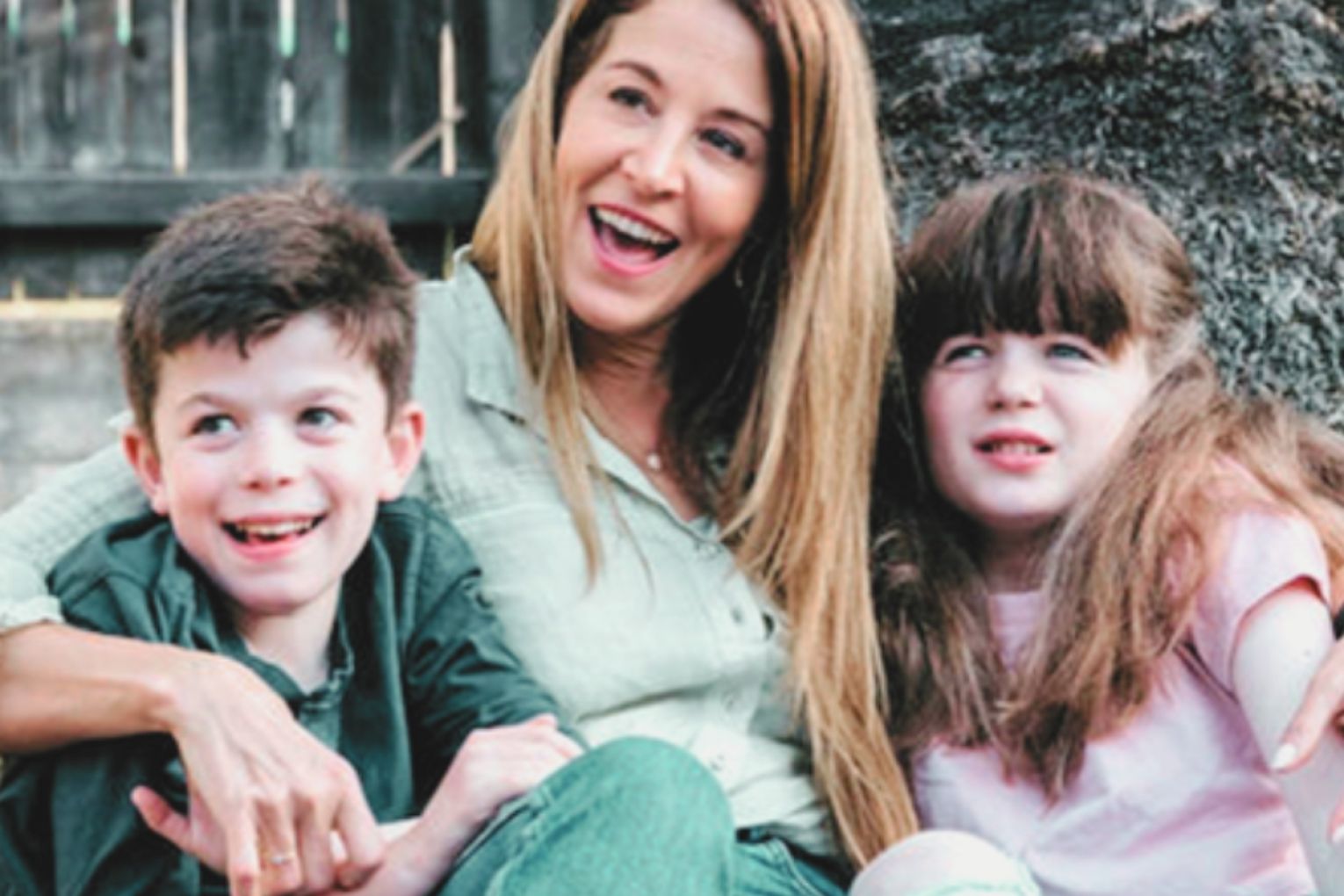
He told InDaily of initially wanting to focus on Parkinson’s, but after setbacks in landing funding, he met Megan Maack, who had two children suffering from childhood dementia.
It was her passionate plea that led to Bardy receiving $2.5 million from the Federal Government – enough to get the project started. Maack is now the CEO of the Childhood Dementia Initiative, and her children are still living with dementia.
You might like

“We like to start with a problem, something that can have an impact on people – in this case childhood dementia – and use that technology that we’ve developed to make a difference,” Bardy told InDaily.
He tells how, by growing these miniature brains from a sample set of children with dementia and those without, he can test potentially life-changing drugs by comparing the two and seeing “clear differences” in the cells. Artificial intelligence is also being deployed to speed up this spot-the-difference method of analysis.
Bardy sees his tech as an important step between animal testing and human clinical trials. Given these drugs are targeting the brain, things can go wrong.
“Think about it as an avatar. It’s brain cells from the kid, it’s not a full brain. But it’s a brain replica, or miniature. It’s human, and its life, and it’s from the kids with the problem,” said Bardy, who is also a Matthew Flinders Professor at Flinders University.
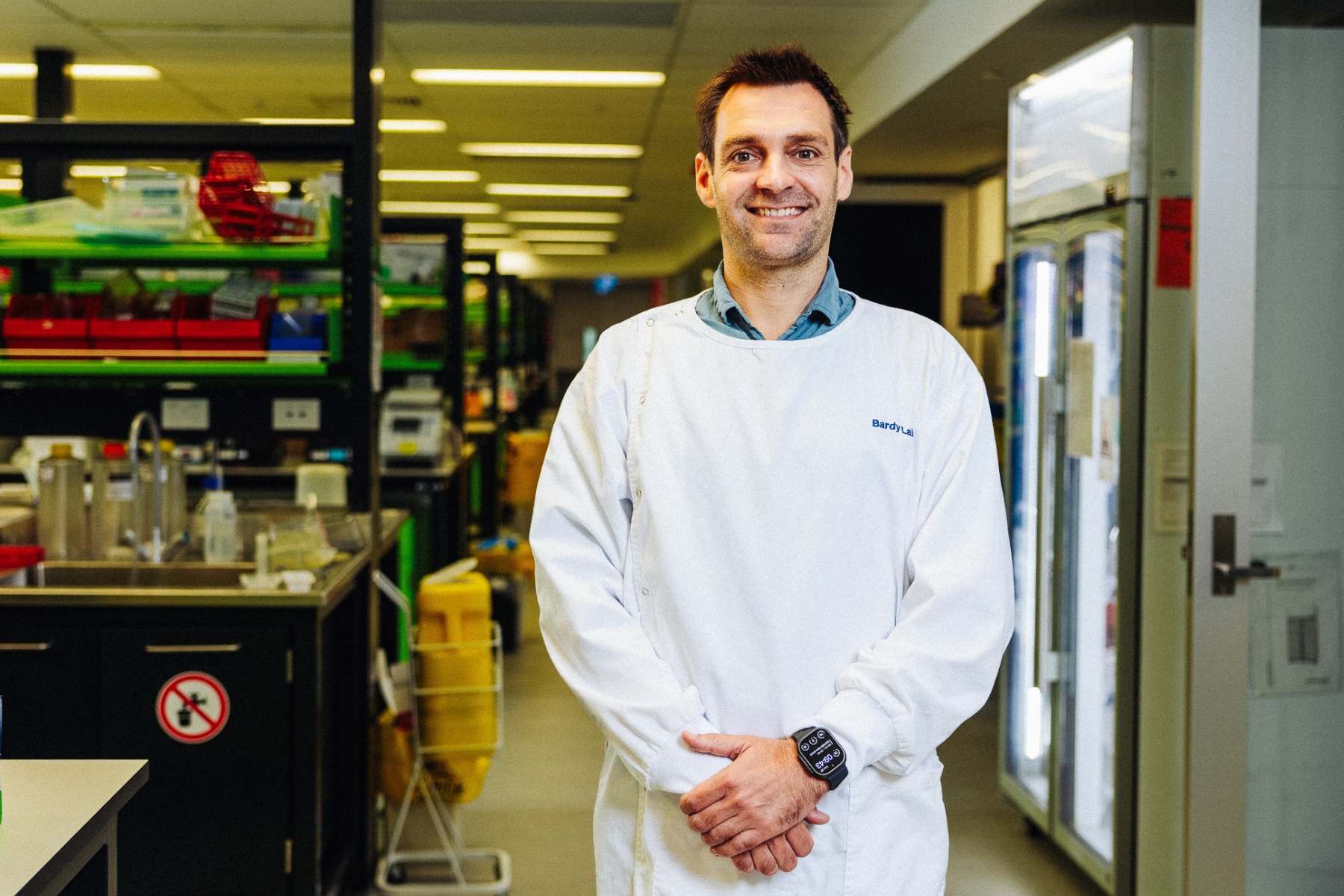
The company has since received funding to extend their research into Parkinson’s and brain cancer, the three projects taking up the group’s resources.
But a wildly competitive research funding landscape has meant the Group Leader of the Laboratory for Human Neurophysiology and Genetics at SAHMRI was spending more time writing distracting grant applications than ever, with just a slim shot at successfully securing cash.
So now Brain Organoid Therapeutics – founded by Bardy – is being turned into a medical science company in which Bardy and his team would give pharmaceutical giants access to his ground-breaking advancements in stem cell research to test potential brain disease cures.
Bardy, born in France, is fascinated by the human memory – an interest he developed while studying in Canada: “I thought it was the most amazing thing ever”.
Having studied and worked across the globe from Paris to Sydney and Montreal, Bardy settled in Adelaide 10 years ago.
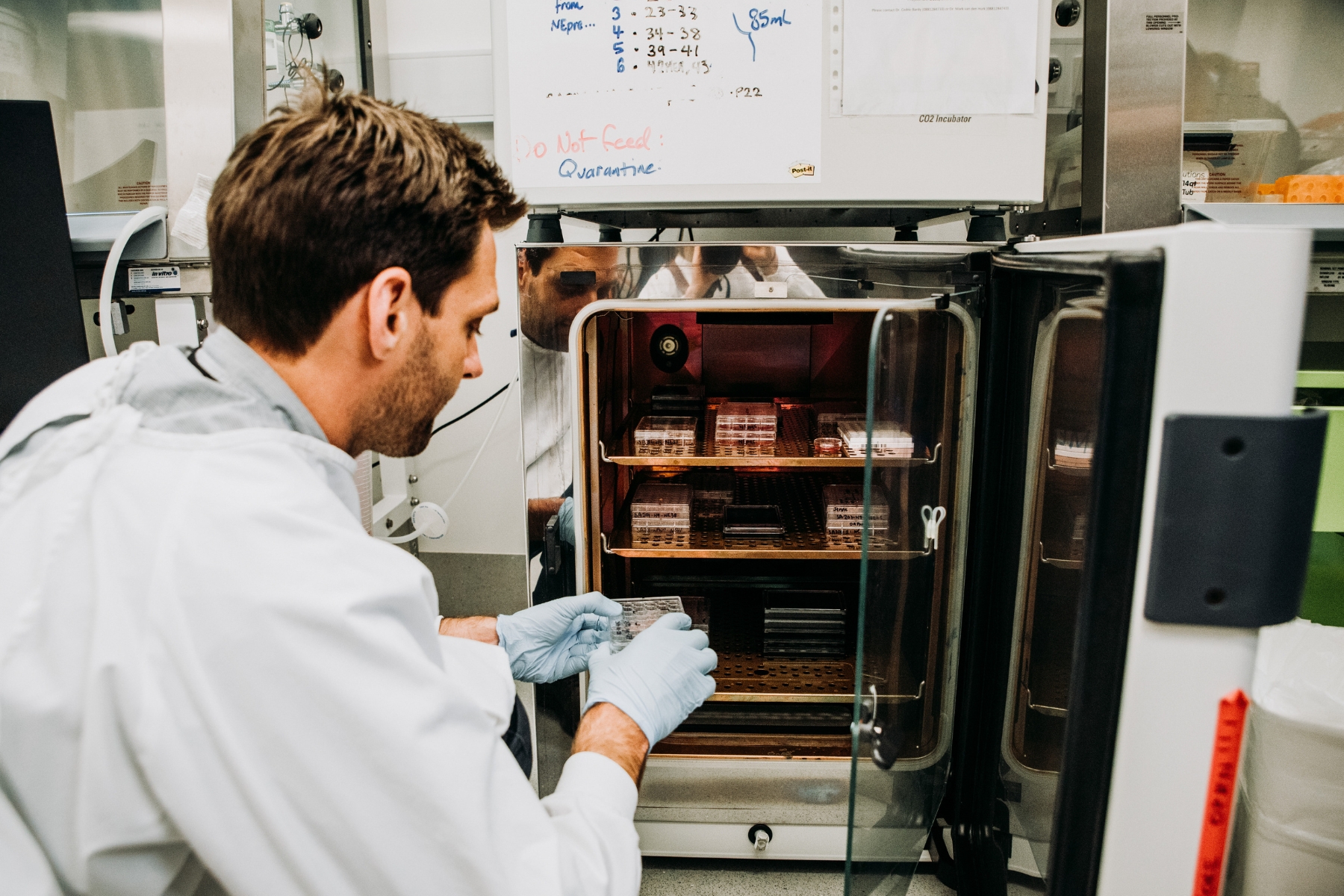
Bardy said the work had far-reaching applications – for example, he tells of conducting research with two other paediatricians to select 65 drugs “they always wanted to test”.
Stay informed, daily
“But it’s too expensive to test in a clinical trial,” he said.
“Some drugs they give to patients without really knowing if it works.”
In terms of his key work targeting childhood dementia, he said machine learning was key to this process. A special microscope can take thousands of images of the mini brains, which are fed into an algorithm that can tell whether the cells are from a healthy brain or from a child with dementia.
“The cool thing is now that we’ve trained this program to do that, we can put the image of a brain after using the drug and compare it. The machine has never been trained with drug versus no drug, so we can trick the program into thinking the cells come from a healthy kid even though it didn’t.
“That shows proof of efficacy. It’s a fancy way to evaluate the efficacy of a drug, and it’s not just fancy because it’s innovative; it’s special because it’s completely unbiased. It’s the machine doing it.”
Bardy said his lab was established as an academic lab and structured traditionally in the sense that it received grants.
“But the funding in Australia is just ridiculously low; it’s literally not enough,” Bardy said.
“We’re constantly being asked to do more than less. We spend a lot of energy writing this amazing research proposal, and there’s a 10 per cent success rate.”
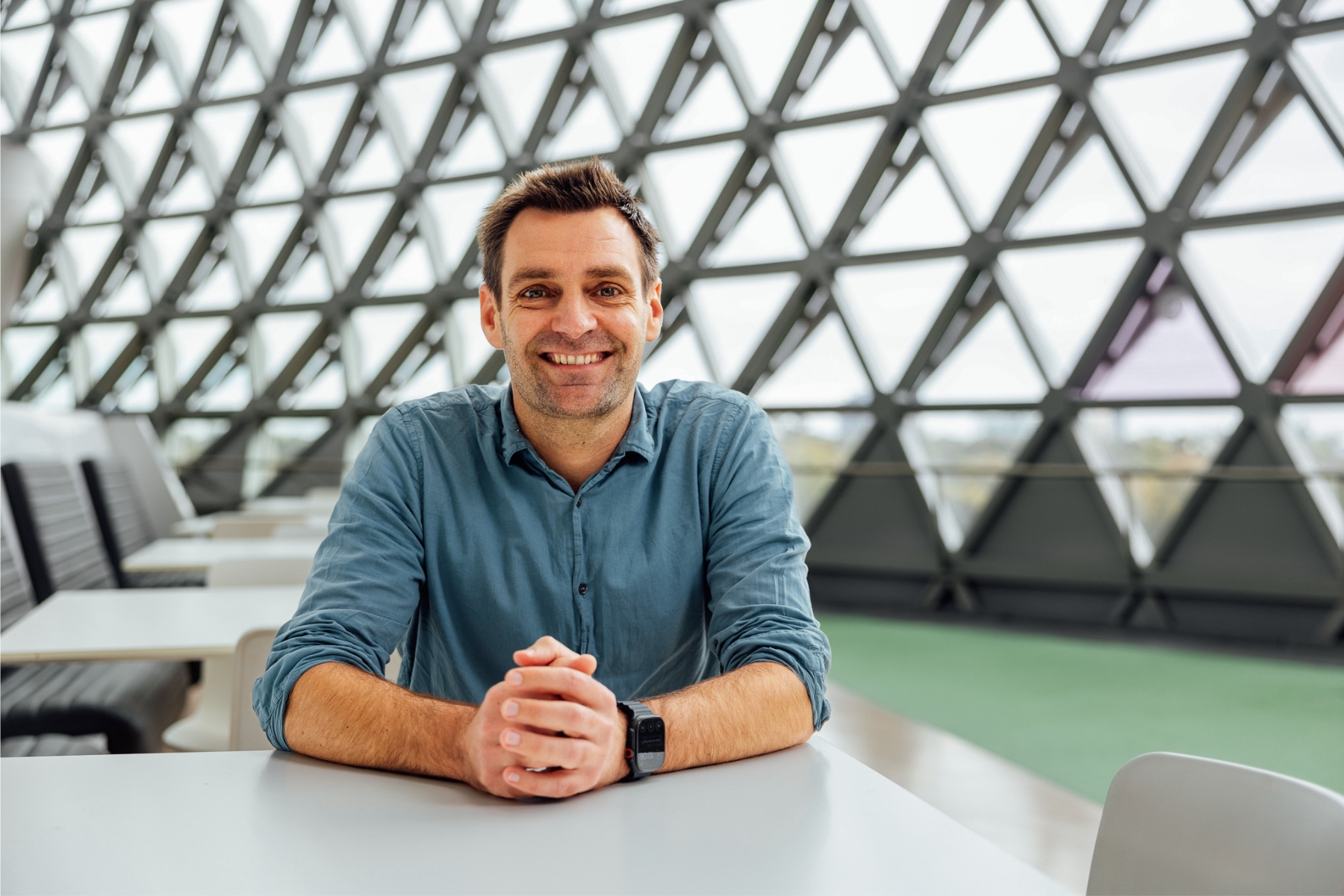
He said that it was about two years ago that he decided to turn Brain Organoid Therapeutics into a business.
“Initially by necessity to diversify the source of income for the lab, and also to give it a bit more opportunity for people in my group and leadership,” Bardy said.
While he could not name his commercial partners on the record, some of the company’s clients include the most prominent names in pharmaceuticals.
They were approaching the company because he could save them money by ruling out potential clinical trial drug candidates before they are ever tested on humans.
“We’re literally adding a new step that didn’t exist before, and this is our mission – by adding a step we can reduce the failure,” Bardy said.
“There’s always going to be some risk, but if we can reduce that risk, that’s huge.”
Want to see more stories from InDaily SA in your Google search results?
- Click here to set InDaily SA as a preferred source.
- Tick the box next to "InDaily SA". That's it.