How America’s ‘Glass City’ forged a remarkable art legacy
The former industrial might of Toledo, Ohio has left the city with a rich public art collection spanning works by Monet, Van Gogh, Picasso, and Matisse. This week, the treasures of Toledo Museum of Art come to Adelaide.
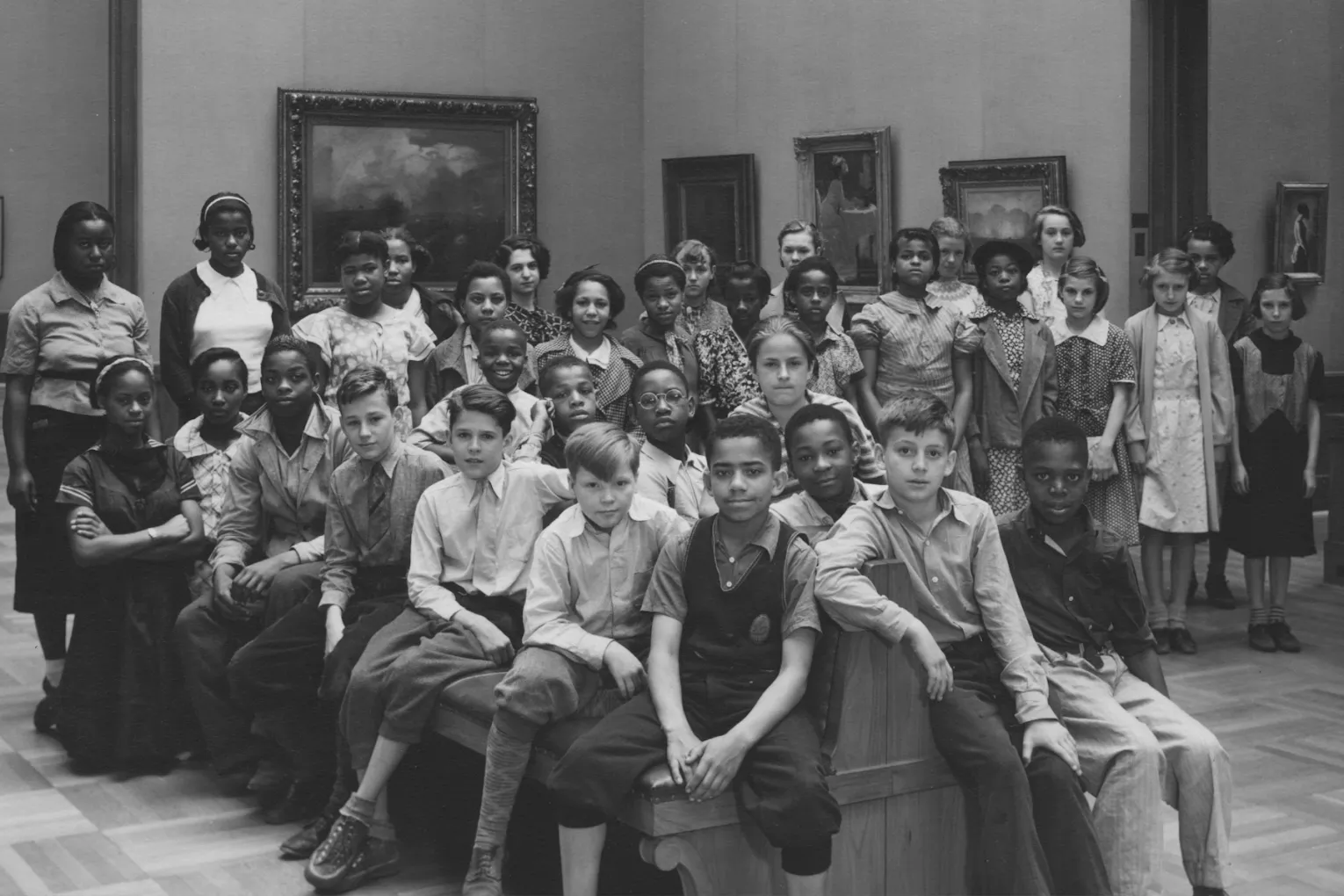
Outside of the United States, the city of Toledo, Ohio’s most recent claim to fame is as the setting of The Paper, a spin-off of the hit sitcom The Office. Fans of the franchise might recognise that this isn’t necessarily a point of flattery; from Slough in Berkshire to Scranton, Pennsylvania, its locations are usually chosen for a certain kind of middle English and American malaise rather than their cultural renown.
Andrea Gardner, assistant director of the Toledo Museum of Art, says that back home, telling people you’re moving to Toledo can often invite raised eyebrows.
“It certainly went down in that big slump of the 70s, 80s and 90s,” Gardner says of the years of deindustrialisation that hit many towns in America’s ‘rust belt’. “But now it’s turning a corner; we’re definitely on the upswing, and trying to figure out, ‘What’s our new identity?’”
It wasn’t always this way. At the turn of the 20th century, Toledo was riding high on a wave of industrial growth as the site of a booming glass manufacturing industry that inspired its nickname, the ‘Glass City’.
Leading the charge was Edward Drummond Libbey, the heir to a New England glass works who moved the family firm to Toledo in 1888. Business exploded as the company cracked the secret to large-scale automated glass manufacturing, cranking out bottles and light bulbs in their millions.
Shortly after arriving in town Libbey met Florence Scott, the art-loving daughter of an influential real estate family whose cultured tastes soon rubbed off on her husband. Like so many of America’s swelling ranks of 19th century robber barons and nouveau riche – the Fricks, Gettys, Guggenheims – the Libbeys would devote part of their fortune to amassing a fine collection of art. But Gardner says Edward and Florence weren’t buying for their own private enjoyment.
“They wanted to legitimise Toledo, which meant they needed to get an art museum,” Andrea says. “They wanted it to be the Toledo Museum of Art, not the Libbey Museum of Art,” Andrea says of the Libbeys’ public spirit. “And that was very much their intention – and that it would be free.”
You might like
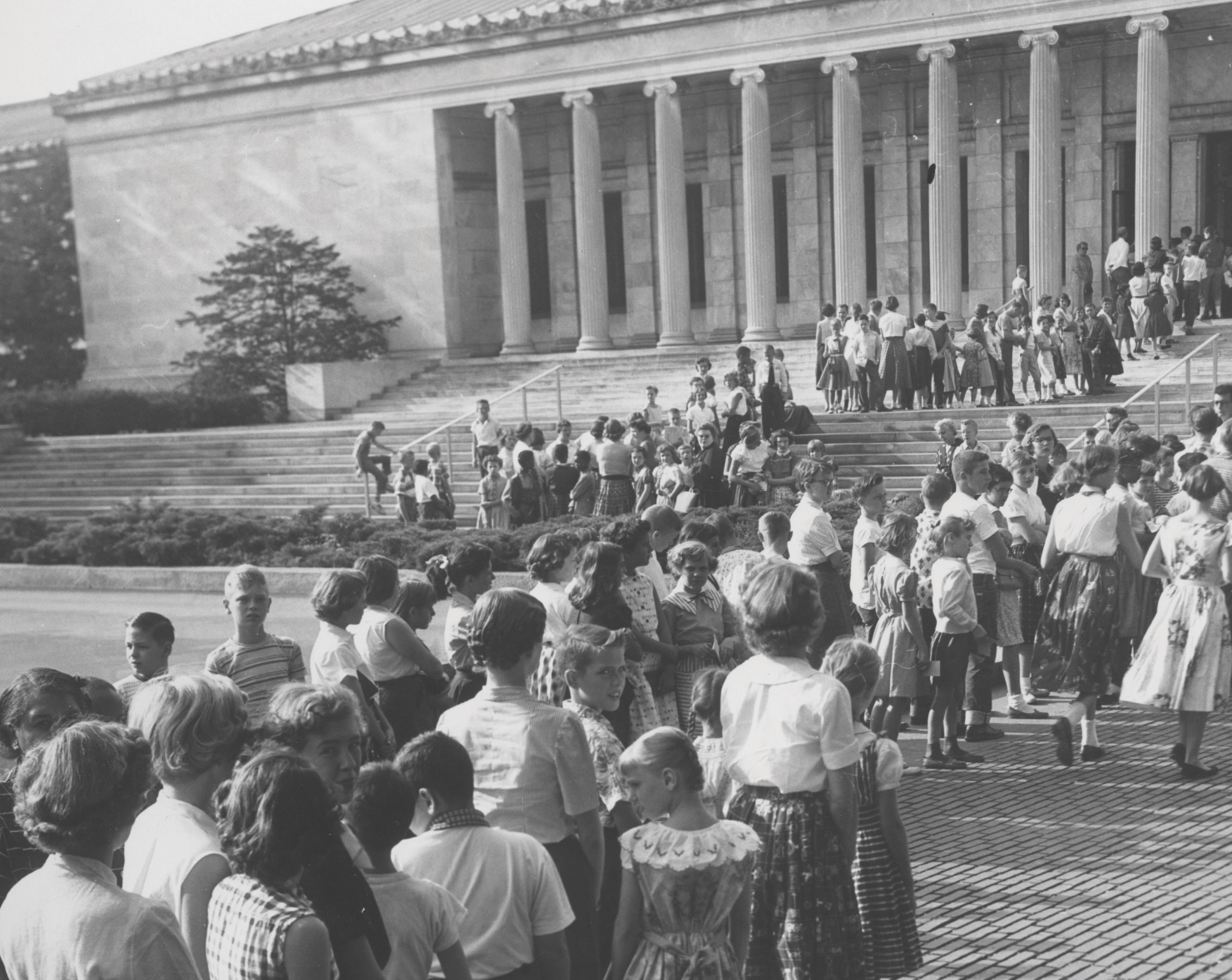
In 1901, the Libbeys helped establish the museum on land donated from the Scott family home. They also helped bankroll construction of its original neo-classical building – a “white marble temple” built by “modern bottle magic”, marvelled one local newspaper report when it finally opened in 1912.
To fill this temple, the Libbeys travelled the world scooping up works by Rembrandt, Holbein, and Turner – photographs from one grand tour in 1906 capture the pair on matching camels, as they swept through Egypt collecting antiquities. But the contributions made during their own lifetimes were just the start.
“They didn’t have children, so they ended up leaving their estate to the museum,” Gardner explains. “And they had this amazing foresight that the proceeds from this endowment, that we draw on every year, 50 per cent goes to purchasing art. Because of that, we were able to purchase these amazing works of art throughout our entire history.”
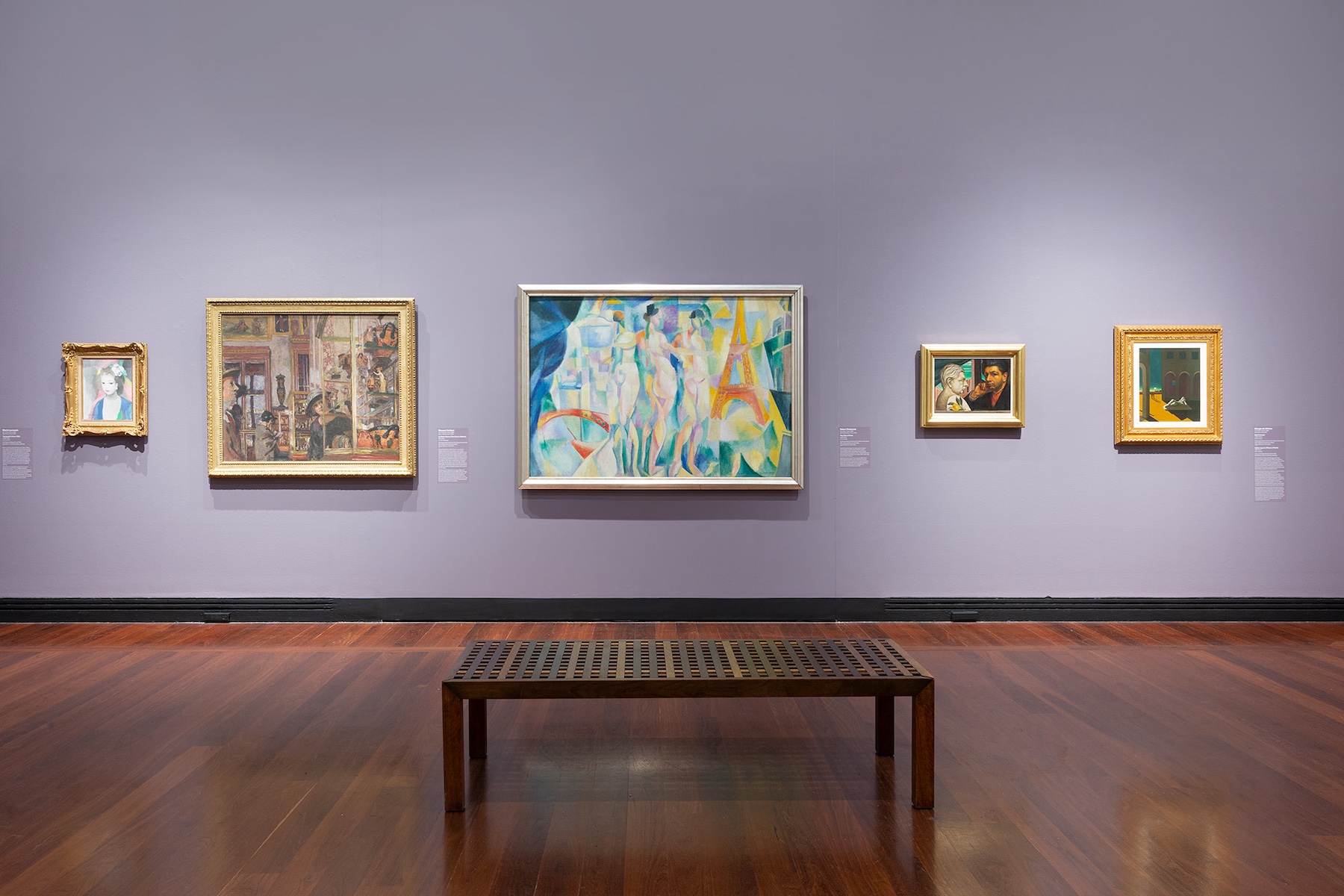
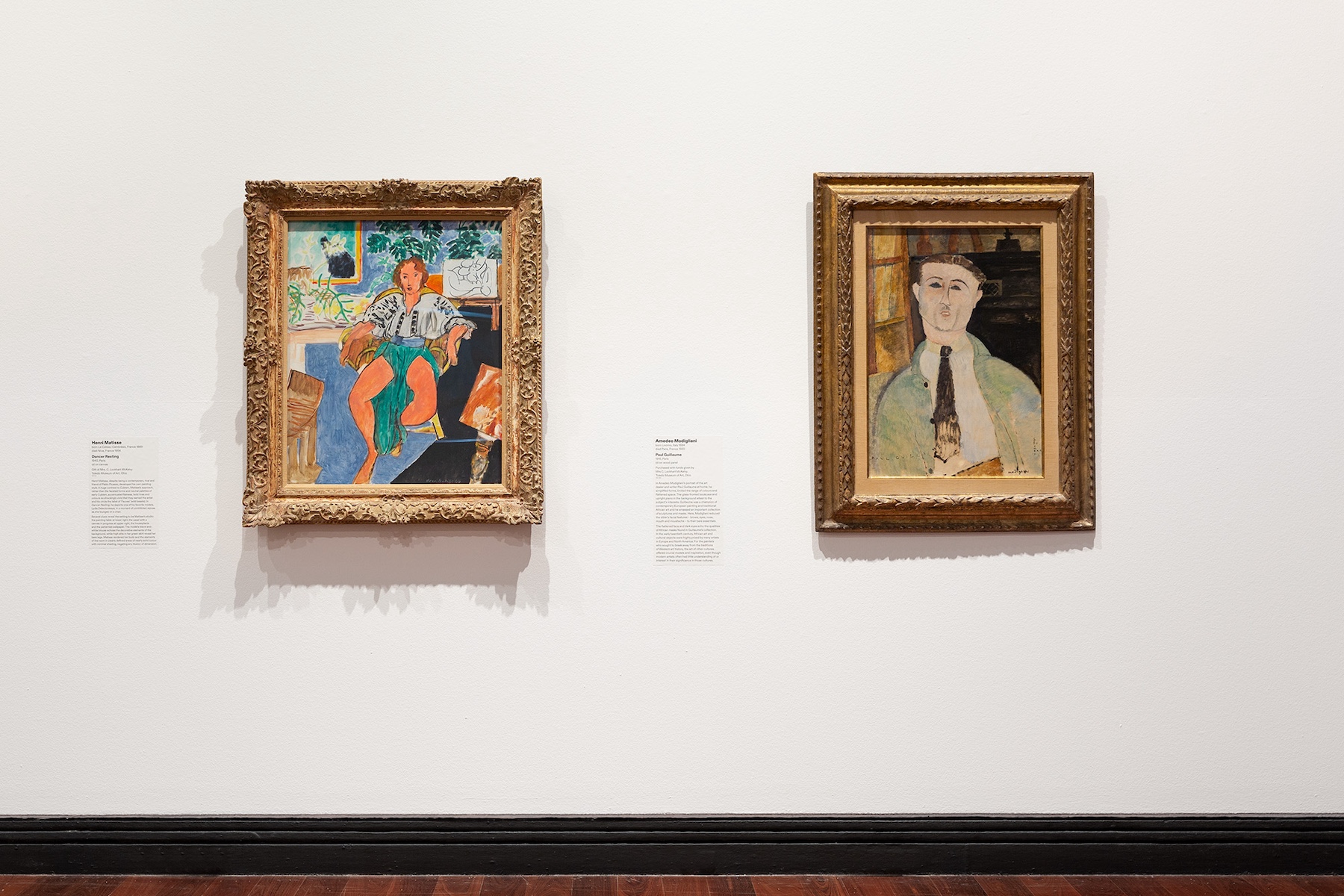
For a century, generations of directors and curators at the Toledo Museum of Art have spent the Libbeys’ glass fortune well, snapping up pieces from Picasso, Cézanne, Gauguin, Van Gogh, Mondrian, Albers, Rauschenberg, Monet and Matisse.
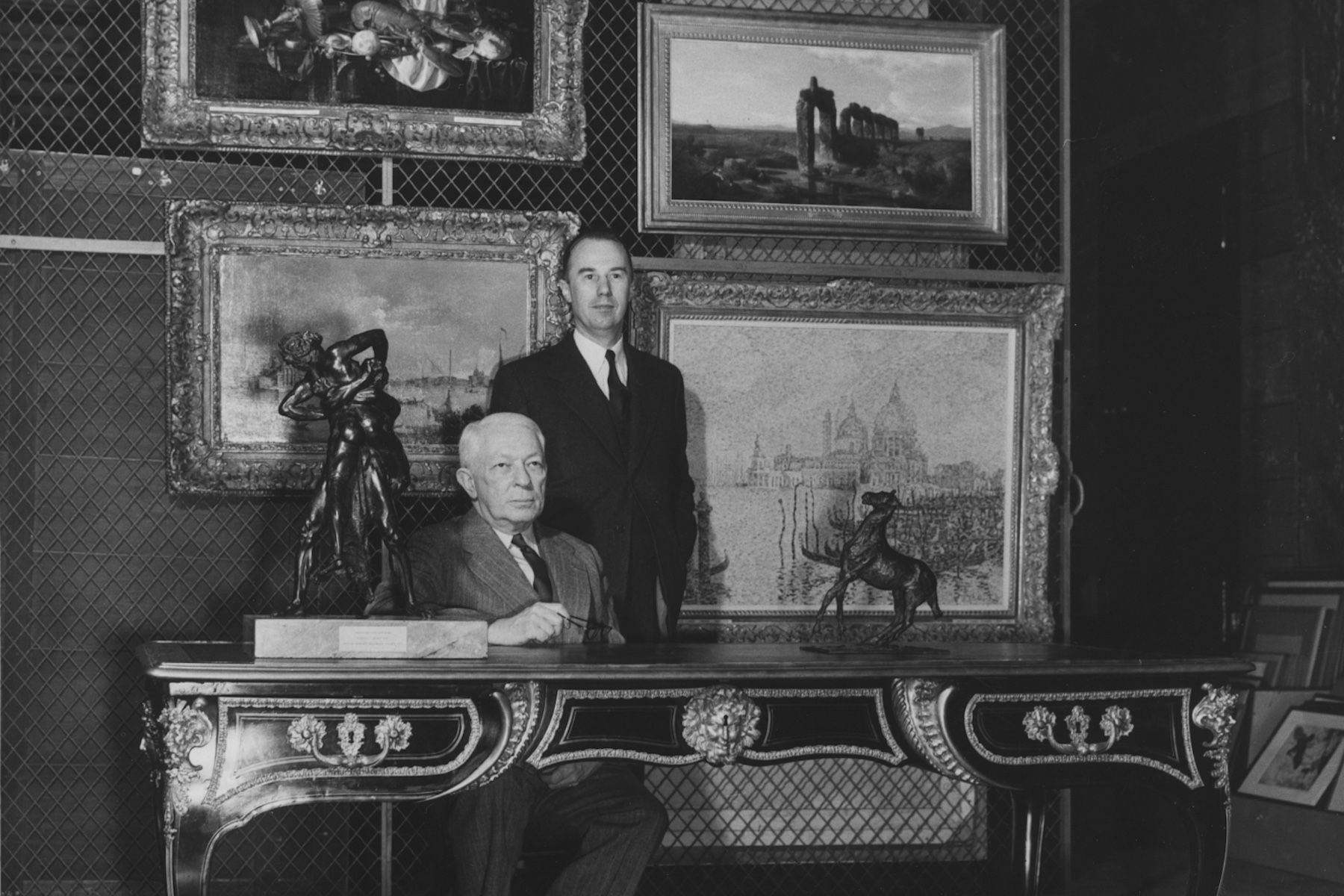
One such director was Otto Wittmann, Jr., one of the so-called ‘Monuments Men’ who helped locate and repatriate artworks looted by the Nazis – and later, acquire some of them for Toledo, from their rightful owners. (Peter Paul Rubens’ 1631 canvas The Crowning of Saint Catherine, for instance, made its way to Toledo years after it was recovered from a German salt mine by American troops).
“It was really through his keen sense of connoisseurship, but also the numerous connections that he made while he was abroad in Europe, that allowed us to acquire some of these great works of art,” adds Erin Corrales Diaz, the Curator of American Art at Toledo, of the gallery’s mid-century “renaissance man”, whose era saw the museum acquire Old Masters and modernists alike.
“We were one of the first museums in the Midwest to acquire a Van Gogh – and we got two at the same time,” Gardner says. “We’d never be able to acquire them now.”
Subscribe for updates
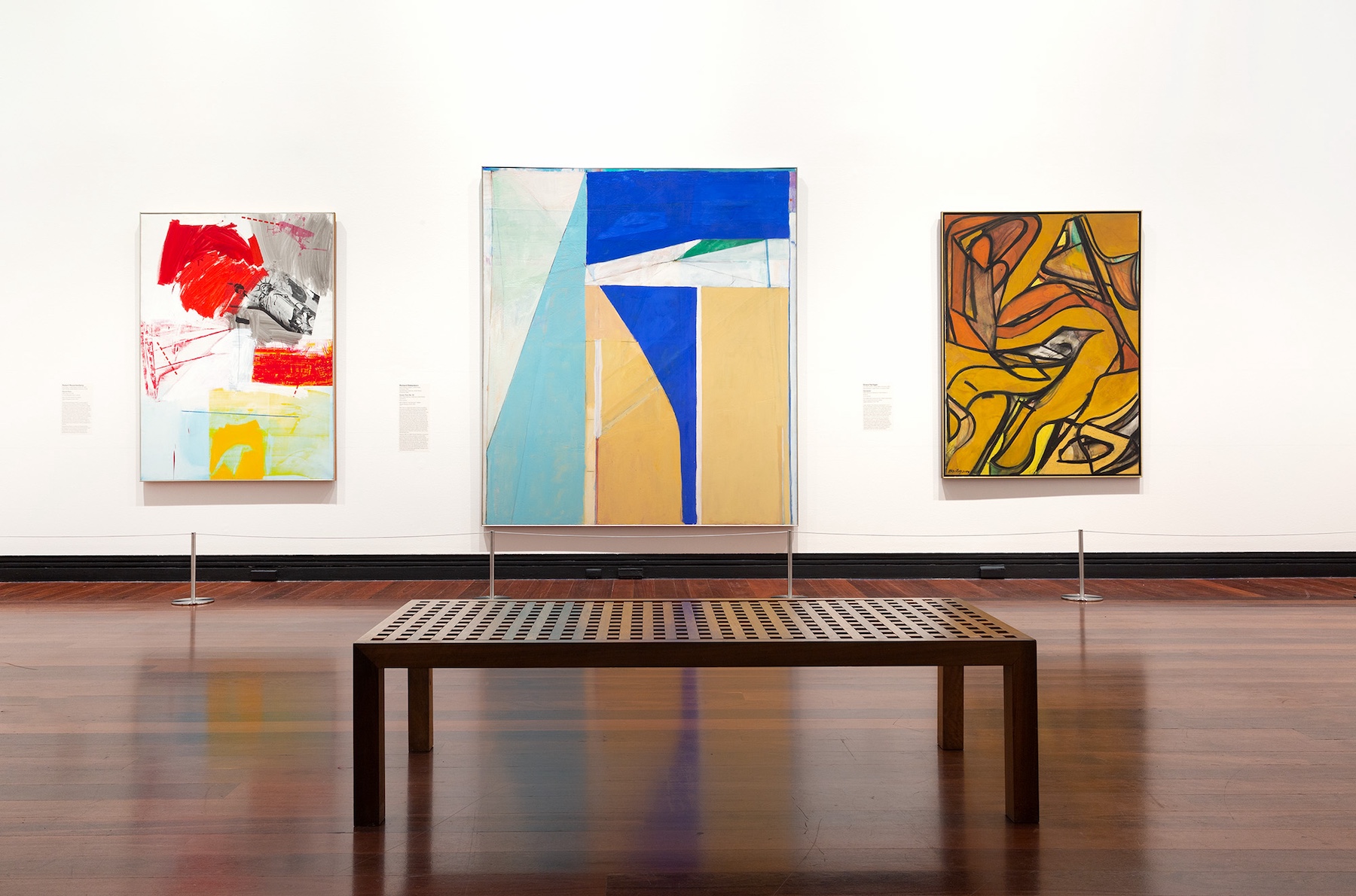
It’s a legacy that present-day curators like Corrales Diaz continue today. One of her earliest acquisitions for the museum was Harvester, painted in 1966 by the New Jersey-born abstract expressionist Grace Hartigan.
This week, Hartigan’s Harvester is among 57 Toledo treasures that will go in display in Adelaide as major renovations are underway to overhaul and modernise Libbey’s ‘white marble temple’ – which is now over a century old.
“The impetus is an HVAC [heating, ventilation and air-conditioning] upgrade, which is not sexy,” Gardner explains. As a result, many of its beloved galleries are being shuttered as the museum takes this once-in-a-generation opportunity for a ground-up “rethinking” of how it presents its collections.
“We are asking questions,” Gardner says. “What stories are we telling? Who is included in those stories, and how can we create spaces that invite curiosity, dialog, and belonging?”
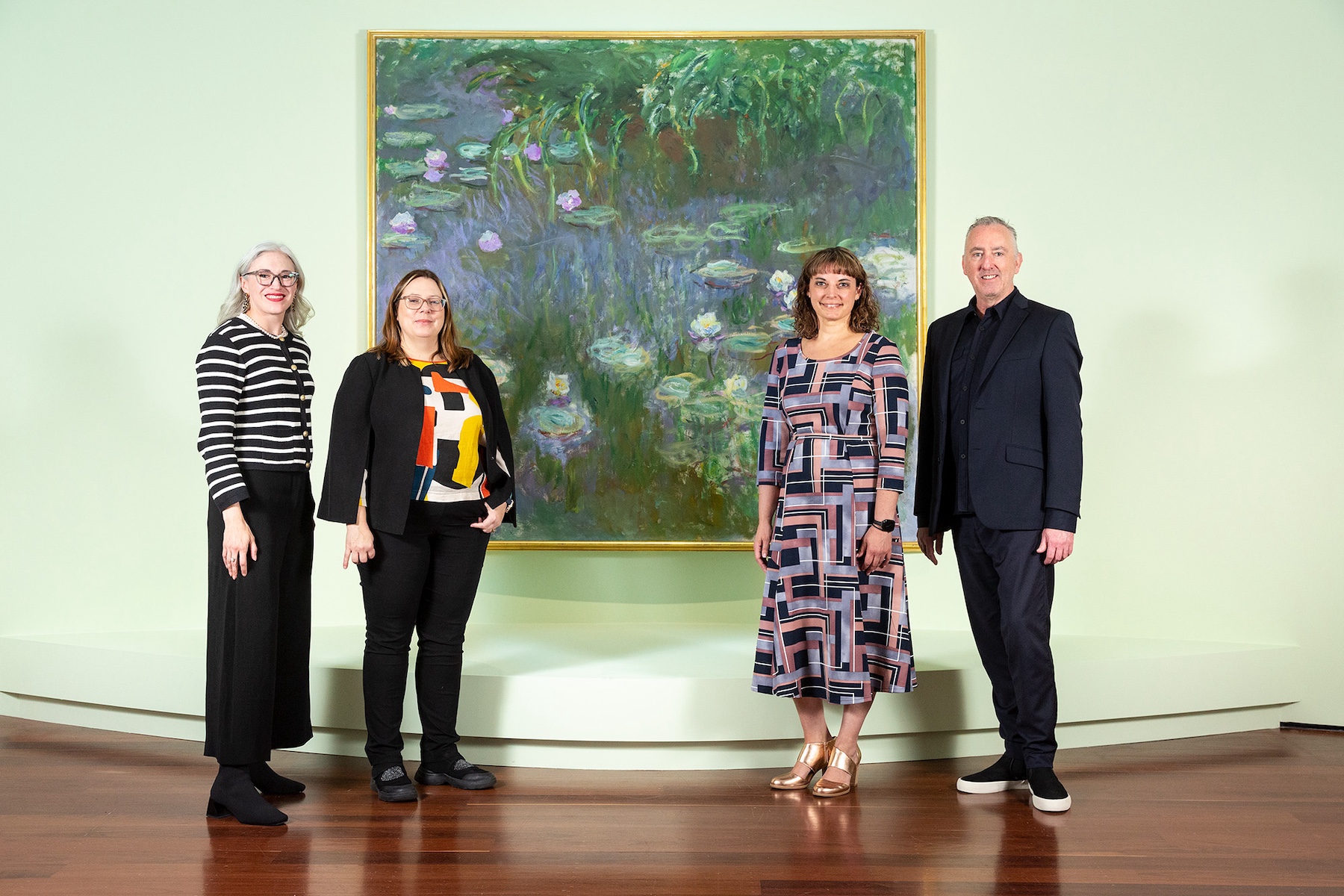
In the meantime, some of Toledo’s biggest drawcards have been packed up and sent on a multi-year grand tour taking in New Zealand, Italy, Taiwan and Adelaide. Most of these pieces – like the show-stopping 1922 Claude Monet Water Lilies that gives the Adelaide exhibition, Monet to Matisse: Defying Tradition, its title – have never visited Australia before.
“For a long time, [Water Lilies] didn’t tour it all, and we just kept it in place,” Gardner says. “I’m really happy that, like, we kind of turned the corner and are allowing it out of our inner sanctum, so that people can enjoy it.”
Monet to Matisse: Defying Tradition is the first in a four-year series of major winter exhibitions for the Art Gallery of South Australia, revealed last year as the $15 million flagship project of the state government’s new cultural policy. The Toledo works are complemented by selections from AGSA’s own collection.
Tansy Curtin, Assistant Director, Artistic and Collection Programs at the AGSA, says it’s an opportunity for Australian audiences to see the brushstrokes of household names up close.
“A digital image of a Van Gogh is nothing like the real thing, to look at the incredible sculptural surfaces of these paintings,” she says.
And, while it’s the big boys like Monet and Matisse whose names are splashed across the banner of this aspiring blockbuster, Curtin, Corrales Diaz, and Garder all hope that local audiences will gravitate to works whose creators might not be so familiar, from Hartigan to the Baltimore-born Morris Louis, who the Libbeys’ legacy has helped recognise.
“When you first see it, it just looks like a giant black hole – and everyone kind of passes it by,” Gardner says while looking up at Morris’ 1959 painting Dalet Tet.
Dalet Tet might seem black in passing, but up close it soon reveals itself as an intensely colourful work, with thick vertical lines of blue, orange, green, red, and yellow that lie crowded together under the big black mass, like warm bodies under a winter doona.
“When you take the time, and it’s lit correctly, you can really start to see the colours bleeding through it,” she adds. “In a way it can kind of be like a metaphor for Toledo.”
Monet to Matisse: Defying Tradition will run from July 11 – November 8, with tickets on sale now.
Want to see more stories from InDaily SA in your Google search results?
- Click here to set InDaily SA as a preferred source.
- Tick the box next to "InDaily SA". That's it.
Free to share
This article may be shared online or in print under a Creative Commons licence