Art Gallery lands ‘modernist masterpiece’ after $675,000 bidding war
The Art Gallery of South Australia has unveiled its latest acquisition: a rare landscape by Adelaide-born Dorrit Black that more than tripled its expected price when it hit the market for the first time.
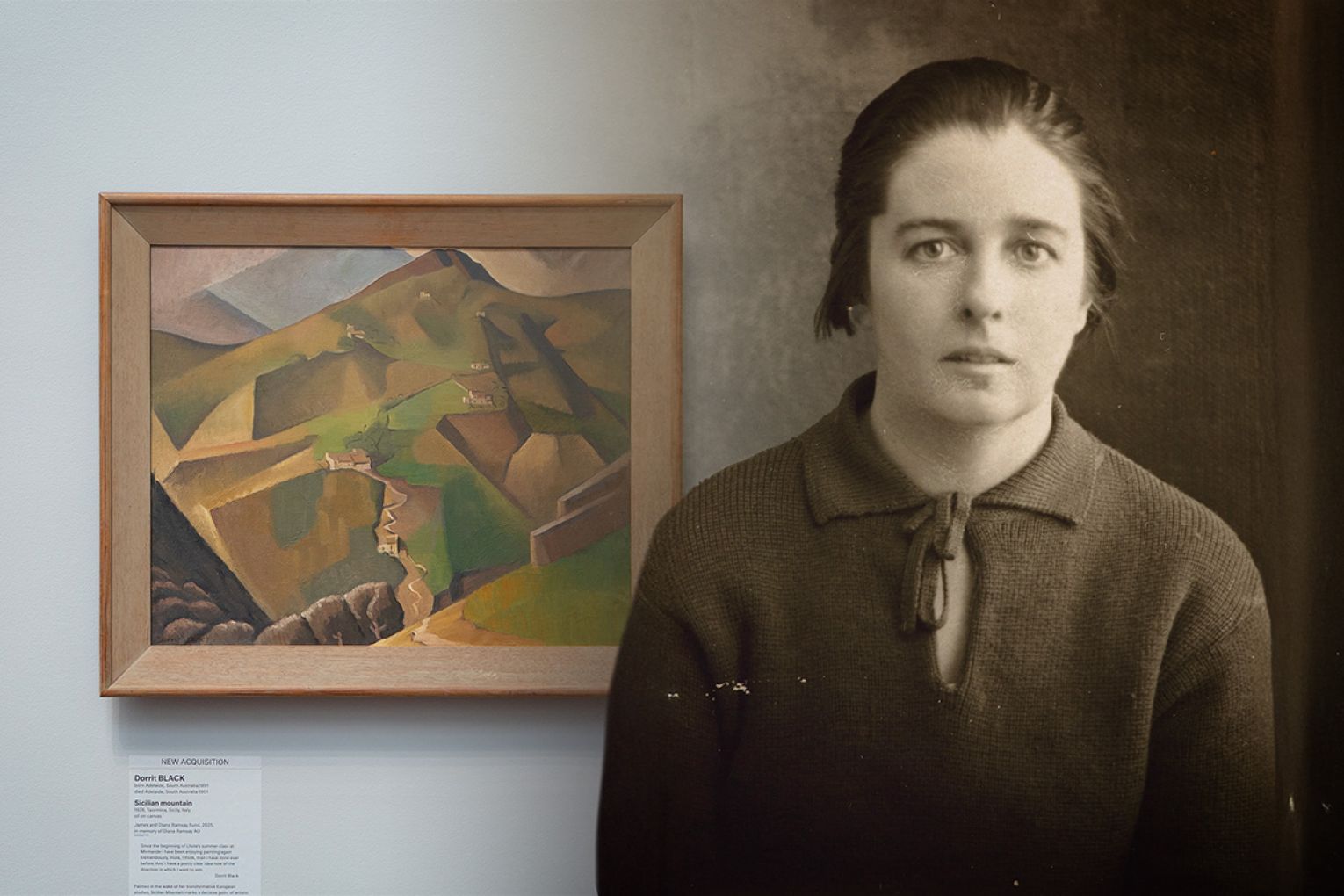
For three weeks in late 1928, Dorrit Black took her paints and paintbrushes to Taormina, a hilltop town on the east coast of Sicily. It proved a picturesque spot – notwithstanding the “malevolent” presence of Mount Etna on the horizon, whose eruption the Adelaide-born artist would witness on the trip.
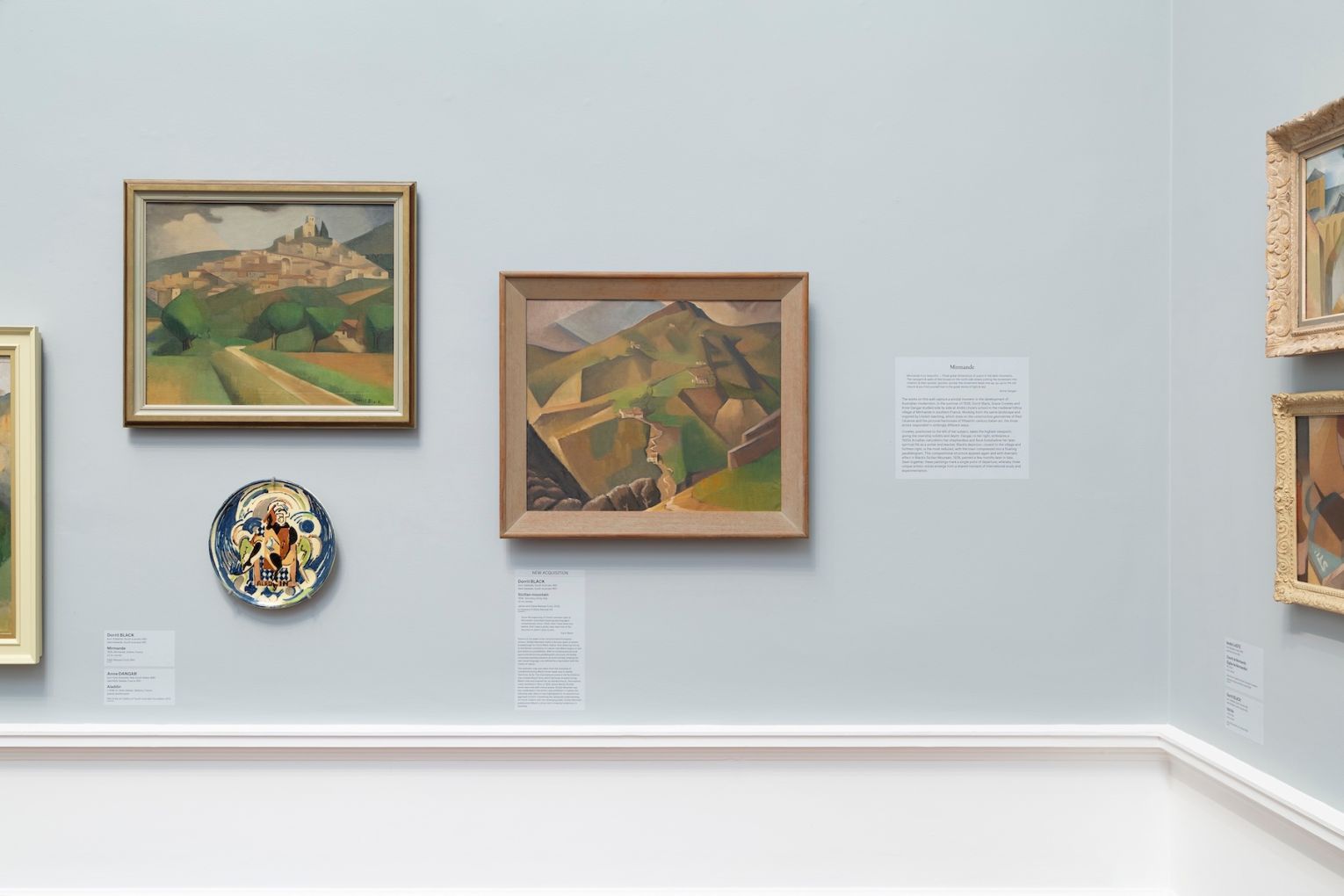
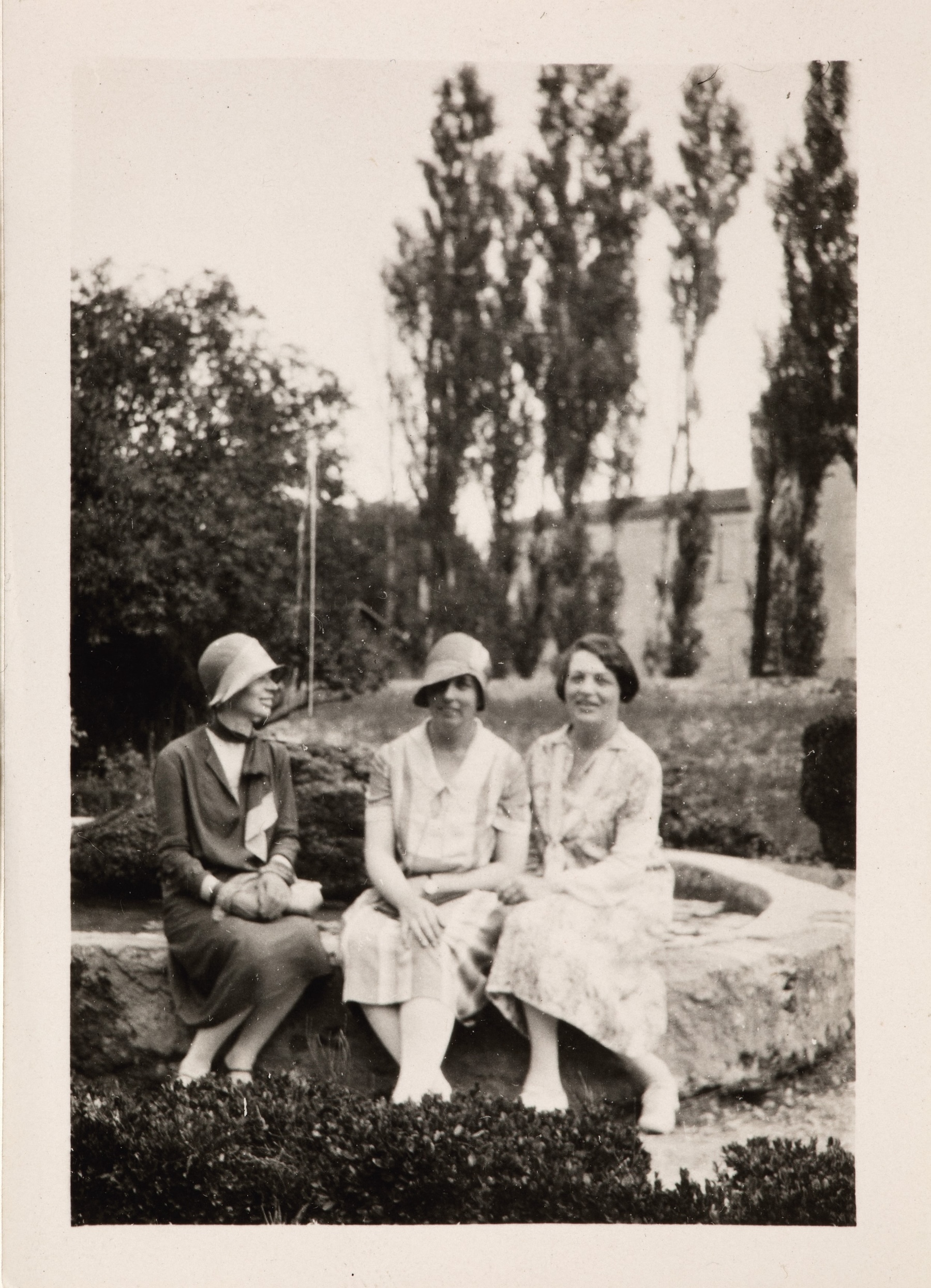
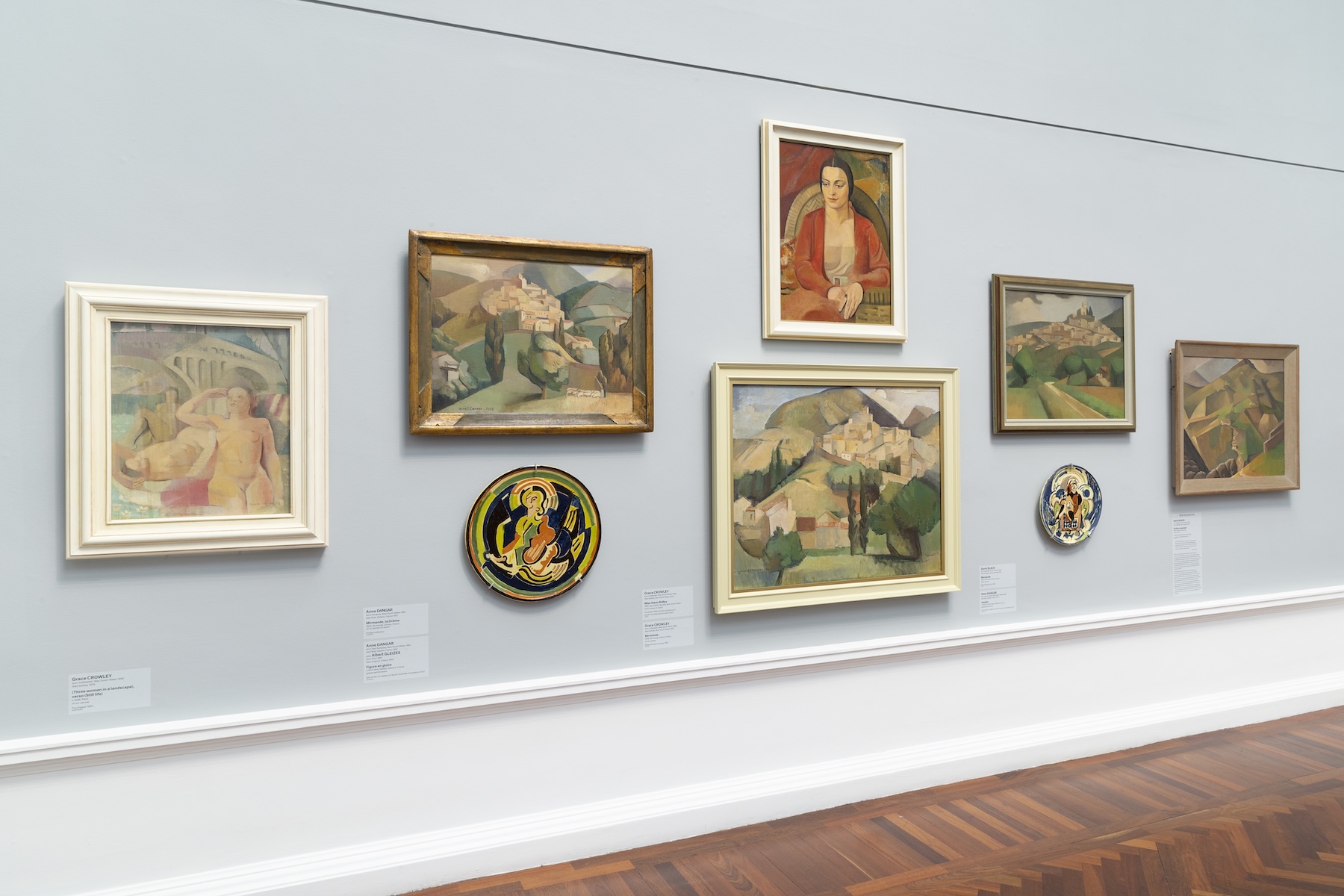
Black had just undertaken a crash-course in European Cubism alongside fellow Australians Grace Crowley and Anne Dangar under French painter André Lhote, with the trio applying Lhote’s methods to landscapes around the French countryside – most notably the mountain village of Mirmande, which Crowley and Dangar all painted around the same time.
“I have been enjoying painting again tremendously, more, I think, than I have done ever before,” Black would write in a letter the following February. “And I have a pretty clear idea now of the direction in which I want to aim.”
Nearly a century later, Art Gallery of South Australia curator Elle Freak says this short sojourn in Italy was a key moment for the 36-year-old, as she struck out on her own in more ways than one.
“We see her, importantly, breaking away from those rigid mathematical systems and actually starting to respond to nature,” Freak tells InReview. “She’s finding her own visual language, and for me, it foreshadows her later work where she creates those more expressive, personal landscapes responding to scenes in South Australia.”
You might like
One surviving canvas from Black’s Sicilian trip – which Freak calls a “major modernist masterpiece” – was likely included in a well-reviewed Paris salon showing under the title Paysage, Taormina, and later exhibited in a solo show at Sydney’s The Macquarie Galleries in September 1930. It was subsequently shown a handful of times at the Royal South Australian Society of Artists back home in Adelaide, including a posthumous tribute show after Black died in a car accident in 1951.
The painting, now titled Sicilian mountain, remained with a member of Black’s family, and for the next seven decades only publicly surfaced twice: in AGSA’s 2014 exhibition, Dorrit Black: Unseen Forces, and last year’s Dangerously Modern: Australian Women Artists in Europe 1890-1940 at AGSA and the Art Gallery of New South Wales, which placed Black, Crowley and Dangar’s work in the context of a broader movement of expatriate women looking beyond their home country for inspiration and, at times, liberation.
Then, last November, the painting hit the market for the first time via Sydney auction house Smith & Singer. With an estimated price of $120,000–180,000, the painting drew headlines interstate when it finally went under the hammer for over half a million dollars – a reported $675,000 including buyer’s premium. It was the highest price a Black work had ever fetched at auction – eclipsing an earlier $86,000 record set by a London auction house in 2014 (for a print of Black’s volcanic linocut The eruption, inspired by the same trip).
Speculation about the identity of Sicilian mountain’s new owner was put to rest in February when Black’s hometown gallery was quietly confirmed as the buyer, just a few months after Dangerously Modern – which Freak co-curated – reacquainted audiences with the work.
Art Gallery of South Australia director Jason Smith explained the gallery’s commitment to keep the painting in Adelaide despite the record price tag.
Subscribe for updates
“As Sicilian mountain has never before been on the open market, the work was highly sought after,” Smith told InReview in a statement. “The rarity and importance of Sicilian mountain made it essential for the AGSA collection. The art historical significance of the work is exceptional.”
Freak says the rising value of Black’s work also reflects an overdue appreciation for Black and her contemporaries.
“We’re seeing the result of a new understanding of the significance of women artists, not just in Australia, but across the world,” Freak says. “I think there’s a deep understanding now of the significance of the work of Dorrit Black, and also an understanding of how rare this material is. There are very few oils from this European period by her; she talks in her letters home about not having much to show. Six months in Paris, and she said, ‘I only kept 3 things’. So we know how rare the material is.”
Funding for the acquisition came from the James and Diana Ramsay Fund, established by AGSA’s longtime benefactors James and Diana Ramsay. The acquisition was made in memory of Diana who on May 7 would have celebrated her 100th birthday.
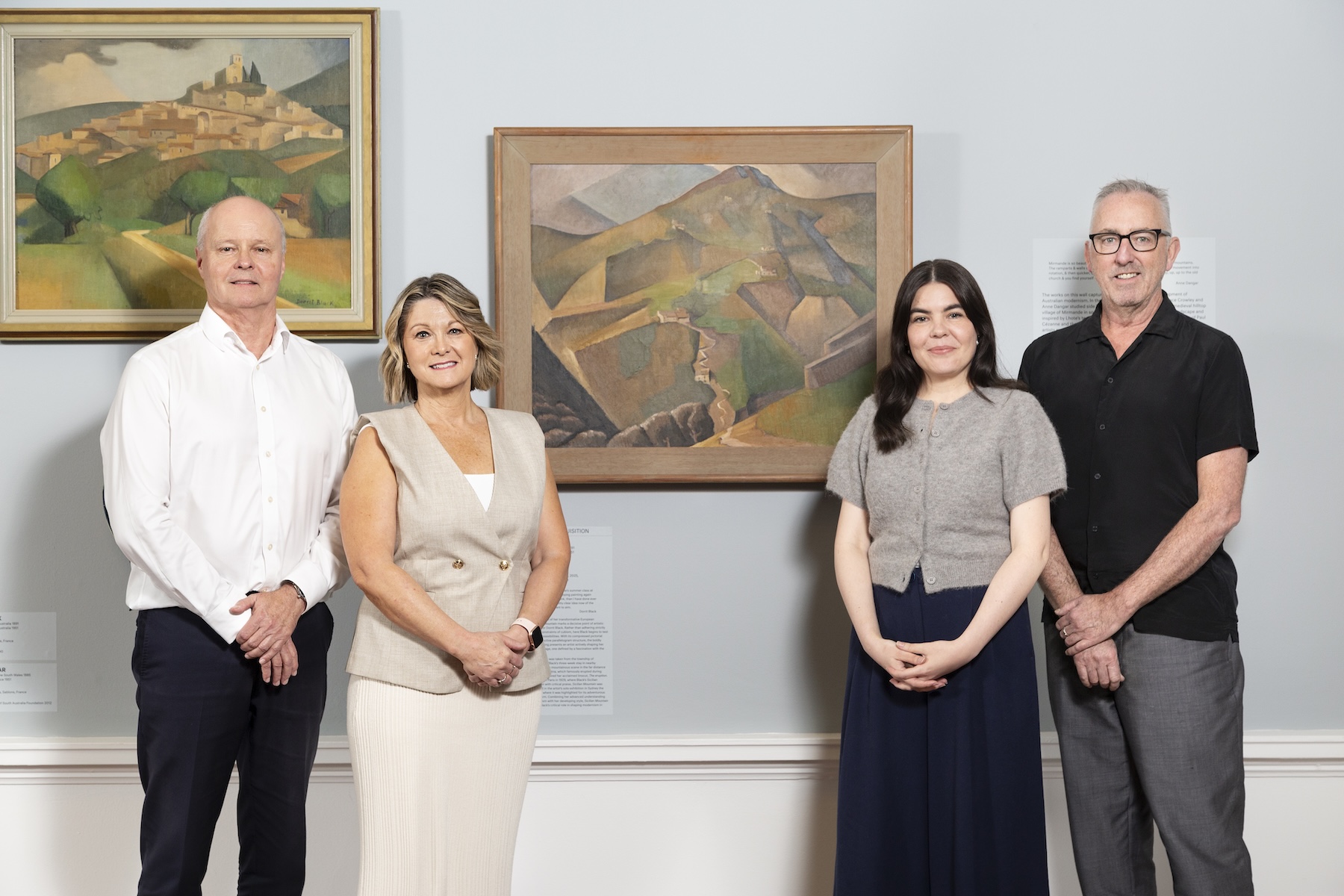
“Diana, along with James, rarely put their names to projects, but when they did, it was not for glory; it was for advocacy, to make a difference and to improve lives,” Kerry de Lorme, Executive Director, James and Diana Ramsay Foundation said in a statement.
“I think Diana would be profoundly pleased to see this important Dorrit Black work acquired in her memory, not as a tribute to her, but as a continuation of what mattered to Diana: ensuring that great art is accessible and shared.”
Freak says the gallery now has over 70 works by Black in its collection, but only a handful from this European period – including Mirmande, and its own edition of The eruption, acquired in 1999.
“It’s a gap in our representation of her work, and we feel it holds great significance for the people of Adelaide – an Adelaide-born modernist having this breakthrough moment.”
Dorrit Black’s Sicilian mountain is now on display in the Elder Wing at the Art Gallery of South Australia. Freak will give a Tuesday Talk about the painting on May 19, 12.30pm.
Want to see more stories from InDaily SA in your Google search results?
- Click here to set InDaily SA as a preferred source.
- Tick the box next to "InDaily SA". That's it.
Free to share
This article may be shared online or in print under a Creative Commons licence