‘There’s been nothing like it since’: Neil Armfield is never far away from Adelaide’s stages
Returning to Adelaide for his first local directorial gig since leaving Adelaide Festival, Neil Armfield reflects on his formative years in South Australia – and how they’ve influenced his take on Rossini’s La Cenerentola for State Opera South Australia.
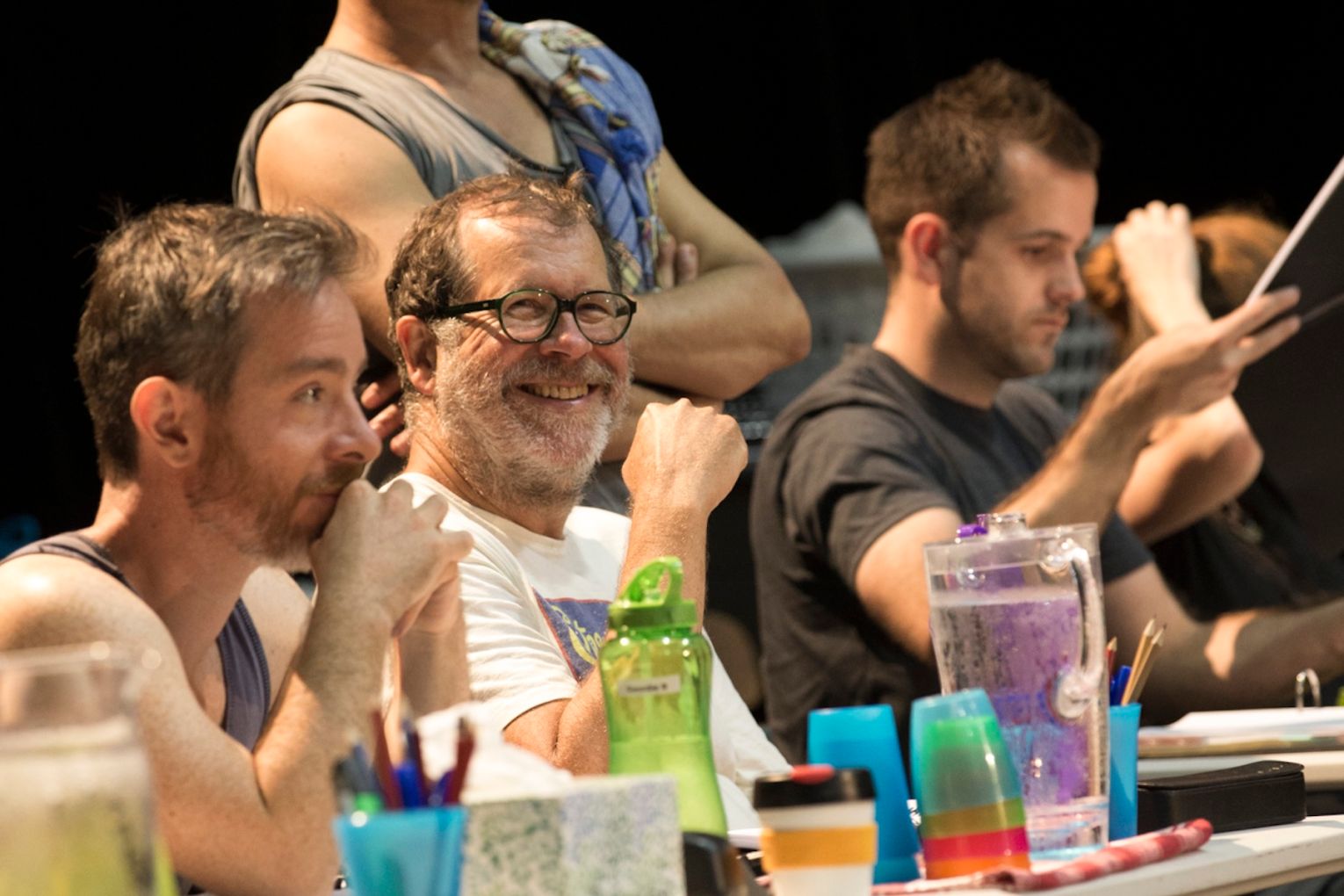
Neil Armfield has barely stepped inside his front door when InReview calls him in mid-March, having just completed the long drive from Adelaide to Sydney after the closing of another Adelaide Festival.
It’s a pilgrimage he’s made many times before and after his seven-year run as artistic director alongside Rachel Healy from 2017 to 2023, and he’s feeling good about the festival’s first year under new artistic director Matthew Lutton.
“I think Writer’s Week was absolutely, very, sorely missed, [but] the actual festival proper, I thought it was terrific,” he says, citing re:group performance collective’s POV, Hofesh Schechter Company’s Theatre of Dreams, and Ensemble Pygmalion as highlights.
The latter was particularly satisfying given Armfield and Healy had first struck up the relationship with Ensemble Pygmalion’s founder Raphaël Pichon, who was music director for the festival’s 2020 operatic centrepiece, Romeo Castellucci’s take on Mozard’s Requiem. Despite their efforts, however, they were unable to lure Pichon’s Pygmalion project to Adelaide in their time.
Other Adelaide Festival projects have stayed with Armfield too, like the oratorio Watershed: The Death of Dr Duncan, which he brought to the Sydney Opera House in 2024 after its premiere at the 2022 festival.
“It’s an incredibly important Australian story,” Armfield says of the production, which dramatises the 1972 killing of University of Adelaide academic Dr George Duncan and the community fallout – and groundbreaking legal reforms – that followed.
You might like
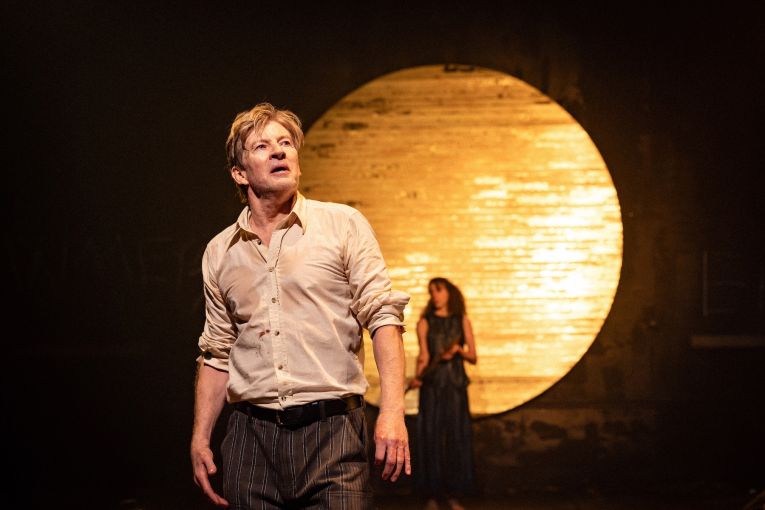
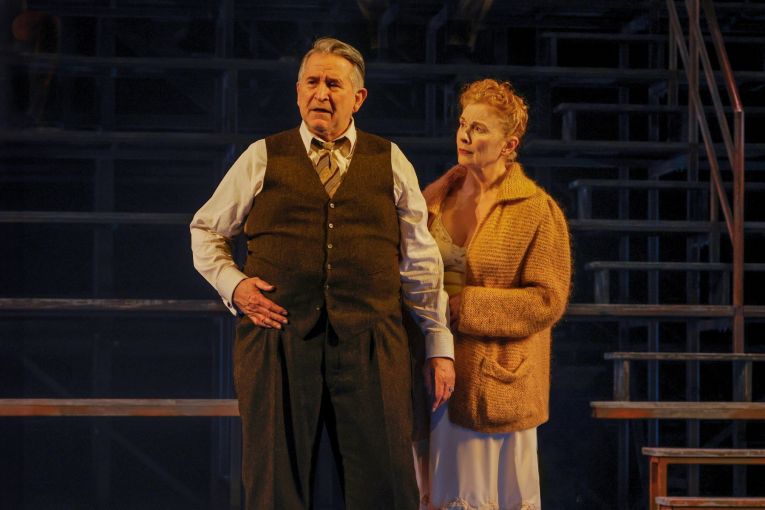
“Particularly last night, there was reports on the ABC about the gay bashings that are happening with gangs kind of luring gay men, and then bashing them and recording it,” Armfield reflects.
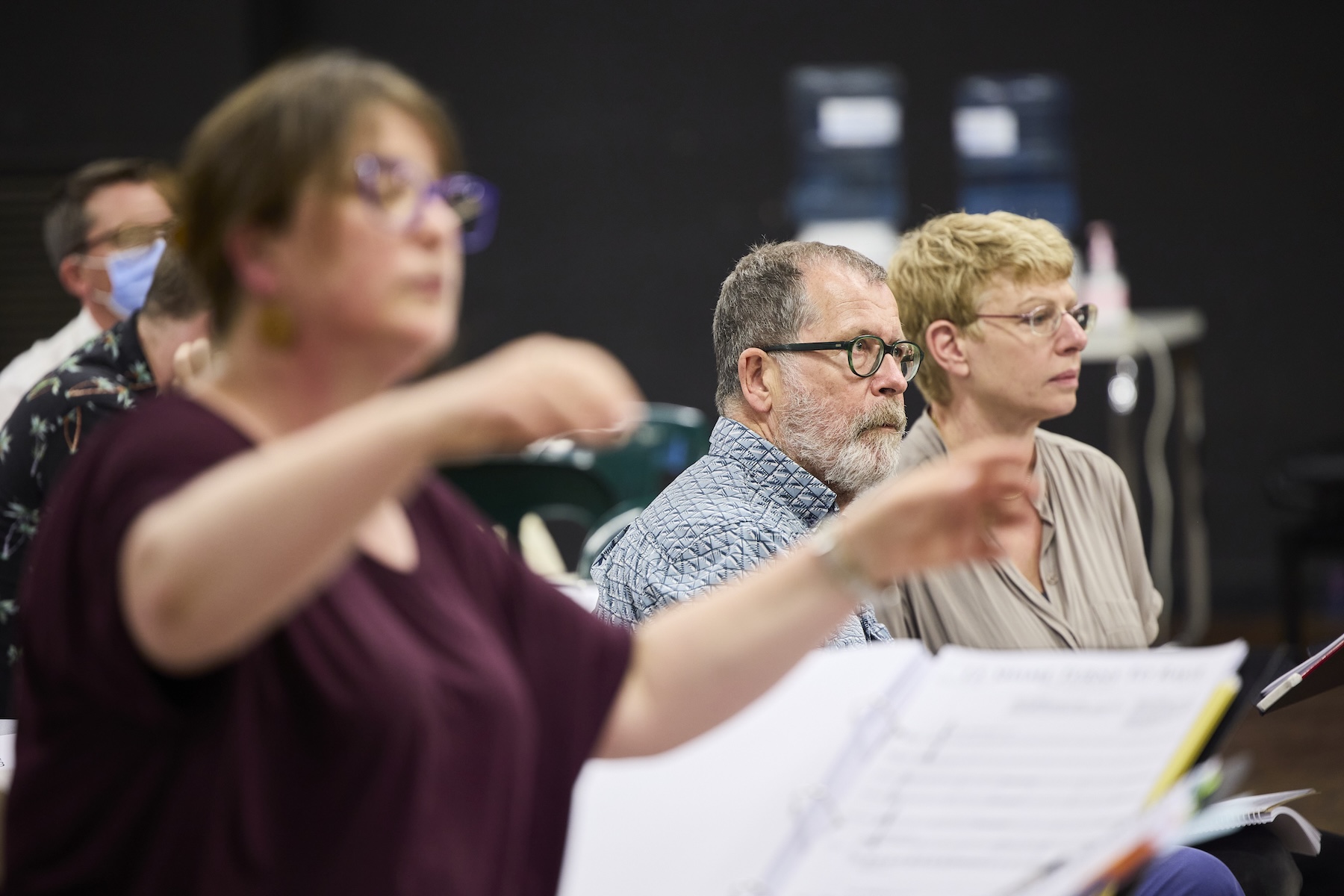
It was the Dunstan era that gave Armfield his first introduction to Adelaide, first for a conference in 1976 while the aspiring director was a postgraduate drama studies student.
“I was very aware when I came back there for the festival in 1980, and then when I started to work there in 1981, that there was this culture which Dunstan had created, of a properly-funded theatre company, working in a building all of the carpenters, the metal workers, the wardrobe, the actors, the administration all were all together.
“There was this incredible sense of family with the State Theatre Company – all my early big stage productions were on the Playhouse stage.”
Armfield will return to Adelaide again to oversee another production for State Opera South Australia. Gioachino Rossini’s La Cenerentola, which will mark Armfield’s first South Australian production since he and Healy moved on from the festival.
Subscribe for updates
“Rossini wrote it straight after he was toast of the town with The Barber of Seville, and the speed and energy of wit and just his gorgeous sense of melody, his sense of theatrical fun, is so alive in the work.”
He’ll tackle Rossini’s Cinderella costume and set designer Stephen Curtis, another old colleague whom Armfield worked with on State Theatre productions of Romeo and Juliet and Twelfth Night. Armfield also recalls Curtis’ work on Blind Giant is Dancing and Patrick White’s Signal Driver, after seeing Curtis’ first job out of NIDA – John Bell’s production of The Venetian Twins – and being struck by its simplicity.
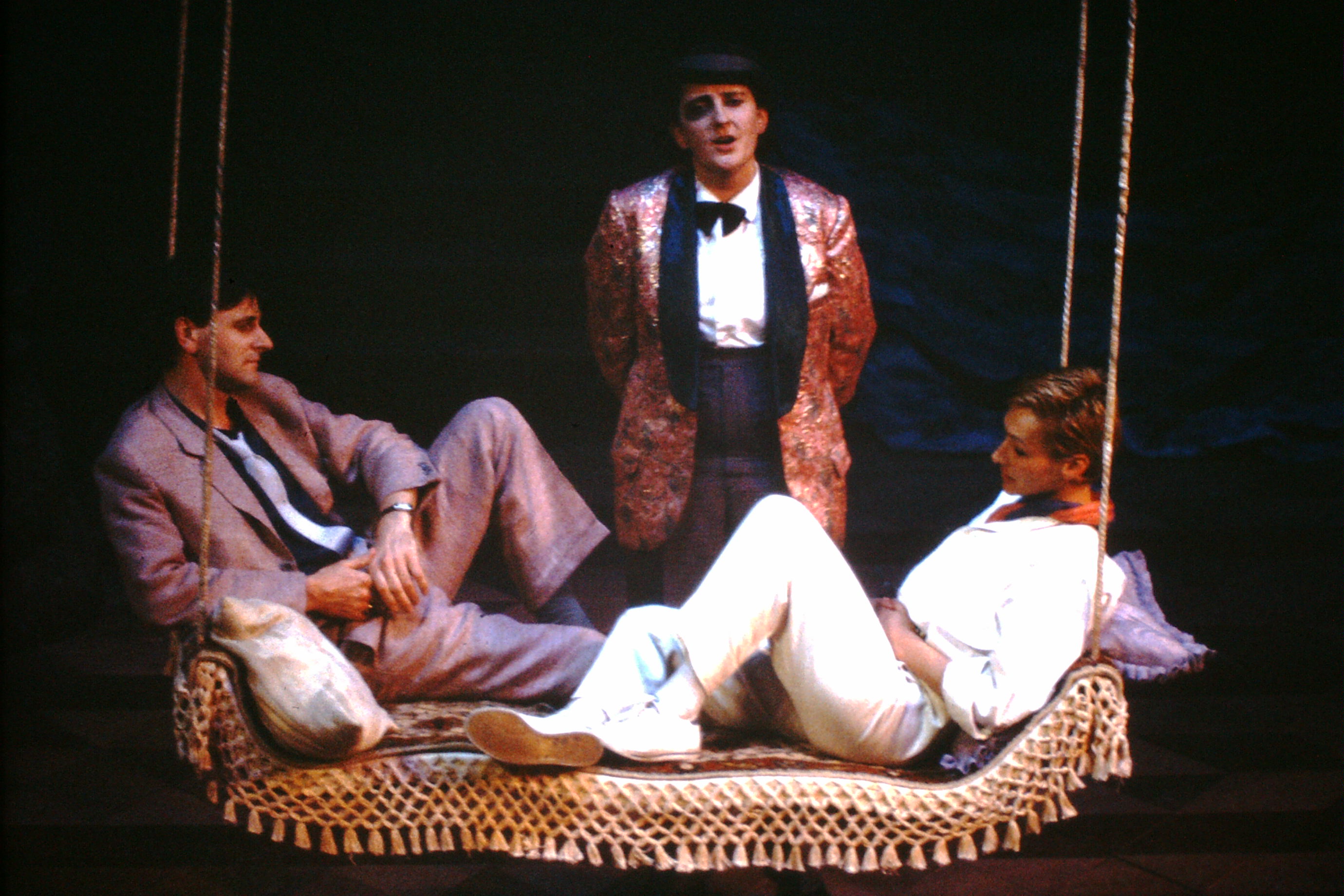
“It was pure Commedia dell’Arte; it was basically just a stage and a curtain, the comedy comes from the individual brilliance of each of each performer.”
"There’s no fairy godmother, there’s no coach turning into a pumpkin, there’s no mice that become horses."
Armfield says Rossini’s treatment of the classic fairytale is full of metatextual commentary.
“[Alidoro] sings this aria called where he likens the world to a vast theatre,” he says. “Rossini and his librettist Ferretti take the Cinderella myth – or what we know as a fairy story – and he takes the fairies out of it. There’s no fairy godmother, there’s no coach turning into a pumpkin, there’s no mice that become horses. There’s no pre-ordained sense of the importance or the value of class; he takes those elements out and he replaces it with the magic of theatre. So it becomes an opera about cutting through, getting rid of social division.
“He makes it so much about both society and theatre, and it becomes a work about the power of kindness … all the trappings of the trappings of wealth, of privilege and power, are bullshit. What’s important is kindness.”
In Armfield and Curtis’ take, of course, the retro haircuts of some of its cast – reminiscent of people you might find working as stagehands in Adelaide in the 1970s – allude to a very specific period in theatre.
“It was just an amazing time, and it felt sort of normal, but looking back at it, there’s been nothing like it since. So this is our tribute, I guess, to the sort of foundation of the Adelaide Festival Centre.”
Having finished our trip down memory lane – let alone the 1,300 kilometres that preceded it – we leave Armfield to finish unpacking his car.
State Opera Company South Australia’s Cinderella (La Cenerentola) plays at Her Majesty’s Theatre from May 7 – 26
Want to see more stories from InDaily SA in your Google search results?
- Click here to set InDaily SA as a preferred source.
- Tick the box next to "InDaily SA". That's it.
Free to share
This article may be shared online or in print under a Creative Commons licence