‘Electric and theatrical’: Roller derby and family life collide onstage in Mama Does Derby
Windmill Production Company artistic director Clare Watson brings the rough and tumble world of roller derby into Adelaide Festival – along with a mother-daughter story that’s both deeply personal, and proudly complicated.
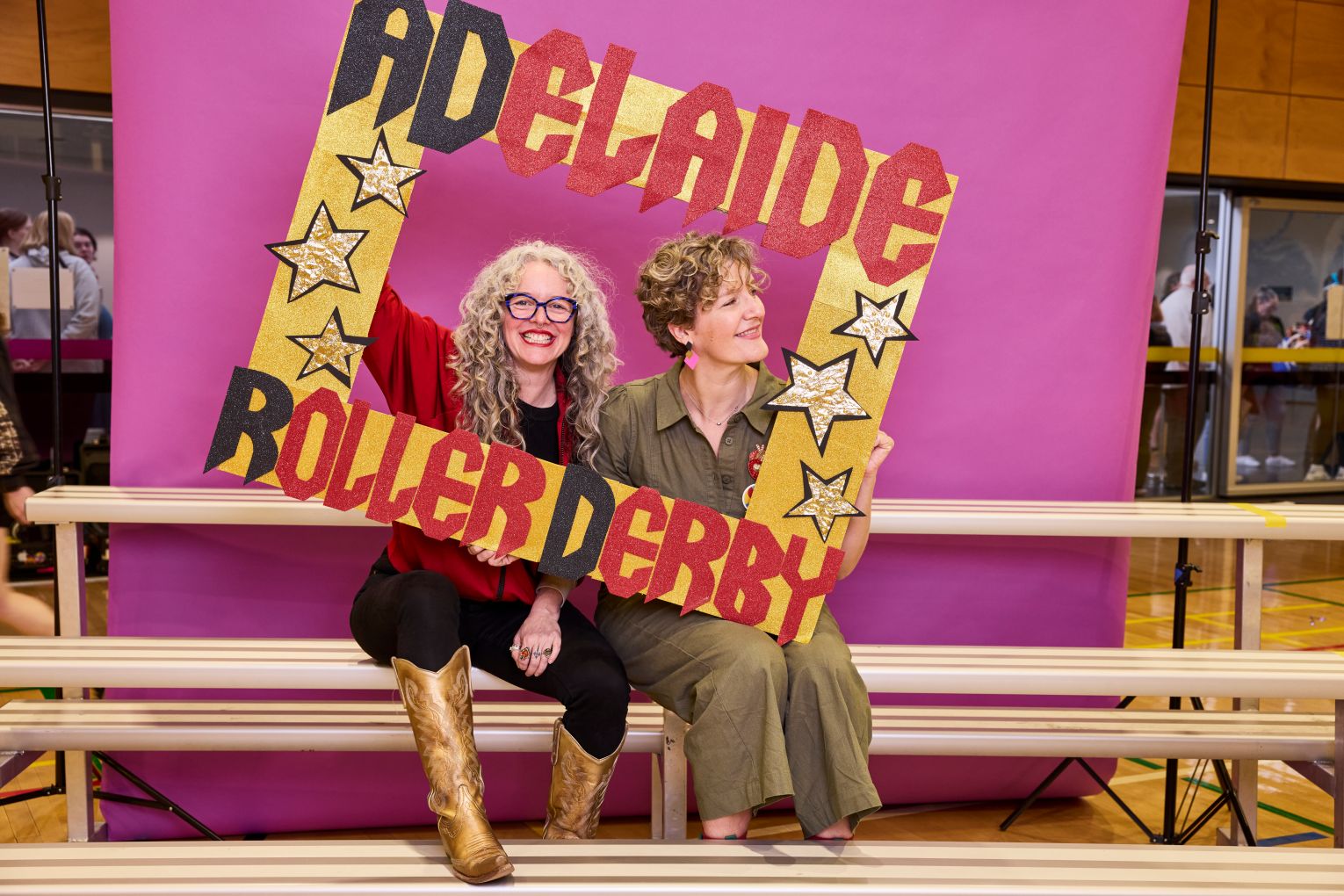
When Clare Watson first encountered roller derby back in 2009, it didn’t feel like a sport – it felt like theatre.
“It was just a night of power, energy, screaming – and an amazing sense of character,” Watson tells InReview. “It was a track, but I thought of it as a stage… everything about it felt electric and theatrical.”
More than a decade later, Watson’s observation has become a self-fulfilling prophecy. Mama Does Derby, Windmill’s high-velocity show for young audiences – arrives at the Adelaide Entertainment Centre this month on a tail wind of glowing reviews from its Sydney Festival premiere.
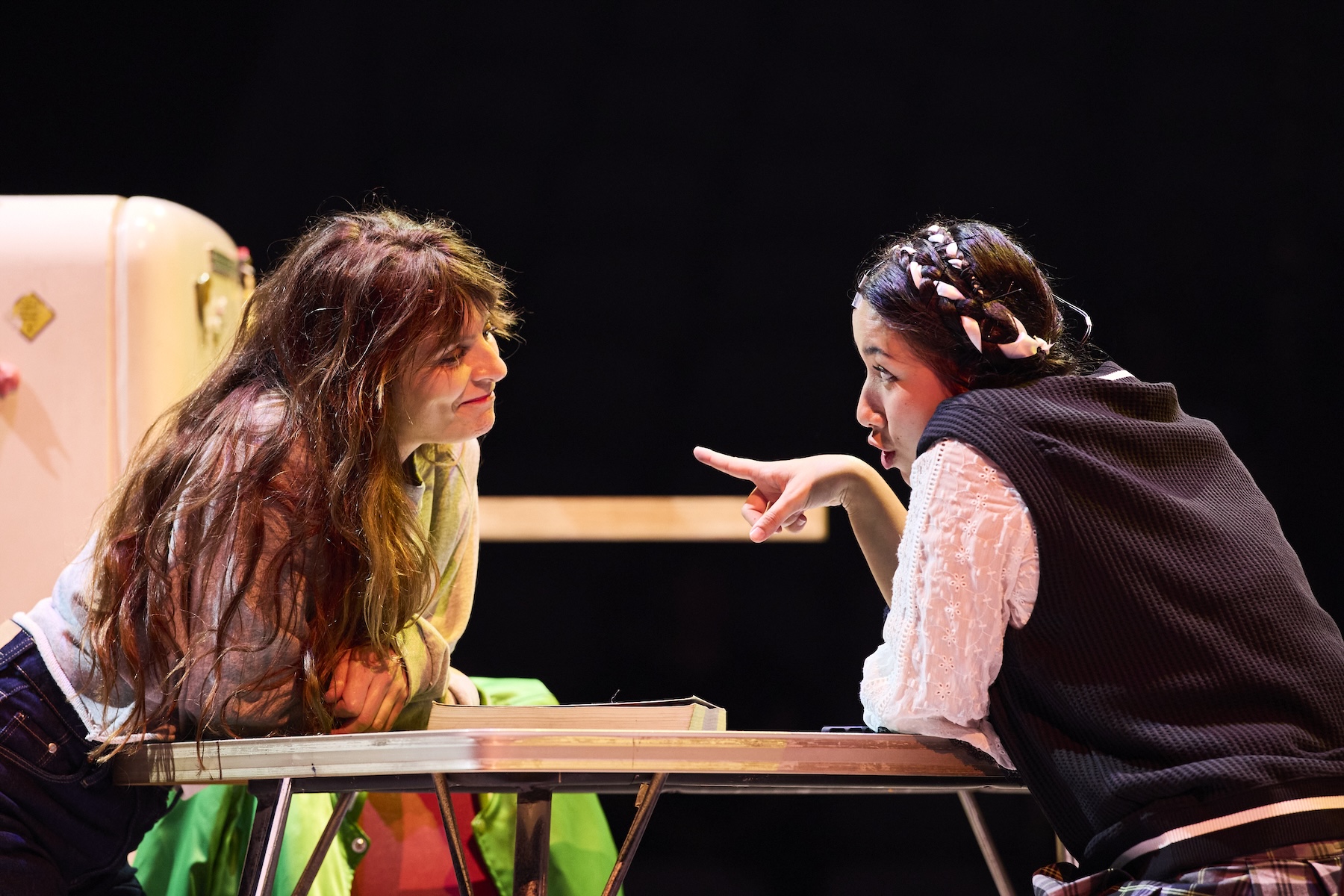
The production fuses live roller derby with theatre, music and a strong script that centres on Maxine and Billie, a single mum and teenage daughter, as they navigate anxiety and the complications of family life as Billie becomes her own person. It’s fast, loud and funny, while grappling with the serious undertone of how to raise a young person in a world that often feel overwhelming.
For Watson, the origin story of Mama Does Derby is both artistic and personal. Watching that first roller derby match alongside her daughter would prove to be a pivotal moment, sharpening Watson’s thinking about how young people encounter anxiety and fear in their lives, and mothers model confidence.
“It made me start training roller derby,” Watson says of that first bout, “and it made me start thinking about how it could work as a show.”
You might like
It took time to bring Mama Does Derby into the rink, with Watson and her daughter Ivy discussing the idea over the years as as they moved between jobs and cities. But it was only when Watson arrived at Windmill Production Company that the stars aligned: the company’s appetite for original and ambitious work for young audiences, the right collaborators, and a local derby community.
As soon as her feet hit the ground at Windmill, Watson began talking with writer and long-term collaborator Virginia Gay – at Ivy’s suggestion – and with Ivy herself about how to translate derby into theatre. At the same time, Watson started meeting Adelaide skaters, with one of the first being local legend BB Gun, who appears in the show and was instrumental in connecting the production with the roller derby scene.
“Windmill’s work is often about refusing to sand down complexity, and Mama Does Derby is no exception,” Watson says. In many ways, the show emerges from the life she and Ivy lived as “a single parent, single child family – like a little unit”, full of adventure and change. It also draws on something else – Ivy’s experience with anxiety.
"Windmill’s work is often about refusing to sand down complexity, and Mama Does Derby is no exception."
“One of the opportunities of this work was to talk about anxiety and the experiences of anxiety in young people,” Watson says. “It’s on the rise and it affects people’s capacity to concentrate, to sleep and to have really fulfilled, connected lives.” The goal was to create a work that “doesn’t deny its complexity” and might help young people and their families find ways to talk about it.
In the show, Billie attends therapy with her mother and Watson hopes this depiction will help normalise the idea. “Therapy is great,” she says. “We should all be doing it.”
If the theme sounds serious, it’s offset by staging that is wonderfully kinetic. Watson was determined to work with real roller derby athletes and to showcase the sport properly on stage, and bring theatre and sporting audiences together.
“Derby players have a built-in performances sensibility,” Watson notes. “They already compete in front of crowds, so they are used to the gaze of the audience. And we benefit from that as theatre-makers.”
Subscribe for updates
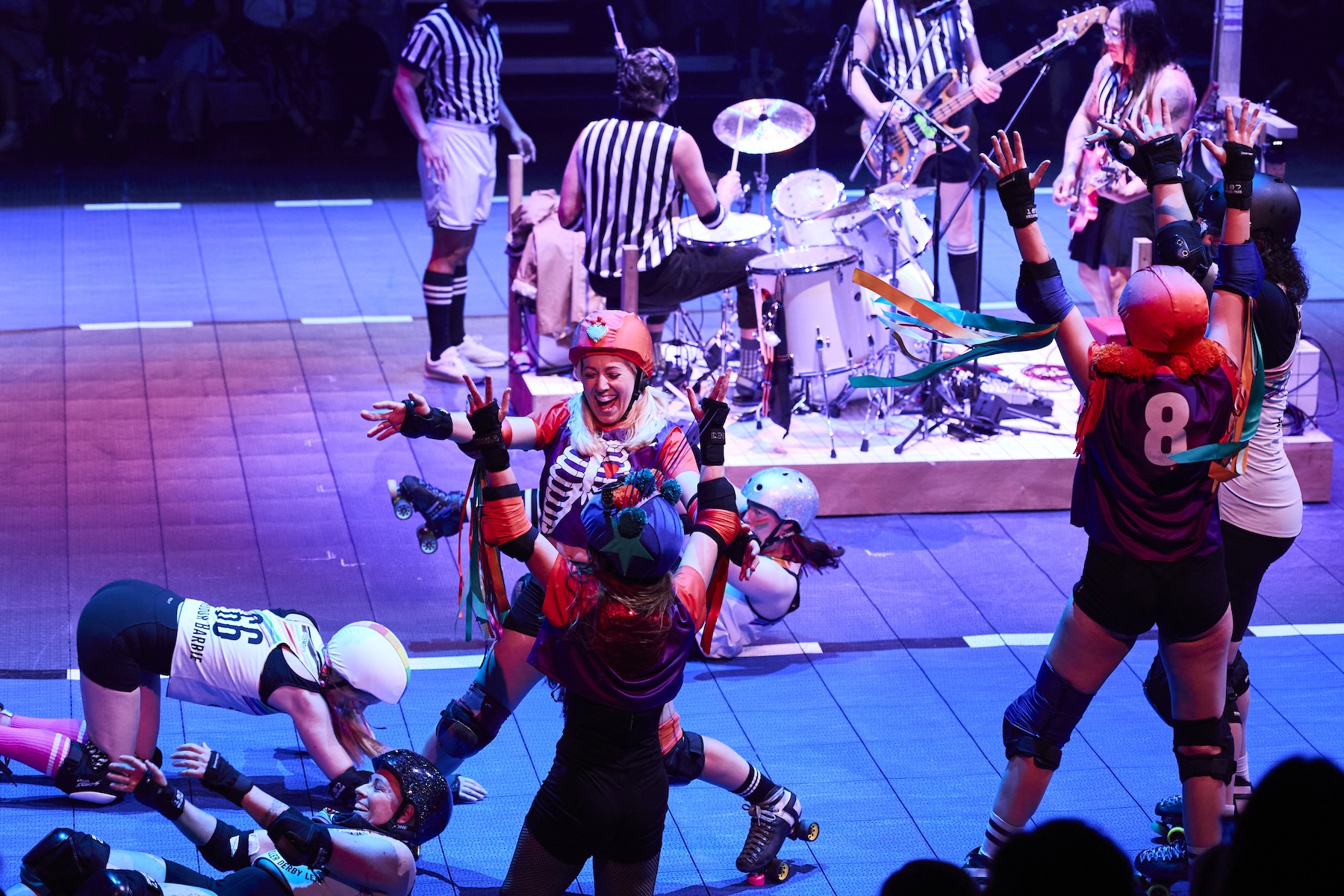
In Mama Does Derby, Watson says the skaters are far from being mere background colour and movement. “They function like a Greek chorus. They’re really present in the show at all times.”
And it’s not just the skaters who are on wheels. The whole set is on wheels, creating the feeling of being constantly in motion. “Because Billie is not sleeping well, everything has this dream-like quality… everything shifts and changes,” Watson says. On stage, the skaters create this effect. “They’re literally moving the punk band. They’re moving the bedroom. They’re moving everything in the world at all times.”
As the show tours, it also adapts. Local skaters are integrated into the cast, often under intense time pressure. “In Sydney, we met the skaters on Sunday and they performed for an audience on Wednesday,” Watson recalls with awe. “Derby has this incredible culture of communication and support. Whatever we’ve asked, the response is always ‘Yep, we can do that. Yep, we can try that’. But always within the realms of things being safe.
The show’s central ‘mama’ role required more than just brilliant acting. “What’s written on the box is true,” Watson laughs. “Mama, played by Amber McMahon, does derby.” She describes the narrative as a sports story “like Rocky” in which Maxine meets the team, trains and becomes great. “McMahon took on the role with no skating experience. She built her skills just through rehearsal and the support of derby trainers,” Watson recalls. “She’s incredible.”
The culture of derby also offered Watson something surprising – a model of leadership she described as “matriarchal and democratic”. In the roller derby teams she worked with, she saw leadership shift naturally. “I loved it,” she says. “On one day, one person would step up, and the next day it would be someone else. It was so functional and non-authoritarian. Women and non-binary people supporting each other to be their best selves and stronger selves and faster selves. It was like theory turning into practice. And a kind of hope.”
That ethos bled into the show’s portrayal of motherhood too. “Maxine isn’t a saint. She’s loving, resilient and occasionally reckless. And she’s unreliable too,” Watson says, recalling her conversations with Virginia Gay and Ivy about how to write the relationship between Max and Billie. “People used to tell Ivy and me [that] we had a dynamic like the ‘Gilmore Girls’. So we had fun with that. But made it less glossy.”
Now two years into her role as Windmill’s artistic director – taking over from Windmill’s longtime leader Rosemary Myers – Watson is clear-eyed about the broader context in which her work lands. “Windmill is a small company of incredible humans,” she says, describing her colleagues as kind, dedicated and brave.
The latter trait is especially significant given the current state of youth arts nationally. “I recognise my privilege,” she says. “I’m so fortunate to be in this position, making work for young audiences. Because youth arts in Australia has been decimated over the last decade. Removal of funding, lack of support and loss of companies. It’s devastating. Because arts experiences for young people can be life-affirming. They should be life changing.”
Given this context, Windmill’s work carries significant weight. “It’s a big responsibility,” she says. “We’re in a really interesting cultural moment. Artists need to be brave. And we need audiences to be passionate and to stay connected if we’re going to thrive. It’s a tricky time.”
But for now, Watson is focussed on bringing this show to Adelaide audiences and hopes to leave them, not with a neat message, but with an experience.
“That’s what art is for,” Watson reflects. “A catalyst for conversation – and hopefully a more empathetic society.”
Mama Does Derby is playing at the Adelaide Entertainment Centre Theatre as part of the Adelaide Festival from February 27 to March 8
Want to see more stories from InDaily SA in your Google search results?
- Click here to set InDaily SA as a preferred source.
- Tick the box next to "InDaily SA". That's it.
Free to share
This article may be shared online or in print under a Creative Commons licence