‘Find me the Meryl Streep of Korea’: Simon Stone serves Chekhov with K-drama twist in The Cherry Orchard
Can a 21st century take on a Chekhov classic with an all-South Korean cast help Adelaide Festival reach new – and younger – audiences?
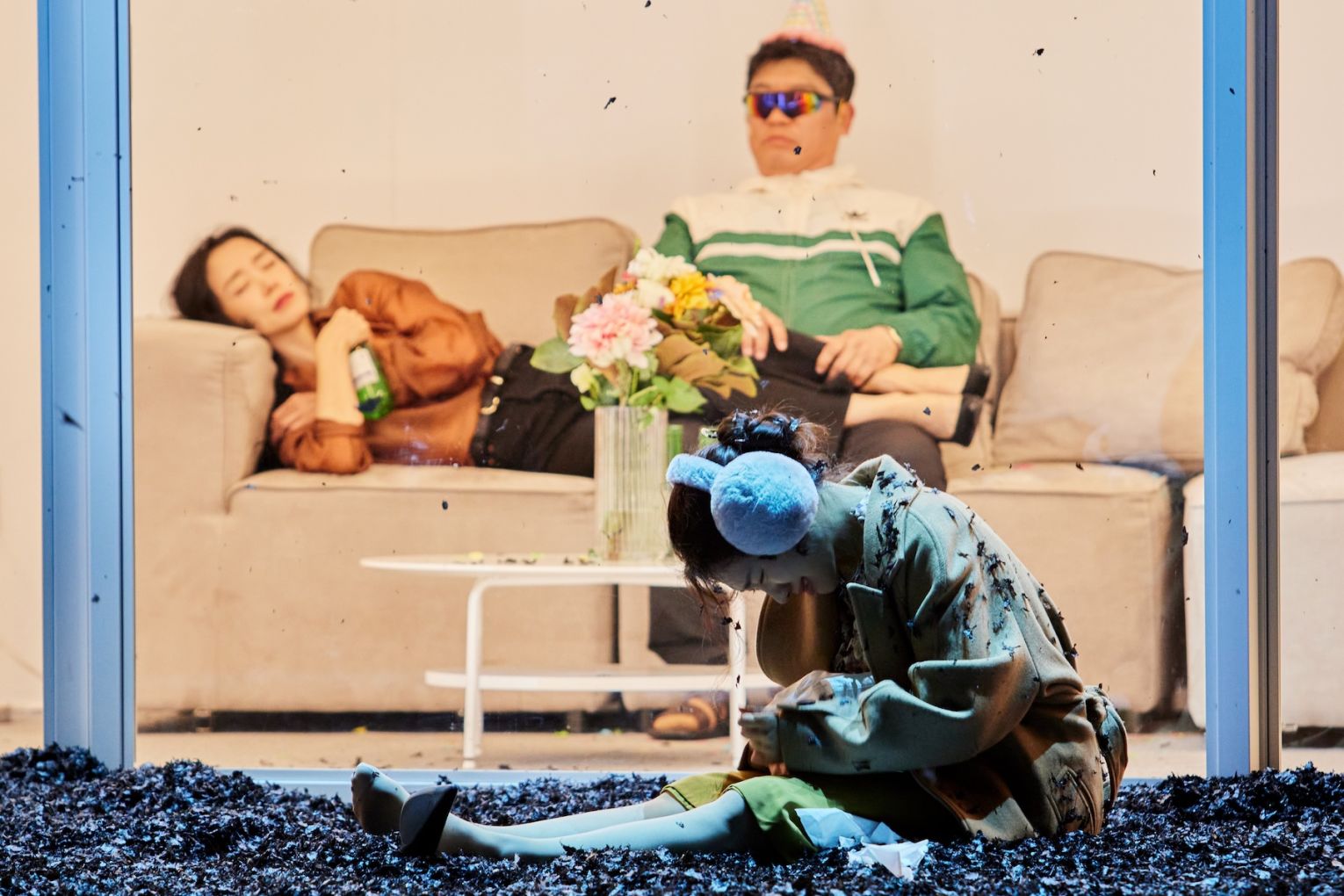
When Simon Stone’s The Cherry Orchard opened in South Korea in 2024, the Australian director was heartened to see a conspicuously young crowd turn out to see Anton Chekhov’s 120-year-old dynastic drama uprooted to modern Seoul.
Speaking to InReview from his home in Vienna, Stone estimates that over half the audience was under the age of 30.
“Which is demographically completely unique – it’s not like that pretty much anywhere else in the world,” he says. “I think there’s a hunger for the theatrical experience.”
For the past two decades the actor-turned-director has charted a buzzy career path from the playhouses of Melbourne and Sydney to their counterparts in London and New York, recruiting A-listers like Rose Byrne, Alicia Vikander and Billie Piper to ‘remix’ classics from Federico García Lorca’s Yerma to Euripides’ Medea with modern edge and crossover appeal.
“I do think that [theatre] work can sometimes feel alienating, particularly to younger audiences, because there’s an assumption the art doesn’t have to justify itself,” Stone says of the theatre world’s demographic challenges.
“That question of ‘Why are we in a theatre?’ is not something that you can just take for granted.”
Instead, Stone says, theatre-makers must remind audiences, within the first 10 minutes, how theatre can tell a story like no other artform – and why it’s worth paying the equivalent of a year’s Netflix subscription for the privilege.
“Because some people will be in the theatre for the first time,” he says. “They want to understand the language of what they’re watching, they want to understand why it’s being told in a theatrical format rather than rather than a film or a YouTube series.”
Stone says his South Korean detour began in front of a screen rather than a stage, when he found himself down a rabbit hole of South Korean cinema for months at a time.
You might like
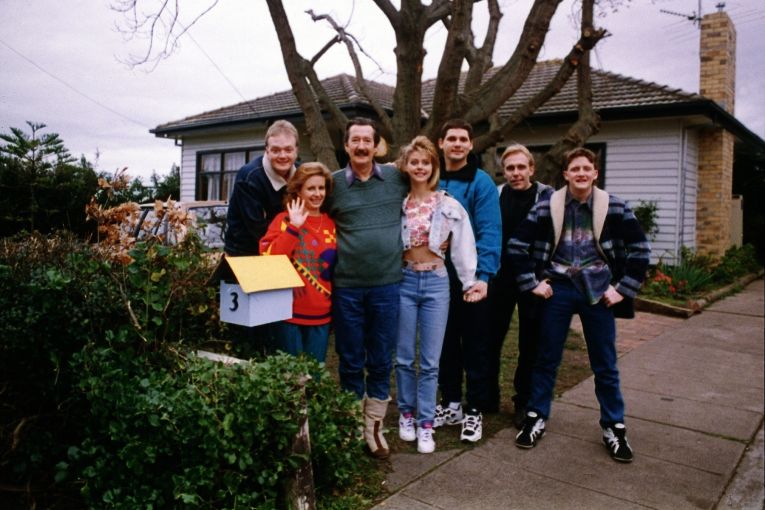
"They’ll find the gag, and then they’ll break your heart a second later – there’s no announcement that the genre has changed."
“I developed this obsession with Korean actors,” Stone explains. “Because they have this thing that is very hard to achieve; they move so effortlessly between so-called ‘serious acting’ and ‘comedic acting’.
“They’ll find the gag, and then they’ll break your heart a second later – there’s no announcement that the genre has changed.”
Stone says this continuum of emotion naturally recalled the “mercurial” work of Chekhov, whose final play The Cherry Orchard Stone had first adapted for Melbourne Theatre Company back in 2013.
In 2020, Stone decided to spend some of the industry clout he’d garnered to pitch an unlikely dream project: he would take another crack at The Cherry Orchard, this time swapping Russia’s landed gentry for South Korea’s Chaebol culture of family-driven corporate dynasties.
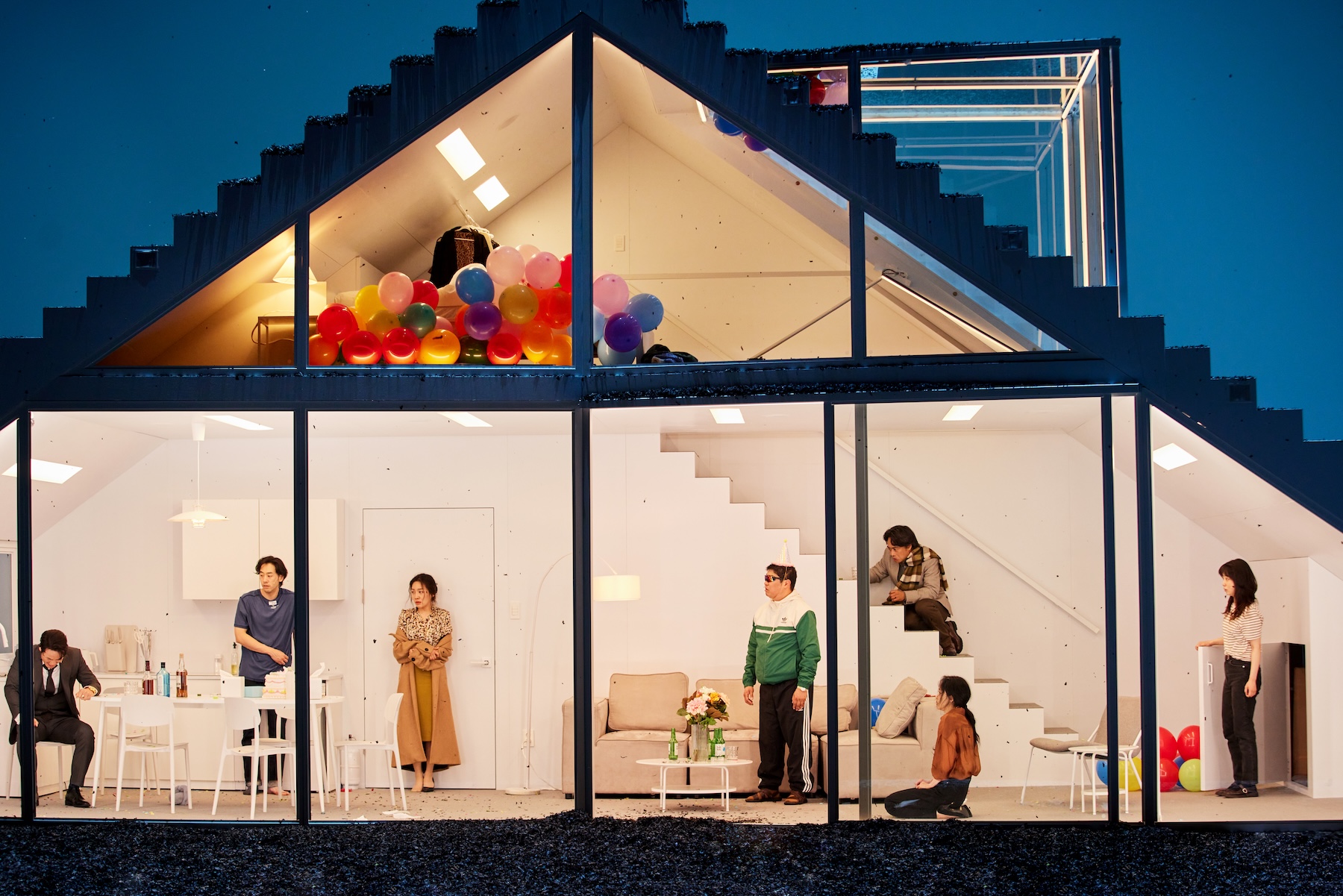
While some aspects of Chekhov’s story didn’t quite translate during his first attempt in Melbourne, Stone says the South Korean context had a lot in common with pre-revolutionary Russia.
“I mean, there was an attempted military coup about six months after we did the play,” he says of the December 2024 political crisis that saw South Korean President Yoon Suk Yeol impeached and eventually jailed after controversially declaring martial law.
“It was really interesting, because [Chekhov] talks about the responsibility of leadership, and corruption at the top. It was really interesting to see a Korean audience in Busan hear that – they almost thought I’d rewritten it for the second season.”
Stone says the country’s cultural dominance – from the rise of K-pop to its burgeoning film and television industry – also recalls the international popularity of Russian exports like Tchaikovsky, Rimsky-Korsakov, and the Ballets Russes.
"It’s like moving to New York in the 70s while Scorsese and Coppola are kicking around – you want to be part of where it’s at."
“Everyone in Paris was obsessed with Russia at the turn of the century, at the exact time that Chekhov was writing and it’s a similar thing now – everyone in the world is obsessed with Korea at the moment, and I just wanted to be part of that cultural renaissance.
Subscribe for updates
“It’s like moving to New York in the 70s while Scorsese and Coppola are kicking around – you want to be part of where it’s at.”
The Cherry Orchard will make its Australian premiere in February as part of the 2026 Adelaide Festival, just one year after Stone’s imposing staging of Finnish composer Kaija Saariaho’s final opera Innocence proved a highlight of the 2025 festival.
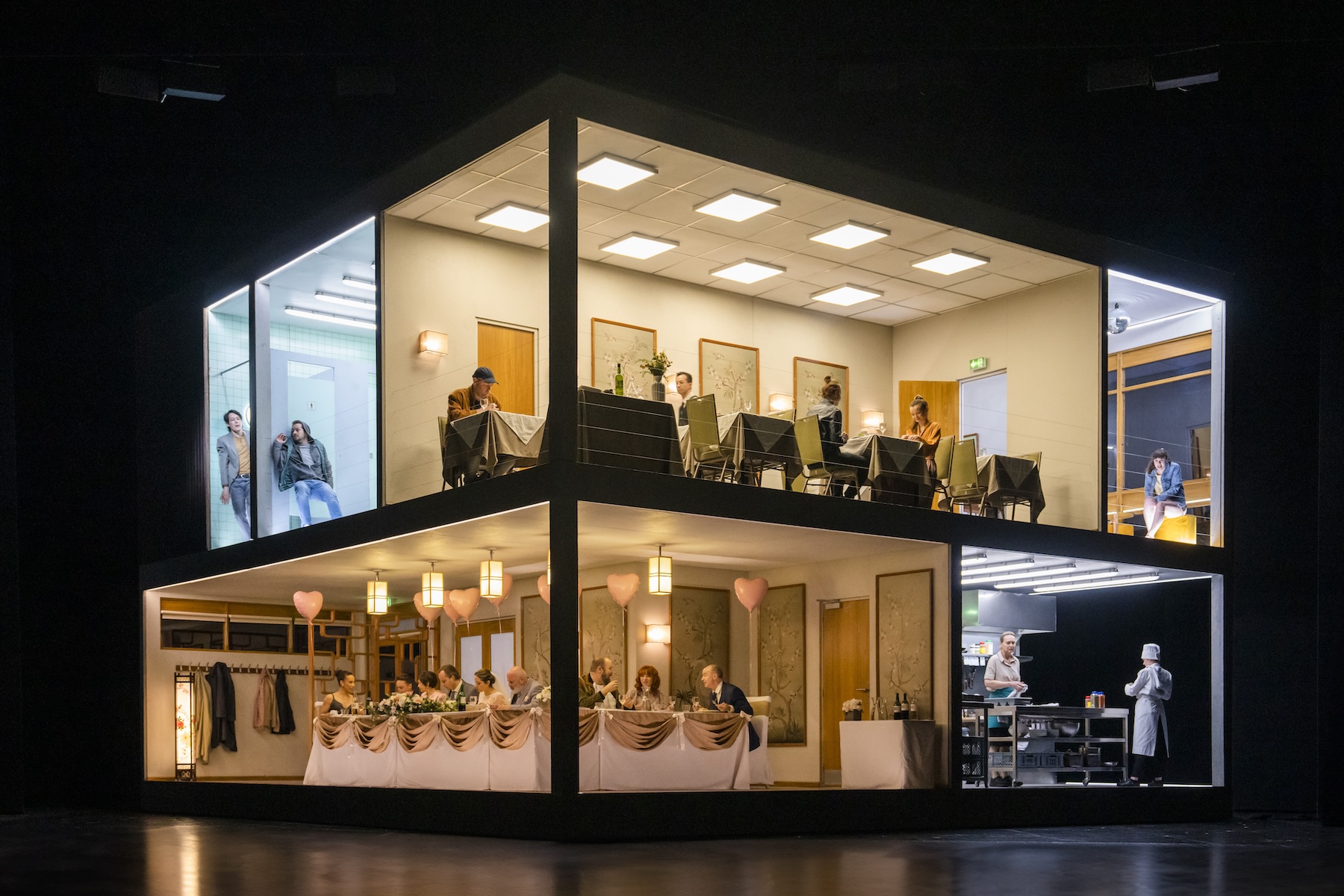
Performed entirely in Korean – Stone wrote his script in English, before dramaturg Danbi Yi translated it – the show also enlists a starry cast that will be familiar to viewers who, like Stone, have been swept away by South Korean screen culture.
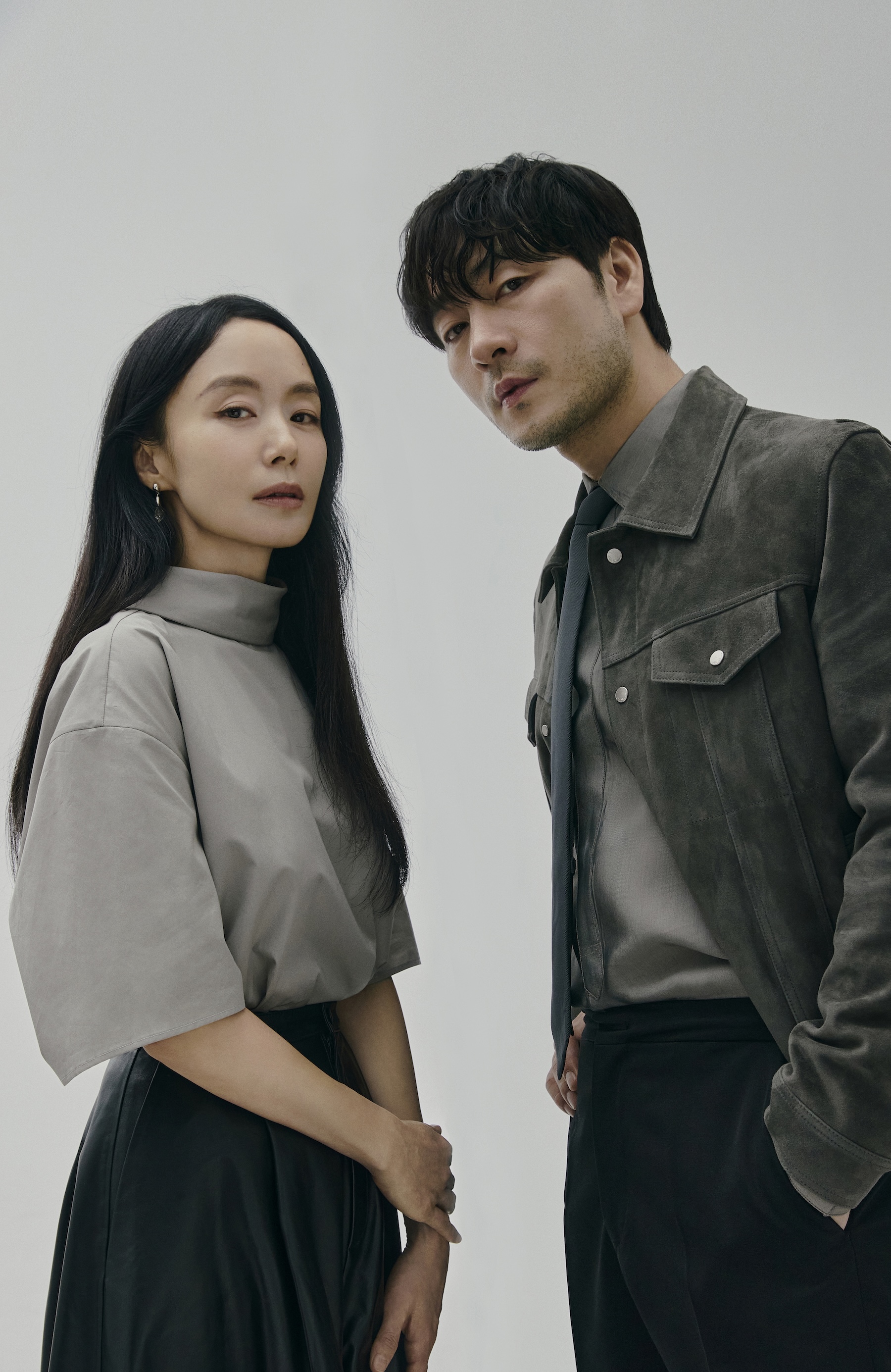
“I said to them, ‘Can you find me the Meryl Streep of Korea?’” he says of the “extraordinary” Jeon Do-yeon, who plays the family matriarch in a rare stage appearance for the celebrated screen actor. “Whereas Park Hae-soo, who recently became famous with Prison Playbook and Squid Game, he has been onstage every year since he left drama school – so he’s like a stage animal.”
Commissioned during the short tenure of former Adelaide Festival artistic director Ruth McKenzie, The Cherry Orchard arrives in a year where her successor Matthew Lutton has made no secret of the need to draw a “new generation of festival-goers”.
“We have a very loyal audience who have been supporting the festival for decades, but we need to also be enticing the next generation of festival lovers,” Lutton told InReview in a statement. “I want both audiences to sit side by side with each other.”
After offering discounted tickets to audiences under 30 for over a decade, this year the festival has widened the net to punters under 40.
“Just because someone’s turned 30 doesn’t mean they have income stability to be able to afford a full-priced ticket to high-profile international shows,” Lutton explains.
Lutton had hoped a “showman” like Stone – along with other initiatives like the music festival Tryp and a free concert from Britpop legends Pulp – will appeal beyond the festival’s core base. It remains to be seen how the Adelaide Writers’ Week boycott, which saw Pulp threaten to withdraw and several Tryp acts pull out, might impact the festival’s standing with younger audiences.
For Stone, there’s more at stake than short-term box office returns if young people are priced out or left behind.
“It’s that self-perpetuating cycle; that you’re making work for these subscribers, and the subscribers are all 50 and up because they’re the only ones that can afford to go. Then the work becomes unappealing to young people, and then it just proves itself as an elitist art form – and I think that’s really dangerous.”
The Cherry Orchard runs from February 27 – March 1 2025 at the Festival Theatre as part of the 2026 Adelaide Festival

Want to see more stories from InDaily SA in your Google search results?
- Click here to set InDaily SA as a preferred source.
- Tick the box next to "InDaily SA". That's it.
Free to share
This article may be shared online or in print under a Creative Commons licence