‘There’s more life in a fallen tree than a standing one’: Slingsby plots a long farewell after 21 years
As Slingsby Theatre readies its three-part curtain-call A Concise Compendium of Wonder, artistic director Andy Packer reflects on the company’s history, and their ecological ambitions for sustainable touring theatre.
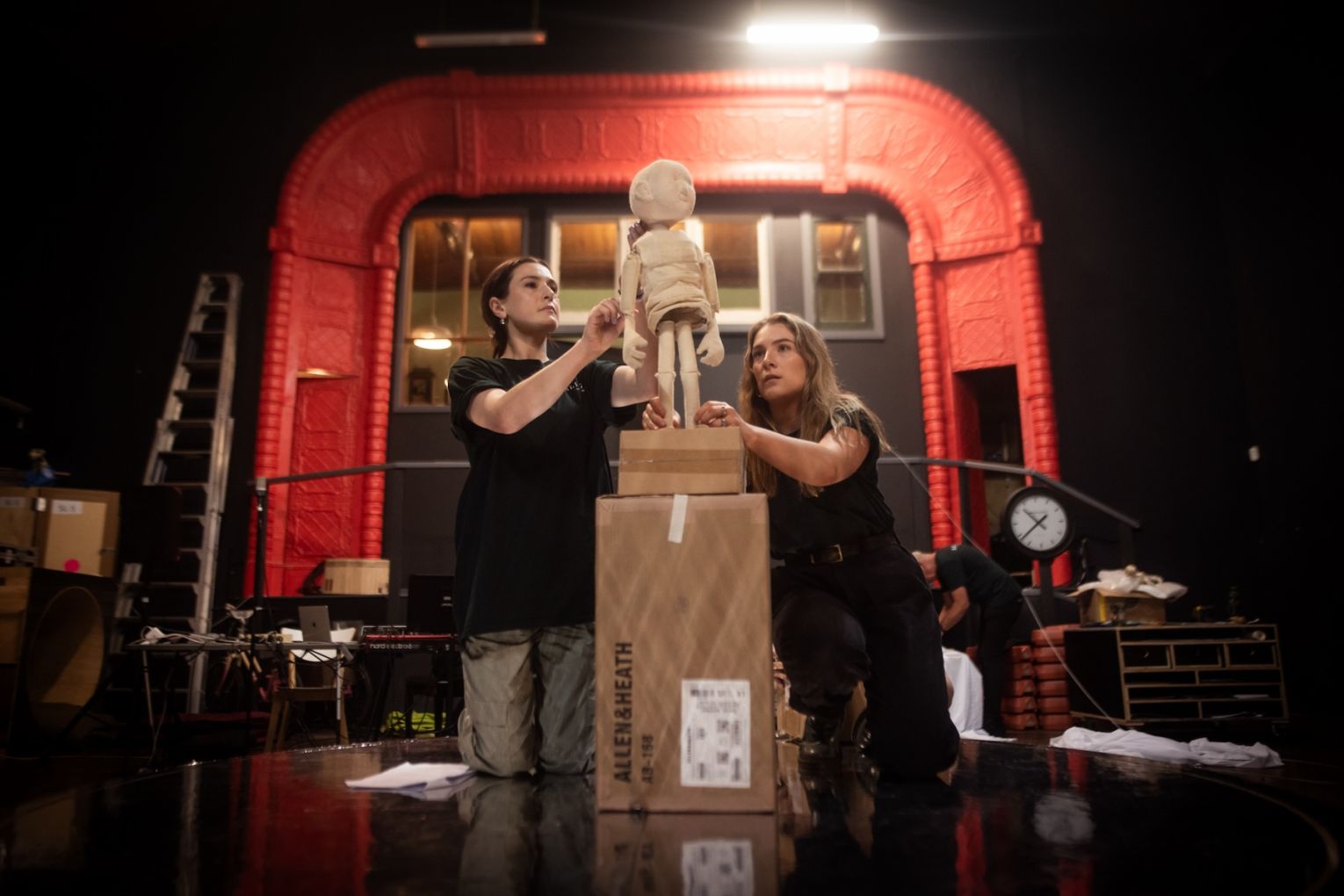
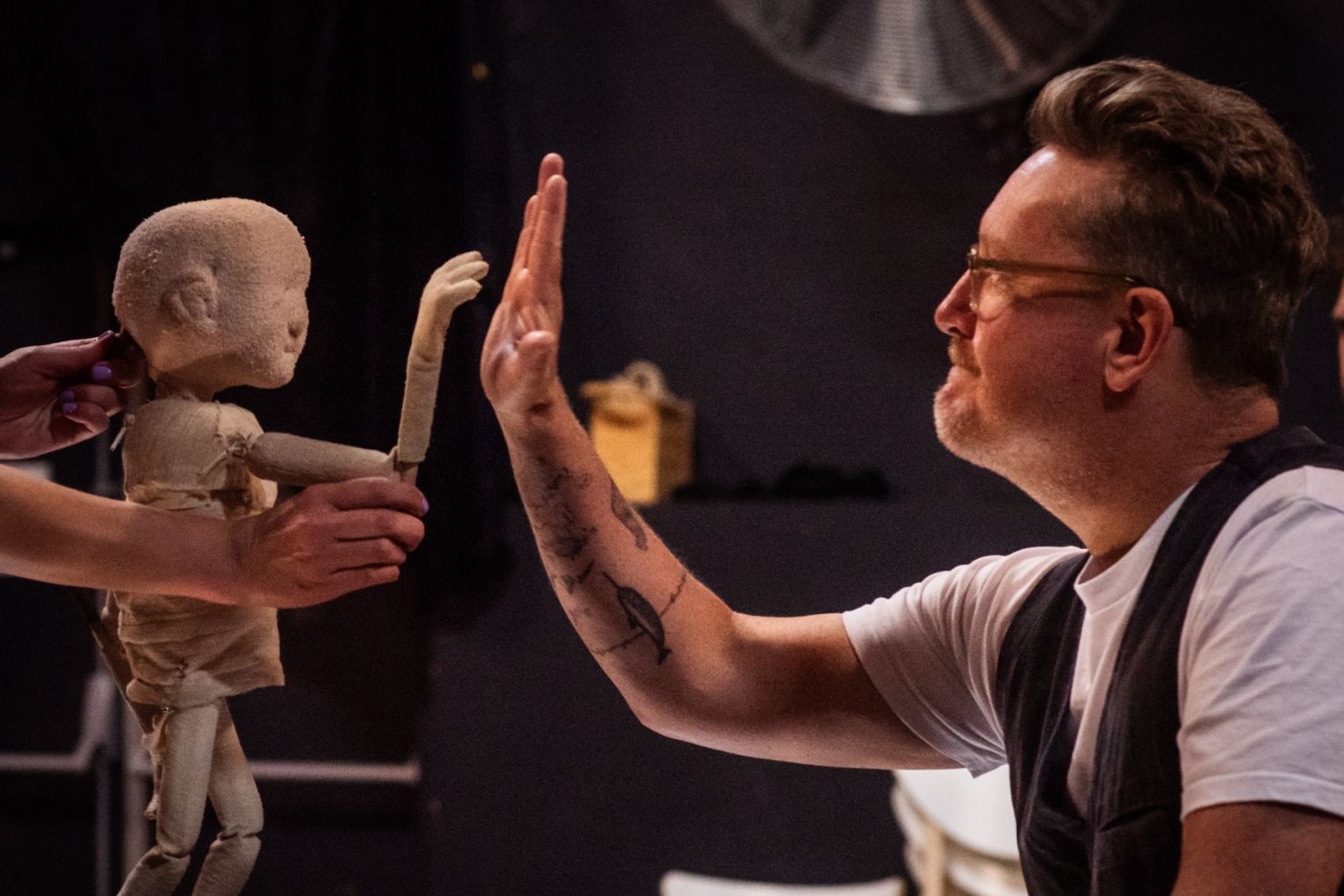
The Slingsby Hall of Possibility on Glen Osmond Road is currently in a state of upheaval –perhaps more a hall of tour equipment, electrical cabling, and theatrical remembrances. The award-winning children’s theatre company isn’t just preparing to leave its longtime home, but to close the book on its 21-year history as well.
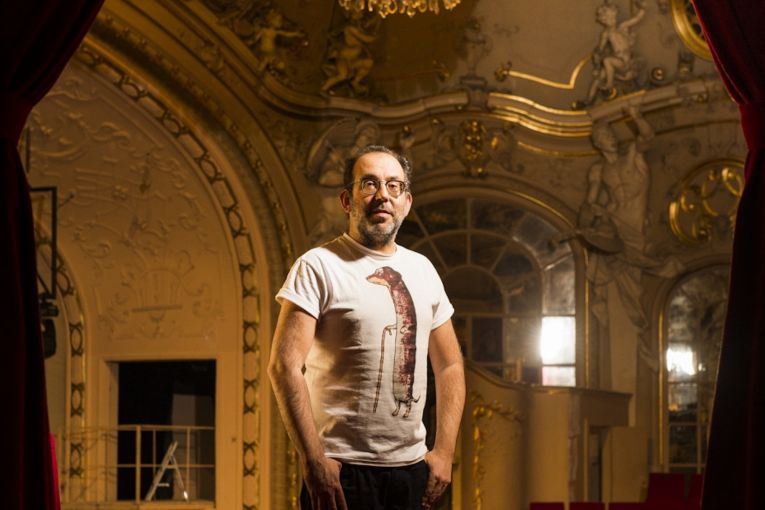
Artistic Director Andy Packer might be dressed in a trademark three-piece-suit when InReview arrives for our interview, but this isn’t a funeral. He’s looking to the future.
In 2020, Packer found himself in Philadelphia, speaking on a panel at the International Performing Arts for Youth showcase. It was a discussion about the climate emergency, and how touring artists had a responsibility to address the environmental impact of their productions.
“We feel like we’re making the world a better place by sharing stories and bringing art, and theatre that expands young people’s horizons,” Packer tells InReview. “But we have to be honest that we’re contributing to the greatest crisis that the next generation will face, which is climate. So I had to reconcile that, and how do we address that?”
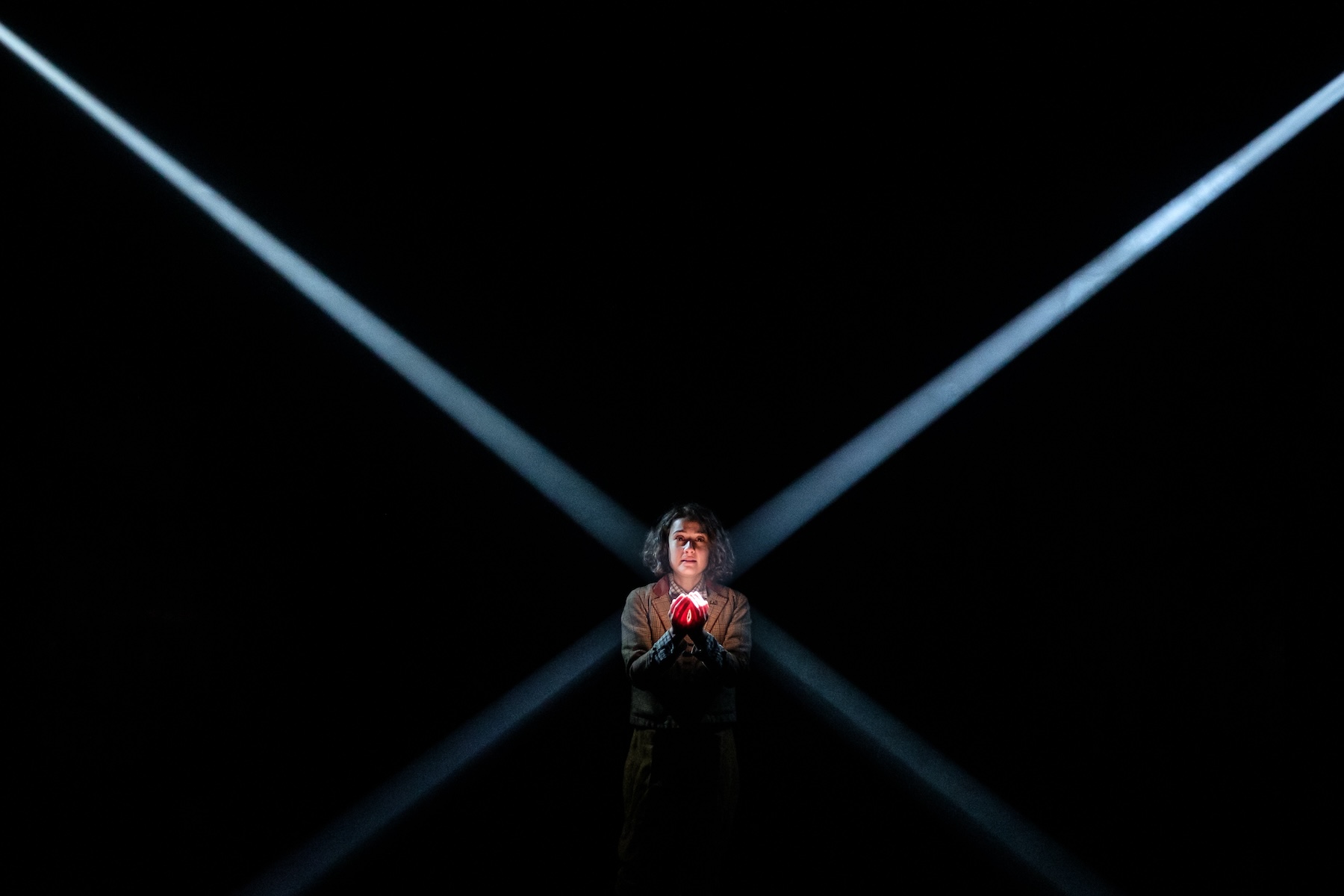
Slingsby’s work has always been on the road; in 2019 Slingsby toured across eight countries with three productions, and in 2023 they performed in five international festivals with three separate works.
Once Slingsby started measuring their carbon footprint, they realised not all touring was made equal. In their 2022 tour of The Boy Who Talked to Dogs, transporting the set in an eight-metre truck around Australia emitted eight tonnes of carbon in freight alone, while a subsequent Irish tour added a further 4.5 tonnes by road and sea.
"We learnt that the worst thing we could do is fly freight."
By contrast, the 2023 international tour of Emil and the Detectives – which hit Adelaide, Auckland, Sydney by air, before a road tour through Australia to Alice Springs and later a visit to Hong Kong – generated 100 tonnes of CO2. Australia’s total annual emissions were 440.2 million tonnes in 2023-24. “We learnt that the worst thing we could do is fly freight,” Packer reflects.
You might like
A longer, richer, deeper touring model
Touring is undeniably at the heart of Slingsby, so the company decided to “lean into abundance rather than austerity”; rather than stop touring altogether, or ‘concept touring’ where the show travels but the creatives do not, Slingsby has found a way to essentialise their travel and allow for the artists to spend longer in each touring location. For the lifespan of Slingsby’s next major work, A Concise Compendium of Wonder, Packer and his team have commissioned a custom-built theatre that houses all three shows, built with efficient transport in mind.
“It’s going to change the way we tour by slowing us down, spending more time in each community, getting a better outcome of a more immersive experience for the audience,” Packer says. “But it also means we’re in town longer and there’s more opportunity for word of mouth, which doesn’t normally happen in for touring companies.
“One of the things I love about touring in regional Australia or internationally is that you bump into people that you see in the theatre in the supermarket or down the street, and that personal connection is really beautiful. So the longer we can spend in each community, the richer and deeper that connection is.”
Alongside the commitment to a more environmentally conscious touring season, was an ambition to produce “three brilliant productions” that not only showcased Slingsby’s iconic style, but also reflected humanity’s rapid changing relationship with nature over the past 2000 years.
A time-travelling tryptych
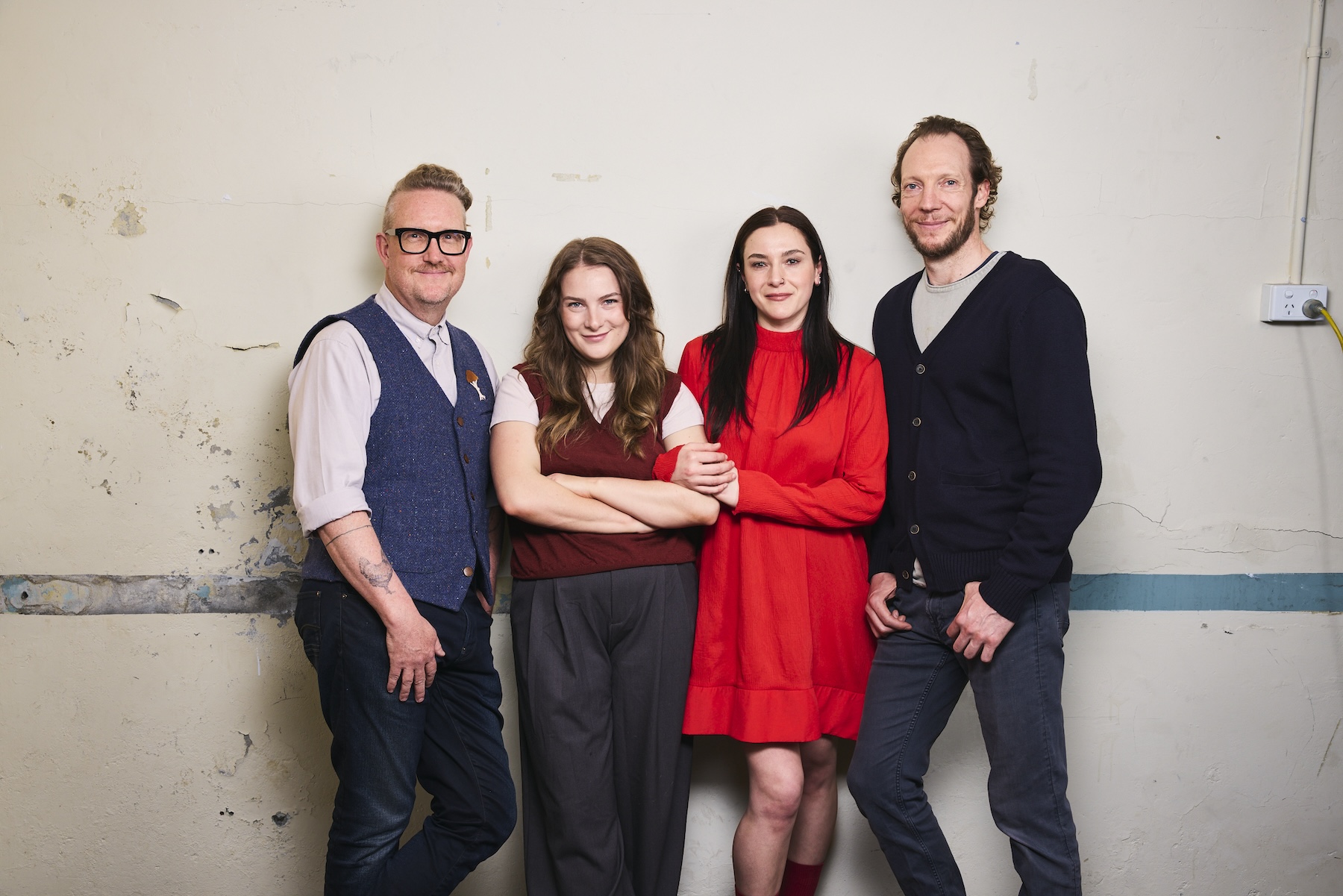
A Concise Compendium of Wonder features three new commissions from prominent Australian writers Jennifer Mills, Ursula Dubosarsky and Ceridwen Dovey, each one a re-imagined fairy tales set at ecologically crucial times in human history performed by seasoned South Australian performers Ren Williams, Nathan O’Keefe, and Kate Cheel. The three-part production will premiere at Adelaide Festival in February, with Slingsby’s new custom theatre erected in Adelaide Botanic Garden before hitting the road.
“We had the idea that we could pass through time…What if we went from 1315 to the end of the 17th century, into the future?” So the brief for Ceridwen Dovey was: Would you adapt Hans Christian Andersen’s The Little Match Girl, and set in in the future? And can there be some sense at the end of of hope of a possible return.”
The third play in the triptych, The Tree of Light, is thus set in 3099, on the Moon, amongst the “Moonfolk”, with their leader inviting you to “join her in the giant hollow trunk of the last remaining tree on the Moon.”
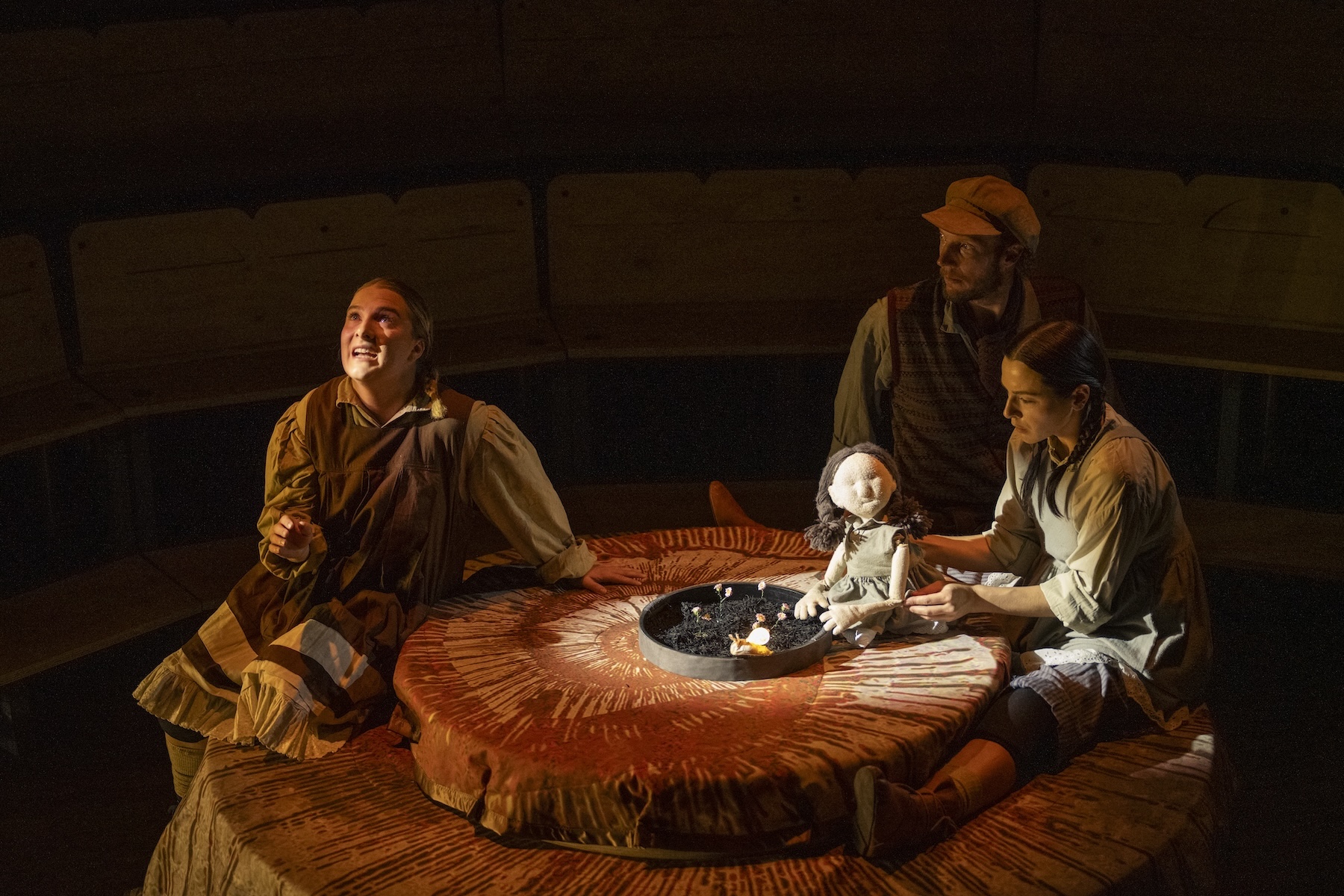
The other two pieces of the triptych also grounded in major historical shifts in human impacts in ecology. The first play in the sequence, fittingly titled The Childhood of the World, an adaptation of Hansel and Gretel (sans witch and gingerbread house) is thus inspired by the Great Famine of 1315, when it “rained for ten months” in Europe, and children were often sent away by parents hoping to avoid resorting to cannibalism.
Subscribe for updates
For The Giant’s Garden, an adaptation of Oscar Wilde’s The Selfish Giant, the play is set in the 17th century, reflecting the enclosures of the commons and the new ideas about private ownership of land.
The choice of fairytales evokes a classic Slingsby arc, which Packer describes as “moving past darkness back into the light, with always a sense of hope at the end.” While all may not be well at the end of the plays, the characters have grown through adversity, and may be more ready to face what comes next.
How to say farewell
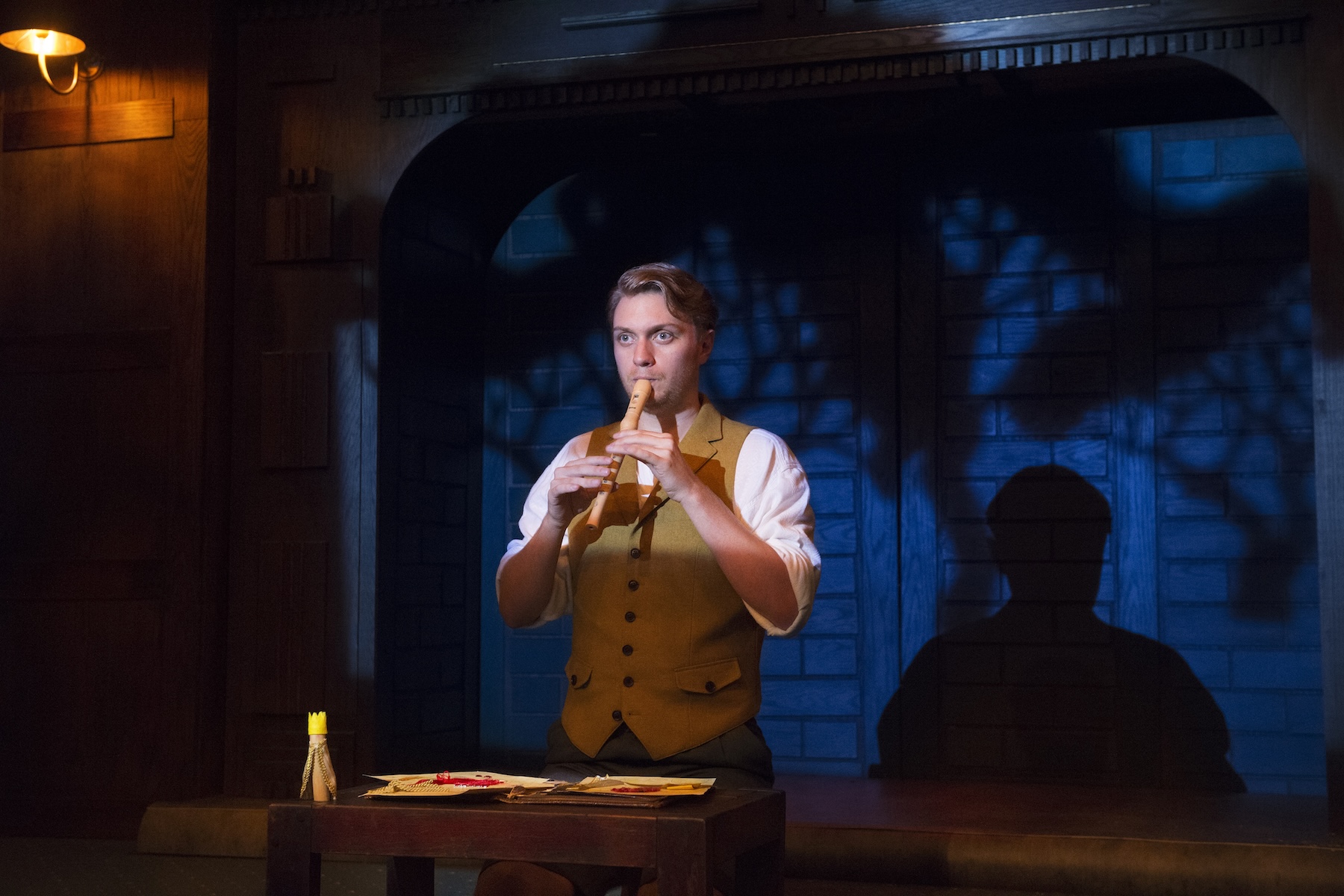
Slingsby’s 21-year history features an enduring track record of producing theatre for a young audience with high production values. The world-worn, nostalgic aesthetic of their shows, often evoking the late 19th century, produces a dreamlike space for the audiences to step away from their day-to-day, but also confront their anxieties. This sometimes includes stepping back into forgotten gems of our past, such as Slingsby’s inventive activation of the former Myer Centre Dazzeland site for The Young King.
Packer fondly recalls how one reviewer called A Tragical Life of Cheeseboy – a breakthrough work for the company – “Top shelf arthouse Sovereign Hill.”
“If you were travelling through a gold mine’s campsite in 1895 and stumbled across a traveling magic lantern show, that’s exactly what it would look like,” Packer quips.
While Slingsby’s decision to wind up the company at the conclusion of Concise Compendium’s tour in 2027 is inevitably connected to the financial challenges of contemporary theatre – in 2023 Packer called Creative Australia’s decision not to renew Slingsby’s four-year-funding ‘devastating’ – the decision to end with A Concise Compendium of Wonder was an artistic one. The core artistic team of director Andy Packer, composer Quincy Grant, and designer Wendy Todd has largely remained unchanged since Cheeseboy, and the company decided to bow out with a long tour that will revisit each of their favourite touring locations and reconnect with those communities.
“Like the end of a Slingsby show, the character returns to highlights from the story, and that’s what we’re wanting to do with this show… it’s like a long farewell, a long curtain call,” Packer says.
"We’re thinking about the legacy of the company, what [Slingsby] represents to other artists in South Australia, and how to go out in a way that feels like a success rather than a failure."
“And at the same time we’re thinking about the legacy of the company, what [Slingsby] represents to other artists in South Australia, and how to go out in a way that feels like a success rather than a failure.”
Even the three plays of the Concise Compendium will live on as a printed collection, to be released in March by local indie publisher Pink Shorts Press.
“We’re so used to the end of things being a failure. This is actually a conscious choice to say ‘21 years is a pretty great amount of time, and not all things have to last forever’.
“There’s more life in a fallen tree than a standing one.”
A Concise Compendium of Wonder will premiere at the 2026 Adelaide Festival, before touring nationally

Want to see more stories from InDaily SA in your Google search results?
- Click here to set InDaily SA as a preferred source.
- Tick the box next to "InDaily SA". That's it.
Free to share
This article may be shared online or in print under a Creative Commons licence