What’s My Scene: Making music has driven Ross McHenry’s life
In our regular Q&A column What’s My Scene, InReview speaks to emerging and established local artists to get their take on the South Australian creative scene and their place within it. This week, producer, composer, and bassist Ross McHenry reflects on leaving Adelaide, while carrying its influence in every note.
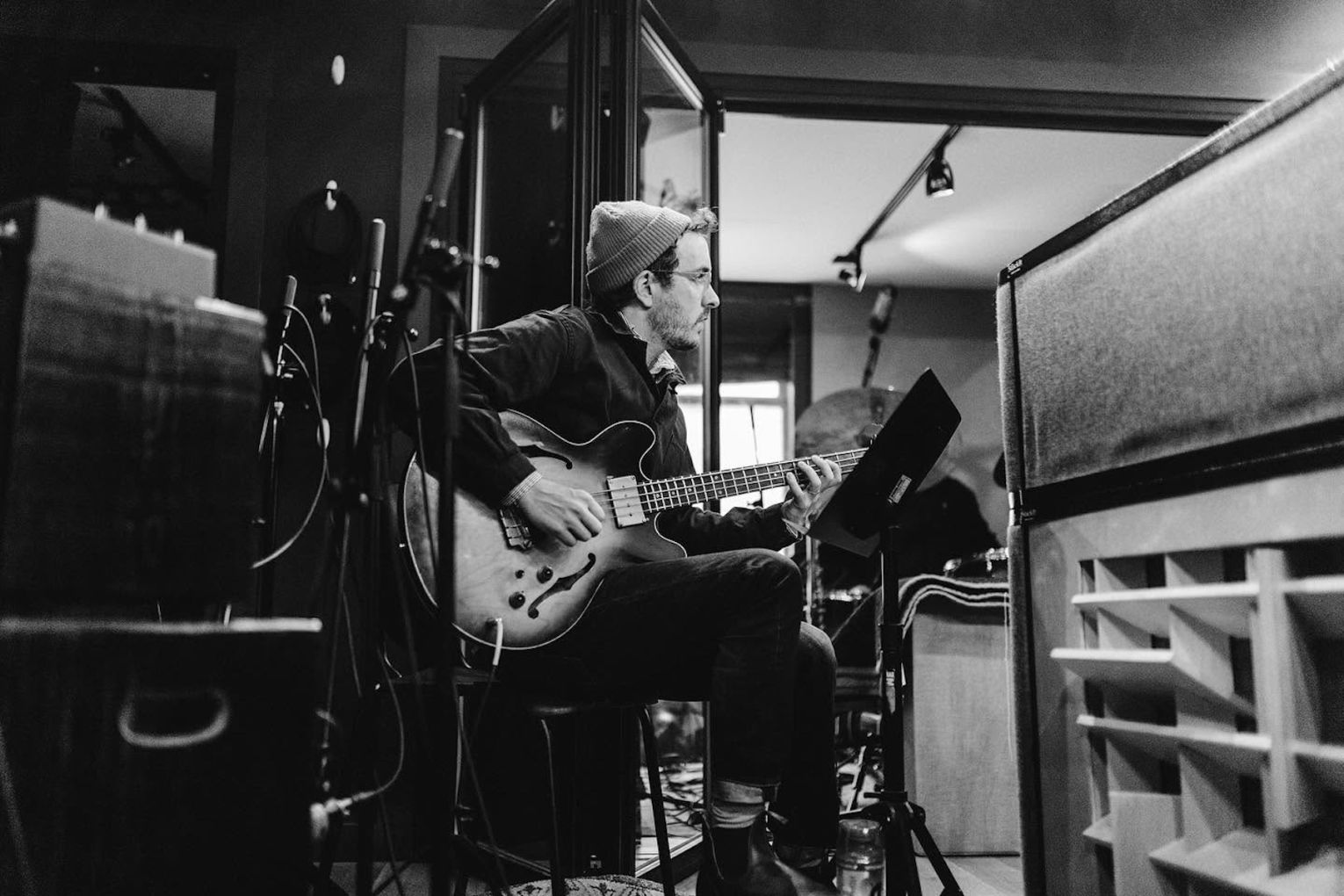
Where was your first Adelaide gig, and how did it go?
I think my first proper gig in Adelaide was at the old Rhino Room upstairs on Frome St, although I could be mistaken. It was so long ago I don’t even remember what it was like, but I am sure it was not my greatest showing. Likely very loud. Poorly mixed. Sweaty and a whole lot of fun.
At that stage in my life, just playing any gig was a dream come true. It seemed like such a lofty goal – to play a gig in a real music venue. I distinctly remember a conversation with my dear friend the great drummer Kevin van Der Zwaag in those early days where I said something along the lines of, “If we can just play one support show, I’ll be happy”. And of course, you do end up doing that, and then lots of other gigs, and records and tours and your expectations grow and you’re never truly happy, but those early gigs and the almost religious zeal I felt towards wanting to play a gig is something I won’t forget.
What is your artist origin story?
I come from a family that always loved and valued music. There was always music playing in my house. My mum played Baroque music. We listened to the radio mostly, because buying records was expensive. All the speakers and amplifiers in our house were made cheaply, but with love, by my father. For my eighth birthday my parents bought me a small tape player. We religiously listened to Saturday Night Jukebox and I used to tape it each week and listen back. It was devastating when you accidently pressed play and record at the same time and recorded over the start of a song you loved. If that happened you had to wait until it came on the radio again to re-record – if you were lucky.
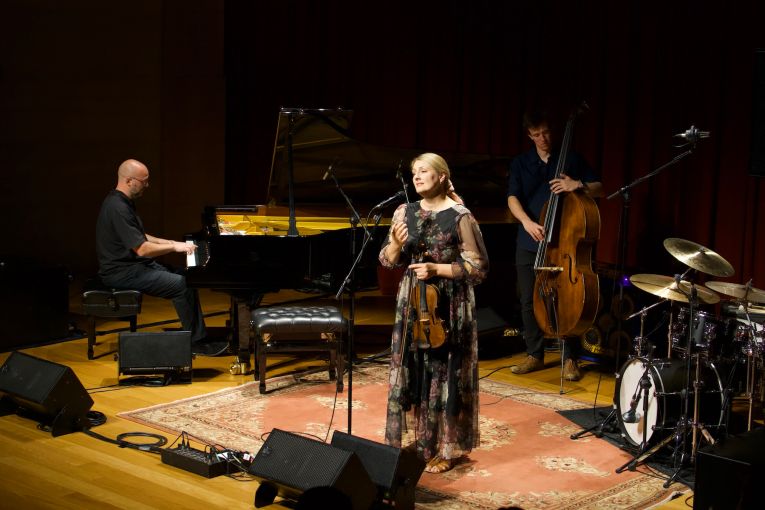
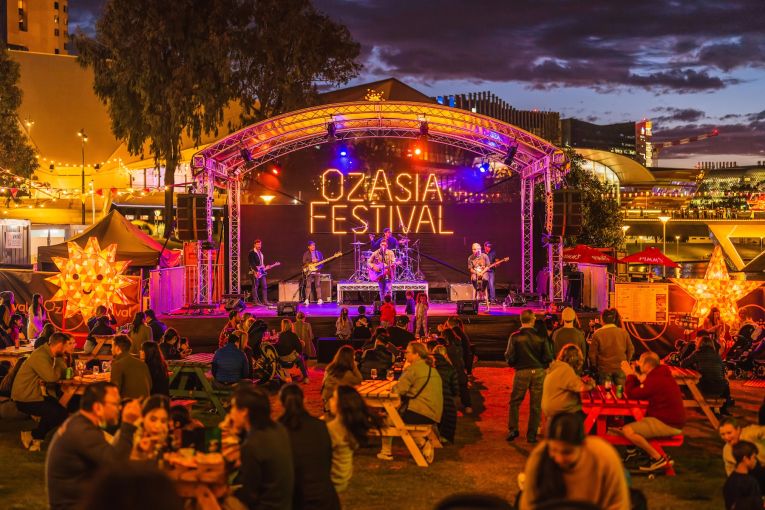
We were encouraged to play music. I tried lots of instruments, but nothing really landed. Then, around Year 5 at primary school I started incessantly tapping rhythms. Everywhere, on the table. On the car dashboard. It drove my parents crazy. But my mum got me drum lessons as a result. And that was the real beginning. In high school I switched to bass because there were two drummers in my year and we wanted to start a band. The rest is a kind of rolling continuum. Making music has driven everything in my life.
What was your impression of the Adelaide creative scene when you first started, and how has that changed?
I first started going to gigs in the late 90s and early 2000s. In some ways it was the apotheosis and simultaneously the beginning of the end of the music industry. CDs were king and then all of a sudden music downloads just killed recorded music sales. That changed everything – but people kept making records even though they became worthless almost overnight. When I started playing gigs regularly around 2005 or 2006 making CDs was still a thing, but we also started making 45s and LPs again as well to try and reclaim some sort of meaningful physicality in what we were doing. But it was never like that scene I caught the tail end of when owning the CD felt like the most important thing in the world to have. You had to have it.
The scene at that time was strong, there were more venues than there are now, and there was also a stronger, what I would describe as a middle tier of bands touring. Bands that had radio play and some success but weren’t huge. These bands were mostly very collegiate and developing relationships with them led to other things, like gigs interstate. It felt very organic, and relational. There was no social media. You just made records and put up posters and tried to get your songs played on radio and made friends with other bands. I don’t know if its better or worse now, but it was definitely a different time. That said, music is still music so the only thing that actually matters remains the same.
How has your own work evolved since you first started?
My work has evolved immensely over time. Mostly in that I think now, aged 40, I am actually making music that isn’t terrible. When you start out, unless you are freakishly talented or lucky, you replicate things. Replication is a direct pathway to mediocrity and lack of meaning. The two worst things in music. The paradox is that you do have to start by learning what other people have done or you have no skills to do anything. But this means your music generally is not very good, or at least not really very interesting or original for a long time.
Subscribe for updates
I started out trying to play music that sounded like all the things I loved. And never came close. It was, as is always the case with replication – disingenuous. Over time though, I have been able to find a way to make music that comes not from trying to sound like other people but is closer to a what feels like a very personal practice, that feels much more meaningful to me and I hope to other people as well. For me a big part of that is a sense of place. I don’t live in Adelaide anymore but my music, more and more I feel, comes from Adelaide. I can’t escape it. It is me. I am it. In particular the Adelaide Hills, where I grew up and lived until I moved to Sydney, is the source of my music. I don’t know how else to explain it. But it has become clearer to me over time that this is where the music is from.
What is it about your next project that you’re most excited or nervous to share with the world?
I am about to record a new album and play a series of shows which is a coming together of relationships I have forged over many years. With Adelaide musicians Django Rowe and Kyrie Anderson, the Tasmanian guitarist Julius Schwing, and New York Trumpeter Adam O’Farrill. These are all musical connections that have been built over many years but this is the first coming together of this specific group. We are playing at the Melbourne Jazz Festival and in Adelaide at COMA. It’s a completely new body of work and one I’m very excited for. These artists are the artists who inspire me and challenge me the most. They are also friends, which is important. The hang is as important as the music.
Favourite Adelaide venue to play?
The Wheaty or the Grace. Depending on the gig. Ukaria for anything chamber music though – Ukaria is heaven on earth.
Ross McHenry performs with Adam O’Farrill, Julius Schwing, Kyrie Anderson and Django Rowe on Monday October 19 at The Wheatsheaf Hotel
Want to see more stories from InDaily SA in your Google search results?
- Click here to set InDaily SA as a preferred source.
- Tick the box next to "InDaily SA". That's it.
Free to share
This article may be shared online or in print under a Creative Commons licence