Adelaide’s private gallery scene is shrinking, leaving a ‘more fragile ecosystem’ in its wake
A string of closures has chipped away at Adelaide’s commercial gallery sector, with causes including rising costs, declining visitation, and the occasional gallery-flattening road project. Critic and art historian Margot Osborne explores what it means for South Australia’s art landscape.
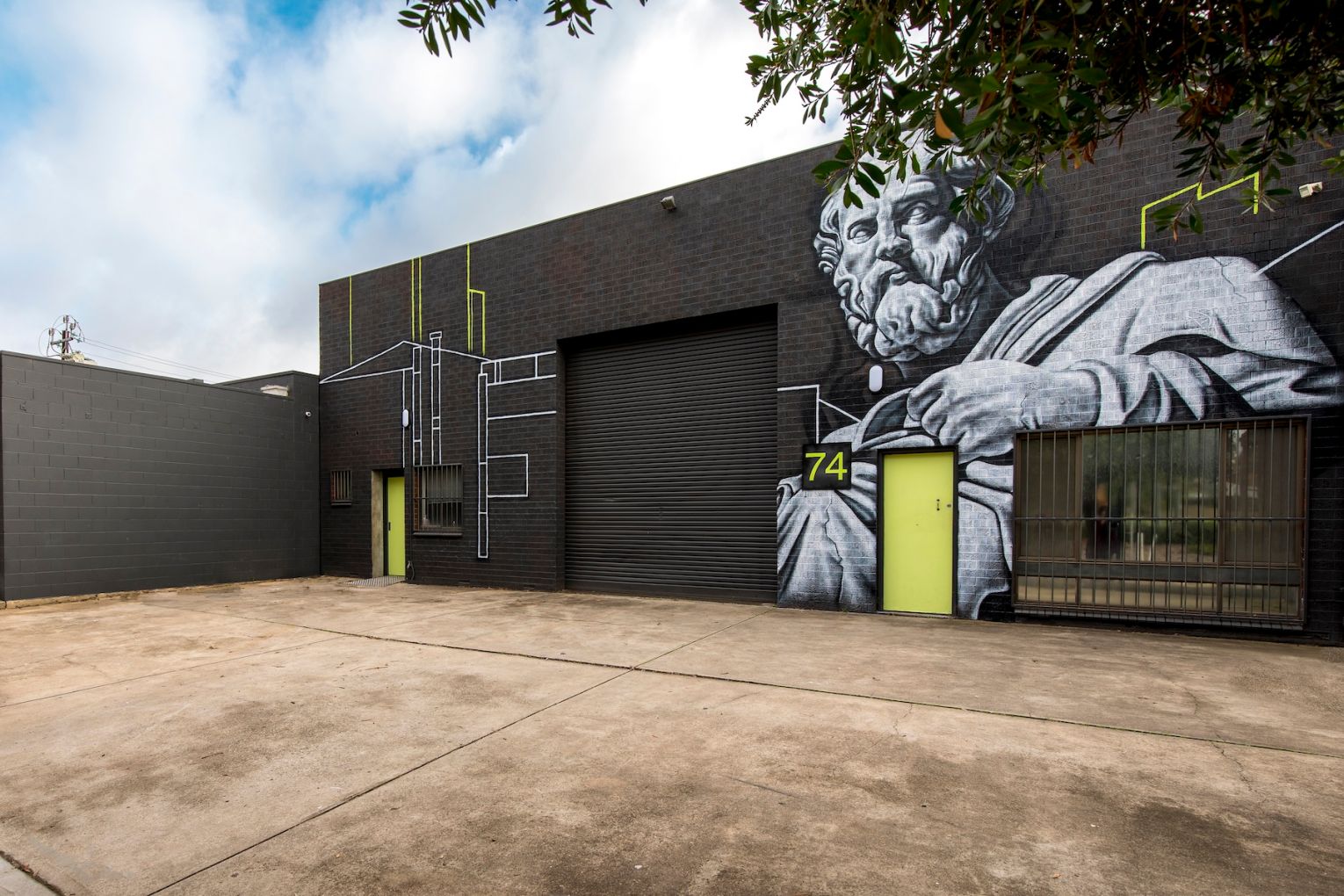
Last December, Praxis Artspace celebrated ten years of operation in the inner west suburb of Bowden. Another milestone soon followed with an exhibition by Margaret Ambridge receiving a Fringe award in March. Straight after this exhibition, however, Praxis cut its public opening hours.
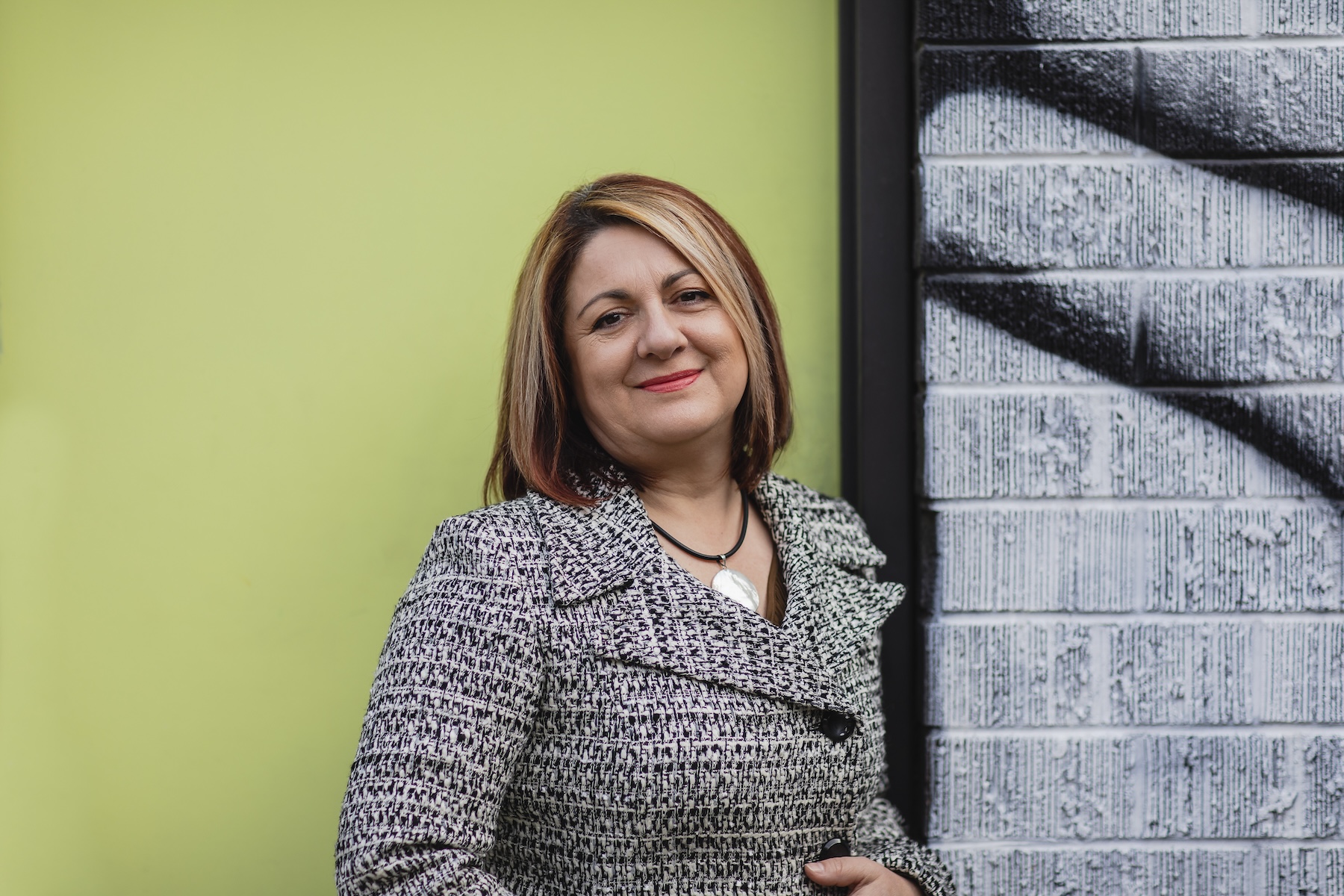
In a statement to InReview, Praxis Artspace’s founding director Patty Chehade says that she has found herself “challenged with the question of how a gallery can succeed, whether the structure itself still best serves the ideas and energies behind it”.
“Over the years I built a respected program, presented ambitious curated exhibitions, and supported an exceptional roster of artists, but have now reached a natural point of transition,” she explains. “Directing a gallery over many years requires sustained emotional, intellectual, and financial commitment.”
Unlike most private galleries, Praxis did not represent a contracted stable of artists, with Chehade programming her expansive warehouse-style premises as a space for curatorial and artist projects. Over 10 years she presented exhibitions by an eclectic mix of emerging and established artists, including a strong showing of women artists.
"Directing a gallery over many years requires sustained emotional, intellectual, and financial commitment."
For Chehade, Praxis was a ‘passion project’ which she never expected to turn a profit, with the gallery charging a standard 40% sales commission towards costs. But the relentless demands of running the gallery exacted a price, eventually becoming too personally and financially exhausting to continue alone.
Back in December, Chehade was upbeat about its future at the opening night of the group exhibition Space Between Scenes – announcing to the crowd a plan for the exhibition’s young curator to help lead Praxis’s next chapter. That succession plan fell through in the new year, and the subsequent birth of Chehade’s first grandchild firmed her decision to stop and reassess.
The current closure of Praxis – Chehade says there is an exhibition planned for SALA Festival, and she is exploring alternative models – may be a harbinger of more deep-rooted upheaval. For some time, there have been signs that Adelaide’s privately-owned commercial gallery scene has been in a slow and subtle decline. Apart from Praxis, other long-established galleries that have closed their bricks-and-mortar businesses in recent years are Hill Smith Gallery in 2019 (established 1979), GAG Projects in 2024 (established 1991 as Greenaway Art Gallery), and most recently BMG Art in 2025 (established as Bonython Art Gallery in 1961).
You might like
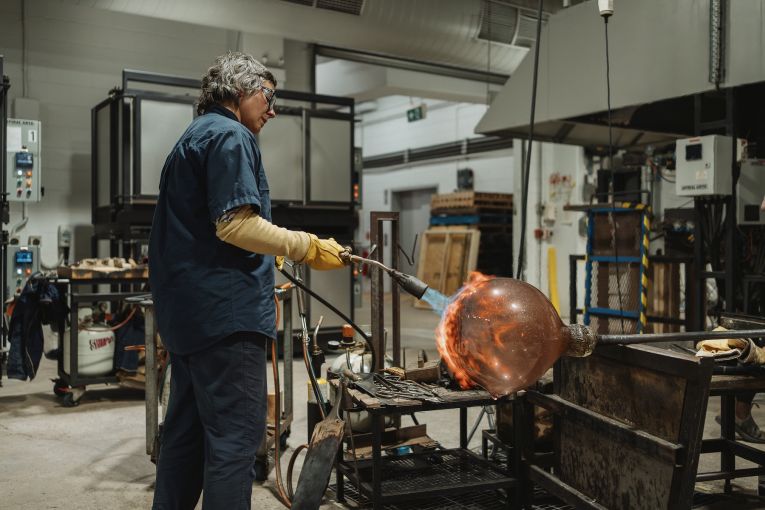
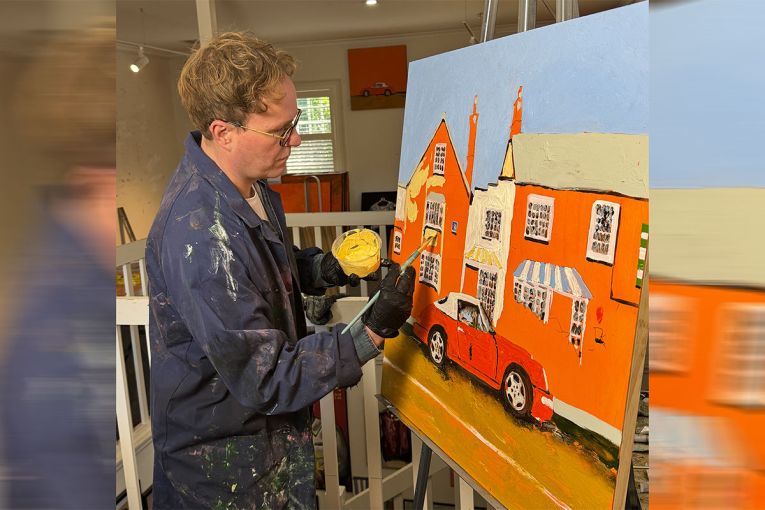
The reasons for these four closures vary. Gallerists are understandably reserved about revealing too much about their operations, but conversations with both principals and artists indicate that not all shows return a profit for the gallery or the artist; it is more frequently the case that the occasional big-selling show underwrites losses on others.
This is part of the business model, as gallerists take on early-career artists and invest in building their profile, or show artists whose work is important but less easily saleable – a gamble that might one day return dividends. Both require gallery owners with deep pockets, and confidence in their artists to weather the unpredictable highs and lows.
Further, the virtual disappearance of art criticism in legacy media and the closure of The Adelaide Review and art periodicals including Art & Australia, CACSA Broadsheet and Art Monthly Australia across the past decade, has substantially reduced the visibility of gallery programs, impacting casual visitation beyond mailing list regulars. Eventually, it seems that ever higher overheads, accompanied by decreasing visitations and sales, stretched even these tenacious veteran gallerists to breaking point.
After close to 40 years running his gallery, Sam Hill Smith is stoic about his decision to step back. He has commented that the decision to restructure the gallery to a new model was not about any one factor – although age did play a role. The art market he has known for many decades has changed significantly, notably the introduction of the internet, social media, and the rising costs of participation in national and international art fairs among other growing business costs.
He and his wife Margo established Hill Smith Art Advisory, a “bespoke approach to working with clients and artists”. They continue to work with many of the artists they previously represented plus some new ones, offering works to view online and by appointment. In addition, Margo through her association with the Light Square-based ILA (Immersive Light and Art) presents a small number of pop-up exhibitions and new media presentations each year for the ILA Creative Program.
Trudyanne Brown has been in the gallery business for over six decades, having started working with Kym Bonython’s eponymous gallery in the 1960s, before taking over ownership in the 1980s with her then husband, Roger Meadmore, and changing the gallery’s name, first to Bonython Meadmore Gallery, then BMG Fine Art and more recently simply BMGArt. Now in her early 80s, she shows no sign of wishing to retire, admitting that the gallery business is her life. She comments, “if you’re doing something you enjoy, it’s not work”.
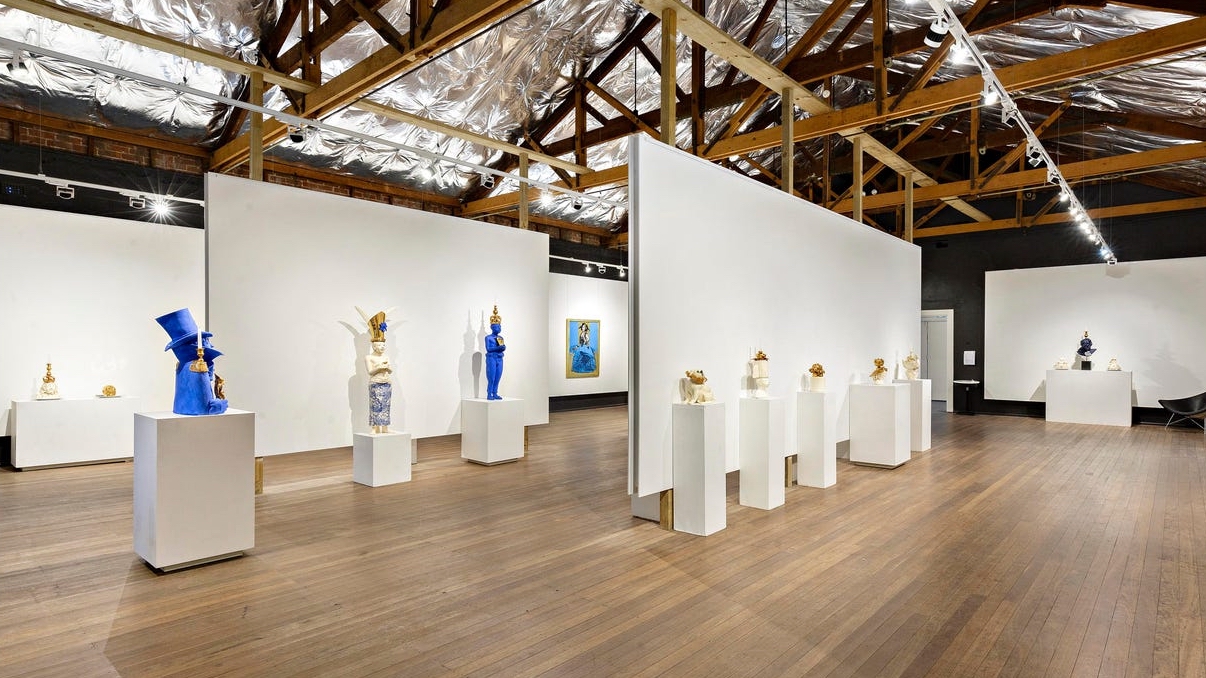
A huge setback was the forced sale of her South Road, Marden property, which comprised both BMGArt gallery and her home. Brown relocated BMGArt to a leased gallery in Halifax Street, Adelaide, but at the end of 2025 she was forced to close her permanent gallery due to high operating overheads. This year she launched what she anticipates will be a series of exhibitions in The Mezzanine, a gallery space available for short-term hire in Kent Town. She presented her first exhibition there during the Adelaide Festival, with three more planned for 2026 and six scheduled for next year.
In 2025 Paul Greenaway OAM moved his art operations online, establishing GAG Art Advisory to continue representing many of the artists he previously exhibited in his now closed Kent Town gallery, while maintaining a stock room and selling their art on both the primary (first point of sale) and secondary (resale) market. He also provides expert investment and valuation advice to art collectors. He is philosophical about the online move, telling InReview that private sector galleries face issues that are “structural”, and citing “education, financial and generational” factors.
Subscribe for updates
“Over the past twenty years there have been fewer designated art teachers in schools, and the current and recent governments have been more interested in sport than culture,” Greenaway said in a statement.
“With the cost-of-living rising, there are less discretionary funds for supporting the arts, not as decorative motif but as a soul-searching action. Attracting younger generations to the intellectual challenges through art has become harder, and previous generations of collectors haven’t passed on their passion of going to galleries to their children. Perhaps buying online for the mere purpose of decorating is more efficient for many these days, to be later put in bins like disposable IKEAs … To just wait and hope for return of independent, quality appreciation is a big risk.”
These are worrying trends for those established artists who rely on exhibiting and selling their art in Adelaide to maintain a viable professional career, and for early career Adelaide artists who wish to gain gallery representation here as part of building a wider national career. Apart from their core role in selling art through exhibitions and stock room sales, private galleries play a vital part in raising the profile of artists in their stable through taking out paid advertising in national journals like Art Collector and Artist Profile, facilitating architectural and corporate art commissions, and showing their artists at national and international art fairs.
Over the past few decades Hill Smith Art Gallery, GAG Projects and BMG Art have together played a hugely significant role in representing a large percentage of Adelaide’s major living artists and, especially in the case of GAG Projects, representing them at national and international art fairs. It appears that very few of the artists represented by these three galleries have found alternatives elsewhere in Adelaide, although several show with interstate galleries.
What is particularly concerning is that there have not been any ambitious new bricks-and-mortar galleries established in their place, leaving many artists, both local and from interstate and overseas, without commercial gallery exhibition possibilities in Adelaide.
This diminishing presence of private galleries in Adelaide’s art scene should be equally worrying for the contemporary art-loving and art-buying public in this city, who are starved of choice beyond the ‘experimental’ and largely limited-life installation-style art to be found in Adelaide’s small not-for-profit art spaces. Stimulating, risk-taking and ambitious new art has never been the exclusive domain of the not-for-profit sector. But support of this art with private funds involves a risk for the gallery as well as the artist, and this does not always pay off.
This situation should be worrying for the state government, too. While existing state investment often focuses on the not-for-profit sector of the visual arts, the health of the visual arts ecosystem also needs this nominally commercial sector to thrive. If artists cannot sell their work and if the public cannot see a wider spectrum of art than what is offered by funded spaces, then the decline that is currently occurring will become entrenched.
In a recent issue of Art Collector magazine, its editor Robert Buratti wrote that “the Australian artworld is fragmenting into a more fluid ecosphere” and “undergoing its most significant structural transformation in decades” involving a sales surge being experienced by smaller galleries selling work under $50,000 and the decline of blue-chip galleries. This may be the case in Sydney and Melbourne, but it seems no more than a fantasy in Adelaide.
"Adelaide’s shrinking private gallery landscape is a real concern for the broader arts ecology."
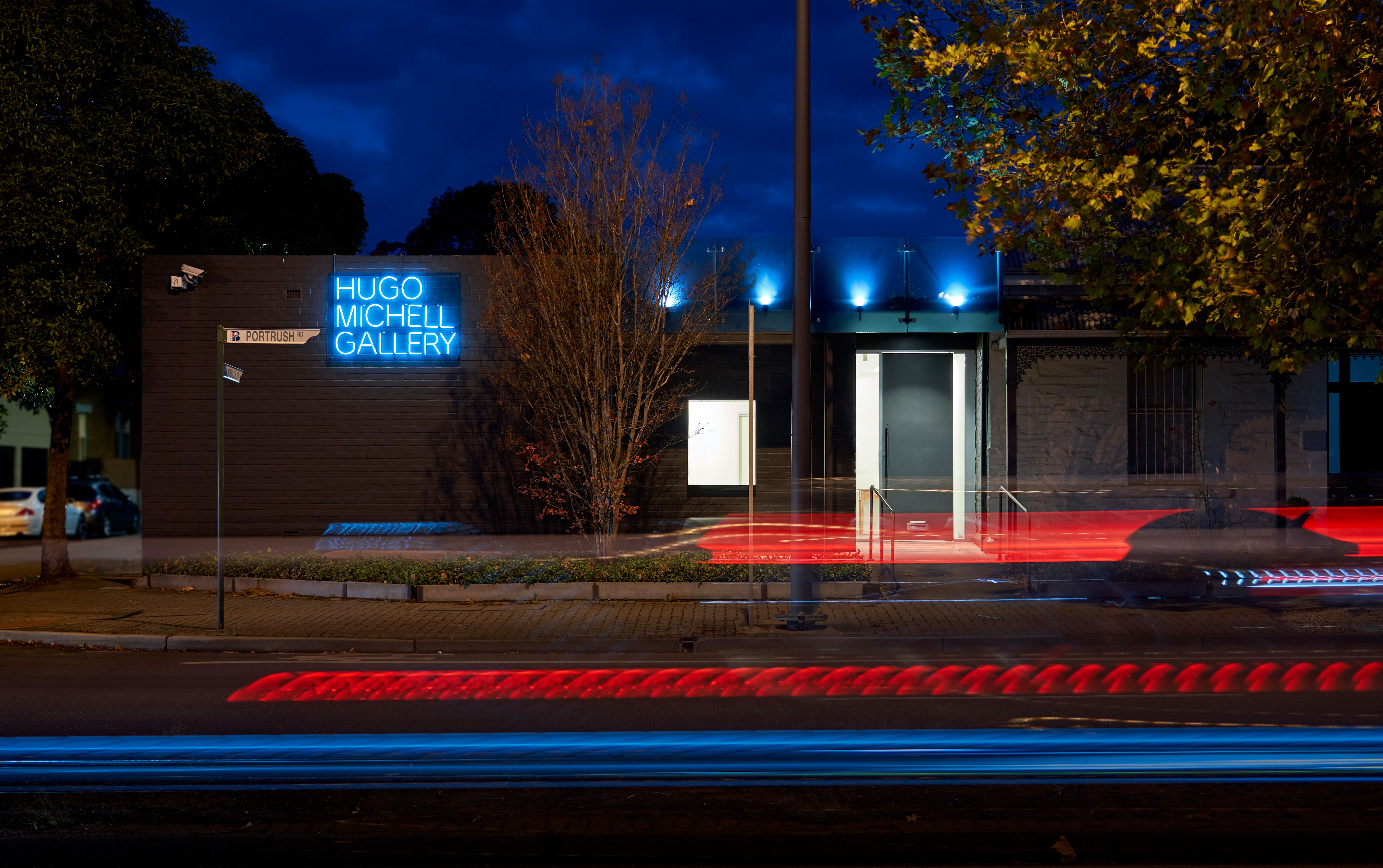
Meanwhile, Hugo Michell’s eponymous gallery continues to operate in the inner east suburb of Beulah Park, with its exhibition program open to the public five days a week. Like the other gallerists, he owns his Portrush Road gallery premises, which he opened in 2008. Michell has astutely tapped into the style and tastes of a broad cross-generational collector base and built a stable of local and interstate contemporary artists. Despite this success, Michell also shares concerns at the wider implications of the attrition in private galleries operating in Adelaide.
“Adelaide’s shrinking private gallery landscape is a real concern for the broader arts ecology,” Michell told InReview in a statement.
“Commercial galleries play a critical role in supporting mid-career and established artists, and their decline creates a gap that isn’t easily filled by institutions or artist-run initiatives alone. There are multiple pressures at play, from financial viability and shifting buying habits to the increasing demands placed on arts workers; the cumulative effect is a more fragile ecosystem.
As these experienced gallerists attest, this decline is impacting the whole art ecosystem in this city. In turn, it is the result of wider cultural, political and economic forces. There is a cross-departmental role for governments to play in providing strategic forms of direct and indirect economic stimulus to these commercial operations, rather than arts funding – this might include support for galleries to attend art fairs and targeted marketing initiatives.
The directors of these galleries have a huge reservoir of hard-won collective wisdom. Now is the time to seek their input in devising strategies to ensure that privately-run galleries continue to play their vital role in supporting the careers of South Australian artists and in developing a more discerning public for contemporary art.
“For the sector to remain vibrant and sustainable, there needs to be greater support, visibility, and recognition of the value that galleries bring to both artists and audiences,” Michell reflects.
Margot Osborne is an art critic, curator and art historian specialising in South Australian contemporary art. She has worked professionally in the arts in Adelaide for over 40 years and is the author/editor of The Adelaide Art Scene: Becoming contemporary 1939-2000 (Wakefield Press, 2023).
Want to see more stories from InDaily SA in your Google search results?
- Click here to set InDaily SA as a preferred source.
- Tick the box next to "InDaily SA". That's it.
Free to share
This article may be shared online or in print under a Creative Commons licence