Good praxis: How a former brothel became one of Adelaide’s leading arts spaces
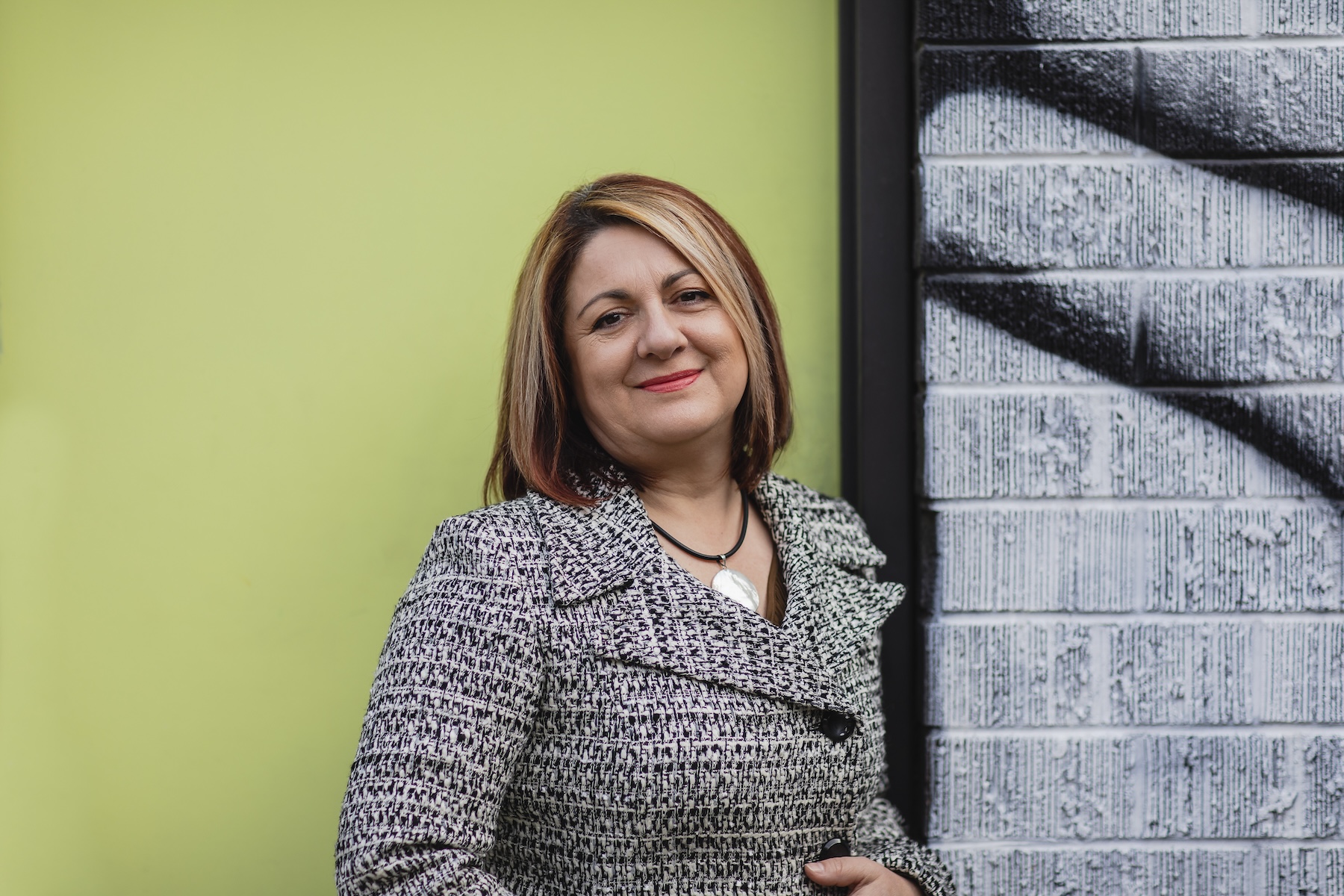
A decade since founder Patty Chehade turned a former Bowden brothel into a gallery and studio, praxis ARTSPACE continues to make a lasting impression in the jungle of Adelaide’s independent art scene.
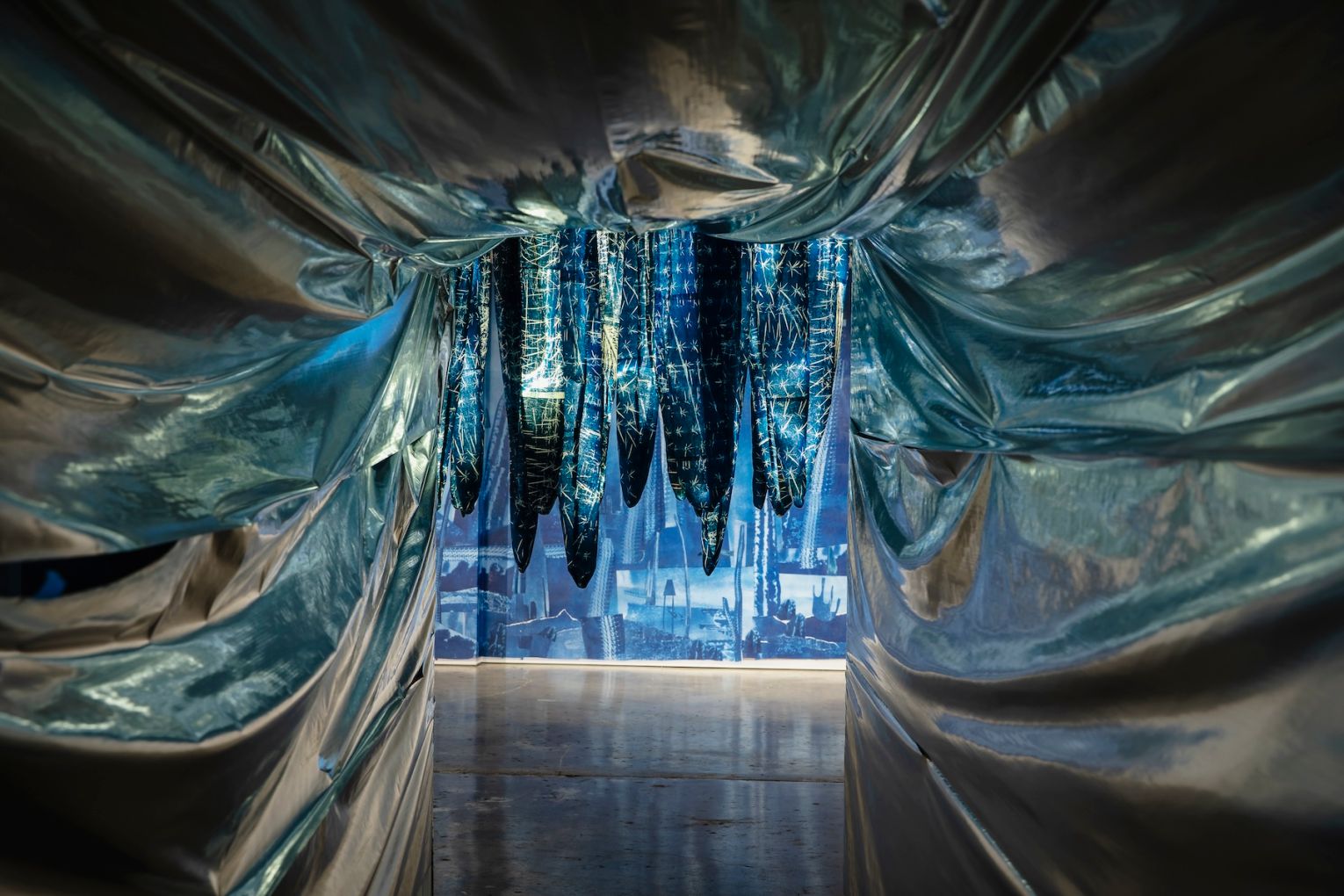
The visual arts is a funny fish. It has so many moving parts it can resemble a rotating mirror ball. Its many facets – including artists, gallerists, curators, writers, historians, teachers, art works and art spaces – spin endlessly in some notional space to create neat little packages such as ‘the art scene’, ‘contemporary art’, or ‘the art world’ which everyone can somehow relate to.
The reality is otherwise. It’s chaos theory at work, trundling along on chariot wheel ruts created by time-worn narratives and language. The whole point of modern to contemporary art of the past 75 years at least, is to somehow get out of these ruts to better understand how art still matters in an age of uncertainty.
In Adelaide, as elsewhere, there appears to be no lack of artists willing to go to the barricades. Some feel that if they can get their work circulated on social media – job done. Most however, to judge from the numbers exhibiting over an almost 50-year period, want to put their work on show. And that means finding galleries and art spaces to exhibit in – then audiences to make the whole thing worthwhile.
One day, when the history of Adelaide’s art galleries and spaces is written, it will reveal an extraordinary story of determination to establish such spaces from the ‘shows in matchboxes and caravans’ and pop-up artist collective spaces of the ’70s and ’80s, repurposed industrial sites, the upgraded flagships of North Terrace boulevard – and everything in between. Along the way local councils weighed in with bricks and mortar contributions to the stock of available exhibition spaces.
If this all sounds rosy, consider that a sizeable number of Adelaide’s art spaces have closed or radically changed direction over the last 15 years. It’s a pattern repeated as the clock’s wound back. Churn baby churn. Outside the protective shell of government or institutional subsidies and other grants, it’s a jungle out there. ‘For profit’ art spaces, usually ineligible to apply for government grants, are paying rent and insurance, maintaining facilities to a professional standard, paying staff and reliant on sales commission income. Nothing in the art game is guaranteed. There are many reasons why mid-sized galleries (or arts companies for that matter) run out of steam. So, even more reason to not only acknowledge praxis ARTSPACE’s tenth anniversary – but be reassured that intends to build on its foundations.
You might like
"Outside the protective shell of government or institutional subsidies and other grants, it’s a jungle out there."
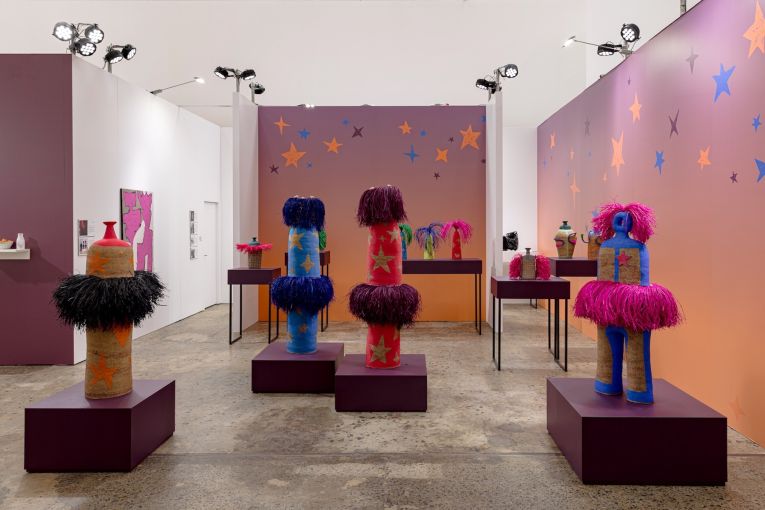
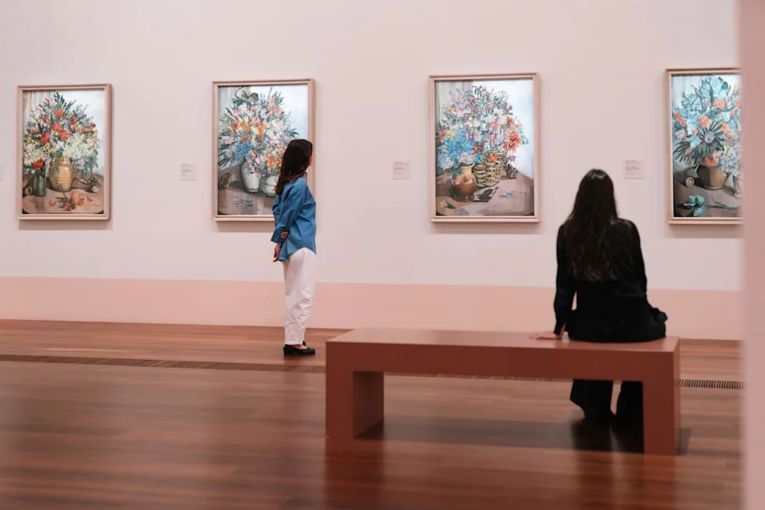
Visit the site anytime and the place is humming – a yearly programme of engaging exhibitions, attention to detail, flexible and generous spaces (including a dedicated audio/visual space) and a consistently high standard of exhibition display.
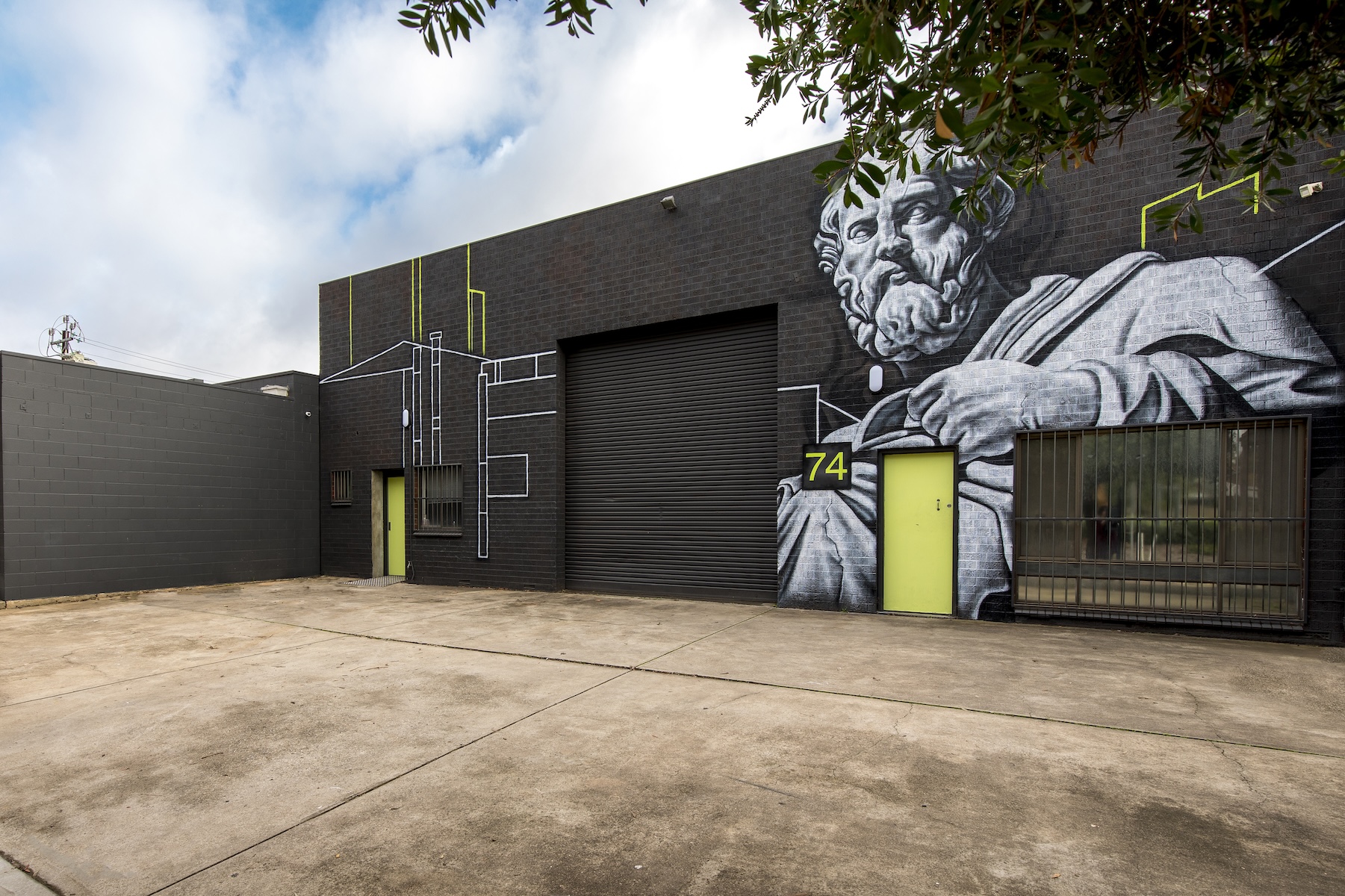
Director and founder Patty Chehade never envisaged praxis ARTSPACE as a commercial golden goose, more a down to business, niche enterprise, offering professional facilities for emerging and established artists who were aspirational in establishing their studio practices and critical reputations. The roll call of artists who have presented exhibitions to date reflect a catholic blend of conventional and more challenging modes of expression. A feature of yearly exhibition programming has been an imaginative mix of largely one-person and thematic exhibitions. The willingness of the gallery to give space to established artists showing current work or survey a lifetime’s practice is commendable. Examples include one of praxis’ start-up exhibitions showcasing the work of Australia’s finest found materials artists, Liz Butler, and a survey of two internationally recognised artists with links to Adelaide, Dianne Longley and Olga Sankey.
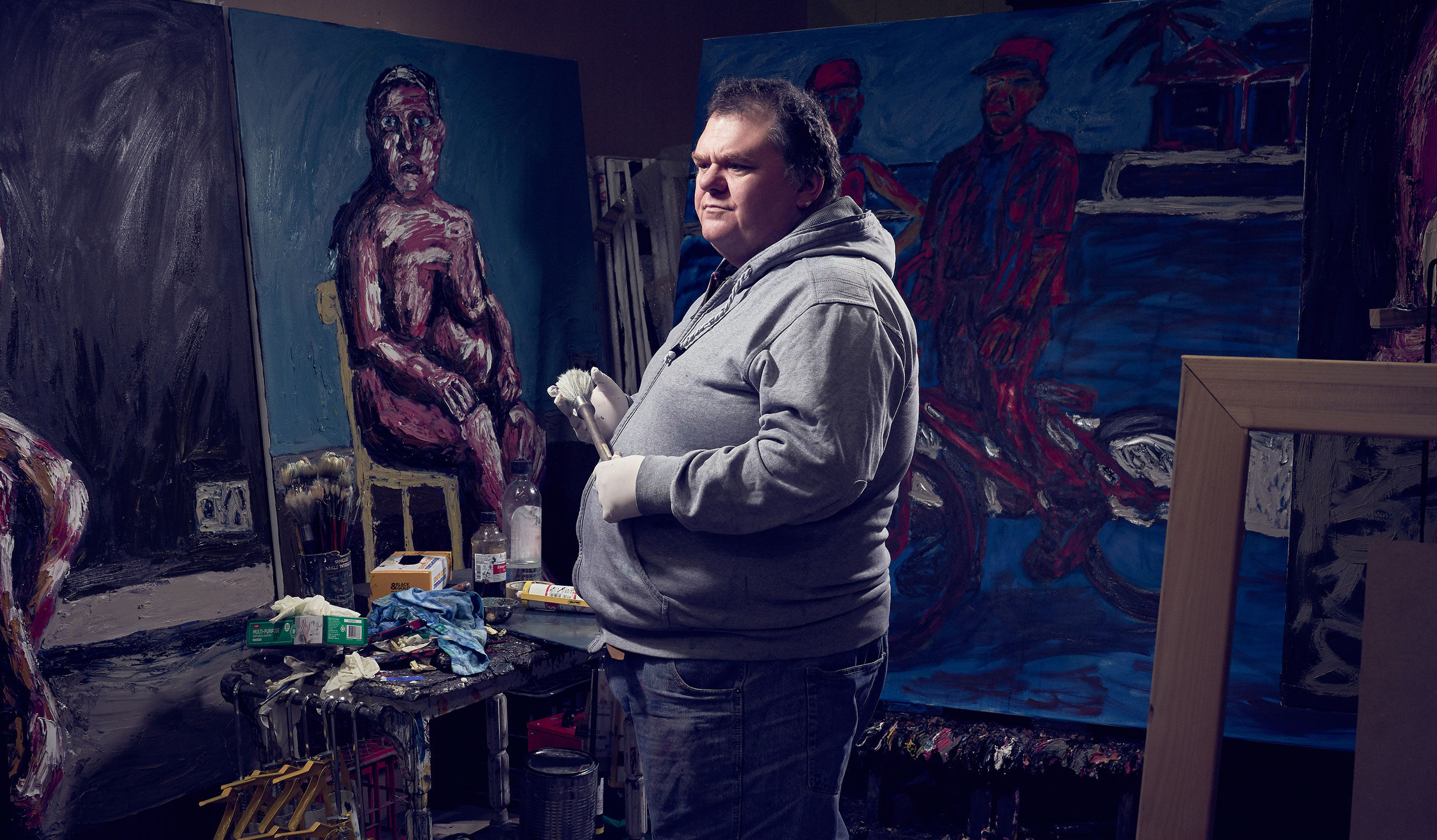
Other established artists associated with praxis through its exhibition program include Margaret Ambridge, now attracting national critical attention, Sasha Grbich, Lee Salamone, Sera Waters, Trena Everuss, Mel Brown and Joe Felber. Felber’s most recent exhibition traced a 45-year studio journey across a diversity of media including photography, painting, drawing, video sound and performance. Complementing this regular showcasing of extended studio journeys are one-person and small group exhibitions often introducing recently graduated or less well-known artists to a wider audience. Within this group are many who are establishing themselves on the national scene including Edwina Cooper, Jasmine Crisp, Tony Kearney, Dan Withey, Pierre Mukeba and Tom Phillips.
Subscribe for updates
The idea of starting up a gallery came from changing circumstance – a career shift from medical practice, growing family commitments, and study at Adelaide Central School of Art. Chehade remembers lecturer Chris Orchard advising that if you want to progress in art studies you need to understand its visual language. Another lecturer, Maureen Gordon inspired a curiosity about art history and European history in general. Yet another lecturer Rod Taylor weighed in with the advice that you shouldn’t be in it for the money, but you must make work that relates to what’s inside – the inner truth.
“That’s what I wanted,” Chehade explains. “To offer other artists the opportunity to experiment, explore and present work in a professional space without having to consider the commercial outcome.”
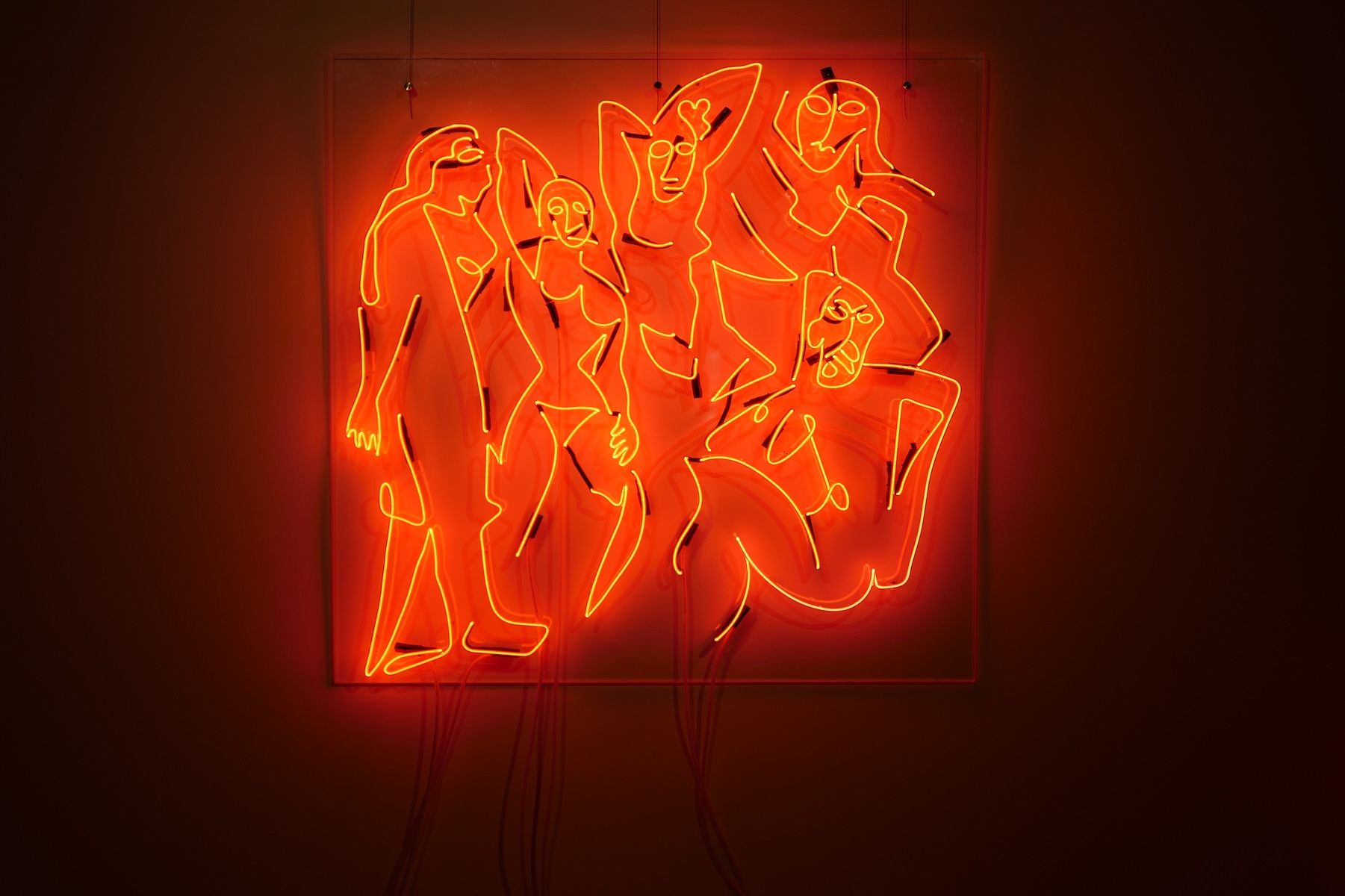
Her initial thoughts were to set up an artist collective space. But an opportunity to purchase the current site with options for artist studios (currently eight) presented itself and praxis in its current form was born. The site was formerly a brothel, complete with red light. During its conversion to an art space, police occasionally called in to check it out. What they might have made of an explanation for James Brown’s I Jus Wan A Picazo, included in praxis’ final exhibition for 2025, is anyone’s guess. This sassy piece consists of a neon-pulsing riff on Picasso’s iconic Les Demoiselles d’Avignon, called by the artist “mon bordel” (my brothel). The universe does move in mysterious ways.
Looking at praxis’ ten-year journey, it is evident that it is aspiring to do far more than be an art space in the conventional mould of ten shows a year featuring in the main pictorial works around the walls and sculpture/objects scattered across the floor. The word ‘space’ is deliberate in intent. Chehade is intent on creating stage-like experiences and situations that blur distinctions between artist and audience. Occasionally this has involved live music and sound events. A successful strategy has been the presentation of thematic or collaborative projects such as 2024’s Heavy//light, with conversations between rigid and heavy materiality and light as embodied in light materials and illumination.
Other examples are 2020’s Life Forms exploring minor phenomena experience but largely unnoticed in daily life, and Material Girls, a collaborative exhibition, Kate Bohunnis, Sam Gold, and Anna Gore – the culmination of an eight-month, Adelaide Fringe-funded collaborative project involving each artist responding to other’s practice, and 2019’s Good News from Outer Space, a collaborative exhibition by Nicholas Hanisch and Cassie Thring which borrowed from early science fiction to teleport the audience into otherworldly spaces.
"The gallery has never been easy. But it has always been meaningful."
And the name? praxis has a classical connection, from the Greek prattein, meaning “to do,” a combination of theory and action, or practical thought and reflection toward an action. For Chehade it is a banner to march behind: thoughtful action. From her experience the compass coordinates are on course. Many emerging artists who have participated in the space’s programmes are being recognised by collectors, inclusion in significant curated exhibitions and art awards.
Going forward, she intends to engender more curated projects which interrogate or initiate conversations between artists, works and viewers. The final group show of 2025, Space Between Scenes, is curated by Lili Harrison of the Hindley Street pop-up gallery Household, and at the exhibition’s opening Chehade revealed Harrison and Household would play a key role in praxis’ programming into the future.
It’s an ambitious agenda, but the Adelaide art scene is more complex and interesting for it. On the road ahead Chehade reflects, “The gallery has never been easy. But it has always been meaningful. And I think that’s the take home. And that’s why I want to keep it going.”
Space Between Scenes, presented by praxis ARTSPACE x Household Presents runs from December 5 – 19
Want to see more stories from InDaily SA in your Google search results?
- Click here to set InDaily SA as a preferred source.
- Tick the box next to "InDaily SA". That's it.
Free to share
This article may be shared online or in print under a Creative Commons licence