FUSE Glass celebrates the power of simplicity
Between the exhibited finalists of its biennial FUSE Glass Prize, and the fruits of FUSE residency recipient Nadège Desgenétez’s time in the workshop, JamFactory continues to support ambitious and expressive new work in the medium.
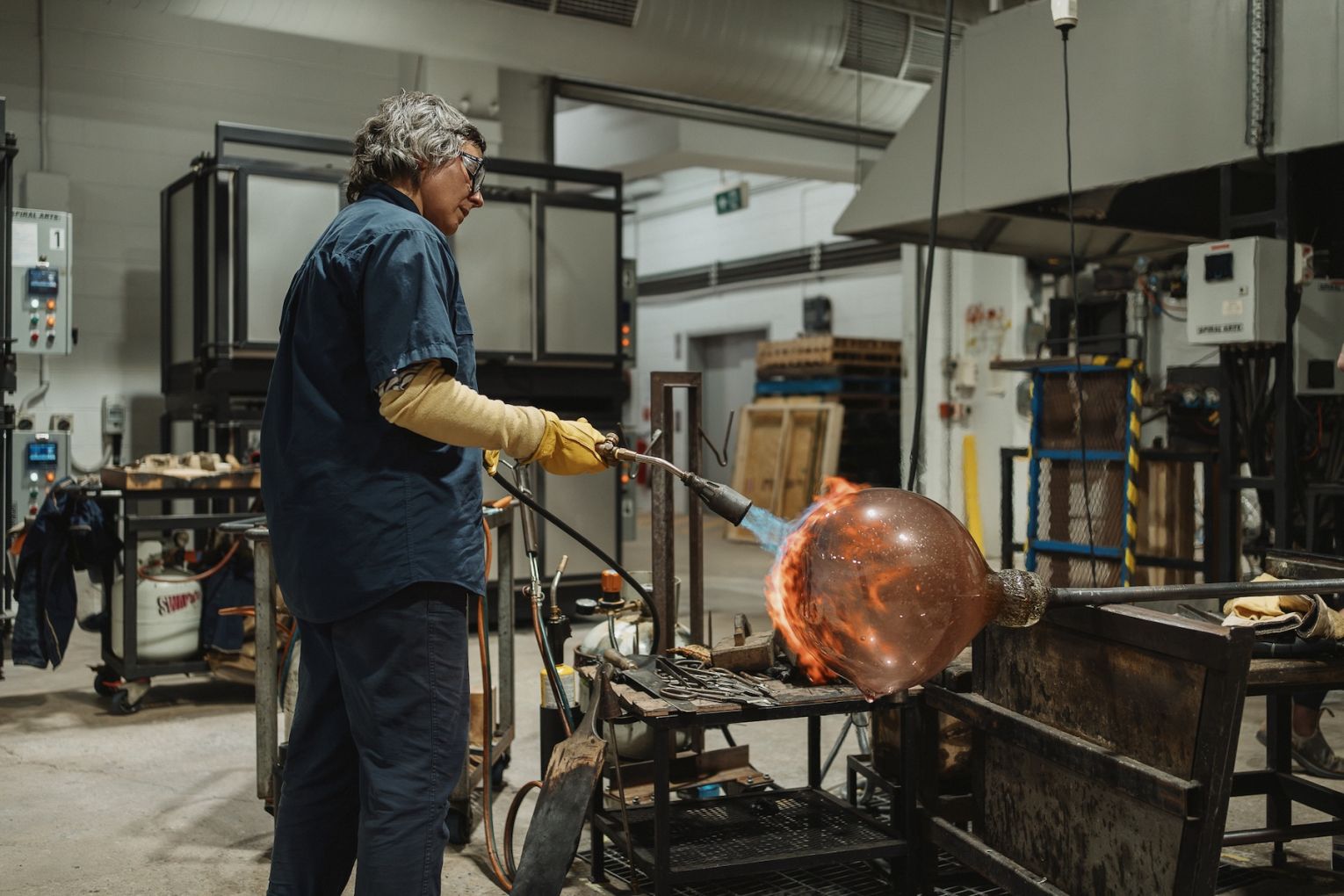
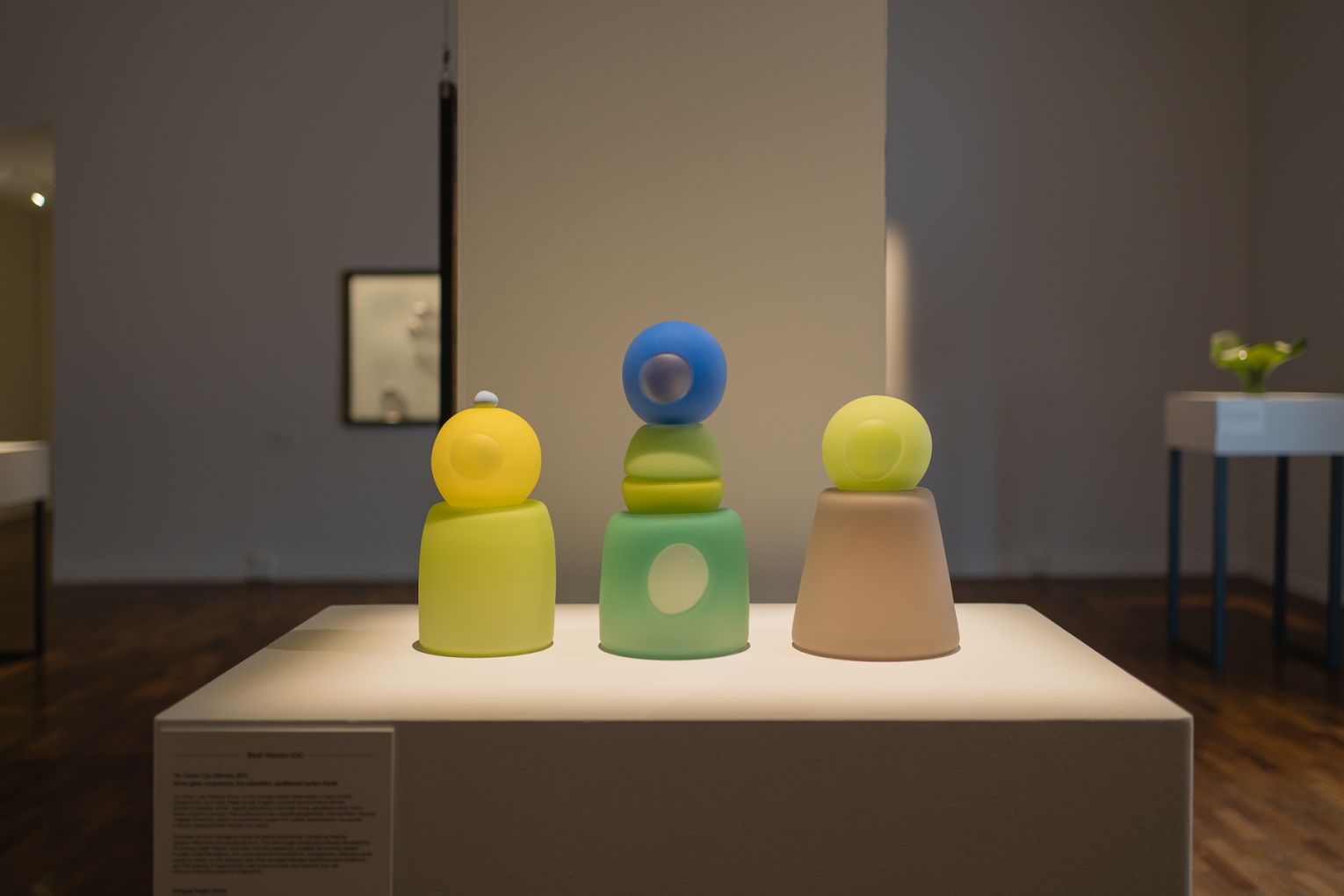
The FUSE Glass Program, developed by the JamFactory, aims to recognise and celebrate artists in Australia and New Zealand working in glass. It includes the biennial FUSE Glass prize, which was established in 2016 and is Australasia’s richest glass prize, along with a residency awarded in the alternate year. The residency provides studio time at the JamFactory and culminates in an exhibition at Carrick Hill, held concurrently with the FUSE Prize.
Being selected as one of the 18 finalists in the 2026 FUSE Glass Prize is a significant achievement.
“It’s not just a greatest hits prize,” says Curatorial Director and judge Lee-Anne Hall. “We’re looking at a range of things, including technical mastery, ambition, and the development of the form itself.”
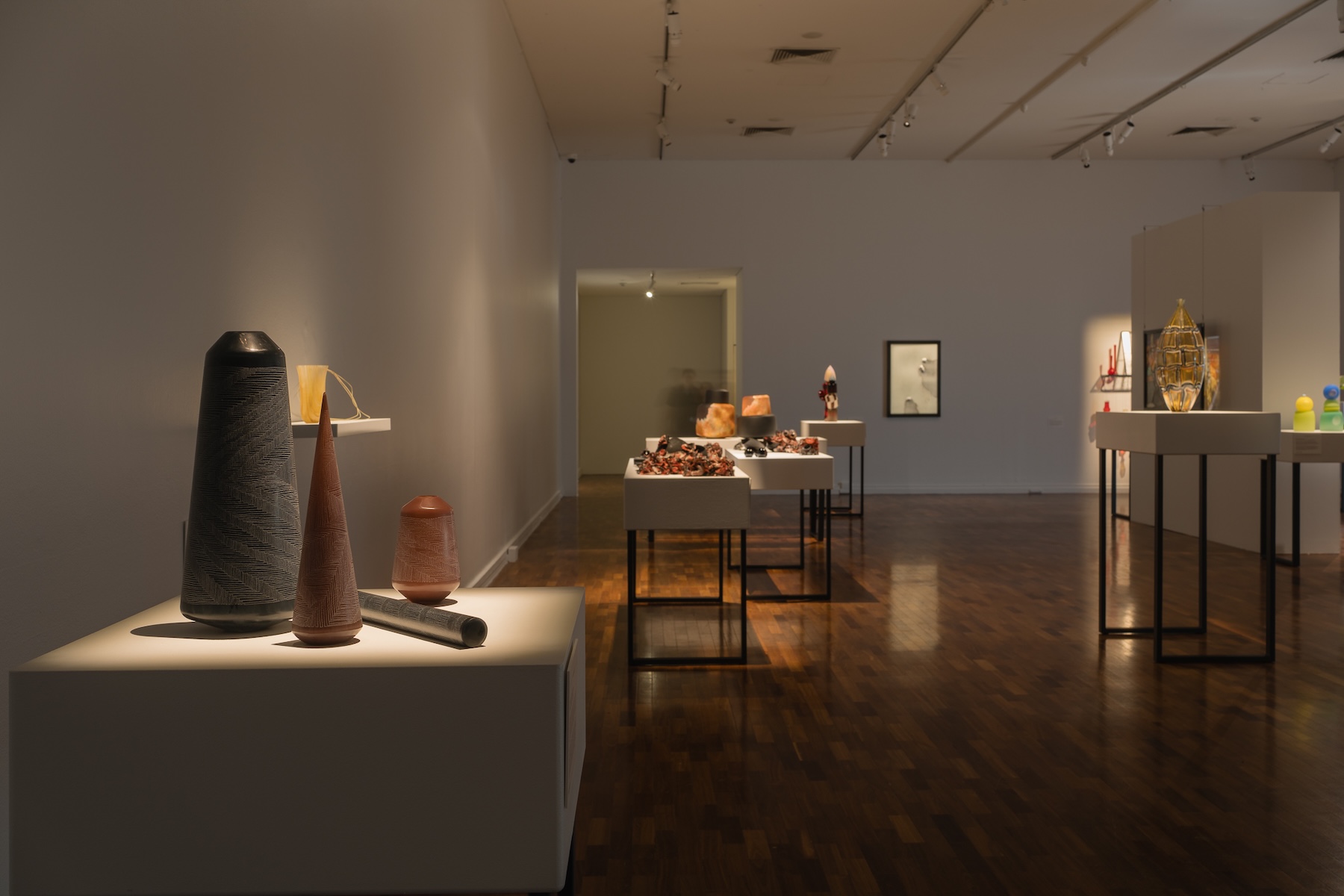
The judges have selected six emerging artists and twelve established artists, resulting in an engaging and thoughtfully curated exhibition. It offers audiences an opportunity to engage with glass art and explore the latest developments in the medium. The exhibition also demonstrates how artists approach their practice and work across different media.
You might like
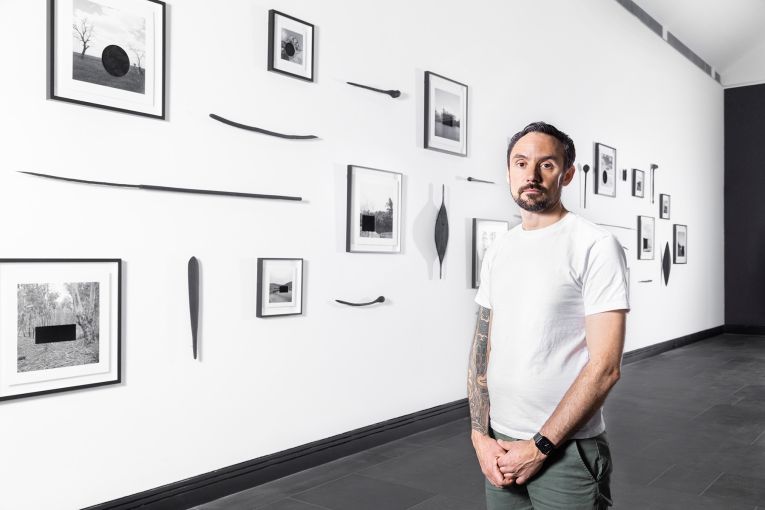
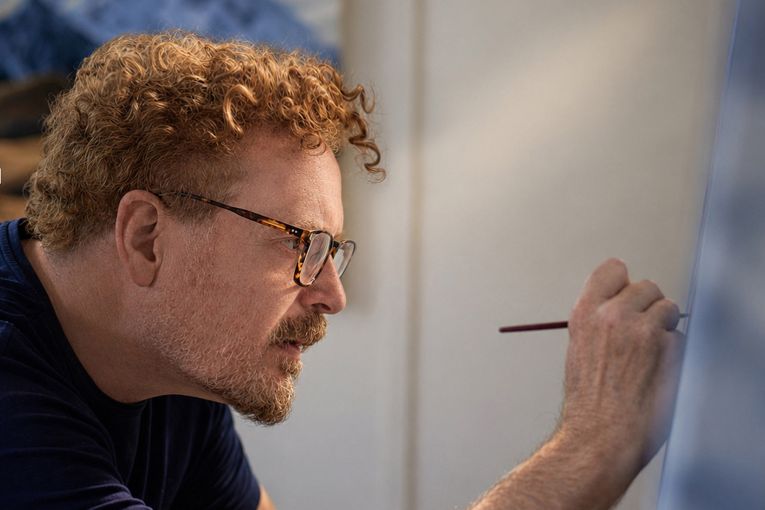
For instance, South Australian artist Nicholas Folland is primarily known as an installation artist who works with found objects rather than as a traditional glass artist. His striking piece, Red Wednesday, has been made from found glassware and leadlight, making it a surprising and ambitious inclusion.
Holly Grace’s multi-disciplinary work, Clearing, is immediately captivating and thought-provoking. The artist often focuses on our interaction with nature and combines traditional hand-blown glass techniques with digital technology. This particular work features a two-person cross-cut saw made from blown glass with a video work projected over it. As the saw slices through the projection, it spoils the idyllic image, referencing the fragility of glass and our environment.
Hall suggests that many of the established artists “are deeply engaged with ideas, but in a very reductive form. The simplicity is the power of a work.” This is evident in Jessica Loughlin’s work, Bird in Space, inspired by Romanian artist Constantin Brâncuși’s famous sculptures of the same name. This subtle work explores how light interacts with and reflects through glass. Similarly, Mel Douglas’s Penumbra is exquisite and possesses a beautiful simplicity.
Emerging First Nations artist Bradley East’s work is also interesting and unexpected. Field Notes From A Wandering Line is a series of engraved glass vessels that at first glance look like ceramic or wood, blurring the boundaries between mediums and challenging our expectations of glass. This plays perfectly into his practice which is about the complexity of the surface and its many possibilities.
Subscribe for updates
After viewing the talent on display at the Jam Factory, visitors should head to Carrick Hill to see Nadège Desgenétez’s exhibition, This Body Echoes. The exhibition, which forms part of her residency at the JamFactory, focuses on our relationship to place from the perspective of a migrant in Australia. She is particularly interested in the idea that your body is your orientation in the world.
The residency has been an important experience for Desgenétez, allowing her to connect with other creatives and encourage new work. She explains: “One thing that I was not expecting to be able to do, but I’m very thankful I have, is work across studios, have conversations, working with and discussing things with people in ceramic, in paper, in metal, as well as in glass.”
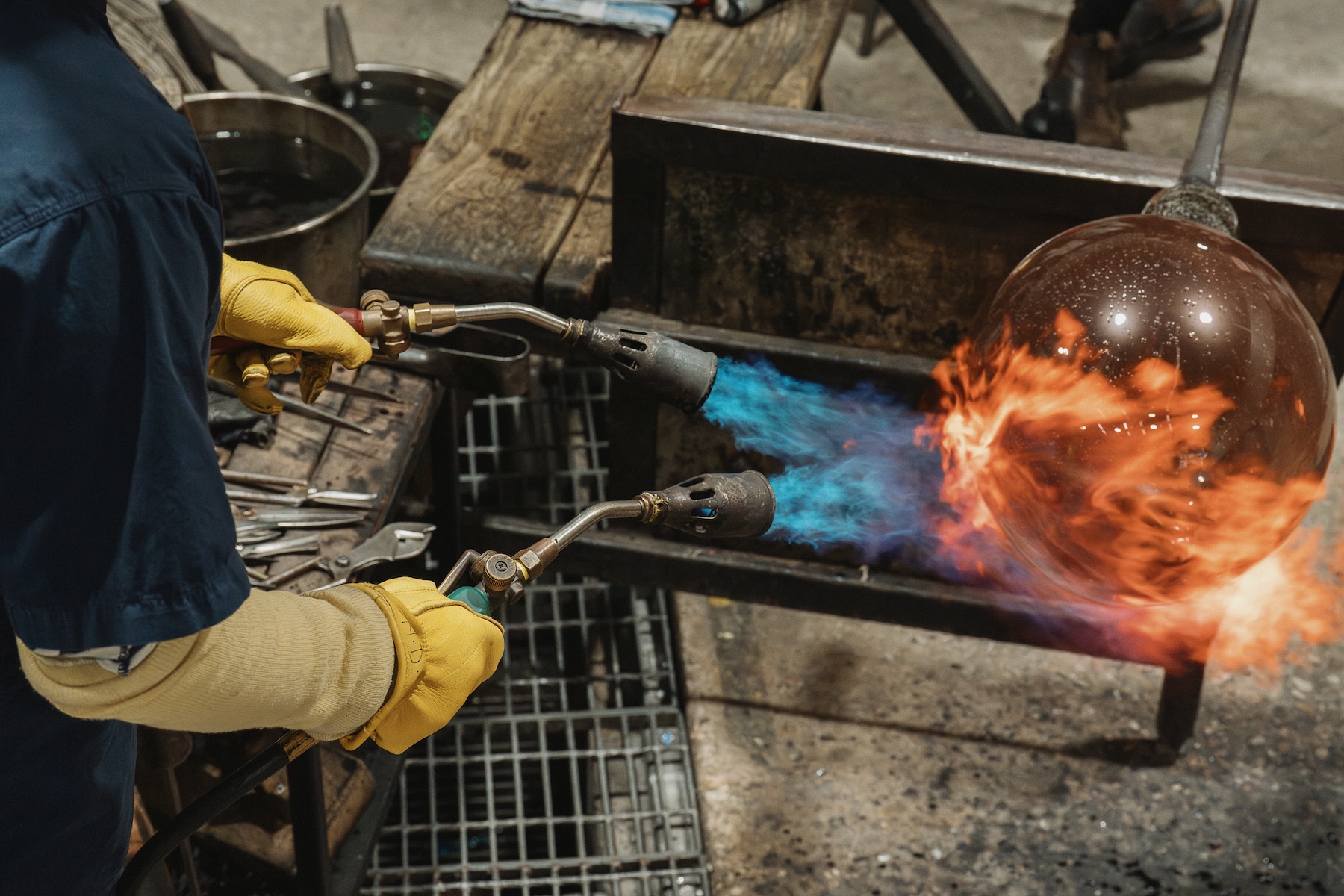
By combining new works with older pieces, Desgenétez has been able to reflect and examine the connections between them and the conversations and questions they raise. She adds, “The works are about interrelations in the natural world and how that can be conveyed. It’s also about how both making and being in the world inform each other.”
Desgenétez’s beautiful glass forms resemble parts of the body and are both familiar and ambiguous. She engages the viewer by reflecting them in the artwork and creates a tension between observing the work and then being in it. The process of making glass informs Desgenétez work as she searches for a connection to place and a sense of belonging.
The FUSE Prize and Desgenétez’s exhibition, This Body Echoes, demonstrate the diversity and vibrancy of the glass scene in Australia and New Zealand. They give audiences a glimpse of the established artists at the top of their game but also the rising stars of the future.
The winners of the 2026 FUSE Glass Prize will be announced on June 25, 2026. It includes the established artist category, a $20,000 cash prize and the David Henshall Emerging Artist Prize, a $5,000 cash prize and a professional development opportunity at JamFactory valued at $5,000.
FUSE Glass Prize finalists can be viewed at JamFactory until July 5. Nadège Desgenétez: This Body Echoes is on display at Carrick Hill until June 28.
Want to see more stories from InDaily SA in your Google search results?
- Click here to set InDaily SA as a preferred source.
- Tick the box next to "InDaily SA". That's it.
Free to share
This article may be shared online or in print under a Creative Commons licence