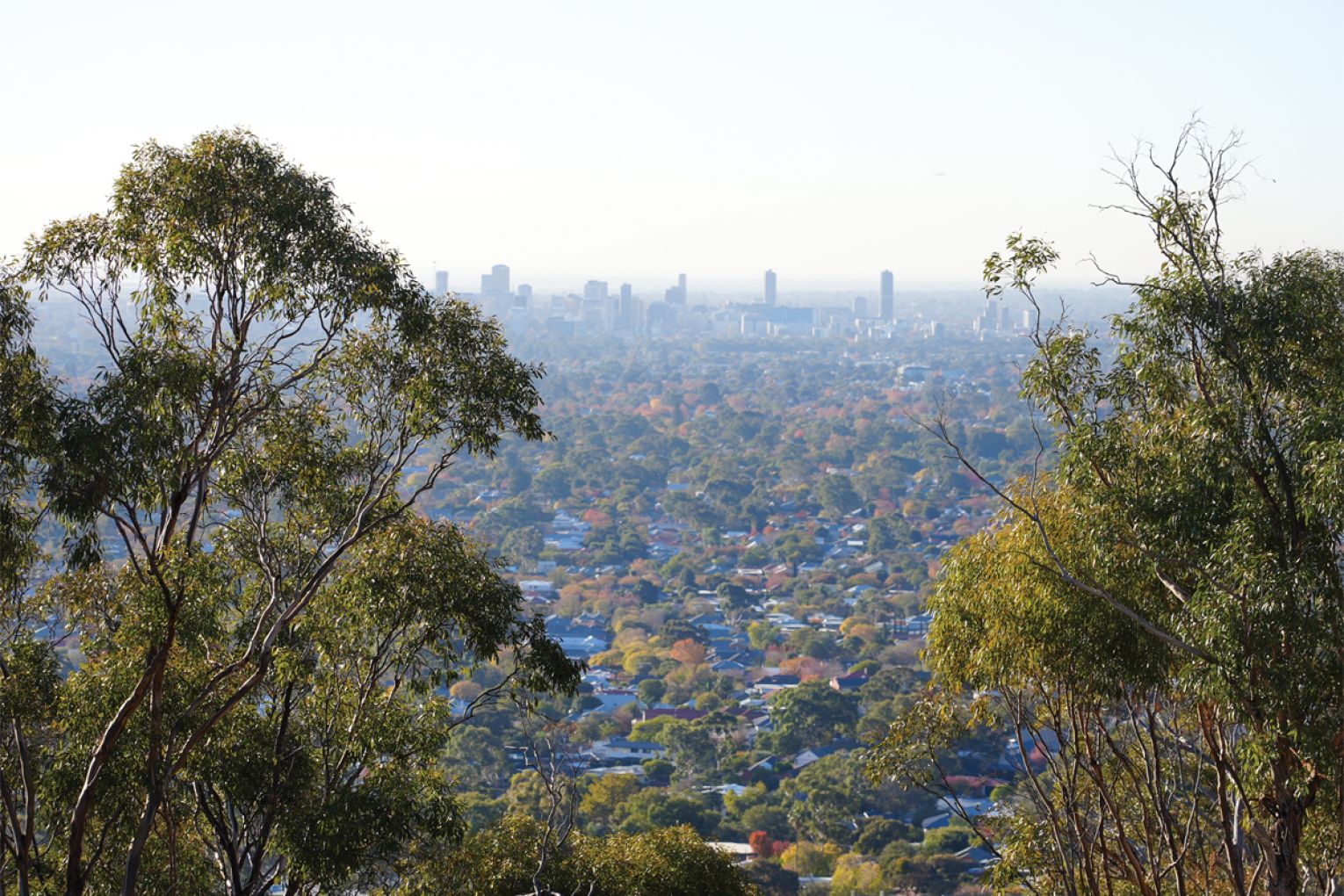
Adelaide’s skyline features a suburban vista dominated by trees. Among this arboreal splendour, there are many trees that boast cultural, historical and ecological significance that richly deserve to be acknowledged and celebrated.
Next time you look up toward the Adelaide sky, take a moment to consider the trees you might be seeing: there are some incredible specimens up there. Achieving “notable” tree status can take many paths. Heritage trees are often recognised for their connection to key events, figures, or historical moments. Significant trees may be chosen based on their exceptional age, size, or ecological role in supporting biodiversity. Trees that represent unique species or have aesthetic appeal in their urban or natural environment may also qualify.
While many trees are identified individually, in places such as an Avenues of Honour, which commemorate the lives and sacrifice of our fallen service men and women, trees can be collectively acclaimed.
Regulation status, meanwhile, is tied to legal frameworks associated with tree circumference and distance from dwellings ensuring the protection of trees that contribute to environmental sustainability or urban planning goals. Under current Planning SA guidelines, a “Regulated” tree is one with a circumference of one metre or more, measured at a height of one metre above natural ground level, while a “Significant” tree has a trunk circumference of two metres or more when measured at the same level.
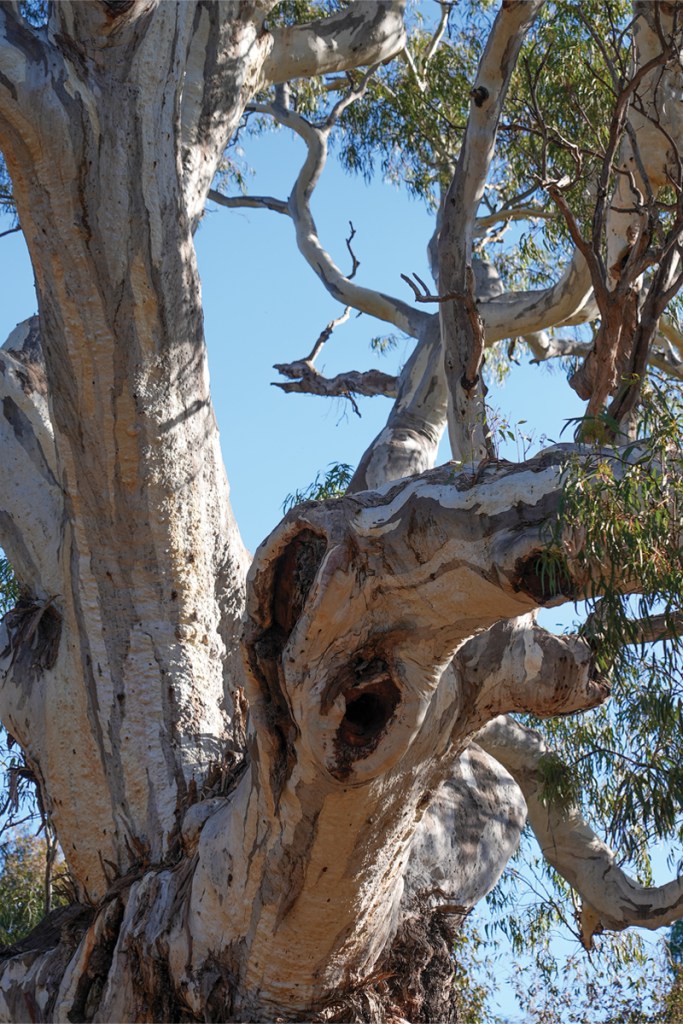
The National Trust of South Australia has been instrumental in coordinating the identification of thousands of notable trees through its Significant Tree Register.
Former chair of the Significant Tree Committee of the National Trust of South Australia, Michael Heath, says the Trust Trees website – trusttrees.org.au – is a wonderful tool for people to be able to research trees of significance across the state.
“The map shows where each tree is located, and by clicking on that tree’s icon, you are given information of its type, size and importance,” he explains. “Anyone can nominate a tree for the register. The online form through the Trust Trees website explains the various specifications a tree or group of trees requires to allow careful research and consideration. If approved, that tree or trees are added to the register.”
You might like
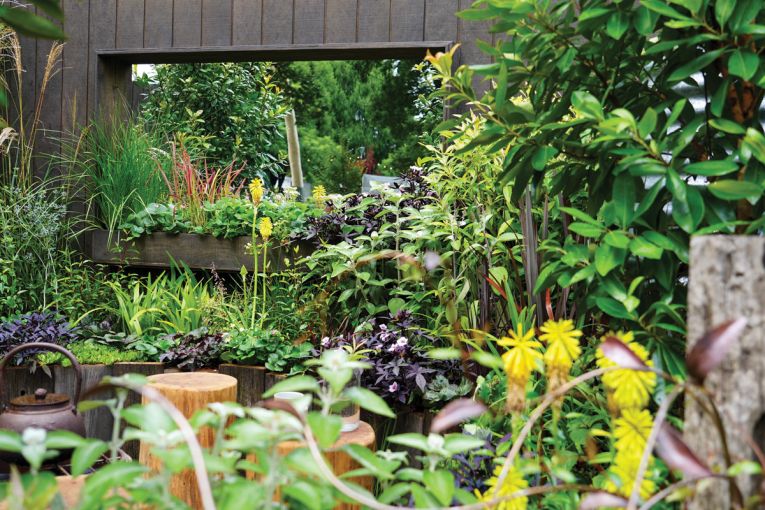
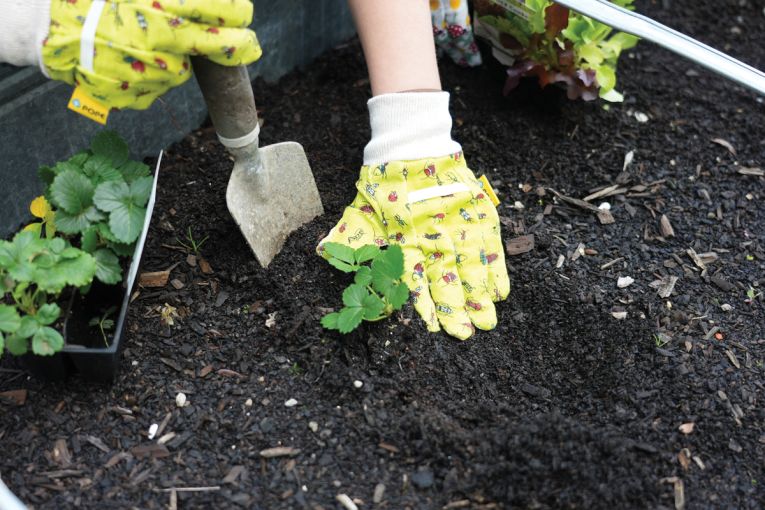
Encompassing a broad range of criteria, a tree can be nominated for the Significant Tree Register through a single or multiple set of measures across its scientific, social, historic and aesthetic value.
Scientific attributes cover size, horticultural or genetic value and rarity, while social attributes include a tree’s unique location, its spiritual and religious association, plus contribution to the landscape. Its historic attributes apply to a tree’s connection to important events, people, groups and places, while its aesthetic focuses on a specimen’s growth and physical features.
South Australia is today indebted to the individuals, groups and organisations who, over the decades, had the foresight to save grand old eucalypts, preserve remnant bush spaces and select and plant a diversity of tree species. From north to south, east to west, our city is blessed with thousands upon thousands of exceptional trees thanks to their efforts. These are just a tiny sample of some of those important specimens.
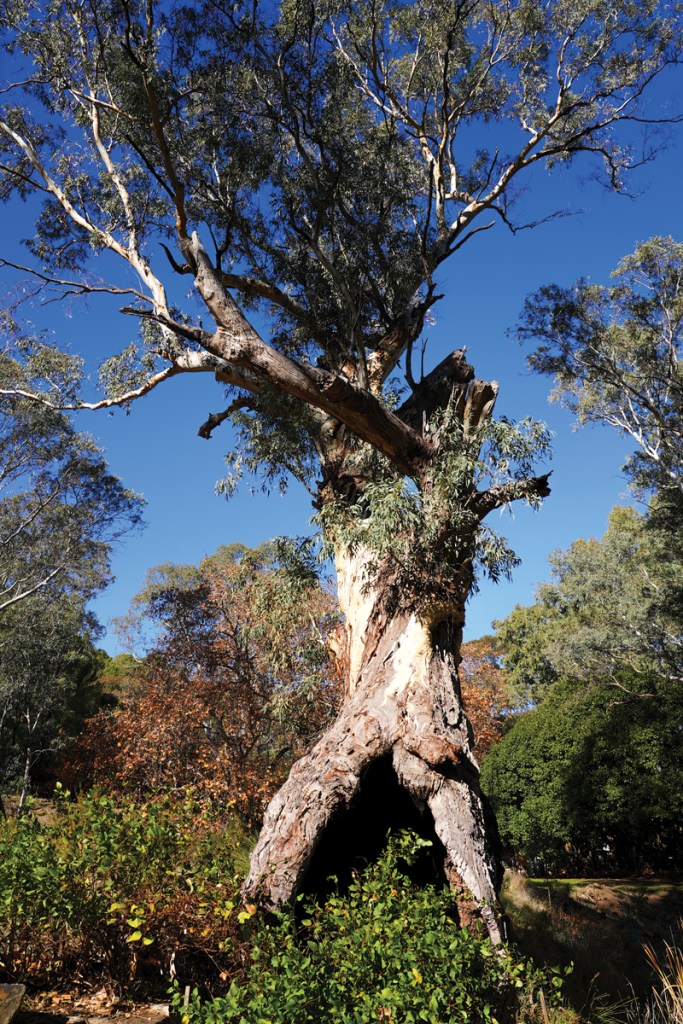
Pre-dating colonial settlement, and of cultural significance to the Kaurna people, the Willawilla Karra Kuu (Kaurna shelter tree) standing at the entrance to Brownhill Creek Recreation Park is a River Red Gum (Eucalyptus camaldulensis), estimated to be more than 450 years old. This historic, hollowed-out beauty had been in decline due to competing introduced weeds as well as mechanical trenching damage to its roots. Thankfully, this ancient sentinel has been revived thanks to a tree-saving initiative started by the Brownhill Creek Conservation Group in 2018, along with vital contributions from the Brownhill Creek Association, Kaurna elders, volunteer community groups, local schools, National Parks and Wildlife Service SA, Green Adelaide and all three levels of government.
Remnant vegetation is always important to preserve, hence the interest in two Mallee Box (Eucalyptus porosa) in the North Adelaide Parklands near Park Terrace. Prior to European settlement, Mallee Box was a dominant species amongst this area’s eucalypt woodlands.
Some trees celebrate key events, as do the smattering of Sugar Gum (Eucalyptus cladocalyx) in the Adelaide South Parklands, a reminder of the enthusiastic school children who participated in South Australia’s first Arbor Day on June 20, 1889. Of the 757 trees planted, these are all that remain.
Subscribe for updates
Moreton Bay Fig (Ficus macrophylla) is a pivotal part of this city’s landscape. Adelaide Oval’s figs, planted in the 1890s have grown to become an essential part of this iconic venue’s history and character. These trees have borne witness to many historic sporting moments, including Harold Larwood’s constant barrage of “Bodyline” deliveries in the third Ashes Test in 1933, Sir Don Bradman’s 299 runs against South Africa in 1932, and the record crowd of 62,543 to watch Port Adelaide and Sturt’s 1965 SANFL Grand Final.
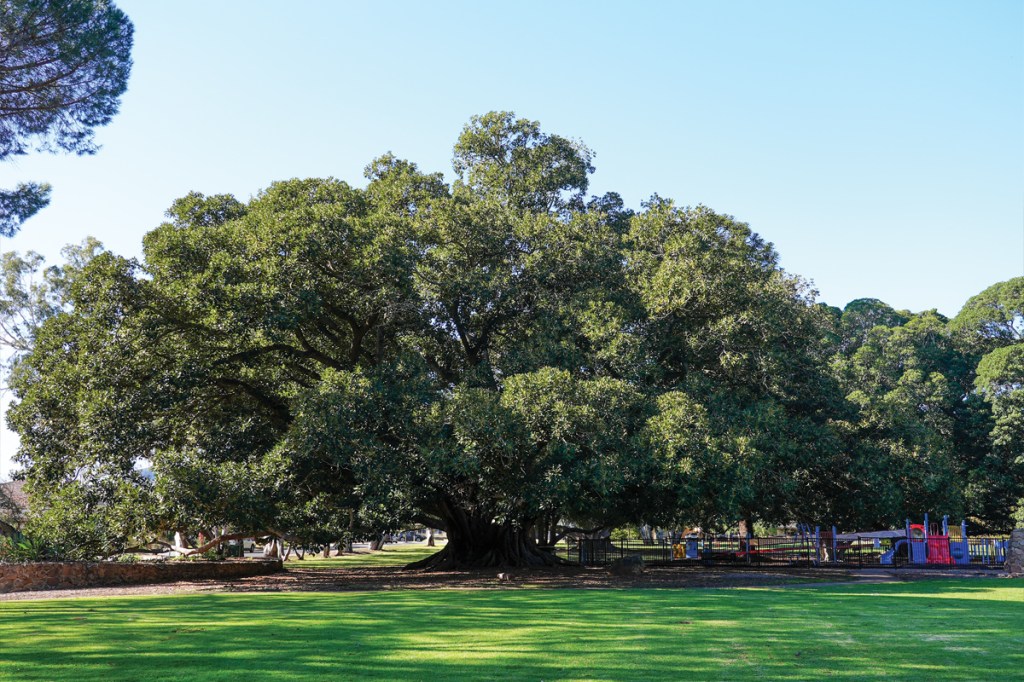
The City of Campbelltown also has many special Moreton Bay Figs. One will be found in Gurner’s Reserve in Rostrevor, a public park adjacent Fourth Creek, which was originally a larger parcel of land purchased in 1838 by Charles Sturt, who built a home and planted many trees, including, it is believed, this imposing specimen. Many generations of families have enjoyed its broad canopy and buttressed roots.
Few trees in South Australia are as celebrated as the Old Gum Tree at Glenelg. Located under a shelter in a park on MacFarlane Street in Glenelg North, this now concrete reinforced humble bent trunk, believed to be a red gum, retains its honour as an enduring symbol of South Australia’s Proclamation.
Historic River Red Gums in the City of Marion include one in Kenton Avenue Reserve in Marion, thought to be around 500 years old, and another in Warriparinga Wetlands on the corner of Sturt and Marion Roads, Bedford Park (commonly known as Laffer’s Triangle), estimated to be 300 years old.
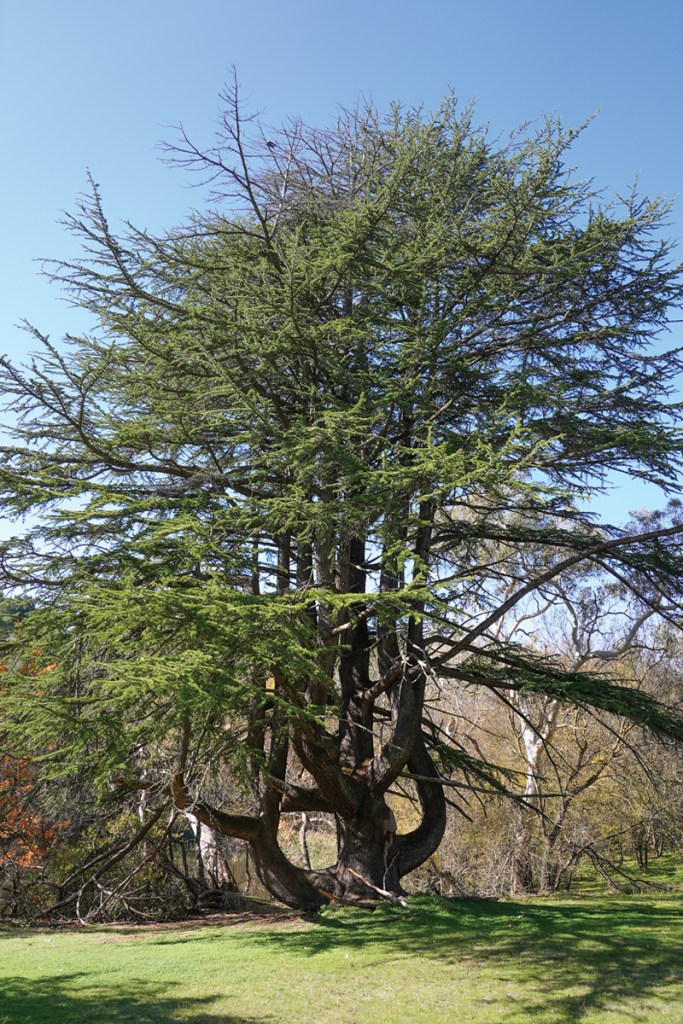
Today, the Highercombe Golf Club is located on what was once the Highercombe Estate at Paracombe, owned and developed by George Alexander Anstey. His legacy lives on there in the form of an exceptional Mount Atlas Cedar (Cedrus atlantica) planted by George in 1842, taking pride of place by one of the course’s ornamental lakes. Reaching 32 metres tall and almost the same in canopy, somewhere under its thick bark is the initial “A”, carved by Prince Alfred, second son of Queen Victoria, to mark the occasion of the first member of the royal family to visit South Australia.
Oak trees, planted by early settlers, are common historical trees because they are so long-lived. Stangate House in Aldgate is a magnificent woodland-style garden filled with terraced lawns and an extensive camellia collection. It is also home to Australia’s second-largest English oak (Quercus robur), one that has grown and spread into a commanding sentinel over its 170-odd years, rewarding visitors with welcome shade over its many summers.
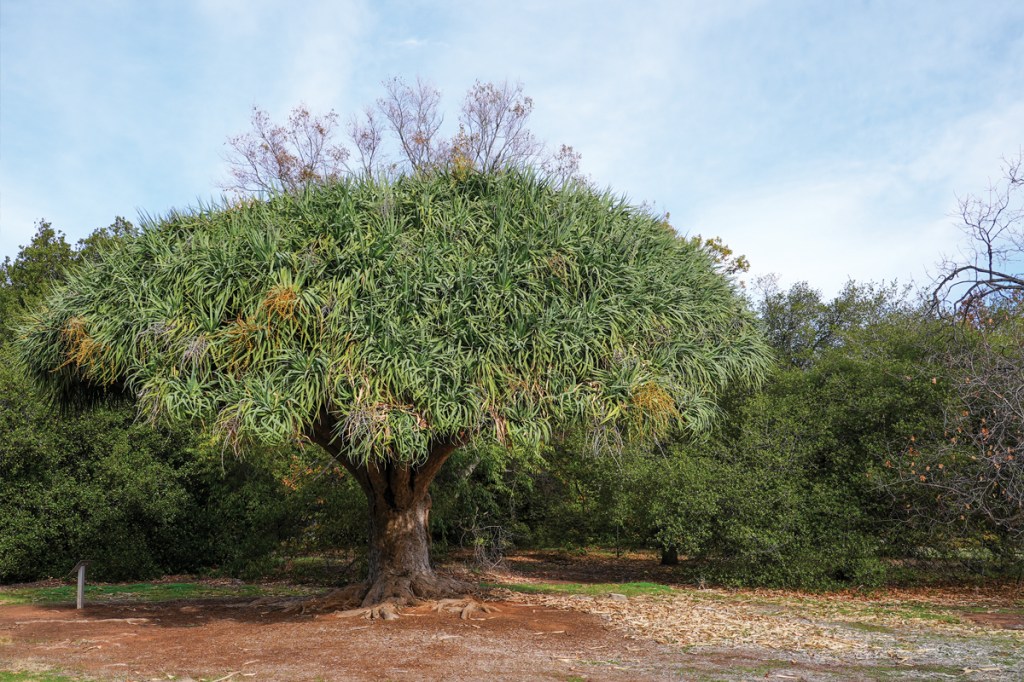
The Waite Arboretum in Urrbrae, established in 1928 has planted across its 30 hectares more than 2200 labelled, documented and mapped trees from around the world. While visitors to this fascinating green space are encouraged to enjoy all trees, there is one you must seek out. Elevated to inclusion as the Waite Arboretum’s logo, the mature Dragon Tree or Dragon’s Blood Tree (Dracaena draco), cuts a striking shape with its broad flat top and regularly arranged, swollen branches.
Across Adelaide and South Australia there are so many significant trees on public and private land, all equally regarded for the numerous contributions they provide.
Community advocacy, expert recommendations and organisations such as the National Trust of South Australia have played a vital role in recognising and continuing to safeguard these living monuments.
This article first appeared in the July 2025 issue of SALIFE magazine.
Want to see more stories from InDaily SA in your Google search results?
- Click here to set InDaily SA as a preferred source.
- Tick the box next to "InDaily SA". That's it.