How do you make the most of rainy days?
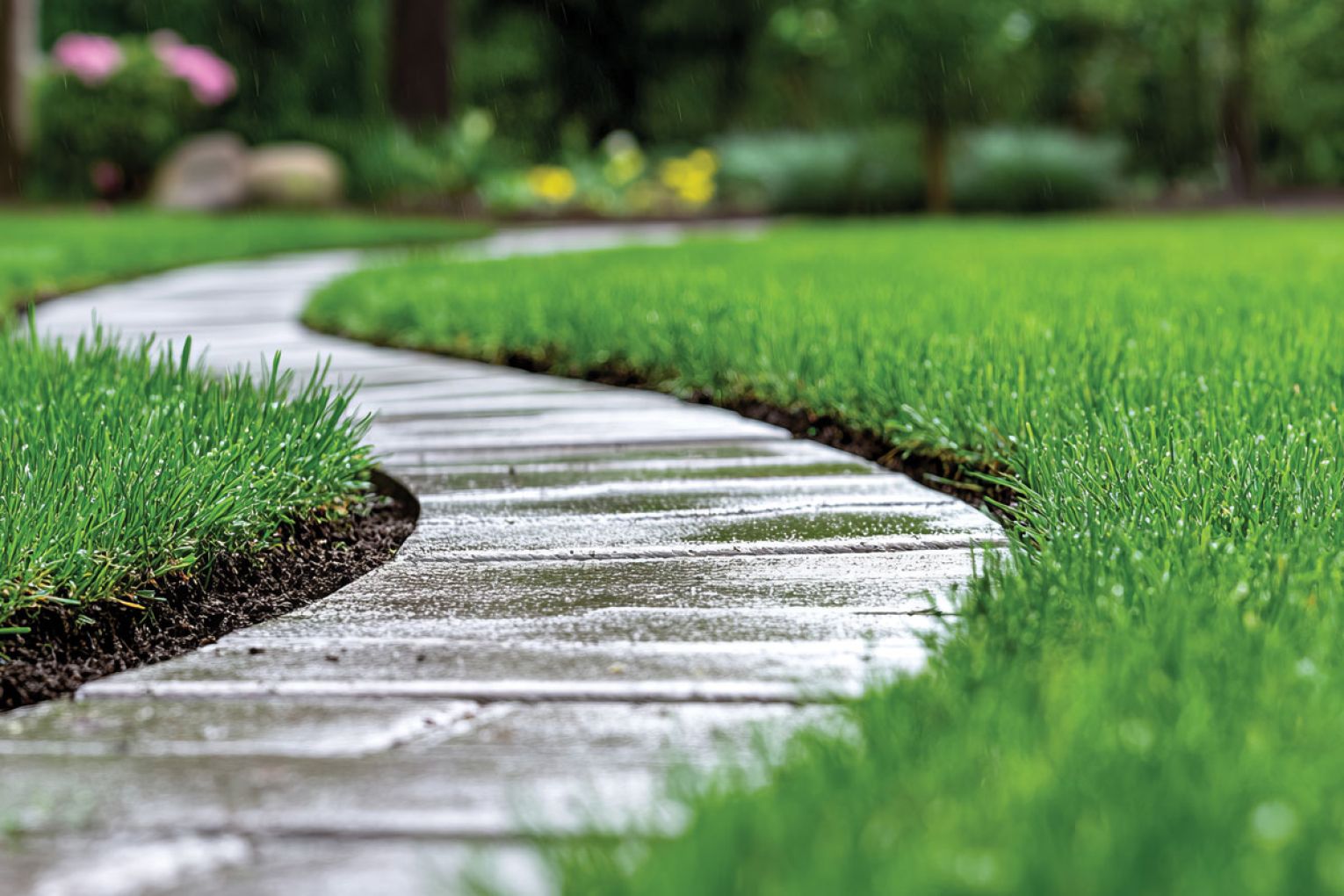
Kim Syrus has advice for gardeners about making the most of the autumn months – and hopefully its accompanying rain – to create a resilient garden.
Our state has endured a long, hot summer and evidence of that is everywhere, and often no more so than in our own backyards. From burnt leaves to patchy grass, it’s been a tough time dealing with the long stretches of rainless days. But hopefully South Australia will rejoice in the pitter patter of welcome autumn rain.
While our suffering gardens may seem a natural part of us living in a changing climate in the driest state in the driest inhabited continent, there is much we can do to better prepare.
Firstly, soil plays a major drought-proofing role. The more water your ground retains, the more moisture that plant roots can access. South Australia’s ancient topography has been shaped by retreating inland seas, constant erosion and an increasingly drying climate over the millennia, which has given rise to a diverse range of soil landscapes. While some soil types make growing plants a breeze, others can create a major challenge for their region’s home gardener.
At one end of the soil spectrum is clay; at the other sand, and each has its own positives and negatives. Clay holds water, sometimes a little too much, causing it to become sticky. Clay particles are small and smooth, binding tightly together when wet then becoming hard and compacted as it dries resulting in problems for expanding plant roots. Sand, on the other hand, drains well, is easy to work, but retains little to no moisture.
The key to opening up clay soil and helping sand retain water, is to add well-aged organic matter. Dug into the ground, compost and manure act like sponges, holding up to 10 times their weight in water. This extra moisture around the rootzone improves access to nutrients and reduces plant stress, as well as encouraging beneficial microorganisms and earthworm populations. So, start digging in organic matter now to help the soil make the most of any rain that falls.
If you notice water beading and running off your soil, it is a sure sign your ground has dried and become hydrophobic. Even though you are applying water, it is not being absorbed. This is a common post-summer problem that can easily be fixed by using a soil wetting agent. Available in concentrate or click on, a wetting agent helps break down the waxy coating that has built up on grains of soil. It will improve adhesion and retention of water; it’s amazing how much better your plants perform when the water you apply stays in the soil. And when that autumnal rain arrives, you want your soil ready to receive it.
You might like
Your pots also need some autumn attention. Potting mix that has dried over summer can be notoriously hard to rewet. Water, when applied, tends to track through the mix without any absorption leading to wilting and poorly performing plants. Ants, running up and down those plants is another sign that there are colonised dry spots in the pot. A wetting agent helps greatly in retaining water in the potting mix, pepping up sad plants and discouraging ants.
Even if it’s raining, many pots can miss out on that valuable water. Move any pots that are kept under verandahs, pergolas, eaves or other sheltered spots into places where they can receive the benefit of replenishing autumn rain.
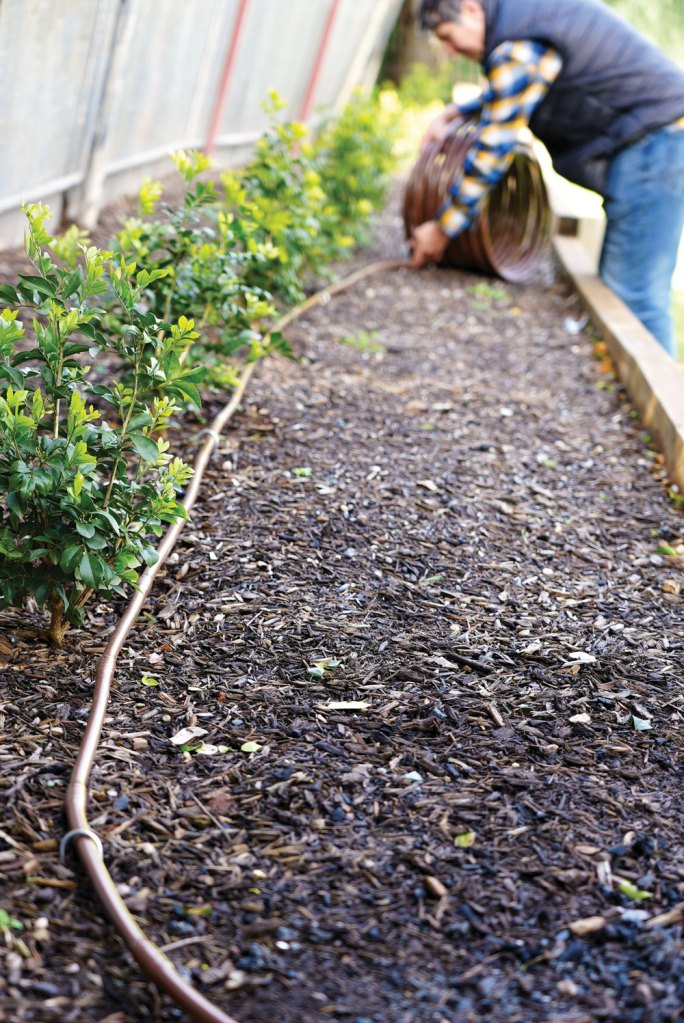
Mulch is a must. Acting as a blanket, mulch prevents harsh sunrays from heating the ground, which then assists the soil in retaining moisture that would otherwise evaporate away. Because Adelaide’s evaporation rate far exceeds its average rainfall, spreading at least five centimetres of mulch over your garden beds and even in pots, makes a huge difference to plant performance.
Shade also helps to reduce soil temperature. While some plants, such as clivia, are naturally shade tolerant, even full-sun-lovers, such as lavender, benefit from late afternoon protection. Consider this when planting; if you can cut any potential leaf burn in summer, it will mean, in turn, that the plant will head into the autumnal months in better shape.
Before lopping off large branches or removing trees and shrubs as part of your autumn job list, consider the beneficial shade these provide. Taking away foliage cover may expose a range of shade-loving plants to full sun, and while they may tolerate the extra light hours over winter and early spring, come summer, those plants may be badly affected. Where a limb needs to be removed and plants exposed, lift and replant those plants in a more suitable spot.
Subscribe for updates
Autumn is a top time to be in the garden. It is far more comfortable working in the yard on a 20C day than a scorcher, and as you can spend so many more hours digging, planting and mulching, you get so much more done. Even though it is considerably cooler, it is still advisable to wear a hat, keep hydrated, and when the UV radiation level is three and above, slap on some sunscreen.
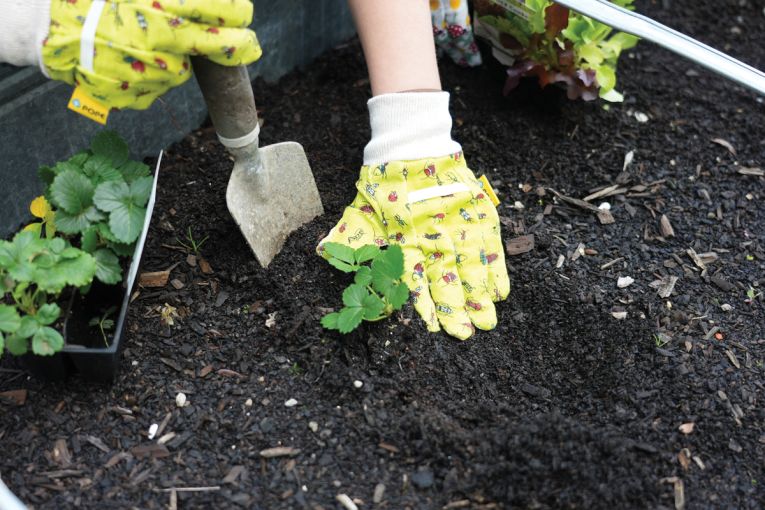
Our traditional spring planting season is having a rethink in favour of a better suited autumn window for South Australian gardens. The promise of consistent rain and wet soil ensures new plants are well bedded and kept moist. Soil temperatures, though dropping, are still warm enough to encourage root growth before the winter chill sets in. Establishing plants in autumn helps them take full advantage of a spring flush and become more summer resilient.
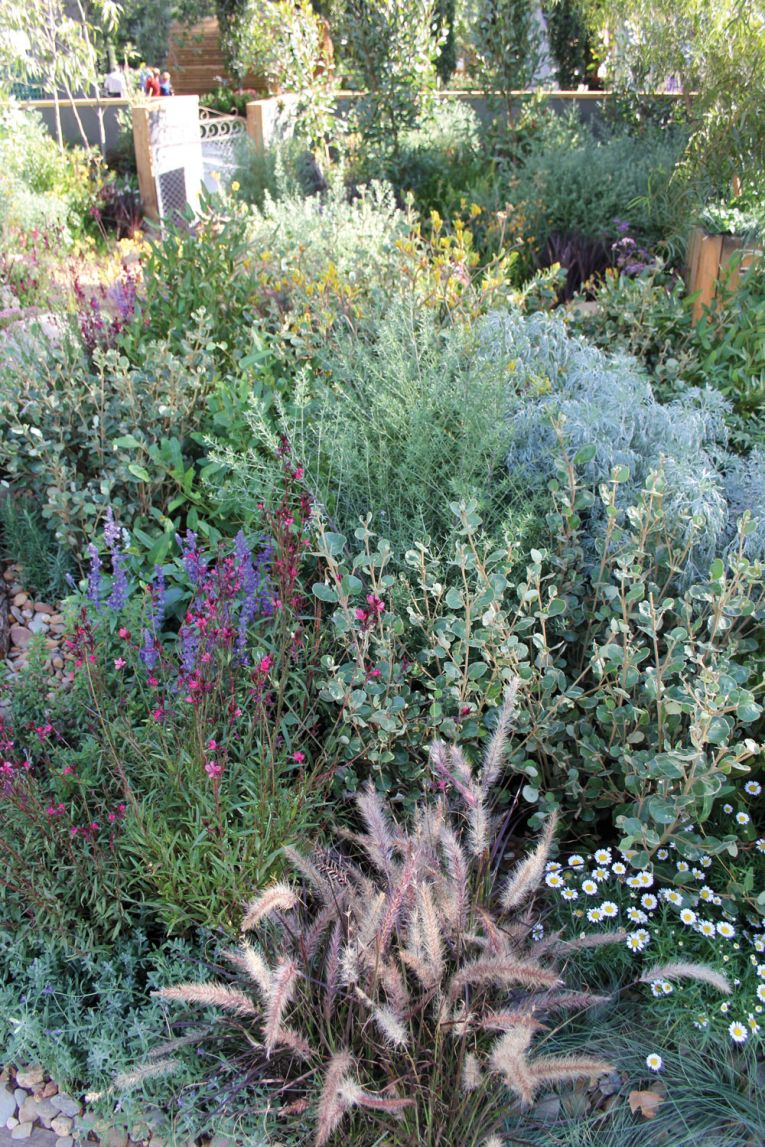
Your plant choice has a big influence in the creation of an attractive and climate-resilient garden, and it’s not all about succulents and cacti, there are plenty of other aesthetically pleasing water-smart plants that tick the boxes.
Many Australian native plants have evolved to survive harsh, low rainfall conditions. Acacias, available in a range of sizes from large screening to low groundcover, add a splash of late winter to spring colour. Eremophila shrubs are exceptionally hardy with attractive blooms of many hues that flower for months. Eremophila nivea’s silver foliage and purple tubular blooms are a standout. Correas, too, are well-suited to an Adelaide garden. And make sure you trim back your Australian native plants after their main flower flush, which keeps them well-shaped, encourages new growth and adds years to their productive life.
Beyond the Australian plant palette, there is an array of hardy, equally attractive and often surprising plants that deserve a place in a waterwise garden. Roses are incredibly tough and one of the longest-flowering plants in any yard. Given Adelaide’s mantle as Australia’s “Rose Capital”, there’s always room for more. Salvias are blooming survivors in a hot and dry yard. Coming in a range of colours, their flower spikes are a welcome sight. Harking from the Mediterranean, lavender is a fragrant classic that has enjoyed space in home gardens for eons, and has come back in vogue.
Succulents and cacti, borne from hot and dry climates, continue to find willing homes in Adelaide gardens. Aeonium, Crassula, Echevaria and others perform exceptionally well and look impressive when mass planted, even in autumn.
This article first appeared in the May 2025 issue of SALIFE magazine.
Want to see more stories from InDaily SA in your Google search results?
- Click here to set InDaily SA as a preferred source.
- Tick the box next to "InDaily SA". That's it.