There’s something about sitting with a warm, steaming cup that feels restorative – why not take it up a notch and grow your own infusions? Kim Syrus shares his top tips.
For many of us whose days are punctuated with balancing busy work schedules and home lives, the thought of grabbing a simple cuppa and taking some time out is always a welcome one.
A few moments sipping can lower cortisol levels and provide a moment of mindfulness. This reset helps improve concentration and lifts your spirits.
Whether your garden is sprawling or modest, or you’re an experienced horticulturist or a curious beginner, there’s something deeply rewarding about crafting your own infusions.
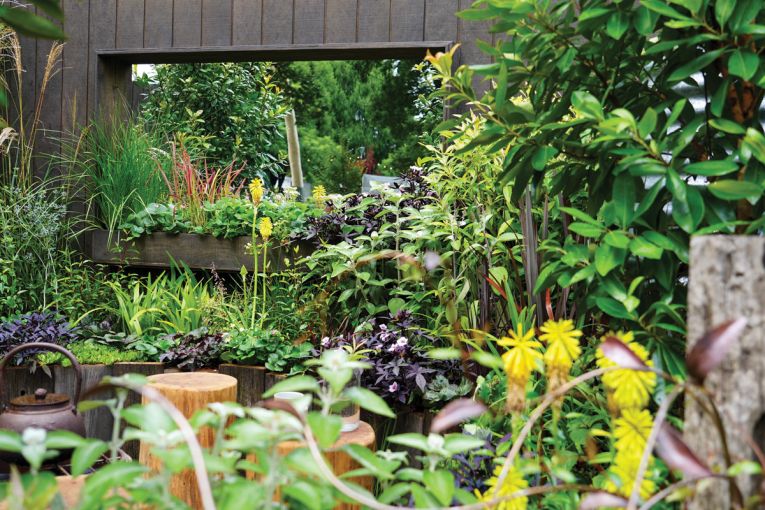
As Adelaide gardeners, we’re blessed with a climate that welcomes an incredible array of aromatic plants. With a little knowledge and a lot of pleasure, you can turn those humble garden herbs into blends that soothe, energise, heal, and delight.
There is a difference between the term ‘tea’ and ‘herbal tea’. A beverage made from camellia sinensis leaves is generally called a tea, whereas an herbal tea, also known as a tisane, is an infusion, generally non-caffeinated, that uses any other plant.
While limited to camellia sinensis, there are many distinct types of true tea – green, black, white, oolong, and pu-erh, all crafted through unique techniques to impart a special flavour profile and character.
Green tea is celebrated for its fresh, grassy notes, which are achieved by steaming leaves immediately after harvesting to retain the green hue and prevent oxidation.
You might like
Black tea, exposed to the air undergoes full oxidation – leaves are rolled and turn dark, intensifying their flavour, resulting in robust brews like English breakfast.
White tea is the least processed, made from young shoots and buds that are simply withered and dried.
Oolong tea, partially oxidised and often twisted into distinctive shapes, sits between green and black tea with floral and toasty notes. Pu-erh tea undergoes a post-fermentation process, developing earthy, mellow characteristics.
Unless you have a grove of camellia sinensis growing in the backyard, your home-grown infusion go-to will be a tisane.
They contain no caffeine and draw their flavours and benefits from flowers, leaves, roots, fruit peels, and seeds – all possible elements you can grow yourself, no matter the yard size.
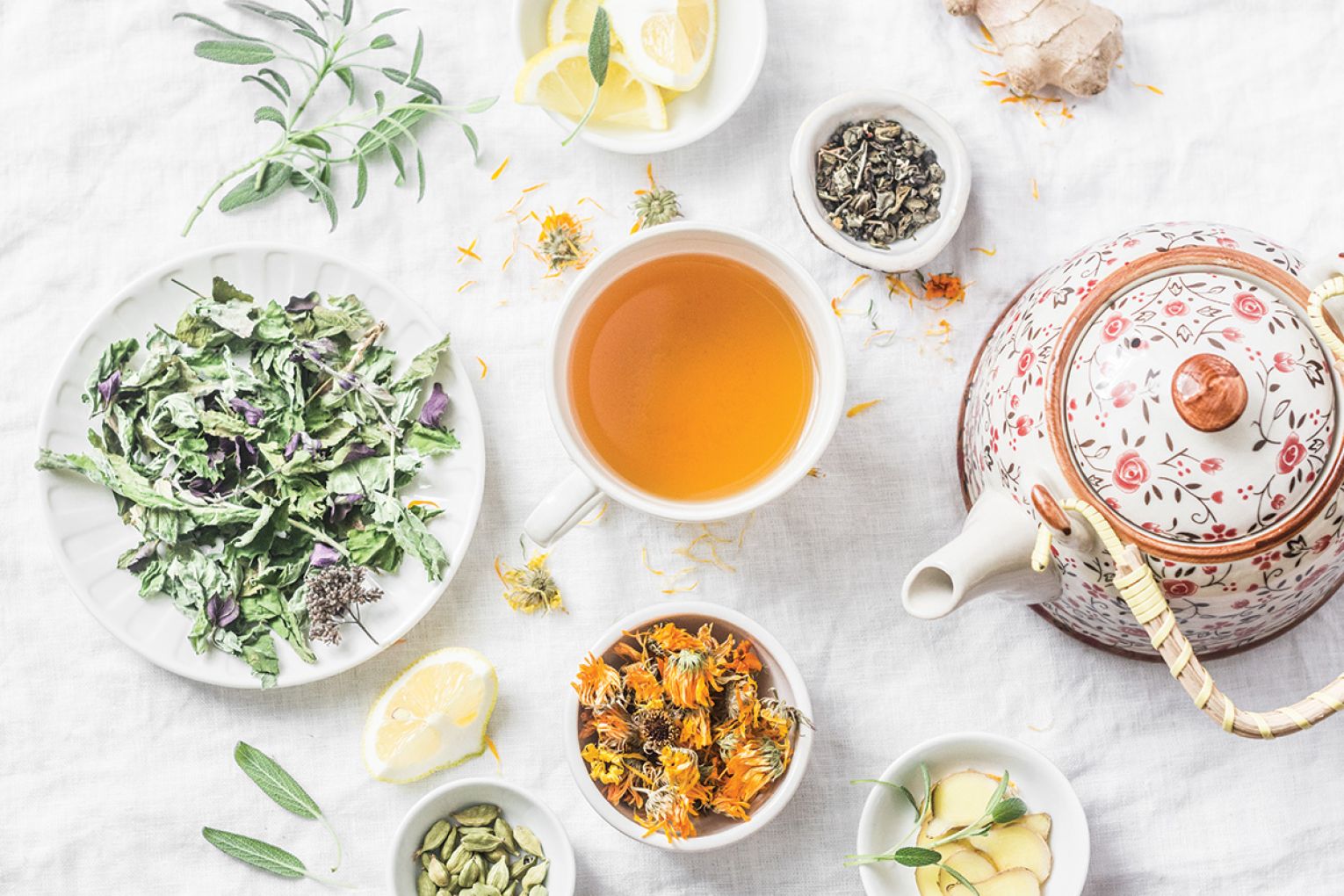
Your tisane can be as simple as picking a mint leaf or two, dropping it into a cup and pouring over boiling water. Alternatively, you may want to develop a more complex flavoured infusion by adding a range of ingredients, each with a differing steep time.
Here are some easy to grow and popular plants to infuse simply by picking fresh leaves:
Subscribe for updates
Lemon balm has a soft lemon and slightly minty flavour. It loves growing in part shade positions with moist soil. Lemon balm tisanes are said to ease anxiety, digestive discomfort and support better sleep.
Peppermint provides a fresh and cooling taste sensation that aids digestion, assists in relieving headaches and lifts energy levels. Due to peppermint’s keenness to spread, it is best to plant in pots to avoid it taking over the yard.
Lemon verbena offers a strong citrus aroma which assists in reducing inflammation and calms the body. A full sun lover, plant in well-drained soil.
Rosemary’s distinctive woody, earthy and pine-like undertones are very warming. Used to enhance focus and support circulation. A super tough plant that loves full sun. Always best to use the original rosemary rather than its many different cultivars.
German chamomile is an annual that produces an abundance of small daisy blooms. Best picked when in full flower – leave the flower heads to dry for 10 to 14 days before being stored. The infusion from these blooms produces a mild, sweet apple flavour and is said to assist in sleeping, soothing digestion and as an anti-inflammatory. Roman chamomile, a perennial, also works well in herbal tea with slightly stronger and bitter notes.
English lavender is not only a brilliant garden pollinator attractant, it also produces a wonderful floral and soothing essence that promotes relaxation and helps with anxiety and stress conditions.
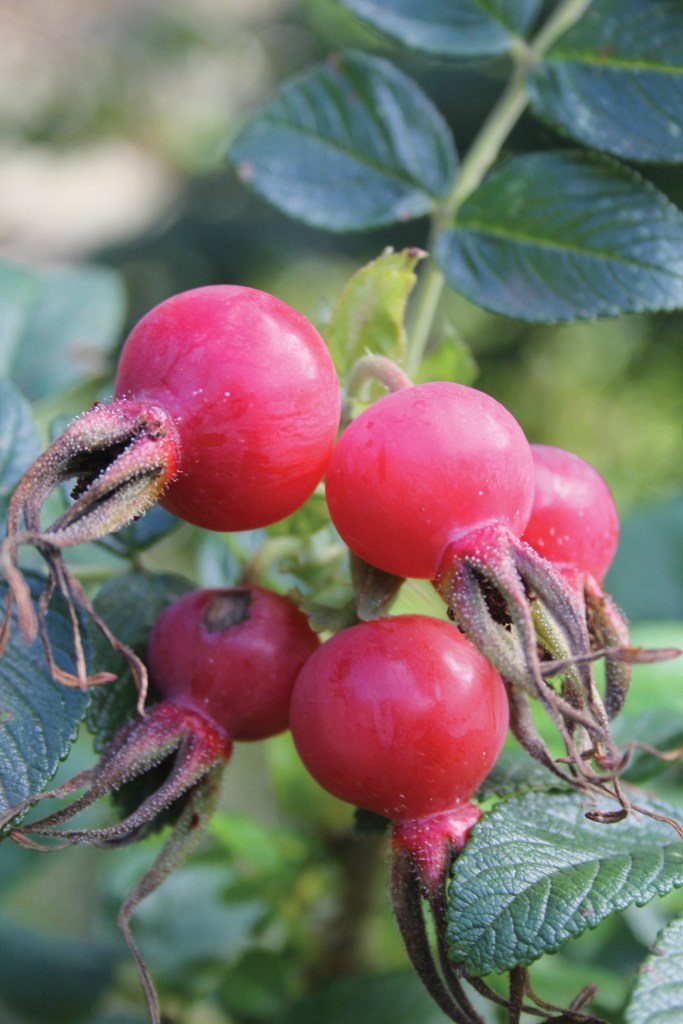
Rose hips are high in vitamin C and make a delicate and lightly sweet herbal tea. Wait until the hips have coloured up, generally late autumn. Pick and cut into sections. Remove the irritating inner hairs. Use fresh by simmering in water or dry, store and use later.
There are plenty of ways to brew herbal tea. For a few cups, pop your botanicals into a coffee plunger, pour over boiling water then let it steep, before plunging and sharing.
Teapots with a built-in infuser also work well. For a single cup, tea ball strainers are excellent, just avoid overfilling if using dry leaves which unfurl and expand as they hydrate.
The time taken to brew your leaves, flowers or roots is very important. Steeping too long may result in a bitter flavour or an excess of essential oils being released. A starting point is leaving your botanicals in for five to 10 minutes. If you find the flavour too strong or bitter, remove earlier next time.
Never consume anything from a plant you do not know. Correct plant identification is important. Plants purchased from a garden centre or raised by you from seed are fine. The issue occurs when people go foraging, as some plants can be mistaken for others. So, unless you are experienced, stick to home-raised for your herbal teas.
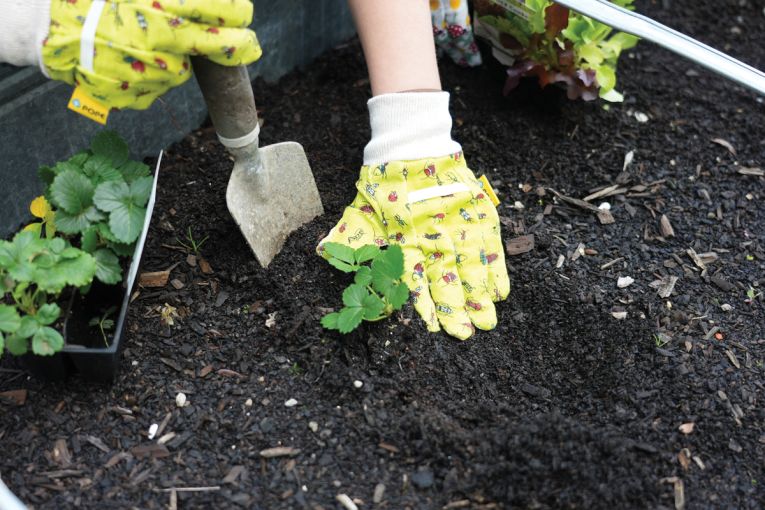
To increase the health benefits of your home-made tisanes, grow your plants organically. Plant them in the right location be it full sun or part shade. Maintain regular watering and feeding to build strength plus maximum oil and flavour production. It is important to avoid spraying any chemical pesticides, fungicides or herbicides which can be absorbed by the plant. Limit any sprays to horticultural oils or organic based mixes.
This article first appeared in the February 2026 issue of SALIFE magazine.
Want to see more stories from InDaily SA in your Google search results?
- Click here to set InDaily SA as a preferred source.
- Tick the box next to "InDaily SA". That's it.