Winter is an exciting time for gardeners looking to start or add to their edible collection. Prepare early, as deciduous stone and nut trees dug from the field, trimmed and wrapped in sawdust-filled bags, become available.
Adelaide’s climate allows for a broad range of cool, mediterranean and even sub-tropical fruits to be successfully grown. Avoid a massive influx of produce by spreading your ripening times across many months through choosing a mix of early, mid and late-fruiting varieties. For example, if you love plums, then the Santa Rosa fruits in late December, while the Satsuma fruits in mid-February and Ruby Blood in late March; planted in a yard, these various varieties provide many months of staggered, delicious fresh fruit.
Some fruit trees are called “self-fertile” meaning they only need that tree to pollinate and produce fruit. Other trees require a separate variety known as a “companion” to provide pollen to successfully grow a crop.
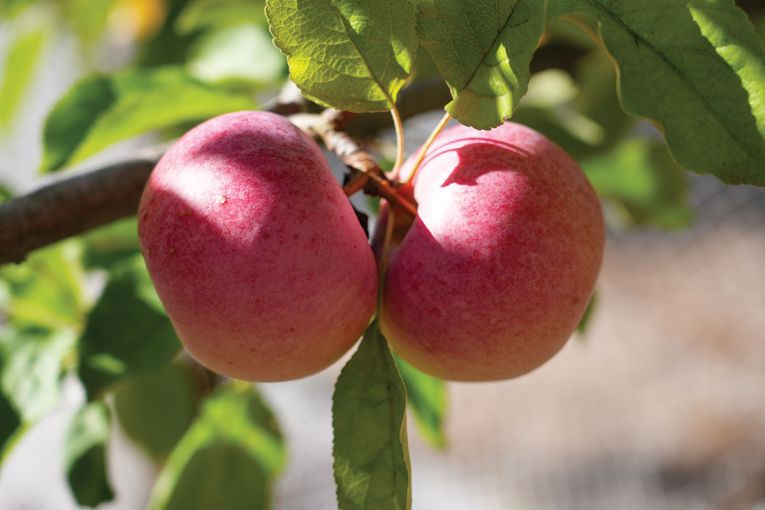
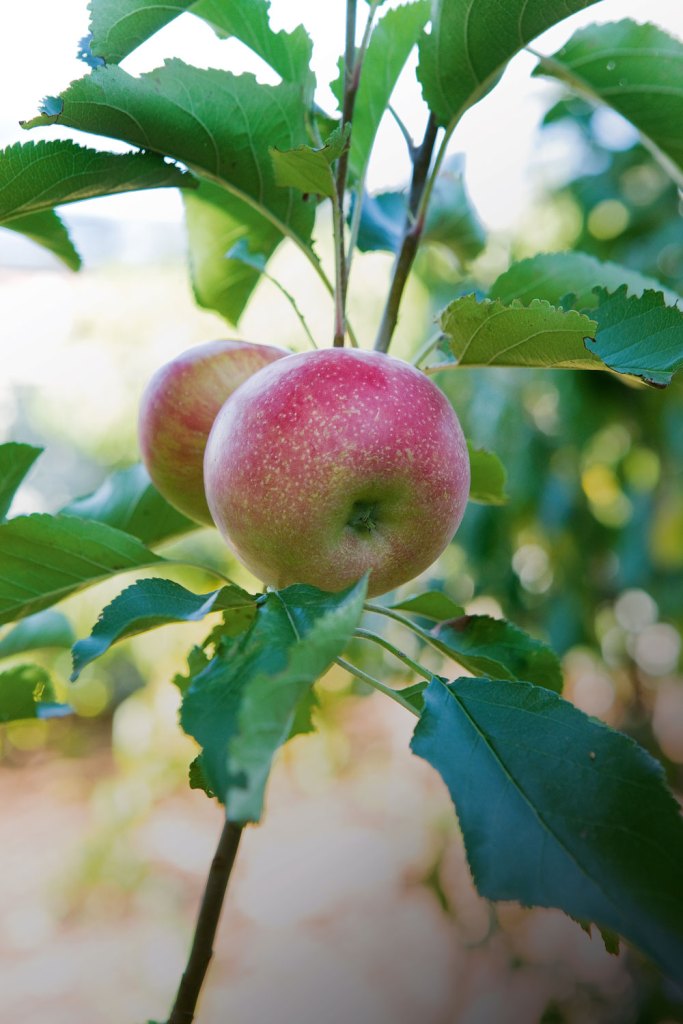
Peaches, nectarines and apricots are self-fertile, whereas apples, pears, plums and most cherries need a pollinator (except for Lapins and Stella cherries). Always check the label and ask for advice.
Also, a tip is to photograph the labels from your fruit trees, or hang them in the garden shed, because knowing your varieties helps you identify what compatible pollinators you have for future additions, making selection so much easier.
The temperature your suburb gets over winter and early spring has an important bearing on how successful your harvest will be for several fruits. Apples and cherries are two which require a significant number of chill hours (time below 7C), to encourage breaking of dormancy and uniform blossoming. A brisk winter rewards with a bumper cherry and apple crop, whereas a mild one normally results in slimmer pickings. In places where chill hours may be an issue, Granny Smith and Fuji apples along with Minnie Royal and Royal Lee cherries are options worth trying.
You might like
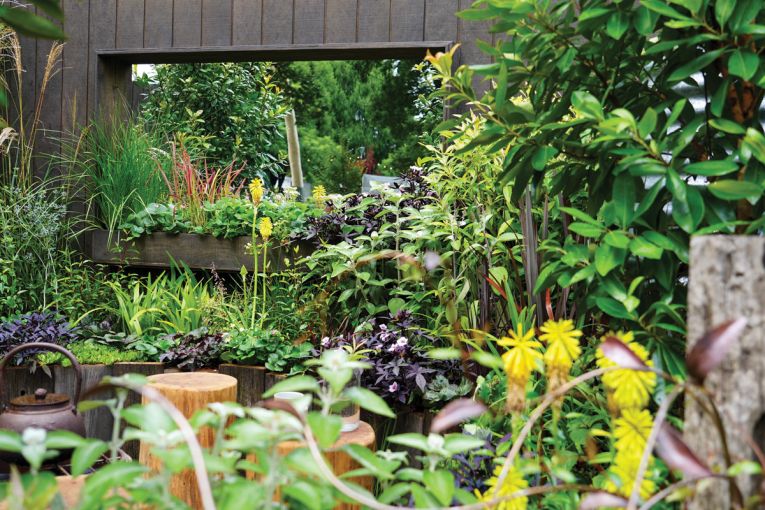
The key to any harvest success is selecting a place, either in-ground or container, that receives at least six hours of direct sunlight. Sun fuels photosynthesis, essential for foliage, flower, fruit and root production, so apart from the late potentially harsh afternoon sun, the more rays your plants receive, the better.
The move to smaller garden spaces has seen a dramatic increase in the popularity and availability of fruit tree varieties on dwarfing rootstocks. While the fruit remains the same size, reduced root vigour means top growth is smaller and the tree easier to manage and pick.
Where space is an issue, consider multiple planting or espaliering. You can plant two or three different trees spaced as little as
30 centimetres apart. Ensure the trees you choose are compatible cultivars blooming at the same time if cross-pollination is needed. Choosing the same pruning types will make the job of trimming back and retaining the right fruiting wood much easier. Nectarines and peaches which fruit off one-year-old wood work well together, as do apples and pears that produce fruit from older wood.
Subscribe for updates
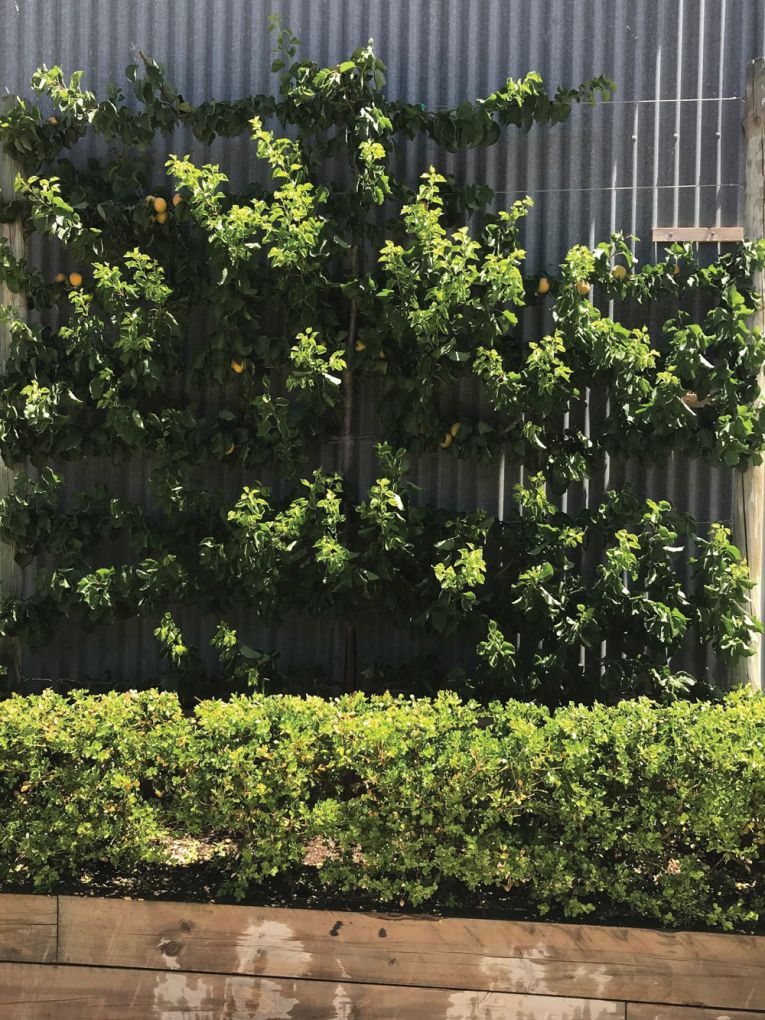
Fences, screens and narrow areas that receive enough sunshine are perfect places to espalier. Almost every type of fruit can be trained on a trellis or wires; you will be surprised at how much fruit you can pick from a well-managed espaliered tree.
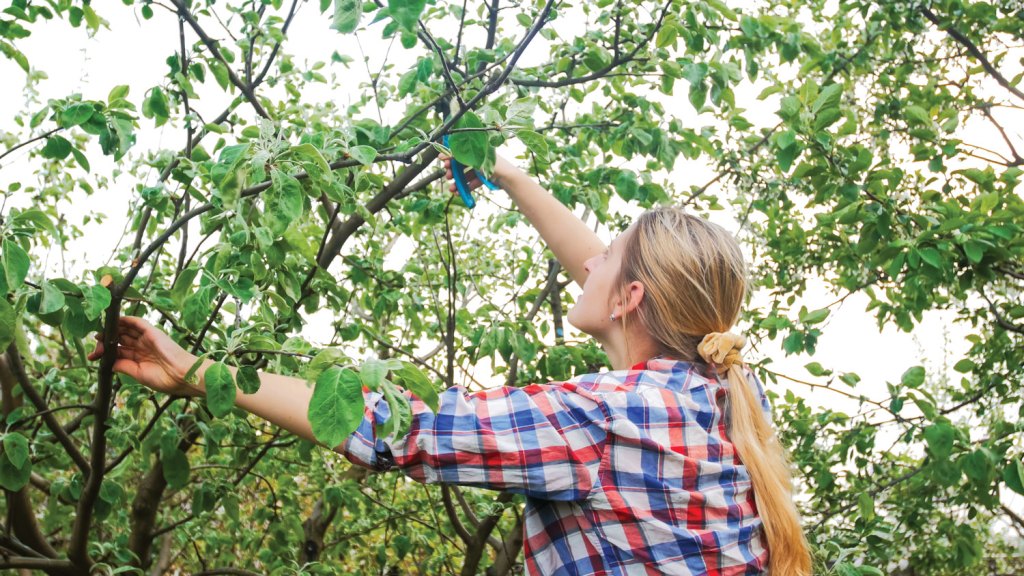
It is important that any newly purchased tree is given a prune and many garden centres break out the secateurs and chop off a few branches before you leave the store. While it may seem extreme to see a third to a half your new purchase cut away, there is a very good reason why. This first prune decides the form your tree will take, either a main leading branch is retained and side branches removed helping it grow into a Christmas tree shape or, the vase style where a central upright branch is taken and side basal ones encouraged.
Apples, pears, sweet cherries and European plums tend to be grown using the central leading system, while stone fruits such as peaches, apricots and Japanese plums benefit from a vase or open centre form. Espaliering is different again, needing a series of carefully selected laterals and upright branches to form the framework.
Staking your new fruit tree after planting will depend on a few factors. If you are in a high-wind zone, have energetic kids and pets, or have sandy soil that tends not to anchor trees securely, then staking is preferred. Best to use two or three stakes, spaced evenly outside the rootzone. Use a flexible tie looped slightly firm, but not overly tight, from tree to each stake. A little movement is fine as it encourages roots to spread and secure the tree. Those with heavy soil, sheltered spots or little traffic through the garden, can dispense with the stakes. Adding a stake to a newly planted potted fruit tree helps secure the plant and prevent damage from wind. It can be removed once the tree establishes a strong root system.
This article first appeared in the Winter 2025 issue of SALIFE Gardens & Outdoor Living magazine.
Want to see more stories from InDaily SA in your Google search results?
- Click here to set InDaily SA as a preferred source.
- Tick the box next to "InDaily SA". That's it.