The healthcare divide no family should face – but can be changed
I’ve seen first-hand the consequences of health inequities – when people are forced to choose between medication or groceries. I also know what can be achieved when we remove avoidable barriers, so every person and community has a fair chance at good health.

I have been working in health equity research since 2021. However, my passion and commitment to health equity began long before that. It has been woven into every stage of my life.
I grew up in rural South Australia, long before iPhones, iPads, streaming services and Wi-Fi. When I was nine years old my nanna had a stroke. During her recovery, her leg was amputated due to diabetic complications. She never walked again before her passing when I was 13.
Over those four years, I watched my family struggle, deeply affected by inequities in access to affordable, supportive, patient-centred healthcare.
Years later, at 37, I find myself delivering my auntie’s eulogy. She lived rurally and was diagnosed with heart and kidney failure. Just three days after her diagnosis she passed away. Sadly, hers is not an isolated story but one of many that have shaped my understanding of how inequities can shorten lives and leave families asking whether things could have been different.
As a researcher, I am privileged to work directly with communities, hearing their experiences first hand. I meet people who sleep rough in metropolitan locations so they can access specialist healthcare. I have heard from families who were forced to choose between filling prescriptions or buying groceries.
I listen as communities describe the gradual loss of essential services, diminished opportunities and the constant challenges in accessing the most basic supports. These experiences, both personal and professional, have reinforced a simple truth for me – health inequities are neither inevitable nor unavoidable. They are the product of decisions, systems and structures that can, and must, be changed.

Equity versus equality
You might like

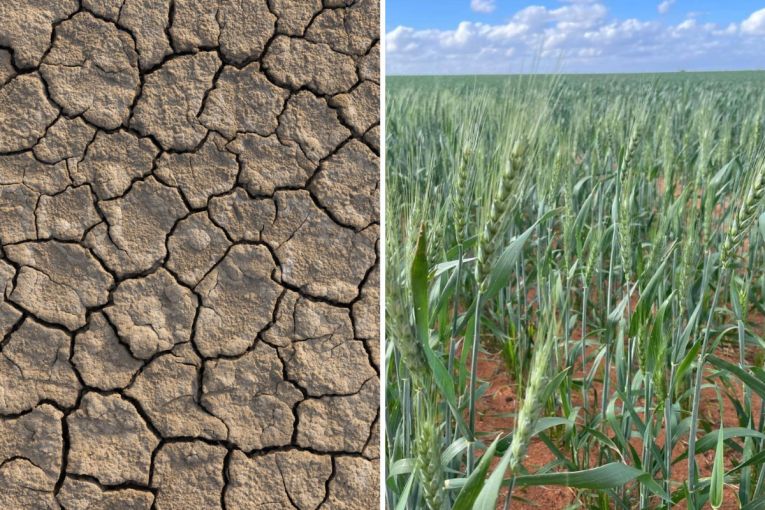
Health equity is often confused with health equality, yet they are fundamentally different concepts. Health equality treats everyone the same, providing identical resources, opportunities or treatment regardless of need. For example, everyone paying the same out-of-pocket fee to see a GP, regardless of income.
Health equity, by contrast, asks what each person or community needs to have a fair chance at good health. It recognises that people have different needs and circumstances, and therefore resources, opportunities and care must be distributed accordingly.
In practice, this can look like bulk‑billing, community clinics, subsidised medicines and targeted initiatives for priority populations – including rural and remote communities, Aboriginal and Torres Strait Islander peoples, culturally and linguistically diverse groups, LGBTQIA+, elderly and young people.
These initiatives however are often criticised as unfair. Such perspectives reinforce that priority populations are responsible for their own circumstances, with some going further to frame equity measures as a form of discrimination that undermines merit-based systems.
This extreme thinking has been used to dismantle diversity, equity and inclusion programs and global health initiatives, reinforcing existing power structures while further marginalising those who require the most support. Worryingly, it also contradicts basic epidemiological evidence.
The Whitehall Studies demonstrated a clear social gradient in health – the higher an individual’s socioeconomic position, the better their health outcomes and life expectancy. It is precisely this gradient that underpins the persistent, deficit-based health statistics experienced by many priority populations in Australia.
Australia is a high-income country, with excellent universal taxpayer funded health insurance – Medicare, supported by the Medical Benefits Scheme (MBS) and Pharmaceutical Benefits Scheme (PBS). Yet access to Medicare benefits is far from equitable.
Despite rural and remote communities experiencing great disease burden, higher rates of chronic conditions, preventable hospitalisation, and reduced access to healthcare, rural Australians receive substantially less healthcare investment than their metropolitan counterparts.
Recent estimations place this at approximately $1090 per person every year, amounting to an annual deficit healthcare investment of $8.35 billion. But inequity extends far beyond healthcare delivery; it is embedded through systems that generate knowledge and innovation.
Take randomised clinical trials which are widely regarded as the gold standard of evidence often leading to cutting-edge treatments, models of care and changes to clinical practice. Their findings commonly shape health policy, funding and treatment decisions. Yet access to participations is inequitable. Over a 10-year period, only 1.4 per cent of clinical trials in Australia focused on Aboriginal and Torres Strait Islander health, despite long standing evidence on the disproportionate burden of disease.

Inequity is not accidental, and it extends far beyond healthcare delivery; it is embedded in the very systems and structures that govern Australian society.
Addressing inequity is not only a moral imperative but also an economic one. In 2017, the Productivity Commission estimated Australia’s GDP could increase by $4 billion per year if the health of people in “fair or poor health” was improved.
Investments that reduce health inequities generate substantial social and economic benefits, while improving population health and saving lives. Australia has repeatedly led by example in these investments, as can be seen with The Aboriginal Community Controlled Health sector which continues to demonstrate how when communities lead the design and delivery of healthcare, better more centralised health outcomes can be achieved.
The research closing the health gap
Flinders University and the Flinders Health and Medical Research Institute (FHMRI) are playing a critical role in advancing health equity through research, education and community partnerships that address the social, cultural and structural determinants of health, with a particular focus on Aboriginal and Torres Strait Islander health, rural and remote communities, along with other priority populations.
Much of this work is also possible because governments recognise the scale and urgency of these challenges and are investing in research that helps identify where inequities exist and how they can be addressed.
Better public health decisions can mean earlier action, smarter investment and fairer outcomes for communities across South Australia. That is the goal of SMART-PH (Digitising Information for Practice in Public Health), a national critical research infrastructure grant between Flinders University, the Department of Health and Wellbeing, CSIRO, Adelaide University and SAHMRI.
The project is building the digital infrastructure needed to bring data, evidence and cross-sector collaboration together, supporting local councils, community organisations and public health stakeholders to better understand where interventions are needed and what impact they are having.
By developing an AI-enabled public health analytics platform capable of modelling, predicting and evaluating public health interventions, SMART-PH aims to turn evidence into timely, practical insights that help reduce health inequities and deliver meaningful gains in population health.
Research is also addressing the rates of injury to Aboriginal and Torres Strait Islander children. Over the past decade, injury rates amongst these groups of children have continued to rise, contributing to premature mortality, reduced quality of life, poorer health outcomes and lifelong disability. These are not just statistics, they are the lived realities for many Aboriginal and Torres Strait Islander children, families and communities.
To address this, researchers from Flinders University, Adelaide University and New South Wales, along with Aboriginal community-controlled partners through the Centre for Excellence for Aboriginal Digital in Health, have partnered on HEAL (Transforming Health and wEllbeing outcomes from injury for Aboriginal and Torres Strait IsLander children) an e-cohort study.
As one of the largest Aboriginal-led injury research initiatives in Australia, HEAL will revolutionise injury policy, prevention and health system strategies through rigorous injury evidence, building on practices which have existed since time immemorial to enhance injury outcomes for Aboriginal and Torres Strait Islander children and their families.
These are just some of the projects happening, with much more work being done across the healthcare sector in spaces such as kidney health, female alcohol consumption and alcohol-related harms.
Good health underpins every aspect of a thriving society. It allows Australians to lead fulfilling and productive lives, participate fully in their communities, education and work. The evidence is clear: when we invest in equity, everyone benefits.
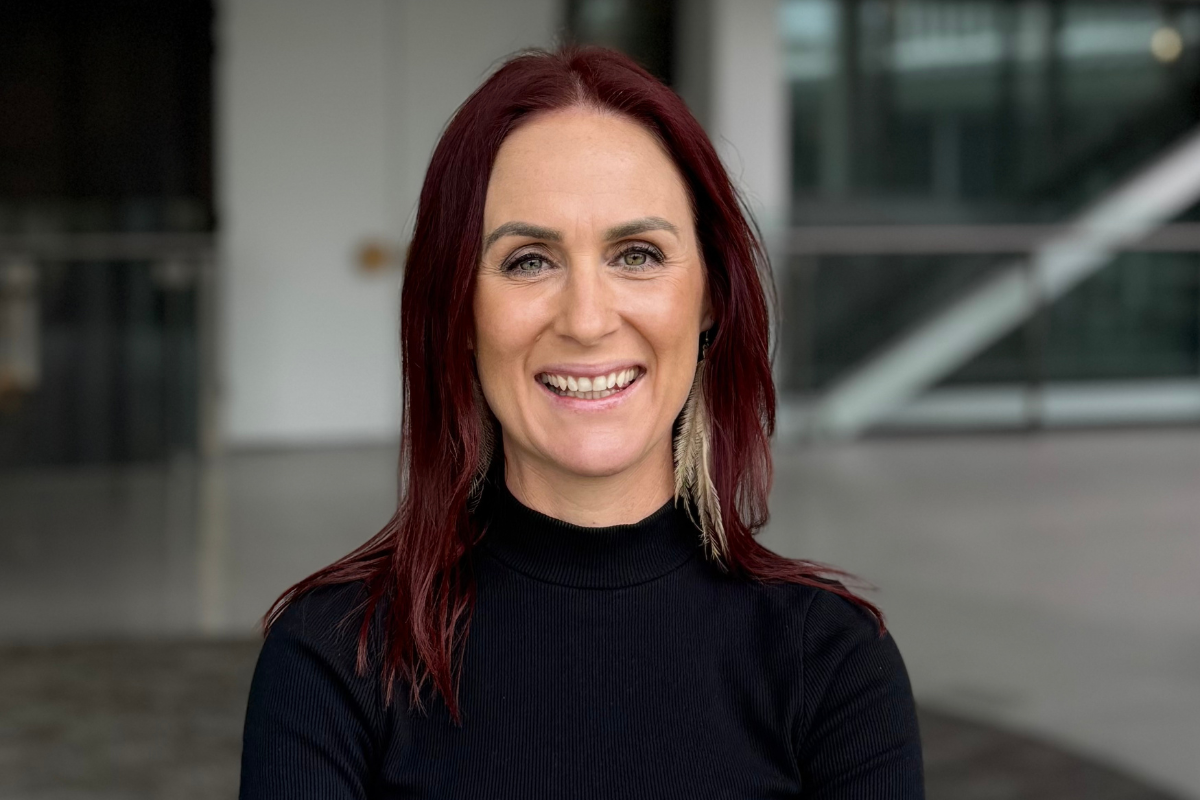
Associate Professor Courtney Ryder is an Aboriginal ECR injury epidemiologist, Matthew Flinders Fellow, and co-director of the Health Equity Impact Program for the Flinders Health and Medical Research Institute.
Want to see more stories from InDaily SA in your Google search results?
- Click here to set InDaily SA as a preferred source.
- Tick the box next to "InDaily SA". That's it.