
Remodel the system: Aussies reveal what they think of today’s modern schools
Students are at the centre of an education revolution, as classrooms adapt to new technology, changing rules, and modern expectations. Discover the real impact of school phone bans sweeping across classrooms, what’s fuelling fierce debate over school-provided lunches, and whether artificial intelligence could finally level the playing field for every child.
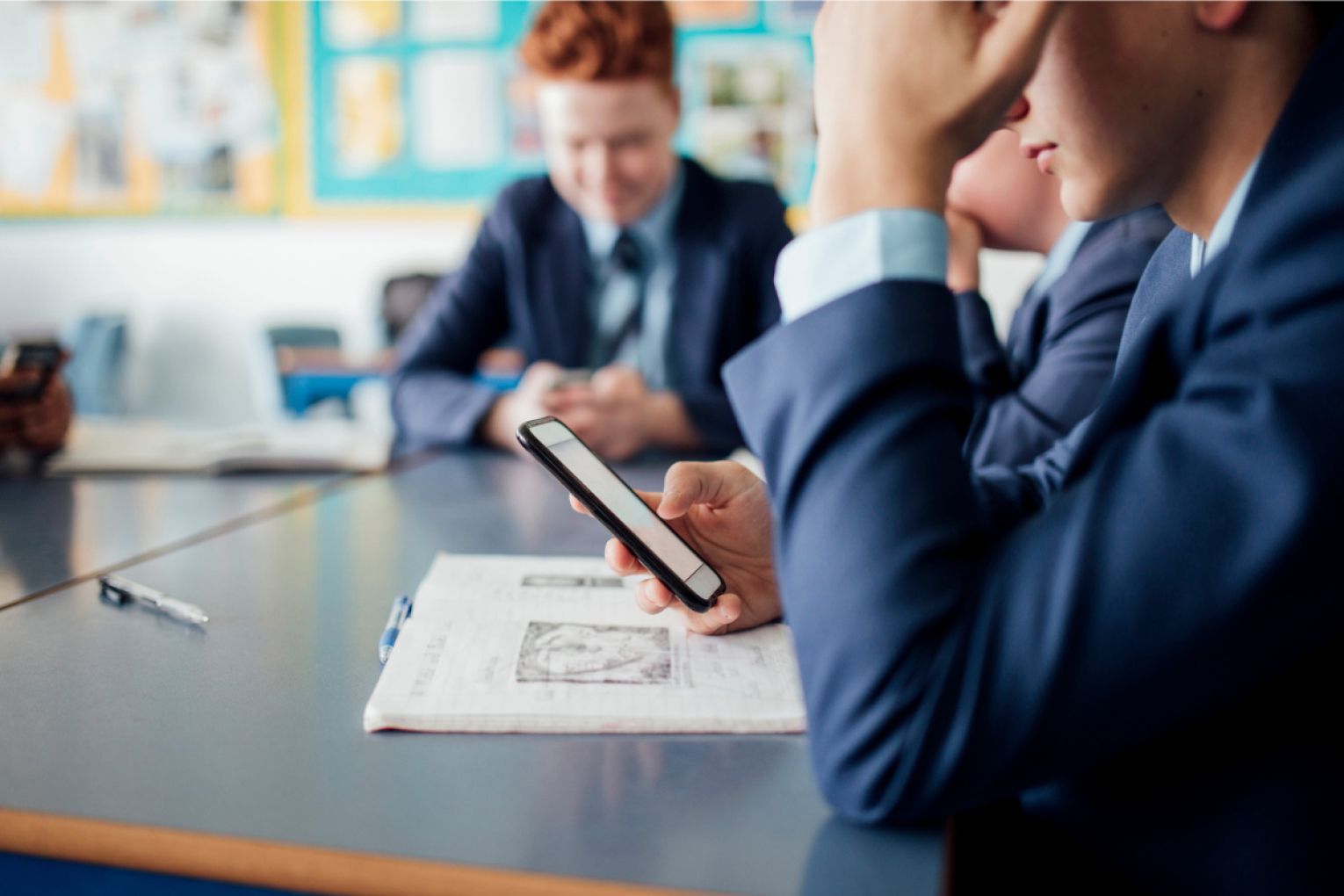
Gone are the days when lessons were written on chalkboards, maths was taught with abacuses and the only telephone in the school was housed in the administration office and shared by all.
Today, the way we educate students, and the overall school environment, have transformed dramatically. These changes are now front of mind for parents when deciding on where to send their children to school.
In 2026, 8 per cent of South Australians identified, via the Flinders Wicked Problems Report, education as one of their top concerns, citing the need for the school system to evolve and meet the needs of modern students.
The Flinders Wicked Problems Report is the result of asking everyday Australians from across the nation to voice the problems that matter to them the most in their local communities.
When it came to the education system, some respondents said they felt a “complete remodel of the education system” is needed. Others wanted schools to go back to basics, while some respondents said, “we must modernise the curriculum to include digital and AI literacy”.
As teachers and schools try to adapt and find the right balance, Flinders University researchers are already testing and evaluating how the overall school environment, and classroom learning experience, can evolve to best support all children.
Could AI fix one of teaching’s toughest problems?
Teaching a classroom full of students who have different learning abilities is just one of the many challenges teachers face. And the practical realities of teaching means teachers are often forced to “teach to the middle”, resulting in some kids getting left behind while others aren’t being challenged.
One report respondent said schools should “integrate AI effectively in the classroom … and offer training and resource support to teachers”.


New Flinders research suggests artificial intelligence is already quietly stepping in to help teachers help kids. A study of Australian student teachers found AI tools like ChatGPT are being used during teaching placements to help move away from “one‑size‑fits‑all” lessons.
Many are using AI to create activities at different levels, explain concepts in new ways and tailor work to suit individual students, all while under intense pressure and short on time.
“What stood out in our research is that these beginning teachers aren’t treating differentiation as an afterthought – they’re building it into their planning from the start because AI makes it feasible,” says Dr Tianchong Wang, a Flinders senior lecturer in STEM in Innovative Education Futures.
“They’re entering a profession that needs them more than ever with a fundamentally different sense of what’s educationally possible, and that changes the game for them and the students they’re trying to reach.”
The research followed several trainee teachers after they completed real classroom placements. Many described AI as a kind of support partner: something to bounce ideas off, test lesson plans, break down complex tasks or quickly generate worksheets matched to the curriculum.
Importantly, the students didn’t blindly trust the technology. Most said they checked and adjusted AI‑generated content before using it, seeing it as helpful but not perfect.
The findings suggest AI isn’t replacing teachers, but it may be giving the next generation a better way to deliver more targeted and more academically inclusive education.
How students are faring under a mobile phone ban
Smartphone ownership among young people has skyrocketed in recent decades, now topping 90 per cent in many countries. For years, phones have been glued to students’ hands in school playgrounds and even during lessons as kids strive to stay connected in the modern world.
But experts suggest taking phones away in schools could be the answer to improving young people’s overall wellbeing.
Research from Flinders University and international experts compared students’ experience at schools with phone bans, which came into effect in June 2023, and those without phone bans. They also gathered in-depth follow-up insights from hundreds of students.
“Together, the two studies highlight that phone-free schools seem to provide students with a valuable ‘digital break’ that supports both mental health and learning,” says Dr Marcela Radunz, co-author, research fellow and clinical psychologist.
Students at phone-free schools reported feeling less distressed and less overwhelmed, and said they felt calmer, more focused and less caught up in drama.
Even short breaks from screens during the school day appeared to help. “Ever since we have had the phone ban, we have no fights,” one student reported. PPeople are making more friends and are socialising and playing more sports during break.”
However, lead-author Professor Daniel King says phone bans aren’t a “magic fix”. Young people still need support to manage technology, social media and mental health outside school hours. But, as part of a modern education system, broader take up of limits on phone use in schools could offer students more than just better grades – they may also give them space to breathe.


School lunches
As far as school lunches are concerned, Australian schools are behind the eight ball when it comes to feeding students.
Unlike many other developed countries that provide meals for students, Australian parents are still facing the daily battle of what to pack in their children’s lunchboxes.
Flinders researcher Professor Bec Golley says that, as parents balance hectic work and family schedules, convenient lunchbox fillers frequently become the go-to option, but these are often highly processed and aren’t setting our kids up for success.
In fact, it is estimated nearly half (44 per cent) of the foods Australian children eat at school are energy-dense and nutrient-poor; while cost-of-living pressures pushing families to their financial limit mean many kids are going to school without any food at all.
Flinders research reveals Australian parents are overwhelmingly supportive of school-provided lunch programs.
Nutrition quality, menu variety and environmental sustainability were found to be of most importance for parents when considering a potential school-provided meal system.
“There is growing momentum across Australia for rethinking how food is provided in schools, with research showing school lunches can reduce stigma and increase social equity, alongside improved nutritional and learning outcomes,” says Professor Golley, a professor of nutrition and dietetics and project lead of Flinders University’s school food research program.
“What this research shows is that Australian parents are willing to invest in a different future for school food and are willing to contribute financially.”
On average, parents reported spending around $5 per day on lunchboxes and said they would be happy to pay a similar amount for a school-provided lunch, although this amount varied across sociodemographic factors, which points to a need for a system that can be tailored for different families.
The team says the findings provide strong evidence to inform the design of an Australian school meal system that meets parent expectations and supports child health and wellbeing. Additionally, teachers report that improved classroom behaviour resulting from such programs makes the move towards school-provided lunches all the more worthwhile.
Currently, the team is leading a national project that will look at 36 schools across Australia as they trial and test different approaches to feeding kids at schools, while being mindful not to add additional burden on schools and teachers.
At Flinders University, we are dedicated to finding solutions to complex challenges with research that matters. In the spirit of co-designing our research with community, we asked Australians from across the nation to voice the problems that matter to them the most in their local communities, resulting in the Flinders Wicked Problems Report. Read more here.
Want to see more stories from InDaily SA in your Google search results?
- Click here to set InDaily SA as a preferred source.
- Tick the box next to "InDaily SA". That's it.