
Waiting too long for care? These innovations could change that
Australia’s health system is under strain – but a wave of innovative new ideas could slash wait times, help doctors focus on patients (not paperwork), and bring quality care closer to home for all. From high-tech AI scribes that “see” as well as listen, to game-changing sleep tech and a national push to help older Aussies stay in their own homes, the future of healthcare is being reimagined.
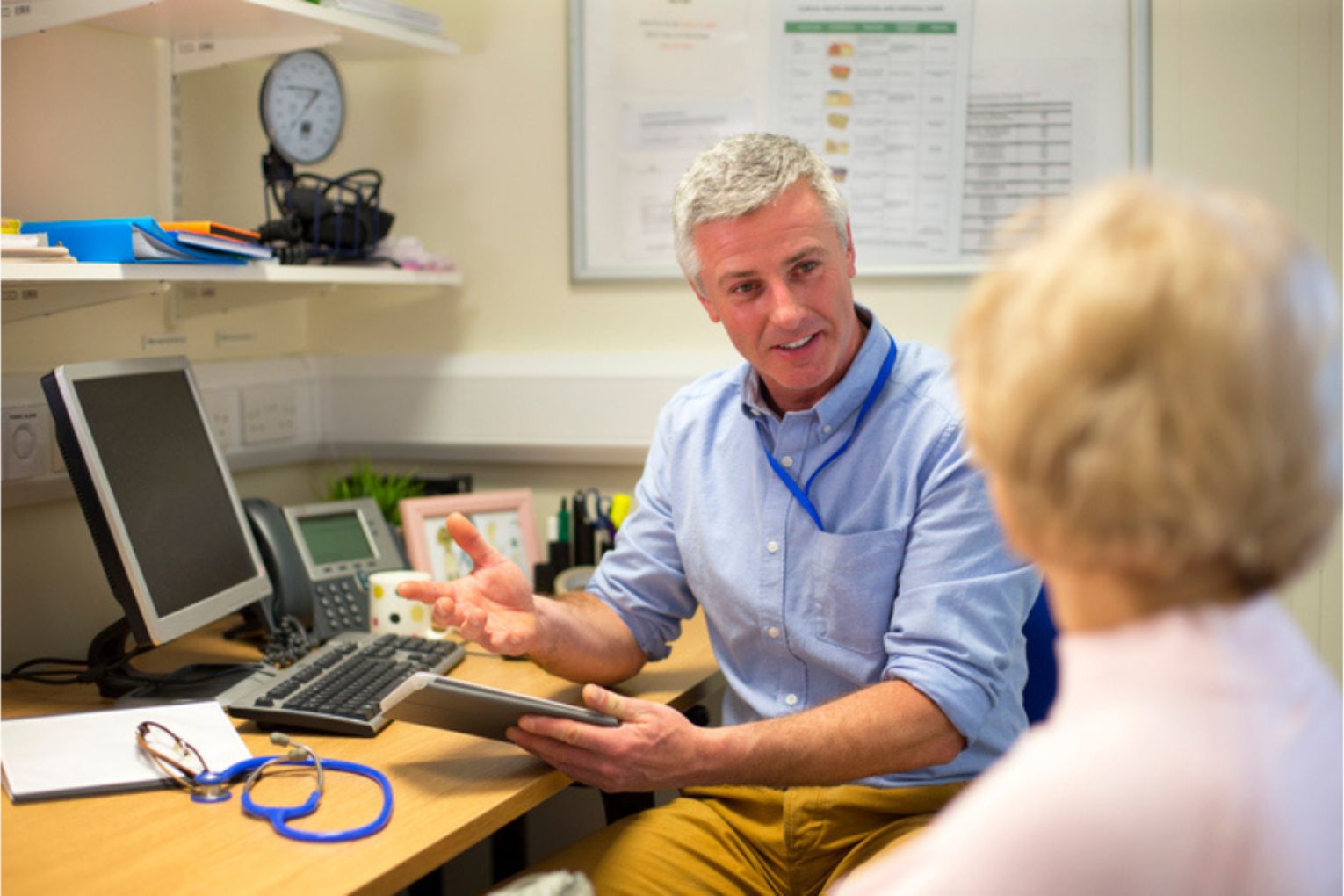
Australia’s healthcare system is world-class when compared to what’s on offer overseas. But it’s under mounting pressure – and people are feeling the strain.
Hospitals are overwhelmed, aged care is struggling to keep up, and too many Australians are enduring long wait times before they get the care they need.
Twenty-six per cent of Australians rated access to health and community care as one of their top concerns in the recent Flinders Wicked Problems Report, citing issues such as staff shortages, lack of regional services and rising costs.
“Seeing a doctor is so expensive, some people just suffer and don’t go,” one respondent said. Others stated that we need “more staff at hospitals and more beds at these hospitals” and “more support to reduce waiting times and costs for specialists”.
To help find improved and faster ways of delivering healthcare, a new wave of research is coming up with innovative solutions.
From new vision-enabled AI scribes reducing the admin overload choking clinicians, to a national push to help older Australians stay out of hospital and in their homes for longer, the way we deliver healthcare is undergoing a significant transformation.
Add breakthrough tools to detect sleep disorders from your own bed and trials designed to stop blindness before it starts, and it’s clear that early intervention and new ways of thinking can make inroads on some of our biggest healthcare challenges.
AI scribes that see
Doctors could soon spend less time typing and more time treating patients, thanks to a new “vision-enabled” AI tool that acts like an extra set of eyes in the clinic.
Researchers at Flinders University have shown that combining video with traditional audio-based AI “scribes” can dramatically improve the accuracy of patient records, helping reduce errors and support safer care.
You might like


AI scribes are already used to transcribe consultations, easing the administrative load that often pulls clinicians away from patients. But the new system goes further.
“A lot of clinically important information is visual; important visual cues during consultations include patients’ medicine containers, prescriptions and devices, as well as their body language,” says Flinders research author Bradley Menz, an academic pharmacist.
“When an AI system can use both what it hears and what it sees in these consultations, it captures more of the details that matter for patient care.”
Researchers tested the technology during 110 simulated pharmacist consultations involving more than 100 different medicines. Using smart glasses and Google’s Gemini AI model, the system analysed both video and audio to produce clinical notes.
The result was a significant jump in accuracy – 98 per cent compared to 81 per cent for audio-only systems – while also dramatically reducing missing or incorrect details.
Crucially, the tool was far better at identifying key information like medication strength and form, which are essential for safe dosing.
Researchers say the technology could help reduce clinical errors and give health professionals more time to focus on patient care, rather than paperwork.
While the system is not designed to replace clinicians and will need careful governance, it may mark the next step in AI-assisted healthcare, where tools ensure fewer details are missed when it matters most.

Research push to help older Australians stay at home longer
Thousands of older Australians could stay in their own homes for longer under a new national research centre designed to ease pressure on families and the health system.
Led by Flinders University, the Centre of Research Excellence (CRE) in Optimising Health Care in the Home for Older Australians will focus on helping older people live safely and independently at home – where most Australians say they want to be.
“For the first time ever, Australia has a larger cohort of older people being cared for in their own homes than in residential aged care, and we know that’s where most would prefer to stay,” says Professor Gillian Harvey, Centre lead, and Matthew Flinders Professor of Health Services and Implementation Research.
But this change is bringing new challenges, with many people managing complex health needs and facing frequent hospital visits.
The new centre builds on existing research the team have led for more than seven years, working with older people, health care staff and aged care providers to improve the transitions of care between hospital and home.
Researchers will develop practical solutions, including digital tools to prevent falls, better coordination between hospitals and home care, and targeted training for aged care workers. They will also use large-scale data from the Registry of Senior Australians (ROSA) Research Centre to understand what makes ageing at home successful – and where the system is falling short.
“Our Centre will work with consumers, carers, clinicians, providers and policymakers to co-design solutions that are feasible, scalable and sustainable,” Professor Harvey says.
Researchers say the goal is simple: help people stay healthier at home for longer, while reducing strain on hospitals and an already stretched aged care system.

Game-changing sleep and eye projects could transform early diagnosis
How serious health conditions are detected and treated is set to change thanks to two cutting-edge Flinders University projects that will bring earlier diagnosis and intervention within reach for thousands.
A new device, known as MedBug, could revolutionise how sleep disorders are identified, allowing people to be monitored over multiple nights without leaving the comfort of home. For Australians, especially children and those in regional areas, this could mean faster, easier access to answers.
“Traditional sleep studies require multiple sensors to be attached to the head and body usually for a one-night stay in a sleep laboratory – and many people don’t sleep as they usually would, so one-night tests aren’t always enough for a reliable diagnosis,” says Prof Peter Catcheside, a sleep and respiratory physiologist at Sleep Health: A Flinders Health and Medical Research Institute Flagship Program.
“Traditional sleep studies also detect breathing disturbances but not the physiology problems underlying them, MedBug enables continuous, comfortable and more comprehensive breathing monitoring over multiple nights of sleep in the familiar home environment without worn sensors.”
Designed as a discreet mattress-based system that uses advanced algorithms, MedBug tracks breathing, sleep patterns and snoring using a sensor strip and bedside microphone.
The goal is simpler, more reliable and earlier diagnosis over multiple nights, quicker treatment and better long-term health outcomes. Researchers say future versions should also be able to alert carers and clinicians if problems arise.

The technology is looking to help sleep clinics to make sleep care simpler and more accessible.
A separate Flinders-led project is tackling one of the leading causes of irreversible blindness, glaucoma, by intervening before vision loss begins.
Up to half of people with the condition don’t know they have it and, by the time vision changes are detected, permanent damage has often already occurred. Traditionally, people flagged as “glaucoma suspects” are monitored over time and only treated once their sight begins to decline.
In this clinical trial, instead of waiting for symptoms to appear, researchers are using polygenic risk testing to identify high-risk patients early and treat them preventatively with laser therapy. Trial participants receive either a low-risk laser procedure to reduce eye pressure or sham laser, with their eye health closely monitored over time.
Flinders’ Dr Mark Hassall, a senior research fellow and ophthalmologist says early results show promising reductions in eye pressure, an important step in slowing disease progression.
Together, these projects signal a shift toward proactive healthcare, helping Australians detect problems earlier, access care sooner and ultimately protect their long-term health.
At Flinders University, we are dedicated to finding solutions to complex challenges with research that matters. In the spirit of co-designing our research with community, we asked Australians from across the nation to voice the problems that matter to them the most in their local communities, resulting in the Flinders Wicked Problems Report. Read more here.
Want to see more stories from InDaily SA in your Google search results?
- Click here to set InDaily SA as a preferred source.
- Tick the box next to "InDaily SA". That's it.