The secret to ageing well? It starts with prevention
Australians are ageing, and the numbers are growing. On top of this, more older people than ever are trying to remain at home and live well – maintaining their health and independence for as long as possible. But what if the key to successful ageing includes simple changes we’re still not prioritising? This research is challenging how we think about ageing – and why getting prevention right could be key.
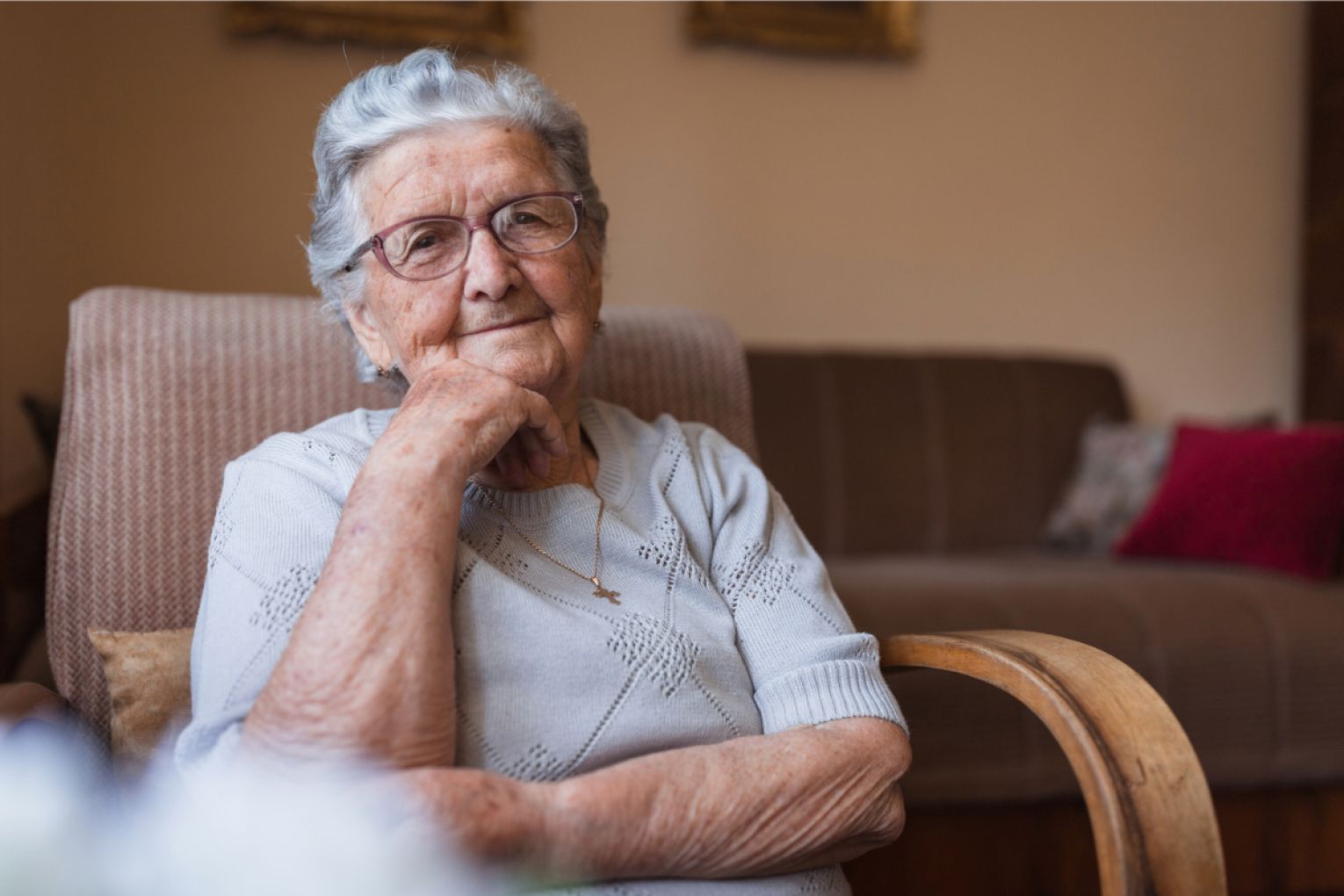
The old adage “prevention is better than cure”, applies to most things including, ageing. While we can’t prevent ageing, and it is indeed a privilege denied to many, preventive health strategies can ensure we “age well” – maintaining our health, independence and quality of life, even in our later years.
Worldwide, in both high and low-income countries, populations are ageing. This is due to increased life expectancy as a result of medical and social advances and declining birth rates.
In Australia, in the past two decades alone, the proportion of people aged 65 years and older has increased from 13.1 per cent in 2005 to 17.5 per cent in 2025. Life expectancy in Australia is currently in the top 10 worldwide, with an average life-expectancy of 83 years.
While an ageing population is something to be celebrated, it means that many older Australians are living with multiple chronic conditions and care challenges. Unfortunately, some spend too many years in poor health and wellbeing. This has placed increasing strain and pressure on Australia’s health and aged care systems. Our ageing demographic shift requires innovative and cross-setting solutions to support our current and future generations of older people to age well.
But prevention could be the key. A country’s success in helping older people age well depends on multiple sectors – including health, social and aged care – working together through policies and supports that focus on both prevention and treatment. Importantly, prevention is not just about stopping disease before it starts; it also means slowing progression, managing conditions well and preventing further decline.
The practical solutions helping older Australians stay well
You might like


As we have been reminded with the Covid-19 pandemic, communicable diseases can have a severe and debilitating impact on health and wellbeing, especially in the older population. Vaccines and immunisation are unequivocably one of the most significant preventative public health interventions.
The World Health Organisation estimates that vaccines prevent up to 3.5 to 5 million deaths worldwide each year. In Australia there are more than 47,000 vaccine-preventable hospitalisations at a cost to the hospital sector of more than $600 million.
Despite the clear benefits of vaccination, and the higher risks older people face if they become seriously unwell, new research shows that many older Australians receiving care at home, or living in residential aged care, are not fully vaccinated.
The research was conducted by the Registry of Senior South Australians (ROSA) Research Centre, a team that sits within Flinders University’s Ageing Alliance, which brings together more than 17 research teams and more than 120 researchers to focus on improving the lives of older Australians.
Our national analysis of more than a million people receiving aged care supports at home or in residential aged care in 2021 showed that much needs to be done to improve vaccination rates for our older population. In residential aged care for example, just over one-half received their flu vaccination, only 13 per cent received their pneumococcal and four per cent the herpes zoster vaccine.
Fortunately, the situation was much better for Covid with over 85 per cent receiving their Covid-19 vaccination. But these results highlight how a proven preventive strategy to reduce the likelihood of illness – potentially life-threatening illness – is not being delivered to one of our most vulnerable populations.
Other research conducted by ROSA found that the best type of preventive care included a combination of foundational primary healthcare services such as health assessments, chronic disease management plans and allied health support, delivered in partnership with a GP and broader care team.
The findings showed that this type of coordinated preventive care offered greater benefits than patterns of care that relied more heavily on urgent or after-hours GP visits. This type of preventive care also showed fewer hospital stays and lower mortality rates for more than 120,000 older people receiving aged care support at home and 350,000 living in residential aged care.

Prevention also extends to brain health, with dementia research pointing to everyday behaviours as another important piece of healthy ageing. An estimated 446,500 Australians are living with dementia, now the country’s leading cause of death, but research from Flinders’ Professor Kate Laver and her team is focusing on prevention by examining how daily habits – such as sleep, movement, sitting time and diet – combine to influence brain health over a full 24-hour period.
Rather than isolating single risk factors, their work aims to identify the “right mix” of behaviours that supports memory and thinking as we age, with up to 40 per cent of dementia cases linked to factors we can change.
Why prevention must drive ageing reform
We won’t improve outcomes for older Australians without change at a systems level. Australia’s National Preventive Health Strategy 2021-2030 calls for a more coordinated approach to prevention – one that looks at the whole picture, not just individual issues.
That means supporting health at every stage of life, including older age, and focuses on the broader factors that shape health to help prevent chronic conditions, injury and disease. Achieving this requires coordinated, evidence-based action across sectors – both within and beyond the health and aged care systems – to help Australians stay healthier for longer.
That same focus is shaping research closer to home, with the Flinders Ageing Alliance naming prevention as one of its four key research priorities. Supporting that agenda is the important work of members of the Alliance as highlighted above, to provide the much-needed evidence around preventive care to inform policy reforms and drive real change.
Australia’s growing ageing population comes with the reality that demand will likely surpass the current care economy required to support our older population to age well. I believe we must transition to a more preventive approach to care. One that focuses on maintaining wellbeing, deterring illness and extending health and independence for as long as possible to ensure our older population live meaningful and fulfilling lives into old age.
Find out more about Flinders Research that Matters, and the impact it’s having, here.
Professor Gill Caughey is Matthew Flinders Professor of Health Services and Pharmacoepidemiology and associate director of the ROSA.
Want to see more stories from InDaily SA in your Google search results?
- Click here to set InDaily SA as a preferred source.
- Tick the box next to "InDaily SA". That's it.