Call to block SA fishers from whale migration corridors
As whales return to Encounter Bay to give birth and nurse their young, rope washed onto nearby beaches has conservationists calling for a ban on commercial fishing.
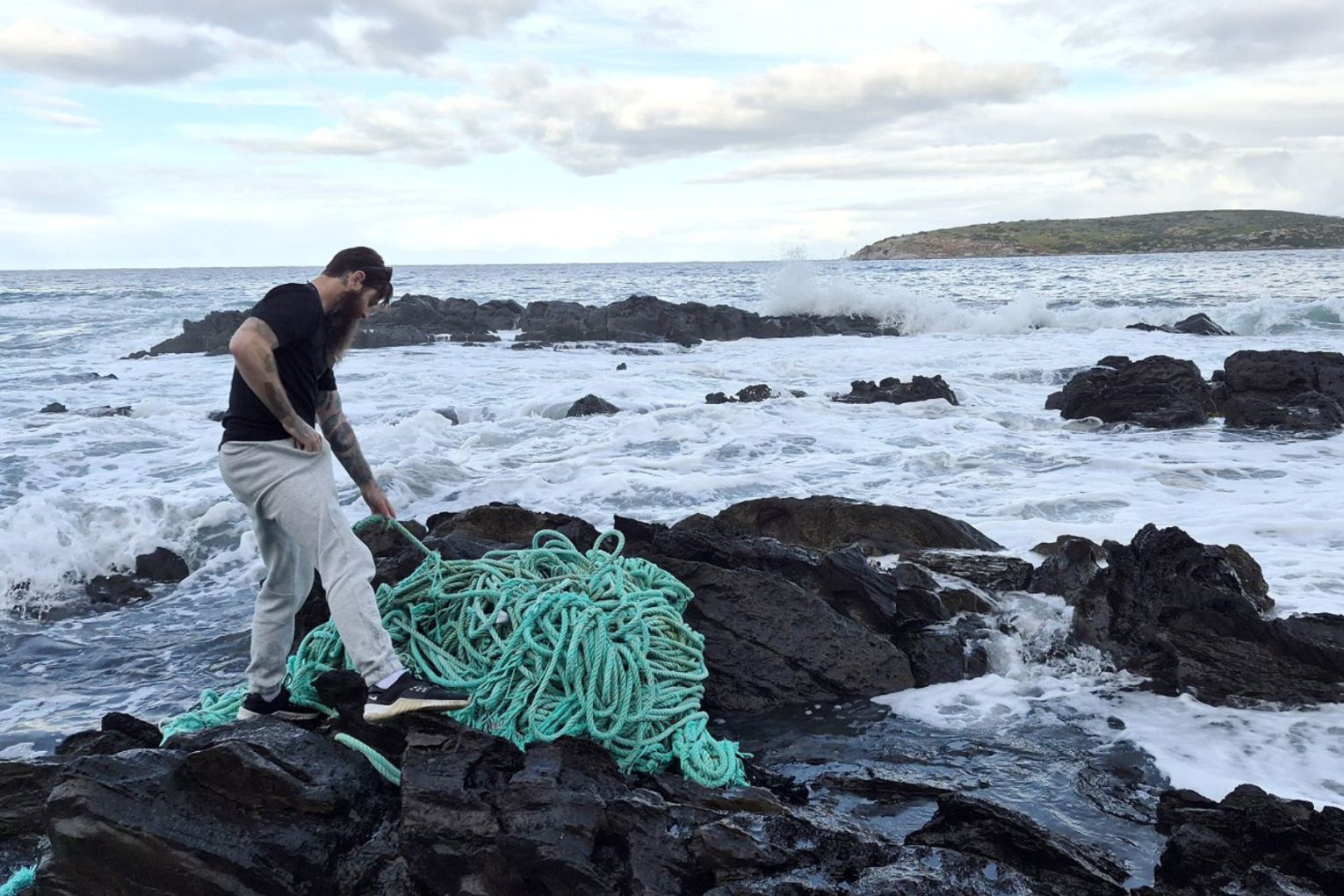
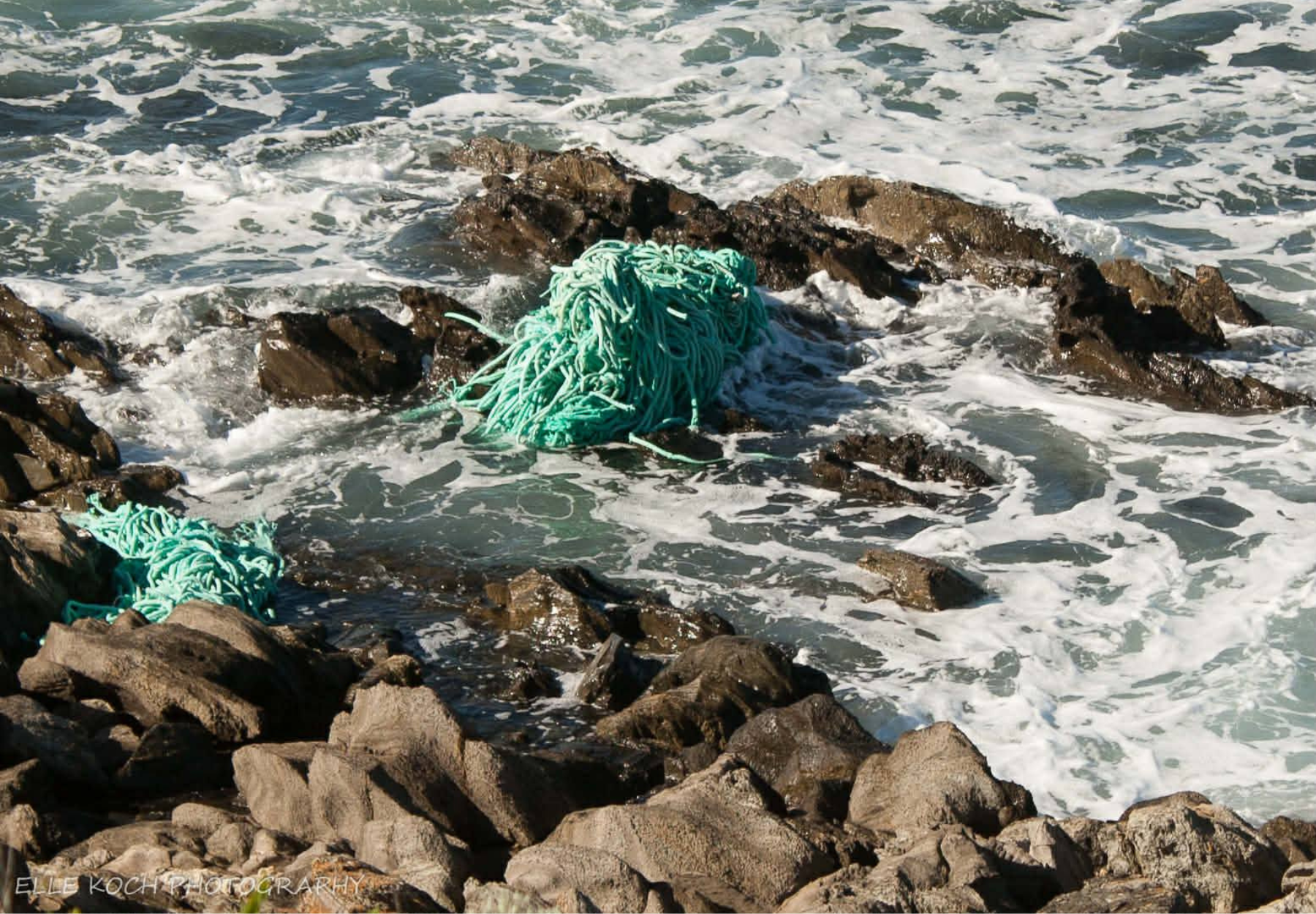
Commercial fishing rope found washed up in Encounter Bay waters by conservationists on Monday morning has prompted fresh calls to reinstate a ban on commercial rock lobster fishing in whale corridors during the whale migration and calving season.
The rope was found near Victor Harbor, between the Bluff and Kings Beach, leading to spokesperson for the Encounter Whales Conservation Group Elizabeth Steele-Collins calling for the ban.
Steele Collins, who is based on the Fleurieu Peninsula, claimed the rope comes from fishing net discarded at sea and made of durable synthetic plastic, risked creating “walls of death, trapping and entangling marine life”.
The Fleurieu Peninsula waters of Encounter Bay are recognised as an established aggregation area for the endangered southern right whale.
Conservationists said commercial fishing was previously banned in the area during whale calving season, but was temporarily allowed during COVID to help struggling fishing businesses.
In 2023, the State Government’s decision to allow year-round commercial fishing was made permanent.
The bay is protected as part of the Encounter Bay Whale Nursery Area, with all vessels required to maintain at least 300 metres from whales under South Australia’s National Parks and Wildlife Act.
You might like

Conservation Council SA chief executive Kirsty Bevan did not comment on the fishing ban call but said stronger protections for nursery areas have contributed to the species’ recovery along the South Australian coastline.
“We have been strong advocates for additional whale nursery protection areas and for maintaining the 300-metre exclusion zones around mothers and calves,” Bevan said.
“We know that close approaches have specific impacts on whale behaviour. Southern right whales use sheltered, near-shore waters and often remain there for extended periods, making them particularly vulnerable to repeated disturbances and cumulative impacts.”
Steele-Collins warned that this progress could be unravelled as the increased presence of ropes and cray pots along the migration corridors heightens the risk of entanglements.
“What’s the point of having a National Recovery Plan for an endangered species and then effectively putting a minefield across its migration corridor during breeding season?” she said.
She added that entangled whales can be easily missed, leading to prolonged suffering and even death for Humpback Whales and the endangered southern rights during their annual migrations.
“If whales aren’t spotted, they’re carrying ropes that can cut into their flesh for life.
Stay informed, daily
“Disentanglement teams do extraordinary work, but these incidents are incredibly resource-intensive and often only happen after an animal is already in distress.”
A PIRSA spokesperson said “strict management arrangements” were in place for commercial rock lobster fishing in South Australia, including “sustainable catch limits, mandatory reporting of interactions with threatened, endangered and protected species such as whales, and a Code of Practice designed to minimise the risk of whale entanglements”.
“Commercial fishers must report all interactions with threatened, endangered and protected species. Any reported interactions are investigated and may result in additional management measures being considered,” the spokesperson said.
“Since reporting of interactions with threatened, endangered and protected species began in 2007–08, there have been no reported interactions with whales in the Northern Zone Rock Lobster Fishery.
“Accordingly, no whales have been reported as requiring disentanglement from Northern Zone Rock Lobster Fishery equipment since the seasonal closure was removed in 2023.
“PIRSA will continue to monitor interactions with protected species and work closely with industry, scientists and the community to support sustainable fishing practices while protecting whales in South Australian waters.”
The calls come as Victor Harbor launches its 2026 Winter Whale Festival program, which celebrates the annual return of the whales to South Australian waters.
Acting Mayor Angela Schiller said that the celebration has been “gradually building to a major event” since it first occurred in 2023.
The list of over 30 events includes self-walking and guided tours, art shows, and, all of which emphasise the importance of protecting the whales and their habitat.
The highlight of the festival is the Kondoli Lantern Parade which will take place on June 20th, featuring costumes, lanterns, live music, dancers and large-scale walking floats through the town centre to Warland Reserve. The parade is based on the Ngarrindjeri Dreamtime story of Kondoli, the whale who gave fire to the people, signifying the Indigenous connection to the ocean and marine life.
Schiller said that an understanding of “conservation of our ocean” is “built into the festival itself”.
“We’re looking at protecting the coastline and encouraging that throughout our community”.
Want to see more stories from InDaily SA in your Google search results?
- Click here to set InDaily SA as a preferred source.
- Tick the box next to "InDaily SA". That's it.