Victoria paid for Glasgow’s Commonwealth Games. It’s not the state’s only recent sporting debacle
It’s a highly unusual Commonwealth Games, hosted in Glasgow and largely paid for by Victorian taxpayers. Is the state’s sporting crown slipping?
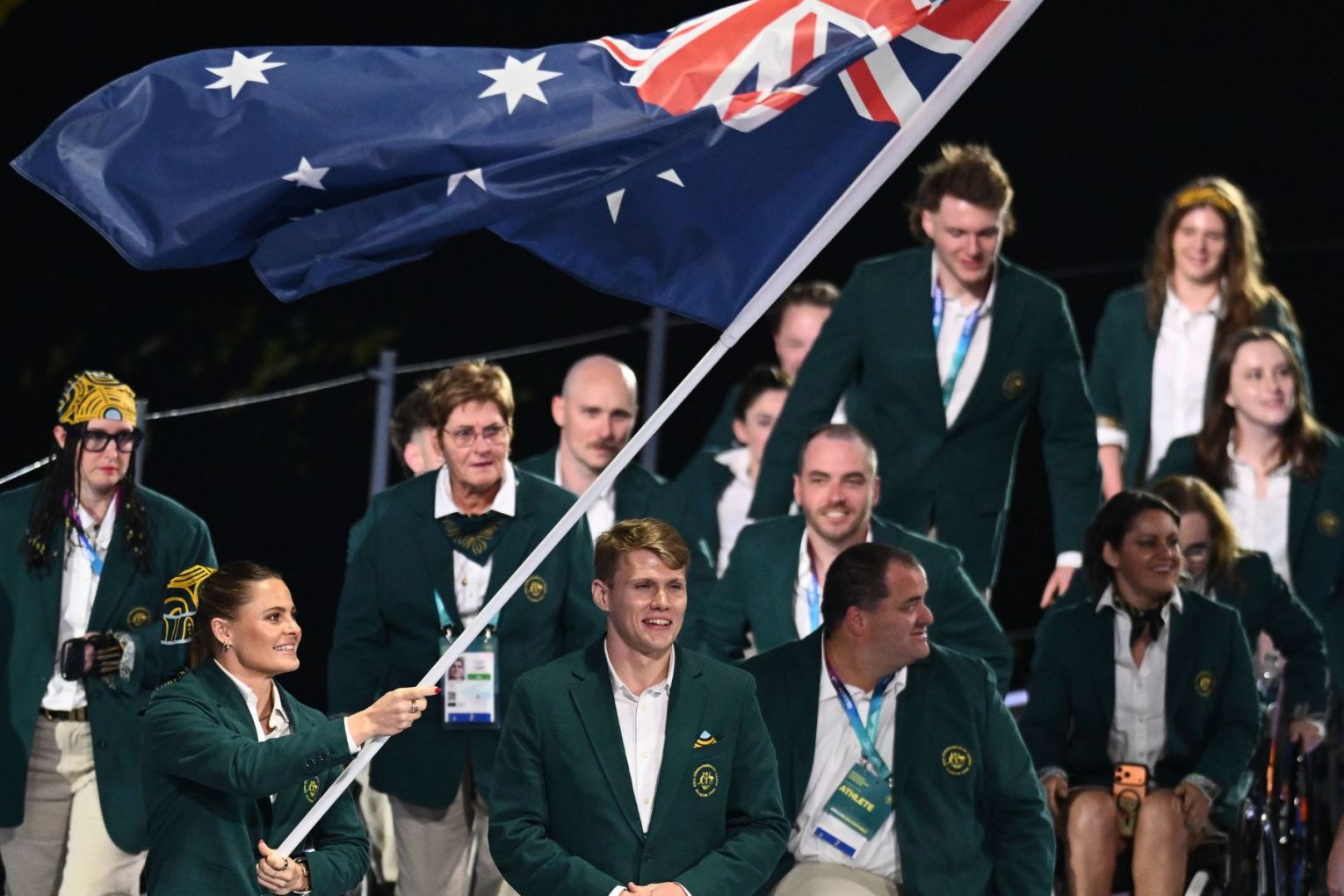
The 2026 Commonwealth Games have started in Glasgow with a stripped-back 10-sport event that is largely funded by Victorian taxpayers.
The Victorian government controversially walked away from its hosting commitments in 2023, citing a projected cost blowout.
Victoria could not envision hosting the games for less than A$6 billion – yet Glasgow is budgeted to deliver the games at about five per cent of this cost: £150 million (A$290 million).
Astonishingly, there is to be no United Kingdom or Scottish taxpayer contribution to the event’s delivery.
Meanwhile, Victoria spent $589 million of taxpayer funds in sunk costs and legal compensation, including about $194 million to Glasgow organisers.
The event’s cancellation has been followed by a string of shifts in the Australian sport landscape that poses what was once an unimaginable question: is Victoria, and Melbourne specifically, losing its “sporting capital of Australia” status?
A strategy born of economic anxiety
The sport and events strategy that built Melbourne’s global reputation was in response to economic anxiety. Through the 1980s, as manufacturing drained out of the inner suburbs of Melbourne, John Cain’s Labor government leaned into sport, events and culture for “economic salvation”.
Melbourne Park, which gave the Australian Open tennis tournament a permanent home from 1988, was the centrepiece. It was described by former events and racing minister Martin Pakula as “a turning point in Melbourne’s development as a global city”.
The approach was supercharged in the 1990s by former premier Jeff Kennett who, amid a brutal recession, rebuilt the city’s identity around major events.
Establishing the Victorian Major Events Company in 1991 created and secured major sporting, cultural and entertainment events for the state and was world-leading at the time. Most famously it prised the Formula One Grand Prix away from Adelaide in 1996.
Victoria’s visitor economy, built around sport and events, is now worth a record $46 billion a year and some 288,000 jobs.
Is this tide turning?
Depending on how you define them, Sydney is now home to the most professional sports franchises in Australia. And the four highest profile sport franchise collapses of the past decade have occurred in Melbourne:
- in late 2023, the Collingwood Magpies withdrew from Super Netball in acrimony
- in early 2024, Super Rugby side the Melbourne Rebels entered administration and are suing Rugby Australia
- in August 2025, the A-League’s Western United was placed into “conditional hibernation”
- in June 2026, Cricket Victoria announced an intention to merge its two Big Bash teams, a decision criticised by many.
Victoria has also found it increasingly difficult to retain some major events: South Australia recently secured the MotoGP race, ending Victoria’s 30-year reign as hosts at Phillip Island.
Victoria was also passed over for major matches at the 2023 FIFA Women’s World Cup, the 2027 Rugby World Cup and entirely for the 2026 Rugby League World Cup.
Notably though, Victoria has secured a historic NFL fixture for September this year.
Other states are stepping up
If Melbourne’s sport and event capital status was itself born of economic anxiety, the rise of other states’ sport economies reflects the strengthening relationship between sport and commerce.
Consider Queensland, which will soon host the 2032 Olympic Games. It boasts the current AFL and NRL premiers and hosts the NRL’s Magic Round.
While Victoria’s economic output was 64 per cent larger than Queensland’s in 1993, Queensland’s economy was only 17 per cent smaller by 2025.
Western Australia, Australia’s most affluent state, constructed Australia’s third largest stadium in 2018 and with it an intention of becoming the “fastest-growing events destination in the South East Asia region”, according to Tourism Minister Reece Whitby.
The state has secured rugby union internationals, Ultimate Fighting Championship (UFC) and major wrestling events.
South Australia, meanwhile, has also upped its game. Not only has it secured the MotoGP, it is home to the AFL’s Gather Round and a highly successful albeit seemingly short-lived LIV Golf event.
New South Wales aggressively attempted to lure the F1 from Melbourne in 2023, inflating the retention price for Victoria (the event was reported to have run at a $100 million loss in 2024).
Racing NSW has also successfully developed Australia’s richest horse race The Everest over the past decade as a competitor to the Melbourne Cup.
Will Melbourne remain known for sport and events?
While Melbourne still comfortably owns the “sport capital” moniker domestically – anchored by the Australian Open, the F1 Grand Prix, the Melbourne Cup and Australian rules football – other states are clearly building genuine sport economies of their own.
This can be a good thing for Australians, with more opportunities to see the best sports in different parts of the country. Nationally, a more competitive events market should lift industry standards but should also sharpen scrutiny of whether major events deliver a genuine return on public investment.
But there’s no doubt Victoria’s reputation has been tarnished by paying hundreds of millions of dollars not to host the Commonwealth Games.
Hunter Fujak, Senior Lecturer in Sport Management, Deakin University and Joshua McLeod, Senior Lecturer in Sport Management, Deakin University
This article is republished from The Conversation under a Creative Commons license. Read the original article
Want to see more stories from InDaily SA in your Google search results?
- Click here to set InDaily SA as a preferred source.
- Tick the box next to "InDaily SA". That's it.