‘Not good enough’: Former SA ombudsman on police shooting call
Former police watchdog Michael Grant wants an independent body to monitor police shootings after a woman was shot dead in Adelaide last week.
The police force, like any trade, calling or profession is made up of individuals who may vary widely in ability, intelligence and integrity. The perception that all police officers will be brave, and unheeding of their own safety, while running into the face of danger to save the public, is an idealised one.
Some do indeed behave heroically, and there are many conspicuous examples. But, police officers are human after all. All of the foibles and limitations of the human condition will be present in individual officers throughout the police force. Our own experience will inform us that this is the case, too, in all occupations and professions. Secular saints are rare, whether it is in law, or medicine, nursing or firefighting.
The shooting dead of a 63-year-old woman by police in Adelaide very recently, should cause all of us to reflect. This was an event which shocked us, and if some were not shocked, they ought to have been. The event poses the question of whether the best way of dealing with an elderly woman wielding an axe was to shoot her and kill her.
The people who will investigate this shooting are themselves police officers. They are the ones who will prepare a report for the Coroner. But we already know the result prior to the investigation and the preparation of the report. We know because the Acting Commissioner has told us that she has viewed the police camera footage herself and decided that the police who did the shooting behaved appropriately.
This invites the question of whether those police officers who perform the formal investigation might be perceived as unlikely to be willing to contradict the public statements of the leader of the police force on such a question of vital public importance.
You might like

The notion of apprehended bias is well understood in the law. A judge may be, in fact, the personification of impartiality, honesty and integrity. However, if there might be an apprehension in the mind of a fair-minded lay observer that a judge might not act impartially in a case, then the judge should recuse herself or himself from sitting.
The principle behind this legal norm is that it is vital that the public have confidence that legal controversies will be decided, and justice dispensed, in a fair, equitable and impartial matter. Public perception in that regard is fundamental to the successful operation of our legal system.
So too with our police force. As with the administration of the law, it is vital that the public have confidence in their police force if that force is to be effective. When a member of the public is shot dead by the police, it is natural that the public would want to feel they can be confident that a police shooting was justified, and was indeed the only option open.
The public being told by the Acting Commissioner that there is no cause for concern and that the police themselves will confirm that by investigating a shooting by one of their own is not calculated to inspire such confidence.
Stay informed, daily
In England, Wales, Scotland and Northern Ireland, any investigation of a police shooting is under the automatic control and supervision of an independent agency. Closer to home, New Zealand has the Police Conduct Authority which is headed by a judge or retired judge and acts independently of the police. Among other duties, the authority will investigate police actions which cause death or serious harm. In New South Wales, the Law Enforcement Conduct Commission monitors critical incidents such as police shootings.
The situation in this state is not good enough. All investigations of police shootings, fatal or otherwise, should be closely, and actively, monitored by an independent body.
We have the Office for Public Integrity. We have the ICAC. We have the Ombudsman.
Why not legislate to make it the duty of one or other of those bodies to always closely and actively, and independently, monitor police investigations into police shootings? The body with such a duty would have power to observe the interviews of the shooter and any police or lay witnesses, the power to confer with investigating officers about the conduct of the investigation, the power to demand reports on the progress of the investigation and the power to direct a particular course that the investigation ought to follow.
We don’t know yet whether the victim of the Firle shooting was experiencing a mental health episode or other recent distress.
We know she has a family and friendly neighbours who speak for her. We can also be sure that the police officers concerned will be suffering trauma as a result of such a dreadful incident.
I have no doubt that the Acting Commissioner’s statement was well intentioned. As a highly competent professional she would be, undoubtedly, aware of the importance of public perception, and wish to reassure the public that all was well.
That might be better achieved, however, by resisting the temptation to reveal her personal assessment of the merits. Perhaps it would be better, simply, to inform the public that the shooting will be investigated thoroughly and impartially and a report prepared for the Coroner.
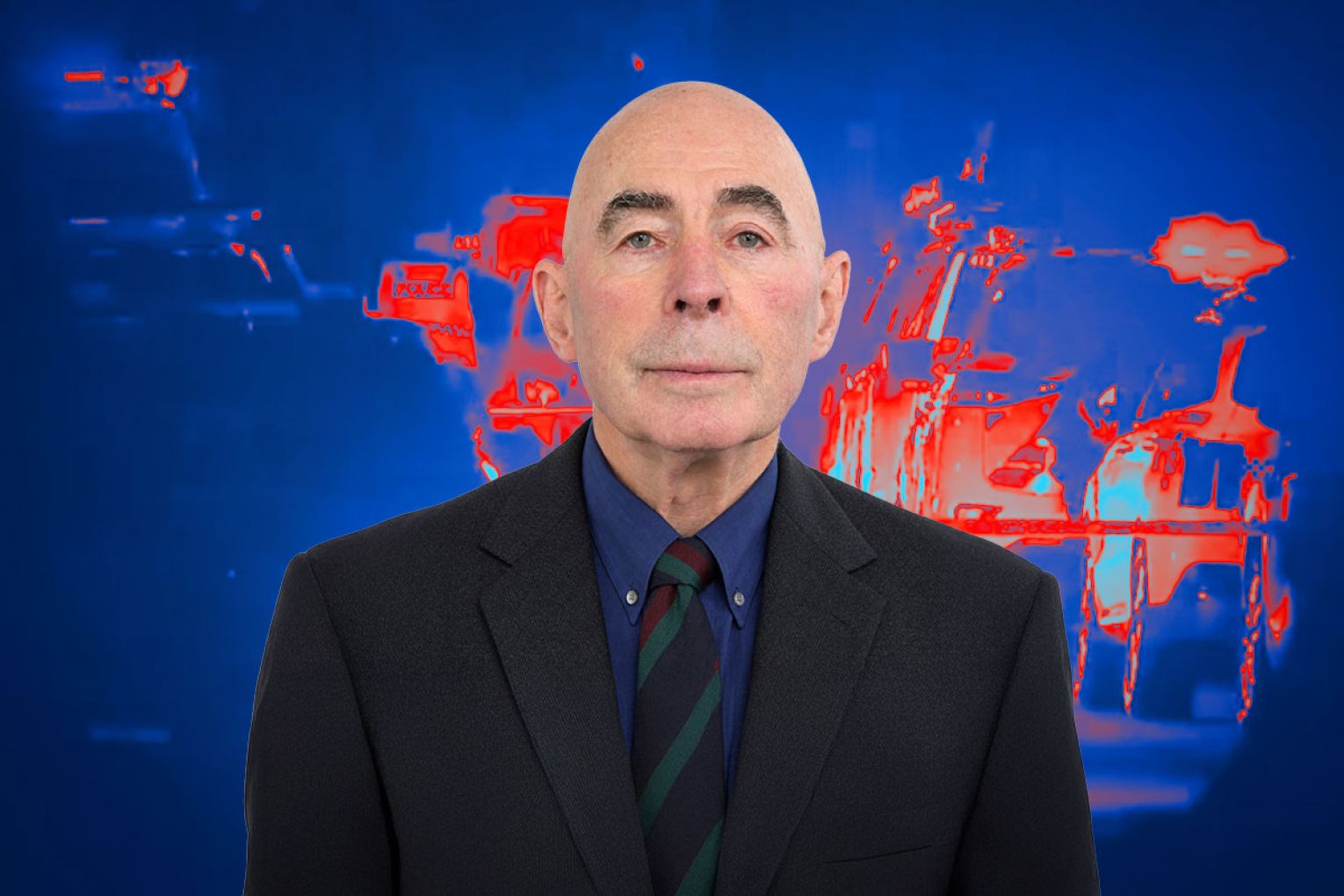
Michael Grant is the former Acting Police Ombudsman from 2015 to 2017.
Want to see more stories from InDaily SA in your Google search results?
- Click here to set InDaily SA as a preferred source.
- Tick the box next to "InDaily SA". That's it.