‘Enough with the graphs, I want more human stories’ – Adelaide science writer as COP31 looms
Adelaide failed in its bid to hold COP31 from November 7, but our researchers remain immersed in battling climate change. Sarah Keenihan wants grim data stories reimagined.
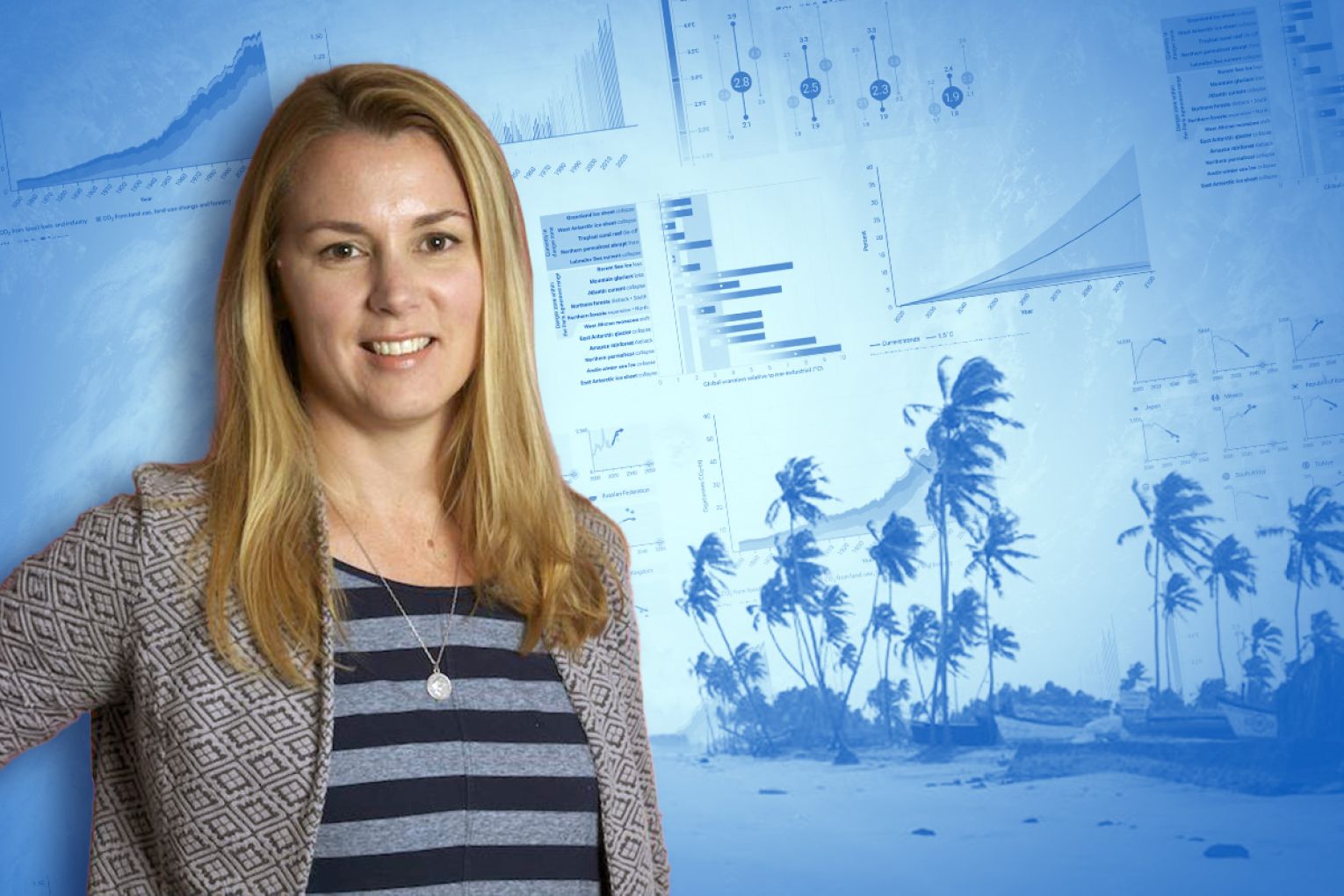
COP31 is upon us, and my algorithm is full of climate change data.
You know the graphs I’m talking about. Lines showing the slow upwards creep of global greenhouse gas emissions post-1850. The temperature bars that grow progressively taller – and usually transition from calming blue to intense red – as the years pass by.
For me, this kind of information brings on a wave of emotions. I read the numbers; they register in my brain. Then, the feelings hit. Sadness. Anger. And pretty soon, powerlessness.
“What am I supposed to do now?!” I feel like shouting at my screen.
Don’t get me wrong – it’s not that I doubt the validity of the information. The evidence is compelling: human activities have changed and continue to change the Earth’s land, water and atmosphere. I know it’s real.
It’s just that when I witness increasingly grim data, the scale of the change required to make the numbers stop … well, that feels completely out of my reach.
We need fresh ways to talk about climate change. Ways that inspire connection and local empowerment. Ways that feel essentially human.
Let’s start talking about climate change as a social issue – a problem not just of maths, but of community.
Here’s an example. Adelaide University’s Ania Kotarba-Morley recently returned from a Pacific Climate Change conference (the pre-pre-COP) in the Solomon Islands.
You might like
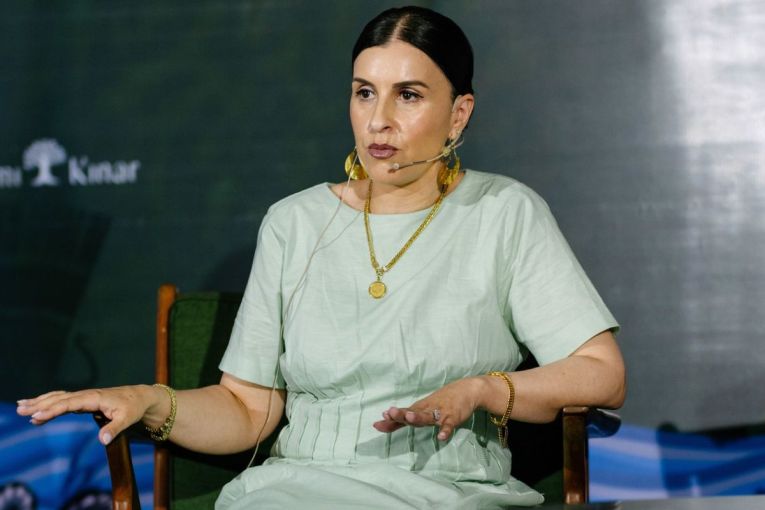
People there were not just talking about climate graphs. Instead, their attention was primarily focused on matters right in front of them.
Climate change exists in the present tense for Solomon Islanders. Things like coastal flooding and sea level rise. Cyclones that hit more often, and much harder. Saltwater intrusions. Heat impacts on people and resources, such as faster spoiling of fish at the local Honiara market. Such incidents are part of the daily grind.
“During my trip I heard real experiences of loss, of grief, of trauma and of despair,” Ania says.
“It’s heartbreaking; climate change is a lived reality for people in the Pacific.”
Ania is an archaeologist and environmental scientist who looks at how climate change and extreme weather events threaten our cultural heritage, including irreplaceable archaeological sites, ancestral graves, cherished ecosystems and human-tended landscapes.
Along with local and national collaborators, she’s recently been awarded significant funding to examine how we should prepare for and manage the psychological distress associated with such heritage loss.
“The emotions people in the Pacific are grappling with right now are the same emotions we will be feeling here in Australia as climate change increasingly damages the things we value the most over the next decade or so,” Ania says.
“We need to hear these stories so we can actually believe it.”
As an environmental psychology scientist, Adelaide University’s Brianna Le Busque is used to thinking about emotions. What she wasn’t prepared for was the deluge that poured in when she launched a study examining human experiences of South Australia’s harmful algal bloom.
“The survey went out in July 2025, and within two to three weeks we had 600 responses back, from all sorts of different people,” Brianna explains.
While a psychological scale was used to detect elevated levels of anxiety and grief experienced by respondents, to Brianna it was the stories people entered into the open box section of the online form that were particularly memorable.
“One person described the effects of the algal bloom as being similar to the death of a loved one,” she says.
Stay informed, daily
“Another said the bloom made him realise that surfing wasn’t just a fun thing to do in his spare time; it was actually vitally important for his mental health.”
Climate change data is nebulous for many Australians – a far-off, abstract matter of chemistry and physics and mathematical computer modelling.
“But when changing environments stop people from doing something they love, like swimming or dog walking, it suddenly becomes real,” Brianna says. “That’s why we need to share stories.”
Anthropologist Amy McLennan has spent her career studying people and how they behave.
“Storytelling sits at the heart of humanising conversations and connecting people,” she says. “It’s how we understand what we have in common.”
Holding academic positions at Australian National University and Adelaide University, Amy specialises in pulling different kinds of experts together to make sense of disruptive events. She was a co-founder of the Algal Bloom Shed in 2025.
“The Algal Bloom Shed is a new piece of social infrastructure we built by accident, based on a plan written on the back of a napkin,” Amy laughs.
“It’s a kind of gathering place for people who have skills relevant to understanding the scientific and social complexities of South Australia’s harmful algal bloom – and a starting point for telling different kinds of stories.”
Yes, science stories. But also, health stories. Tourism stories. Fishing stories. And more.
“By sharing stories, we can better understand, confront and process change, as well as imagine different futures,” says Amy.
It’s not just academics in Adelaide saying stories are important.
A recent review article pulled together 71 international studies involving over 200,000 individuals to get an overall picture of how communication strategies had a positive influence on people’s intentions, behaviours and support of policy to address climate change.
The most effective strategies? Those that promoted stronger emotional engagement with climate change through storytelling or inducing awe related to the beauty of nature.
So take this article as a prompt. If you’re feeling overwhelmed by climate news over the coming weeks, take care of your mental health.
Get into nature. Call a friend and go for a beach or tree-filled walk. Keep immersing yourself in stories that remind you of the world as you want it to be.
And maybe then, together as a community, we might start getting somewhere on this colossal human challenge that is climate change.
Ania Kotarba-Morley, Brianna Le Busque and Amy McLennan featured on the Stories of Change panel at Nature Festival SA’s Climate, Resilience and Community Forum held at Adelaide University.
Sarah Keenihan is a former research scientist, a science writer and a postgraduate student at the Australian National Centre for the Public Awareness of Science. She is on the Advisory Board at the Environment Institute, Adelaide University and a member of the Environment Advisory Committee, Surf Life Saving SA.
Want to see more stories from InDaily SA in your Google search results?
- Click here to set InDaily SA as a preferred source.
- Tick the box next to "InDaily SA". That's it.