Adelaide literary judge speaks out after hearing Randa Abdel-Fattah at Bali festival
David Sly worries that the energy directed to stopping Abdel-Fattah speaking publicly in Adelaide risks having discourse on controversial issues silenced.
Calls to ban people from speaking publicly because it is feared they may cause offence – before they have uttered a word – takes a dangerous step towards using censorship as a silencing weapon.
Especially if the accused person – Palestinian/Australian author Randa Abdel-Fattah – then fails to resort to offensive language, issue threats or present any danger to others when she does speak in public.
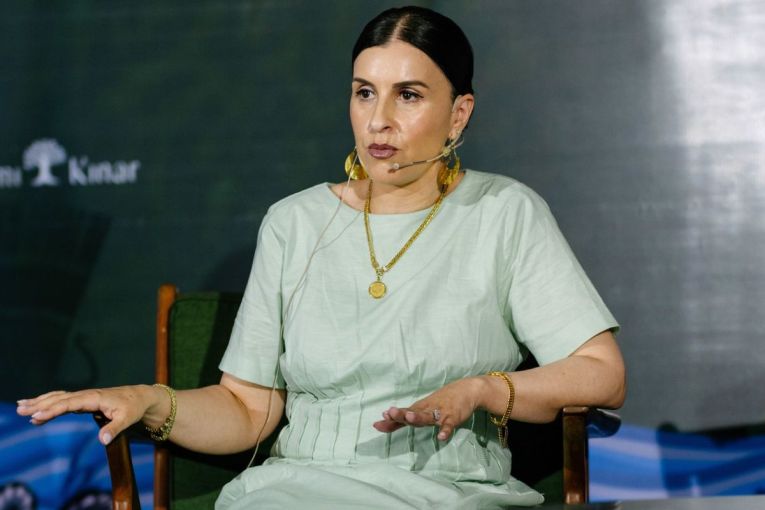
I’ve just returned from the 2026 Ubud Writers and Readers Festival, where I was presenting as a moderator for several sessions featuring Australian and international authors, and during the four-day festival, I witnessed three hour-long sessions that featured Randa Abdel-Fattah, with each at-capacity event attended by hundreds of people who had purchased festival tickets.
I was curious to learn first-hand why this author was deemed a threat by the previous board of the Adelaide Festival, and continues to be a target of protest, as reported by The Advertiser on October 5.
At no stage during these sessions at the Ubud festival, or when talking afterwards to festival patrons or signing copies of her novel Discipline, did Randa Abdel-Fattah declare any threats or resort to violent rhetoric.
Yes, she is angry and distraught at the plight of Palestinians and demands greater attention to their plight, but she offers an energetic, emotive view that broadens debate and provides information through a different lens on the continuing warfare and violence in Gaza.
Yes, she has harsh criticism of Zionism (at no point did she specifically mention Jewish people), but she provided measured, considered and carefully worded views. Her language was hot, but never hysterical.
In the aftermath of hearing Randa Abdel-Fattah speak, it seems deeply worrying to me that so much energy is being directed to stop her from speaking publicly at events such as Adelaide Writers Week, which, since its inception in 1960, has provided a robust platform for rigorous debate and discourse on diverse issues.
If this author is deemed dangerous and is silenced, simply for having a strident point of view, then all public discourse on sensitive and controversial issues is in danger of being shut down and silenced.
Stay informed, daily
Ubud Writers and Readers Festival Founder and Director Janet DeNeefe emphasised the importance of this situation in the closing address at her festival. “We want to hear different perspectives,” she said.
“Good arguments deserve to be heard. It you ban someone’s voice today, then tomorrow there will be pressure to silence yours.”
Opinions about the merits of Randa Abdel-Fattah’s views need to be assessed on what she actually says at literary festivals and in the books she has written.
David Sly is an Adelaide journalist, author and a judge of the annual MUD Literary Prize for Best Australian Debut Novel, presented each year at Adelaide Writers Week. He has moderated sessions at writers’ festivals in Adelaide, Ubud and Byron Bay over the past 15 years.
Want to see more stories from InDaily SA in your Google search results?
- Click here to set InDaily SA as a preferred source.
- Tick the box next to "InDaily SA". That's it.