Most SA docs trained overseas: Why our health system could collapse without migrants
‘See a migrant doctor or no doctor at all’. The state’s peak medical body chief reveals the startling numbers of overseas trained doctors and nurses keeping our hospitals operating.
Last week, at a speech to the Sydney Institute, Premier Peter Malinauskas warned against a ‘political race to the bottom’ on migration.
For healthcare, his remarks go to the heart of a difficult question: where would Australia’s health workforce come from if migration were substantially reduced?
South Australia has ambitious plans to grow. The Premier has said the state needs an additional 2,000 skilled migrants a year to build submarines, mine copper and support major projects. Every one of those workers will need a GP.
So will their partners children and parents. Every growing community will need nurses, paramedics, specialists, aged care workers and allied health professionals.
The two conversations should go together.
The reality is that healthcare already relies heavily on overseas-trained doctors. They account for more than half of Australia’s medical workforce, with even higher proportions in many regional communities.
You might like


For many people living in South Australian country towns, the choice is not between a local doctor and a migrant doctor. It is between a migrant doctor and no doctor at all.
The story is similar across the broader health workforce. Roughly 43 per cent of newly registered nurses were trained overseas in the year to June 2024. Around one-third of workers in residential aged care were born overseas.
Migrants clean our hospitals, staff pathology laboratories, provide disability services, drive patient transport and answer triage phones.
Any policy that reduces the flow of health professionals into Australia will be felt across the health system. It means longer waiting lists, greater pressure on emergency departments and increasing difficulty staffing regional services.
"The next time you are treated in an emergency department, consider how many of the people caring for you may have trained overseas. Then consider what your care might have looked like without them."
None of this means Australia should be permanently dependent on overseas-trained health professionals.
Stay informed, daily
Medical Deans ANZ, which represents medical schools across Australia and New Zealand, has long made the case that Australia should train more of its own doctors, in the places and specialties where need is greatest.
This is a position AMA SA supports.The extent of our reliance is clear. In 2024-25, just 46 per cent of doctors registering to practise in Australia for the first time were graduates of Australian medical schools. The majority were trained overseas.
In the long run, that is not sustainable. Recruiting heavily from countries with health workforce shortages of their own also sits uneasily with the WHO Global Code on the International Recruitment of Health Personnel.
But training doctors takes time, a decade or more. The community’s needs are now.
For the foreseeable future, Australia must rely on a well-supported intake of overseas-trained clinicians while taking active steps to build a larger domestic pipeline of medical graduates.
Here in South Australia, that means making sure we remain an attractive destination for the doctors, nurses and other health professionals we will continue to rely on for years to come.
AMA SA, backed by the state’s cultural medical associations, has put the fixes on the table: streamline registration processes, reduce unnecessary delays, invest in GP training grants, and provide stronger settlement and professional support.
Make South Australia a destination of choice rather than a stopover.
Australians are entitled to a respectful debate about the size and shape of the migration program. That is a legitimate argument and it is not the AMA’s to settle.
But the debate should start from the facts about who is already holding the system together.
The next time you are treated in an emergency department, consider how many of the people caring for you may have trained overseas. Then consider what your care might have looked like without them.
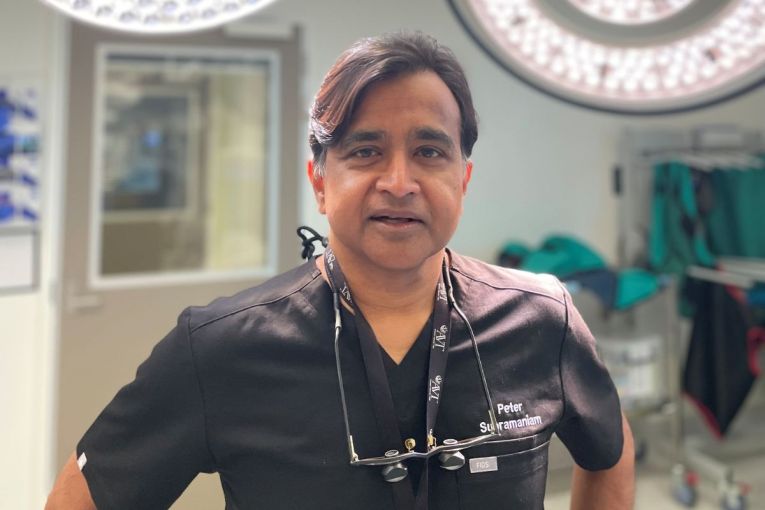
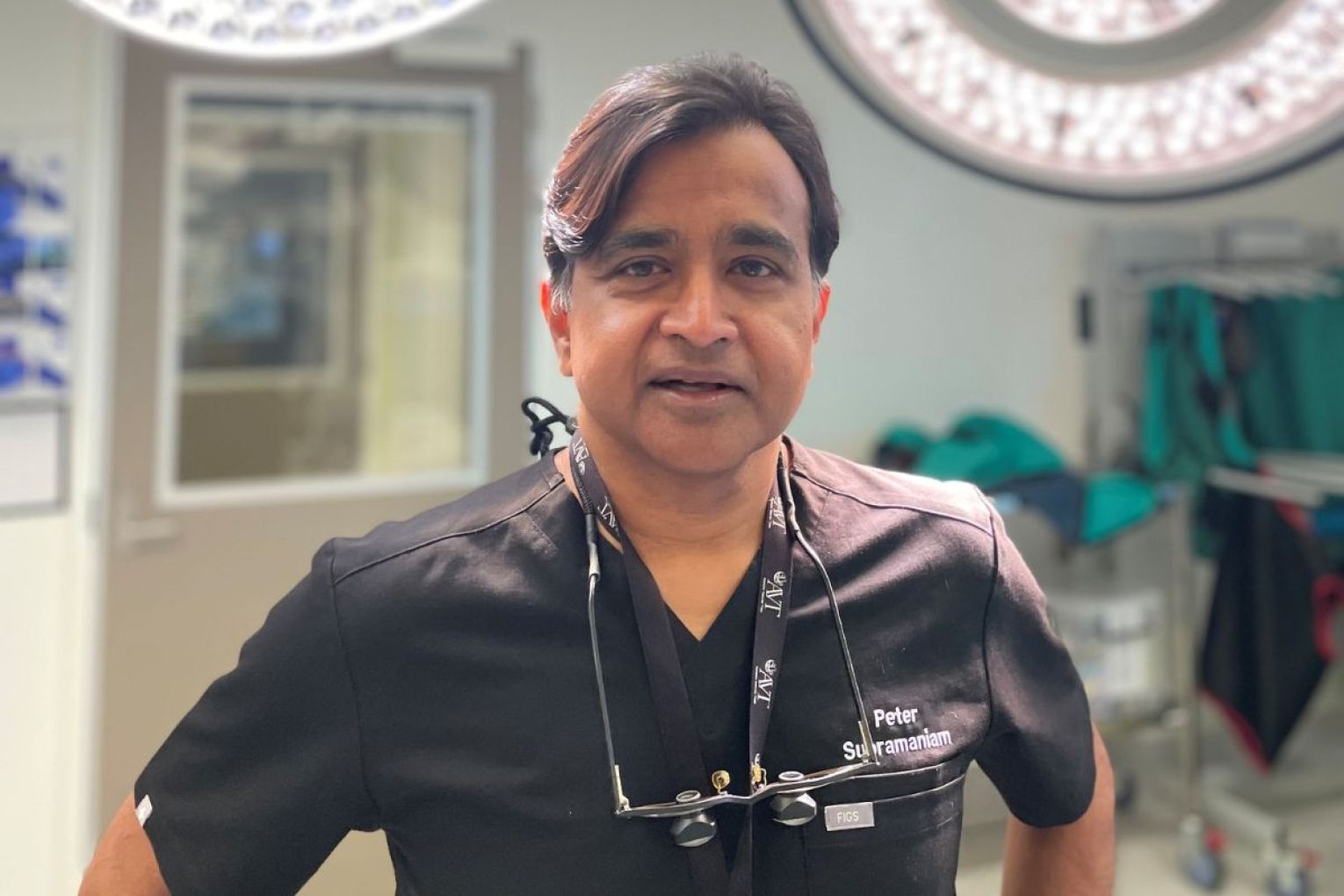
Associate Professor Peter Subramaniam is the AMA SA President
Want to see more stories from InDaily SA in your Google search results?
- Click here to set InDaily SA as a preferred source.
- Tick the box next to "InDaily SA". That's it.