Campers pitch tents at fire-ravaged Deep Creek as researchers make unique discovery
The Attorney-General has unrolled his swag at a Fleurieu Peninsula park recovering from devastating bushfires – as Adelaide researchers find a unique way to save struggling wildlife.
As recovery efforts from the devastating Deep Creek bushfire continue, a group of Adelaide academics have created a unique contraption to help feed native animals impacted by fire engulfing their habitat. The popular national park is now seeing campers return but in smaller numbers than in previous years.
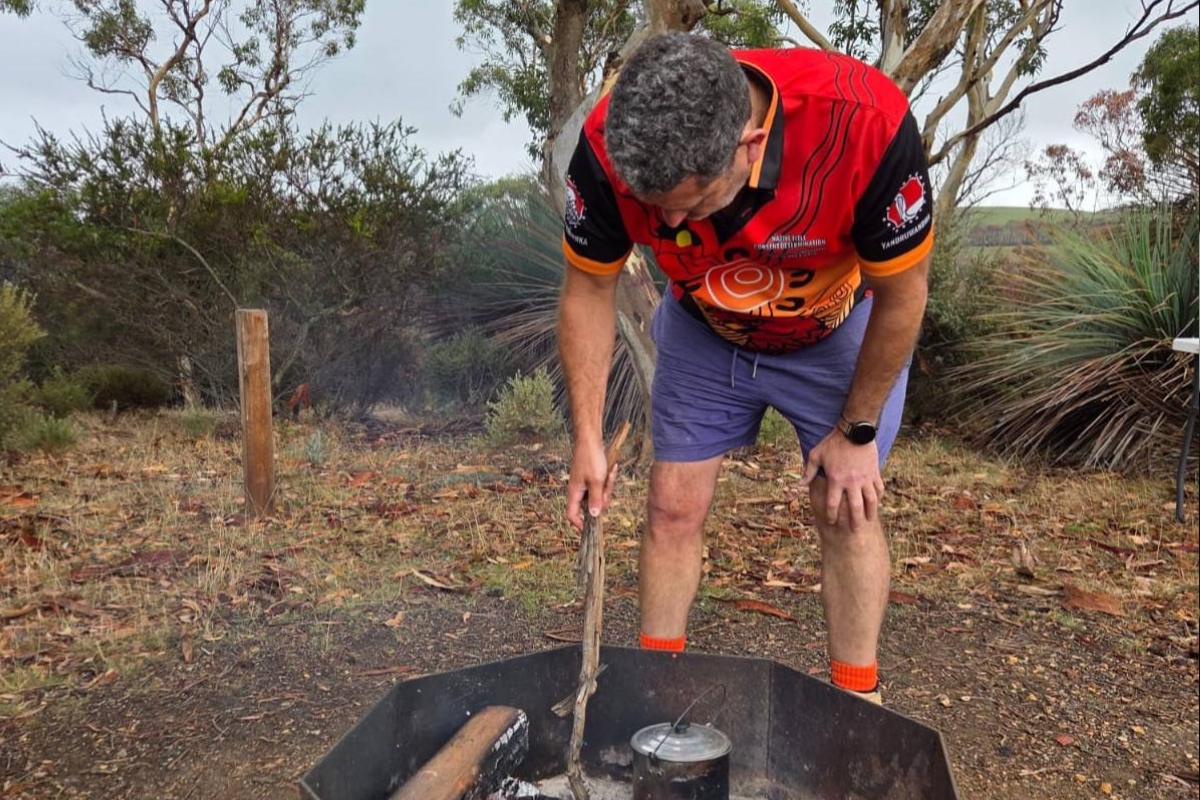
Acting Premier Kyam Maher holidayed at Deep Creek with his family over Easter saying he was grateful to firefighters who managed to save some 60 per cent of the Deep Creek National Park.
Maher encouraged South Australians to explore “the beauty that our natural environment provides in places like Deep Creek” saying he had camped with family at Deep Creek a few times and spent time hiking and visiting beaches.
“Over Easter, the family rolled out swags and spent a couple of days at Deep Creek. We saw parts of the National Park that were impacted by the fires already coming back to life,” he said.
According to the Environment and Water Department, the recent Fleurieu Peninsula fires had a “significant impact” on local landscapes and native species, burning more than 4500 hectares, including about 40 per cent of Deep Creek National Park.
Initial assessments indicated that about half the habitat of the endangered southern emu-wren and western beautiful firetail was affected, as well as about 40 per cent of the southern brown bandicoot’s park habitat.
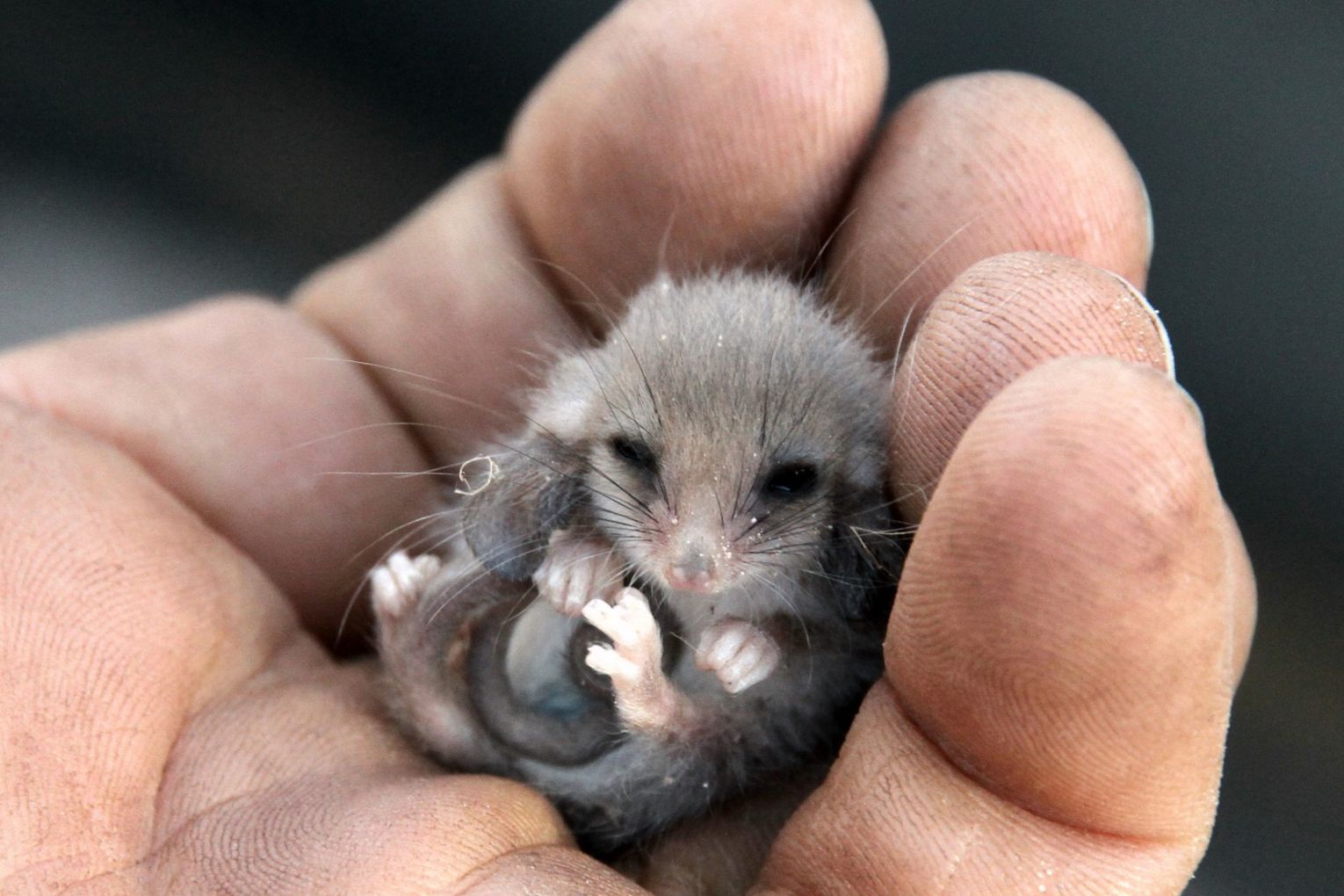
After the fire, around 500 kangaroos were also visually assessed, with a small number euthanised due to severe injuries. Some possums were also impacted including the tiny pygmy possum that can fit in the palm of a human hand.
You might like


“The Wildlife Recovery Fund – a Nature Foundation and state government initiative – has been established to help support projects that increase resilience of habitats damaged or destroyed by fire and give endangered species the best chance of recovery in the region,” a department spokesperson said.
“Action is also underway to support the Hills and Fleurieu Landscape Board and landholders to undertake vital recovery work on the ground.”
Most campgrounds except Wuldi Krikin Ngawanthi – Eagle Waterhole Campground have now reopened, but the number of campground bookings was slightly down, with 700 at Deep Creek this Easter period compared to 961 in 2025.
“To get most of the park open to the public as soon as possible, staff undertook extensive remediation work, including removing hazardous trees from visitor areas and replacing damaged fences, signs and trail markers,” she said.
“Updated signage is also being installed to provide visitors with access information.”
The recovery efforts come as wildlife ecologist and Adelaide University associate professor Dr Topa Petit recently led a research project to find a way to feed animals when their habitat was destroyed by bushfires.
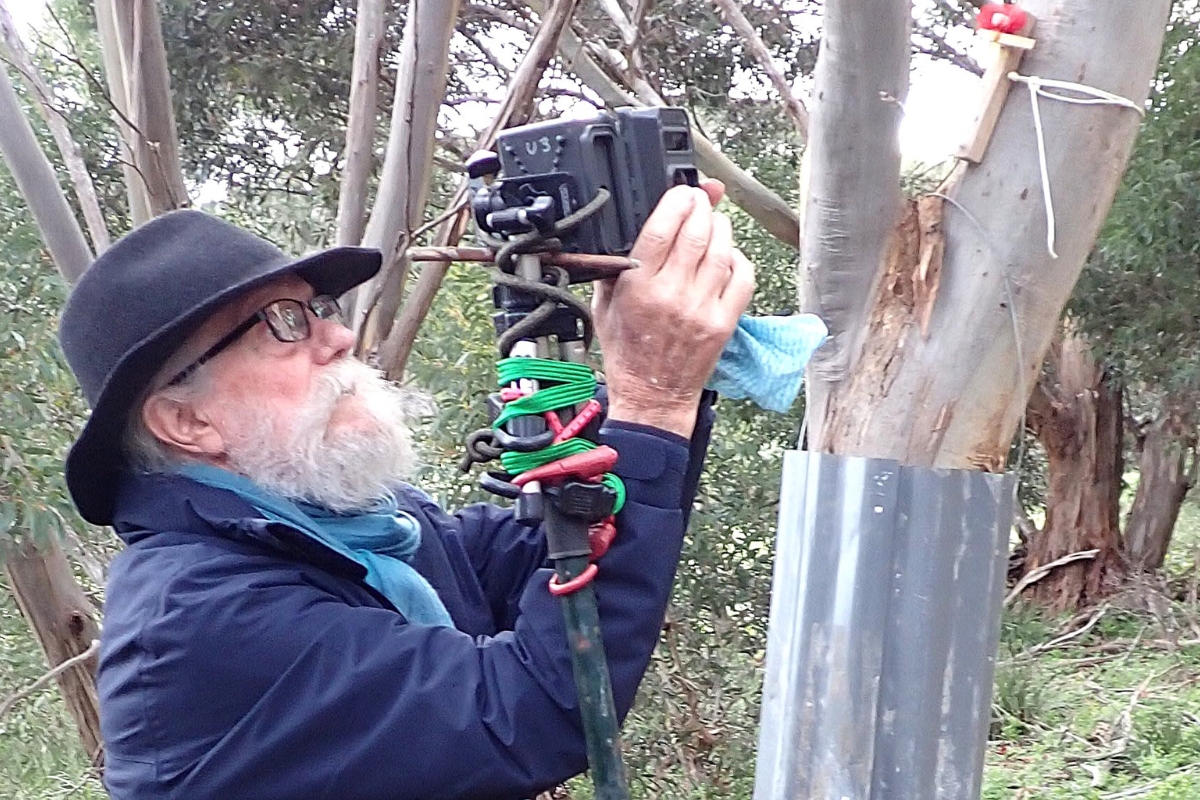
Invented by her colleague Bernard Stoner, the simple device is made from recycled glass bottles and a vial with a screw-on cap.
Stay informed, daily
The contraption contains a nectar formula attractive to species like the pygmy possum, brushtail possums, several bird species, New Holland honeyeaters and even marbled geckos – the first time this species has been observed to eat nectar.
Petit said that the device could have been used after the Deep Creek fires, but that it was a matter of timing.
“If you do that months afterwards when everything’s dead, there’s no real point,” she said.
“So, that potentially, depending on what species are there, could have been useful for some species if there had been prior planning, so that people knew how to do it, when, where, etc.”
Petit told InDaily that after the devastating 2019/20 Kangaroo Island bushfire, many locals and holidaymakers tried to help suffering animals by feeding them. But despite their good intentions, the food was inappropriate for the surviving animals.
“People really wanted to help. You know how it is – it’s so tragic and shocking. So, people started feeding wildlife, but not necessarily in the correct way,” she said.
“Because of the damage of the bushfires and what was going on, we wanted to try and do something in the correct way and investigate what the best way was to feed some of the wildlife.”
Petit and Stoner published the results in an academic study titled Erratum to: Artificial nectar supplementation after wildfires – proof of concept, which focused on the endangered western pygmy possum.
The study found “that a post-fire artificial nectar deployment program was possible owing to the practicality of the feeder, its acceptance, and the consumption of artificial nectars by a diversity of vertebrates, with the proviso that recipe affects preference”.
However, Petit and Stoner found there were some issues with the invention, including that certain species, such as the New Holland honeyeater, tended to dominate, and that it would require a large-scale operation by a government department to be effective.
Want to see more stories from InDaily SA in your Google search results?
- Click here to set InDaily SA as a preferred source.
- Tick the box next to "InDaily SA". That's it.