‘No, that is definitely not a western pygmy possum’: New species alert in Yorke Peninsula
A rare marsupial species may be living in southern Yorke Peninsula after closer scrutiny of decades-old evidence was unearthed in an Adelaide University study.
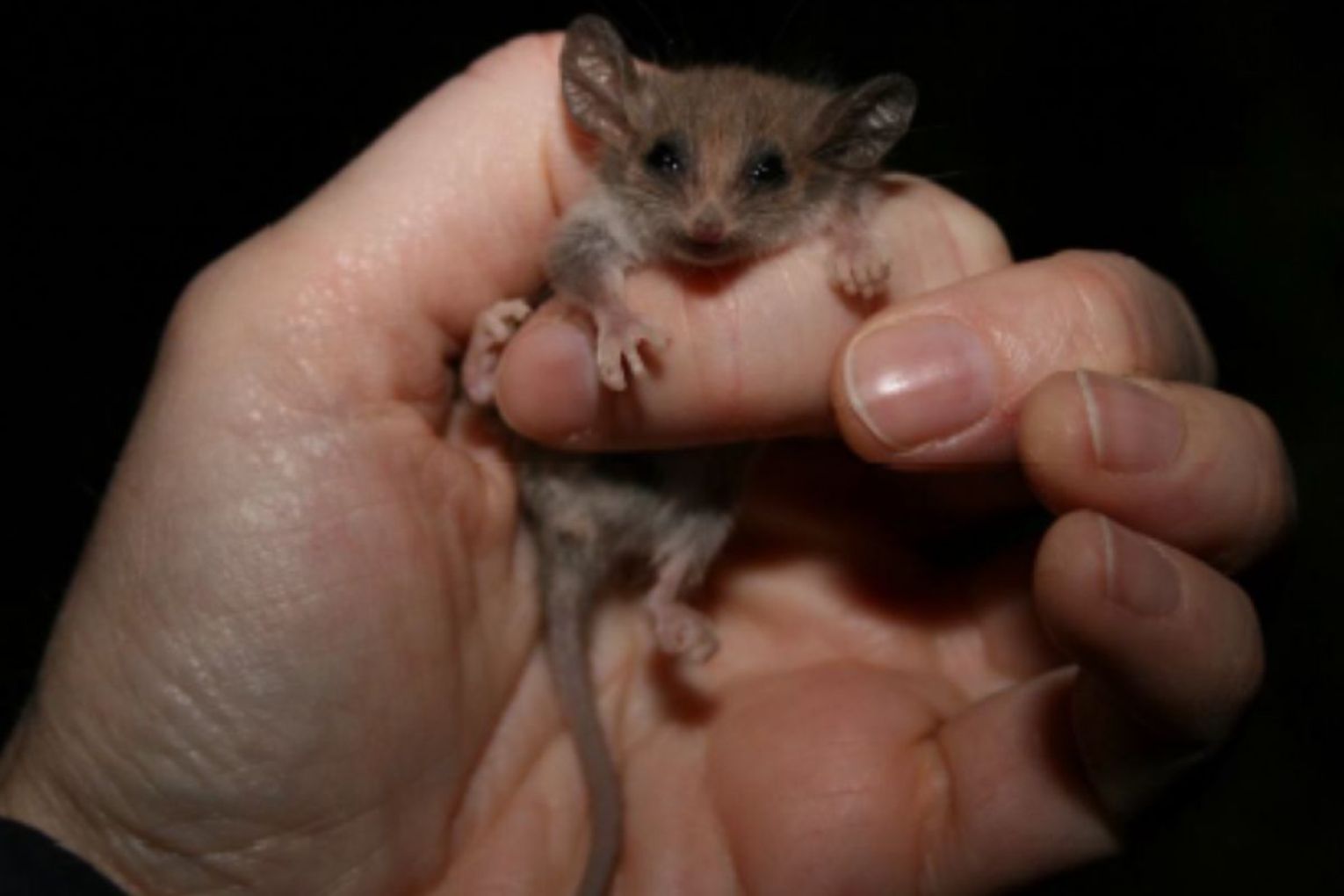
A new review of a study conducted between 2004 and 2011 has found ground-breaking evidence that two animals photographed in December 2006 are now believed to be little pygmy possums, currently only known to exist in Tasmania, western Victoria, south-east SA, and Kangaroo Island.
There are no historical records to suggest the species inhabited Yorke Peninsula, but new evidence published in the Australian Zoologist and based on a recent review of photographs taken during trapping surveys, showed they may exist in the Dhilba Guuranda–Innes National Park — 200 kilometres west of Kangaroo Island.
Lead author of the study Dr Sophie Petit said the discovery was “a big surprise”.
“One day we discovered these very strange pygmy possums that looked a bit different, so different we now believe they were little pygmy possums,” Petit said.
The team believes they had incorrectly labelled the possums as juvenile western pygmy possums because they hadn’t expected to discover a new species on the Yorke Peninsula.
You might like


“Recently, when I looked at the photos again, I said ‘no, that is definitely not a western pygmy possum’.”
Despite their similarities, Petit said there were key defining features that set the two possums apart.
The little pygmy possum is the smallest possum to exist, weighing between seven and 10 grams, and the western pygmy possum was slightly heavier at an average of 13-14 grams.
Different coloured fur was also a key indicator, with the little pygmy possum having grey ventral fur and the western pygmy possum white ventral fur.
Stay informed, daily
Dr Petit believed populations of the species could still be inhabiting the southern end of Yorke Peninsula where there is still natural vegetation.
“I am concerned of course, because they were very rare at the time and a lot of time has elapsed since,” she said.
If verified, the Yorke Peninsula population would represent a previously undiscovered relict population potentially isolated for thousands of years due to rising sea levels that separated Kangaroo Island from the mainland.
The study raised concerns about the impacts of habitat fragmentation and prescribed burns which have frequented the Dhilba Guuranda–Innes National Park area.
Petit has recommended that prescribed burns in the area be reassessed due to the little pygmy possums sensitivity to vegetation disturbance.
She also sent recommendations to a current restoration project, Marna Banggara, that aims to return locally extinct species to the southern Yorke Peninsula.
“We have given all the information to the national parks and I’m hoping that they can get some funding together to do a targeted survey as soon as possible.”
Want to see more stories from InDaily SA in your Google search results?
- Click here to set InDaily SA as a preferred source.
- Tick the box next to "InDaily SA". That's it.