SA company makes Hail Mary sale to untangle fertiliser project from red tape
A much-needed outback fertiliser project is lingering in regulatory limbo as the nation’s farmers pay through the nose for urea.
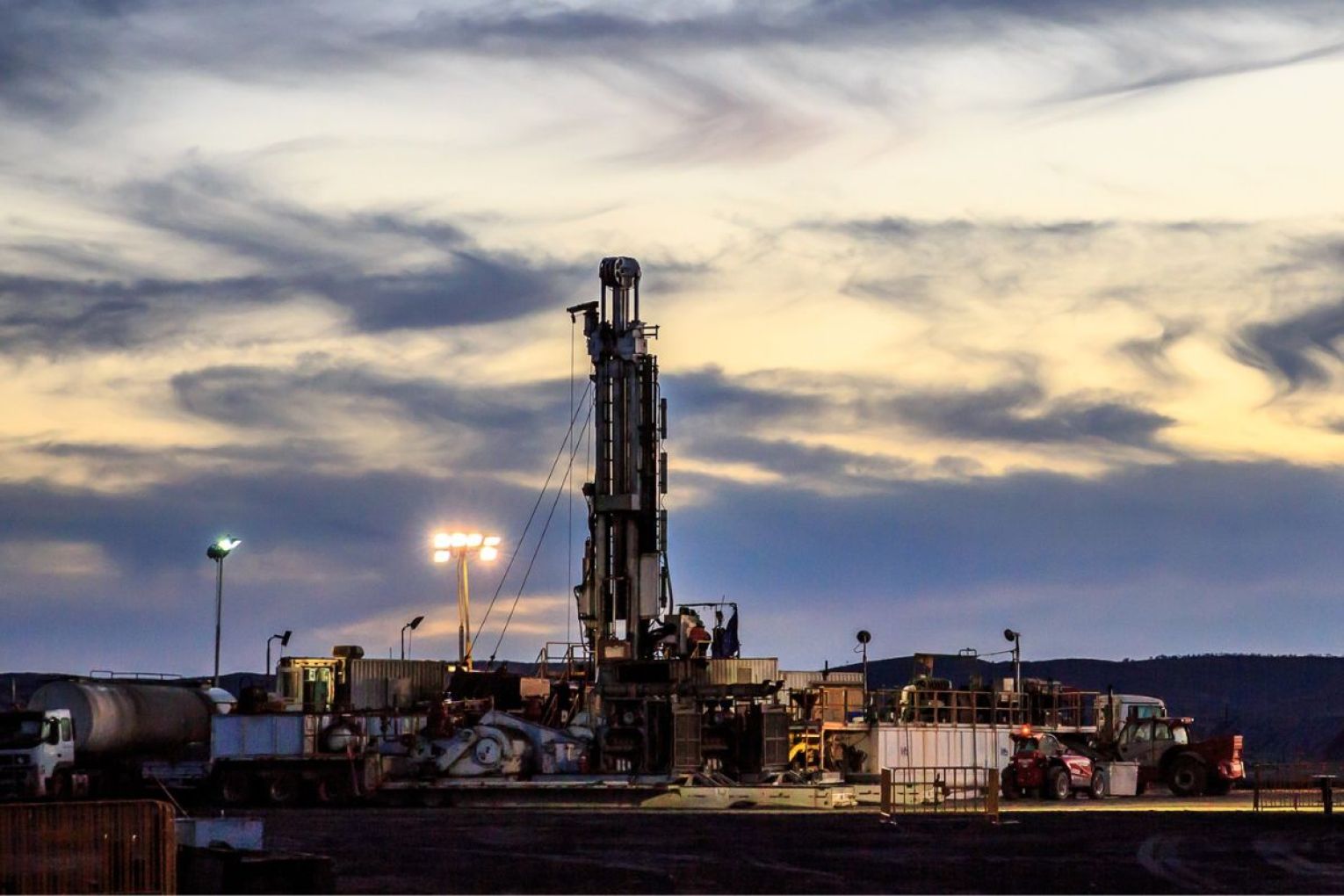
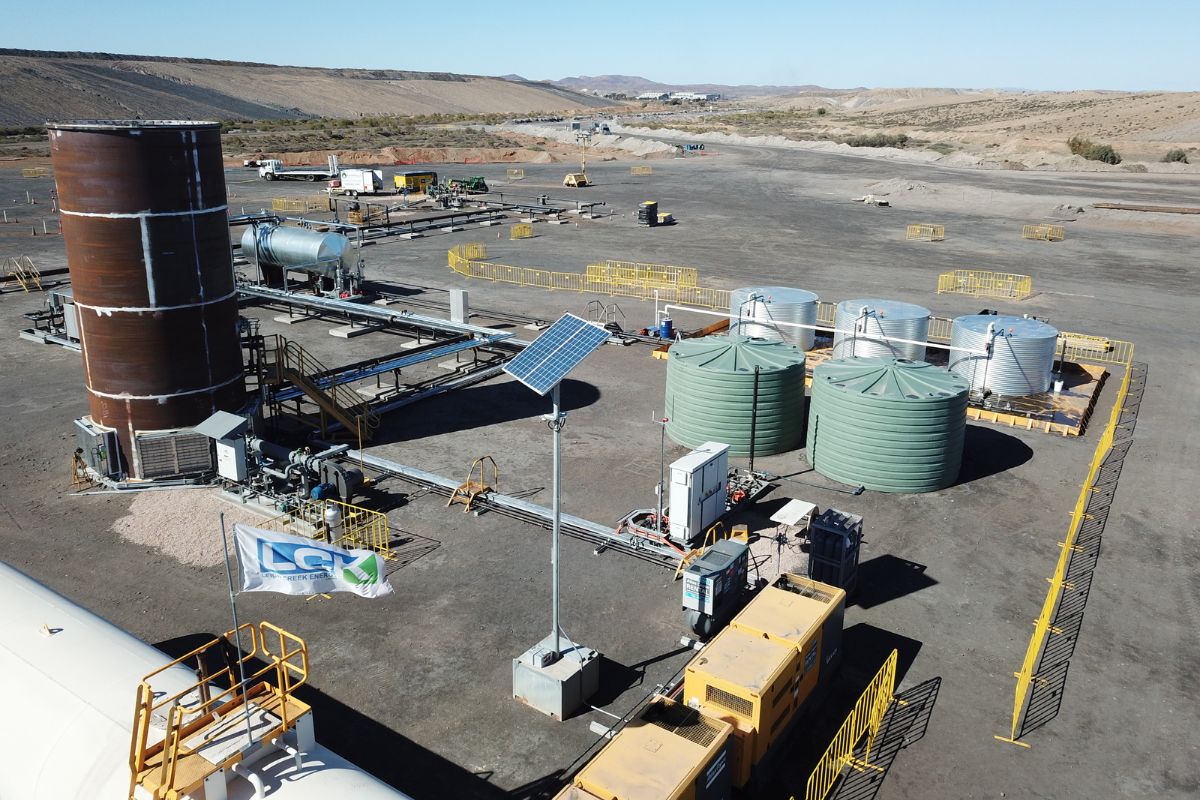
A $10 million sale of South Australia-based listed company NeuRizer’s underground coal gasification demonstration facility will give the firm enough cash to wait out a lengthy regulatory approvals process for its planned urea fertiliser project at Leigh Creek.
NeuRizer entered into an agreement with India’s Reliance Industries Limited in March that will see its entire demonstration plant sent overseas.
A frustrated executive chairman Justyn Peters said the company was selling the plant to survive long approval processes while the entire nation was in dire straits over fertiliser shortages.
He claims the urea fertiliser project will be “one of the biggest infrastructure projects of its type in Australia”, and would employ 2000 people during construction, plus 2450 ongoing positions for those in the Upper Spencer Gulf and Northern Flinders Ranges communities.
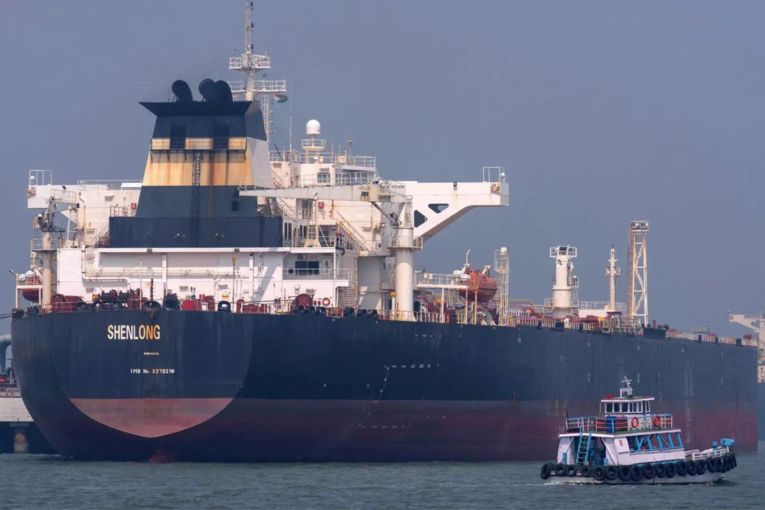
It would also provide much-needed urea to farmers struggling to access the vital input as key market supply is stitched up by the closure of the Strait of Hormuz amid the Middle East war.
Peters told InDaily he was frustrated that “at the very time we announce we’re working with Reliance, Australia is in dire straits over its own fertiliser”.
“We [NeuRizer] can produce it cheaper than anyone. Our frustration had been with the environmental process.”
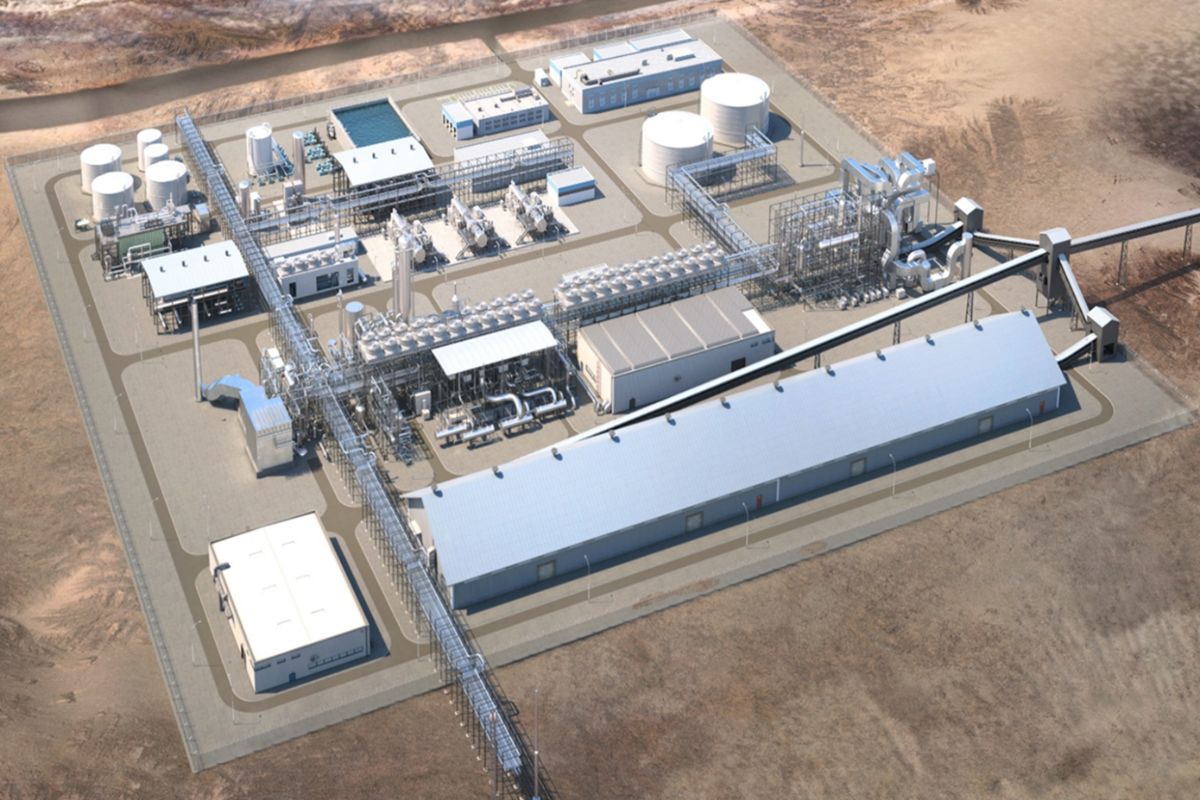
The company claims it NeuRizer Urea Project will deliver low-cost nitrogen-based fertiliser for local and export agriculture markets saying the plant would initially produce one million tonnes per year of urea fertiliser, with potential to increase to two million.
A project of this scale would satisfy about a third of what Australia uses each year in agricultural production of most grain products.
The latest agreement with India’s Reliance was expected to now give the company 18 months funding to pay for corporate costs like wages, insurance and leases while keeping on with water monitoring at the site to satisfy regulators.
You might like

It would also fund the tendering of a process to finalise a feasibility study for its proposed urea project.
Importantly, it gives the company money to pay for advisors to address state and federal environmental approvals – a process the company has been stuck in for some years now.
NeuRizer has been negotiating both state and federal approvals process since 2020 with an application to the state government for a petroleum licence, which was granted.
It also received environmental approval from the state government for its pilot plant now sold to Reliance.
“The South Australian Department of Mines were online monitoring what we were doing whilst we were doing it. And we finished it all. There were no environmental issues whatsoever and no safety issues,” Peters said.
But its commercial plant came up against federal environmental regulations as it hit the ‘water trigger’. This is because NeuRizer will use a process called underground coal gasification, where synthetic gas is created by burning unmined coal underground to extract its energy.
The method has its opponents, as the most recent Australian example of underground coal gasification – a Linc Energy project in Queensland, caused pollution so severe that 175 kilometres of agricultural land were contaminated with chemicals and gases.
In 2014, Linc was charged with wilfully causing serious environmental harm and the company was found guilty by a jury and fined $4.5 million by the Brisbane District Court.
Peters was the former general manager of environment and government relations at Linc, but was not one of the executives charged in relation to the project and InDaily makes no allegations of wrongdoing. All charges were dropped against individual executives.
NeuRizer has also been criticised by environmental groups for allegedly “greenwashing”. The company issued a statement in 2024 to disregard all “net zero carbon” claims from its previous ASX announcements after the Conservation Council South Australia asked the corporate regulator whether NeuRizer was breaching the Corporations Act 2001 or Australian Consumer Law.
As such, the NeuRizer project remains in active assessment by the federal government, but Peters claims it took the federal government one year to provide the company with questions to answer under the approvals process.
“Two-and-a-half years we’ve been put behind in the regulatory process,” Peters said.
The company has won support from the Liberal federal Member for Grey – the electorate covering NeuRizer’s Leigh Creek project – Tom Venning telling InDaily that the “government should be enabling business, but they’re doing the opposite”.
Stay informed, daily
“Why on earth would you invest in Australia when this is how our government treats new, innovative business?” he said.
In a letter to Federal Environment and Water Minister Murray Watt, seen by InDaily, Venning advocated on behalf of NeuRizer, saying “given the current lack of economic opportunities in the Leigh Creek area and wider far north region of South Australia, the development of a domestic urea production facility would … strengthen Australia’s urea supply chain”.
In response to questions from InDaily, a federal government spokesperson said, “the Albanese Government makes no apologies for having rigorous laws to protect our precious environment and waterways”.
“We acknowledge that there are ways in which the decision-making process can be sped up, that’s why last year we passed well overdue legislation to speed up environmental approvals and power productivity,” she said.
“This was the first time national environmental laws had been updated in more than 25 years.
“These reforms will streamline the assessment process and ensure there are faster approvals for projects that stack up and faster knock-backs for projects that don’t.
“We’re open to any idea or project that helps Australia’s sovereign capability, provided it stacks up environmentally and economically.”
Urea is largely used mid-year by grain growers as it reintroduces nitrogen into the soil, and is important during dry periods, of which SA farmers are expected to endure again this year.
But Australia imports its urea from overseas as the cost of production domestically is uncompetitive with the cheap gas prices in the Middle East meaning some 30 per cent of global urea imports have been affected by the closure of the Strait of Hormuz, bordered by Iran and the United Arab Emirates.
Prices for the agricultural input are now spiking with farmers now forced to pay around $1500 a ton for urea compared to around $700 a ton before the war.
In a recent fertiliser report by GrainGrowers, buyers are now turning to alternative urea-producing nations like Nigeria and Egypt, with supply from the Middle East cut off at the Strait of Hormuz. The report also shows some 235,000 tonnes of urea are in transit to Australia across nine vessels, but supply remains tight with the country importing 26 per cent less urea in February than it did the year prior.
Peters fears it will take another year to get through approvals and with just 18 months of capital at hand, time is running out.
“If we knew that the environmental approvals were going to take us four or five years, we wouldn’t have bothered,” he said.
A spokesperson for the Department for Energy and Mining said: “In 2023 the federal Department for Climate Change, Energy, Environment and Water (DCCEEW) determined that NeuRizer’s proposal would require assessment and approval under the Environment Protection and Biodiversity Conservation Act (EPBC Act) before it could proceed”.
“This meant the project required approval under both state and federal acts,” he said.
“In consultation with NeuRizer and DCCEEW, the state Department for Energy and Mining (DEM) determined that to maintain regulatory consistency, reduce uncertainty and avoid duplication, any state decision under the Energy Resources Act would be made concurrently with the federal EPBC Act decision.
“DEM is well placed to progress its assessment processes when the federal government advises it has finalised assessment under the EPBC Act.”
Want to see more stories from InDaily SA in your Google search results?
- Click here to set InDaily SA as a preferred source.
- Tick the box next to "InDaily SA". That's it.