Pain ahead: SA braces for war fallout as warning issued on $630m in exports
Conflict in the Middle East is “the last thing we need”, one agricultural leader says, as the cost of one vital farming product immediately spikes. SA’s Trade Minister lists the pain ahead, and local economists issue an inflation warning.
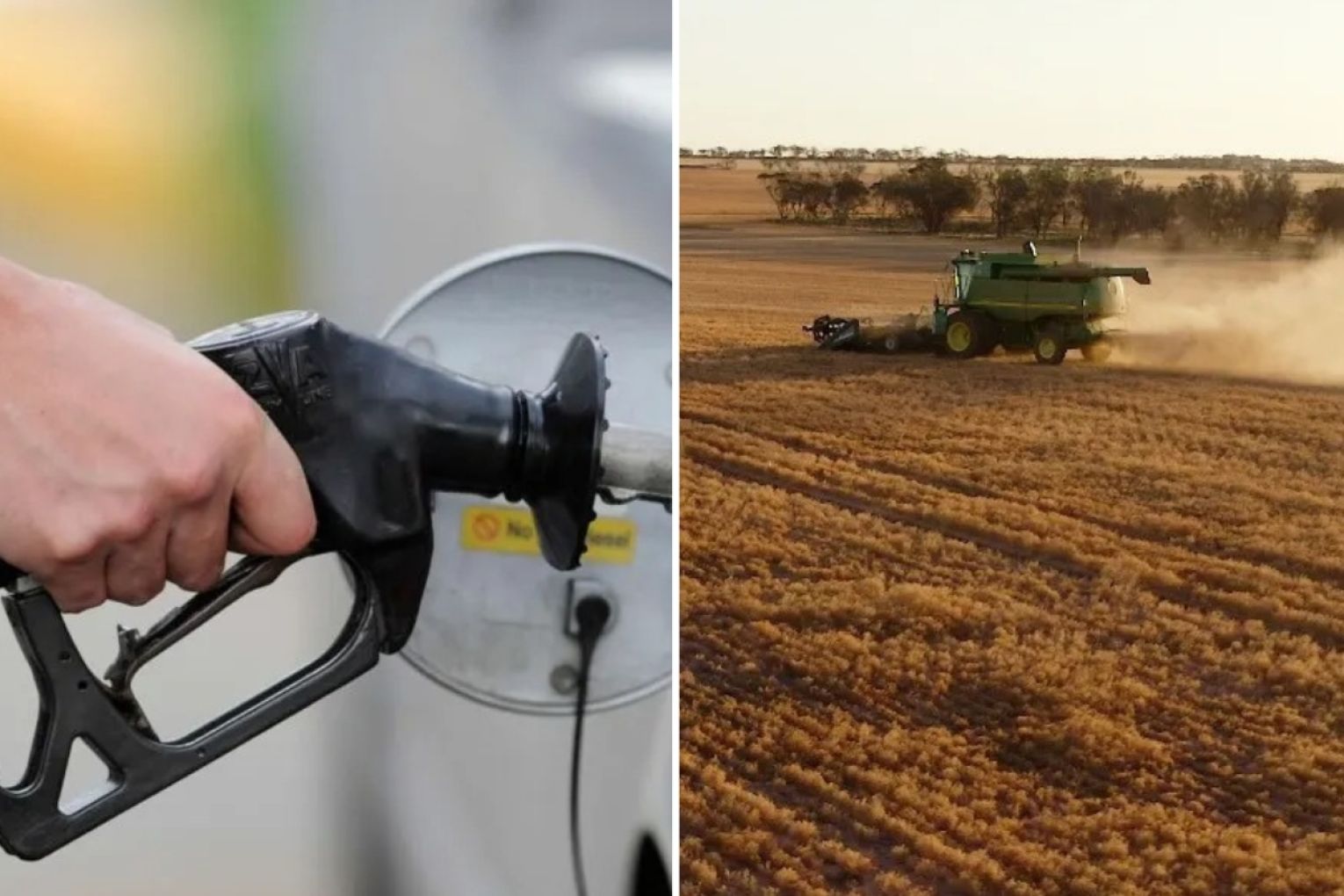
An immediate spike in the cost of urea — a core ingredient in the production of vital agricultural fertiliser mainly imported from the Middle East — is “the last thing we need”, the boss of the state’s grain production peak body said.
As the outbreak of war in the Middle East leads to ongoing bombardments, stranded Australians and deaths in Iran and other countries, the agriculture sector voiced its concerns with the impact of rising fuel prices also expected to hurt the entire state’s economy, potentially creating inflationary pressures and leading to a rate hike in March.
The state’s Trade and Investment Minister Joe Szakacs said the ongoing war could hit SA’s exporters hard, grain exports sent to Iraq alone last year totalled $135 million and this export market was now under a cloud.
Urea prices spiked in recent days after the conflict was started by a joint Israel-United States strike on Iran on Friday.
| Invalid YouTube URL Sponsored |
Rabobank research released today showed that around 30 per cent of global urea exports could be disrupted by the eventual closure of the Strait of Hormuz that is bordered by Iran and the United Arab Emirates.
You might like

Prices for the key fertiliser ingredient were currently at more than US$500 per tonne, up more than US$100 since the beginning of the month, which was “of concern” to Grain Producers SA CEO Brad Perry.
“Particularly given margins are already quite tight,” he said.
“Any rise in fertiliser or fuel costs is certainly going to further erode those margins.
“We’ve got feedback from a number of growers across the state, and it looks like they are largely sorted the urea for seeding as they would normally have done by now, but the challenge is with the rain. If we get more rain, we’re going to need to continue to spread applications ongoing, so the availability of that urea is going to be a real challenge if this Iran conflict continues.
“This is really the last thing we need as an industry to have our input prices rising at a time when margins are really tight for farmers.”
SA is a “pretty versatile exporter”, Perry said, but the Middle East was a significant buyer of SA grain.
The state sent $135 million worth of wheat to Iraq last year, according to the state’s Trade and Investment Minister Joe Szakacs who said SA sent about $630 million worth of exports to countries in the Middle East including the United Arab Emirates, Saudi Arabia, Iraq, Egypt and Kuwait.
Szakacs said exporters were anxious about the conflict in the region, saying they already were directly impacted by direct air flights between Adelaide and the Middle East being grounded.
Stay informed, daily
But the impact of a slowdown in marine shipping through the Suez Canal is “more of an impact for South Australians” than air freight, he said.
“We’re seeing somewhere between 10 and 20 days added to our journey from Australia to Europe,” he said.
“The most vulnerable to any type of freight disruption are those exporters who are undertaking trade in perishable goods – meat, for example.
Pain at the bowser
Fuel prices are also spiking, and anxiety over the nation’s reserves of diesel are being voiced across the nation, local economists warning about the flow-on effect of pain at the bowser.
Credit Union SA Chair of Economics at Adelaide University Dr Susan Stone said that while Australia does not receive its oil directly from the Middle East, “we’re still being impacted by it”.
The country imports most of its oil from Korea, Singapore and Malaysia, where crude oil from the Middle East and Russia was refined.
Prices were rising generally for petrol, causing pain at the pump, but Stone’s “bigger worry” was for businesses.
“Australia ships things distances, so we’ve got a huge freight cost embedded in most of the products that we consume,” she said.
“We have a 36 to 40 day stockpile of oil here in Australia. If we have to start replenishing it at this much higher price, then this is where we’re going to start to see it through.
“But investors and companies are waiting to see how long this lasts, how widespread it becomes.”
BDO Chief Economist Anders Magnusson was concerned the higher fuel prices would be inflationary and trigger a rate hike in March.
“The RBA is looking very closely at the underlying inflation right now,” he said.
“If this adds more to that concern of returning underlying inflation, then that will make the RBA more likely to increase rates more quickly and sooner than they otherwise would have.
“The market wasn’t really expecting an increase in rates in March, and they’re still not, but I think it’s becoming more likely now as a bit of insurance against this inflationary risk.”
Want to see more stories from InDaily SA in your Google search results?
- Click here to set InDaily SA as a preferred source.
- Tick the box next to "InDaily SA". That's it.