Global health giant’s multimillion-dollar backing of Adelaide ‘stool bank’
An Adelaide-based biotech company known for its “poo bank” has announced a major investment.
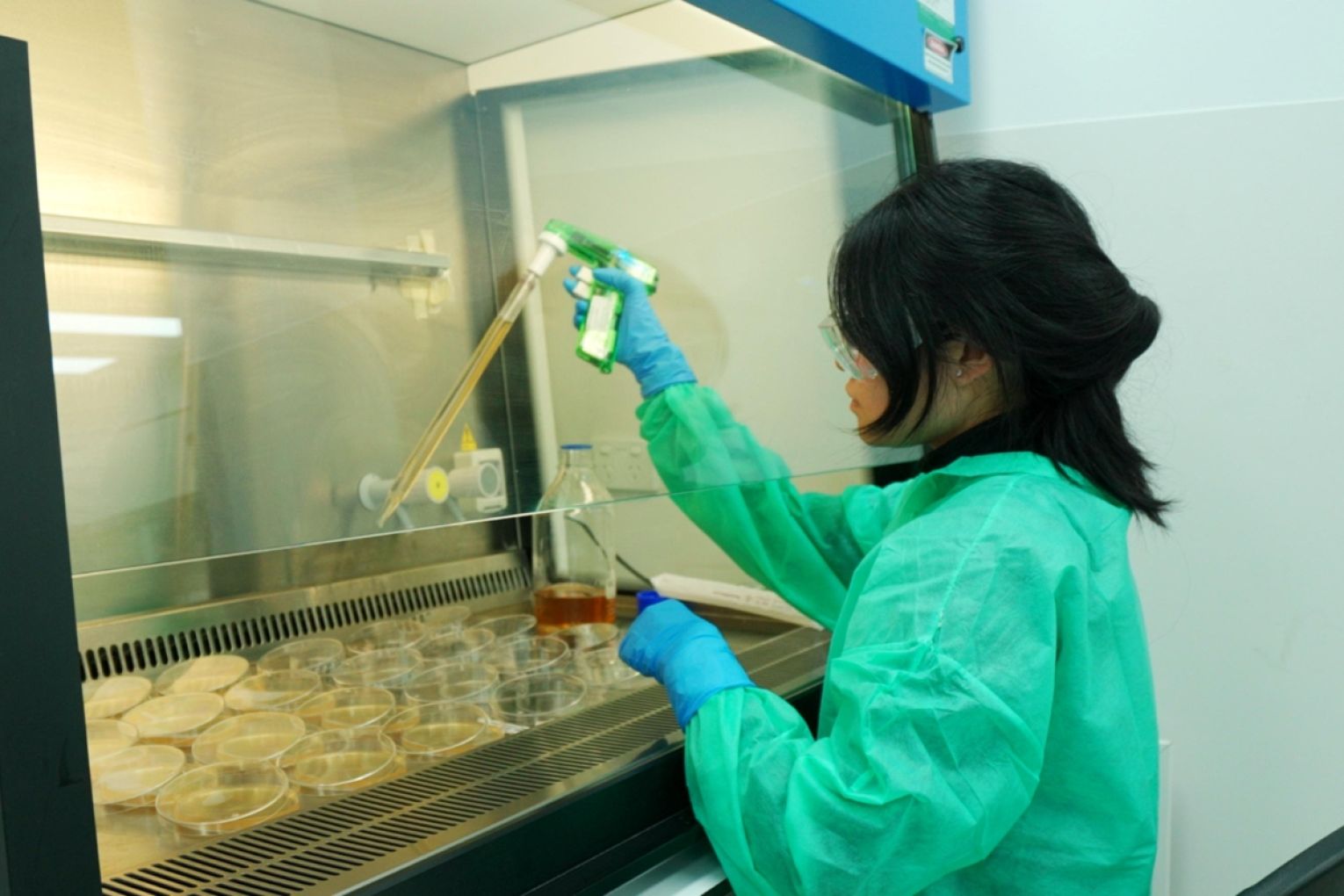
Adelaide-based clinical stage biotechnology company BiomeBank has signed a $15 million-dollar investment from natural health and wellbeing company Blackmores.
Founded in 1932, Blackmores is a leading Australian manufacturer and distributor of vitamins, minerals and nutritional supplements, now owned by Kirin Holdings after it bought the company for $1.9 billion in 2023.
The major deal will support BiomeBank to expand its microbiome technology to global markets and launch the next generation of its product development.
BiomeBank’s products are designed to address the loss of beneficial gut microbes – which are linked to a wide range of chronic conditions – by enabling the targeted selection and manufacture of a range of human gut microbes.
The innovative Adelaide company has been pushing ahead with its ground-breaking research using faecal implants to tackle bowel health problems and won the first regulatory approval in the world for a microbiome-based therapy using donors in 2022.
Company chair Chris Hall said the investment demonstrates confidence in BiomeBank’s technology and long-term direction.
You might like
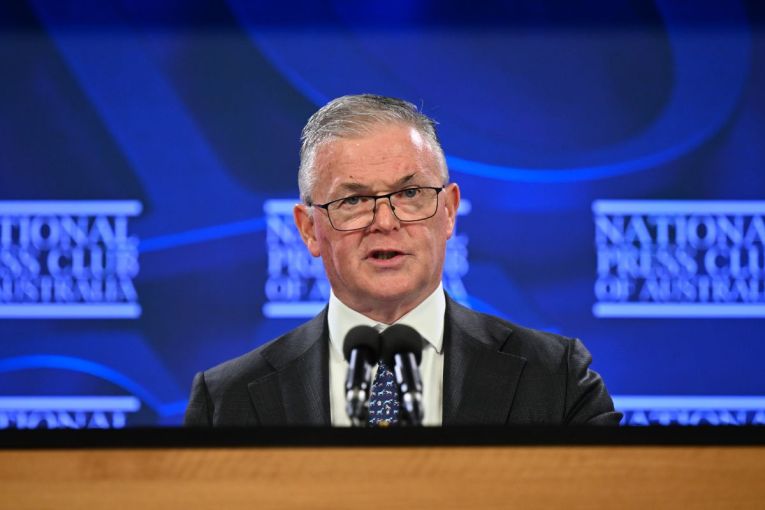
“We are focused on deploying capital where we have a clear advantage, as we scale our technology and expand internationally,” he said.
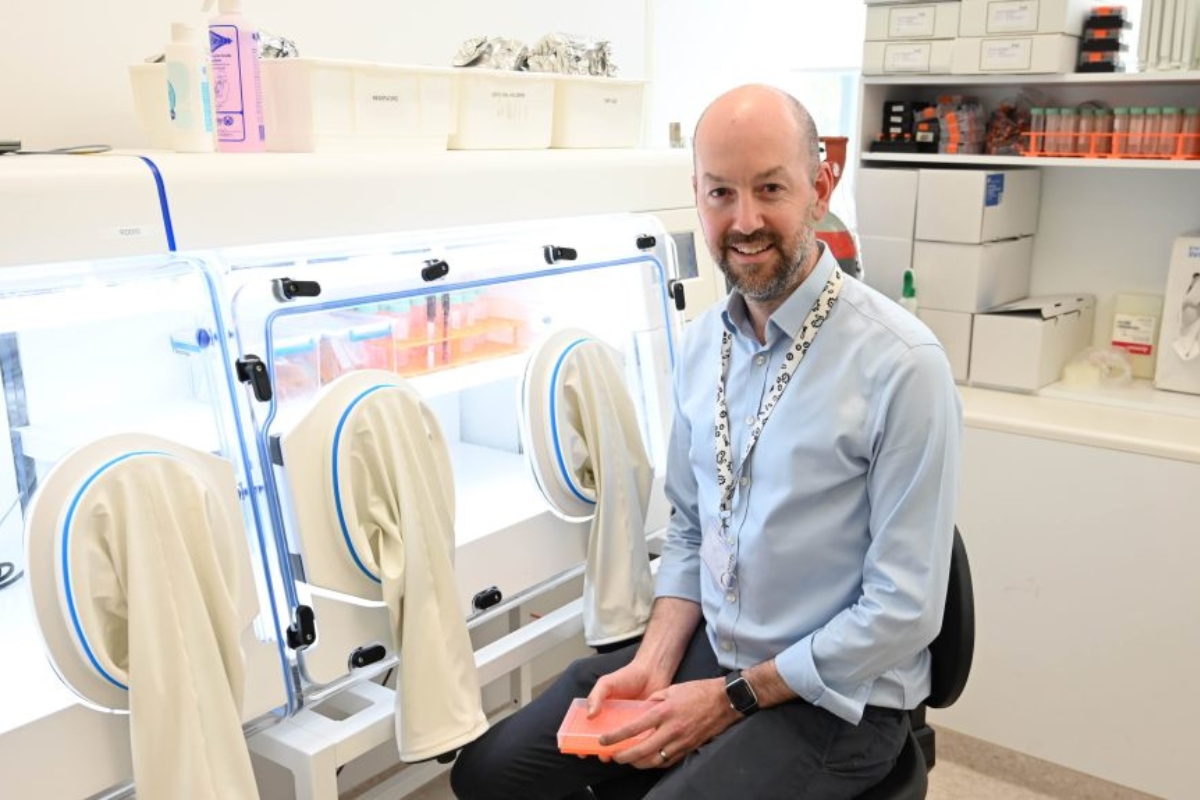
CEO Dr Sam Costello told InDaily that BiomeBank and Blackmores have strongly aligned missions, adding that the two companies would develop probiotic products together.
He said it was “very exciting” to have the investment from Blackmores, saying it was a “validation of our science”.
“Australia has an incredible track record of medical research, but where we have often struggled is translating and commercialising that research into products and services,” he said.
“We see this as a great opportunity to do that with another Australian company.”
Stay informed, daily
Costello said that when BiomeBank was established, its aim was to offer a donor-delivered faecal product to the Australian and global market.
“Many modern societies have fewer microbes in their gut than in previous generations and compared to people living a more traditional lifestyle,” he said.
Costello said this included the use of antibiotics, hygiene practices and highly processed food that was low in fibre.
“So, these factors together mean that we’ve lost or are losing many of these microbes that perform important functions for us, and if we lose those microbes and we lose the function, we can develop symptoms and diseases,” he said.
“That’s really our mission – to help reverse or turn the tide there on this loss of human, loss of human gut microbes and be able to put back what should be there.”
Costello said BiomeBank’s next stage of growth would include further partnerships with pharmaceutical companies to develop more microbiome products.
The investment is the first made by Blackmores after its parent company, Kirin Holdings, set up a new entity, Kirin Health Science International, to oversee its health science platform outside Japan.
Alastair Symington, who is president of Health Science International and group CEO and managing director of Blackmores, said the “partnership with BiomeBank is an investment in the next frontier of novel probiotic innovation, informed by leading microbiome research”.
BiomeBank was founded in 2018 by gastroenterologists Dr Sam Costello and Dr Rob Bryant, as well as infectious diseases physician Dr Emily Tucker and microbiome scientist Dr Sam Forster, in collaboration with The Hospital Research Foundation.
The company’s flagship product is BIOMICTRA, which involves transferring faecal bacteria from a healthy donor to the bowel of an unhealthy individual to treat serious bowel diseases.
BiomeBank’s purpose-built stool laboratory opened in 2020 to help take South Australia’s pioneering fight against debilitating gut conditions global.
It was started to store donated healthy stools used to help patients fighting inflammatory bowel conditions, by using a procedure called faecal microbiota transplantation.
Want to see more stories from InDaily SA in your Google search results?
- Click here to set InDaily SA as a preferred source.
- Tick the box next to "InDaily SA". That's it.