Endangered birds worst hit as Deep Creek bushfire local extinction fears raised
A recovery fund has been launched to save native wildlife in the Fleurieu Peninsula after February bushfires decimated endangered species populations and habitat in its popular national park.
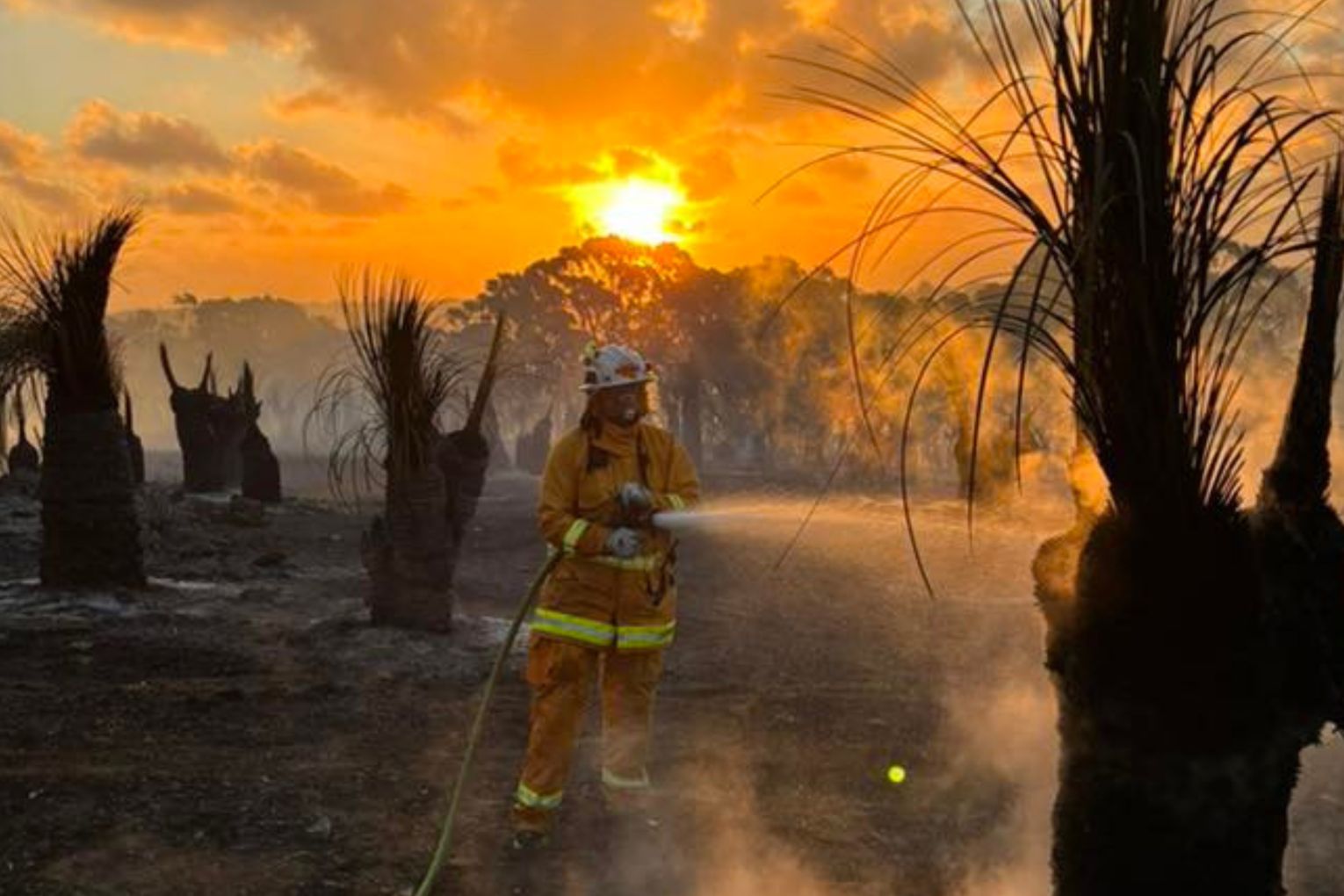
More than 4,500 hectares of the Fleurieu Peninsula were burned in February’s fires, with the Department of Environment and Water (DEW) estimating 40 per cent of Deep Creek National Park was damaged and Talisker Conservation Park habitat in Silverton was almost completely decimated.
The Wildlife Recovery Fund has been established by the Nature Foundation and DEW to support the recovery of landscapes and native species impacted by the fires.
Nature Foundation chair Jan Ferguson said many native species had been impacted by the fires, with several populations of endangered birds among the worst hit.
“Native ecosystems can recover over time, but threatened species can be at risk of local extinction if fire affects too much of their habitat at once and additional threats and pressures are not managed,” she said.
Among the affected species is the endangered Mount Lofty Ranges southern emu-wren, which was “pushed closer to extinction” after half of its native habitat was affected.
You might like


The bird was listed as endangered in 1999 and is found only on the critically endangered swamp habitats of the Fleurieu Peninsula, while the endangered western beautiful firetail bird had half of its park habitat and large amounts of grass seeds used for food destroyed in the fire.
Deep Creek National Park is home to more than 100 species of native birds, more than 400 native plant species, short beaked echidnas and western grey kangaroos.

Populations of southern brown bandicoot, Bassian thrush, yellow-bellied water skinks and flame sedge-skipper butterflies have also been affected by the fires.
Stay informed, daily
Ferguson said the funding would be used for fence repair projects, weed control, habitat restoration, and long-term threatened species monitoring and protection.
“Over recent years, natural habitats for native species have reduced, placing greater importance on protected areas such as conservation parks and Nature Foundation’s private nature reserves to offer refuge,” Ferguson said.
“It’s early days; however, the Wildlife Recovery Fund has seen keen initial support from Nature Foundation members and supporters.
“We want to share this important message with more people who can help with recovery work at Deep Creek and in the Tooperang area, which was affected by bushfire in January,” she said.
The fires first began in early February and quickly became uncontrolled, with more than 200 firefighters needed to contain the fire after a week of burning.
Deep Creek National Park reopened campsites and several walking tracks to the public last week, however the Talisker Conservation Park remains closed.
Following the 2020 bushfires that devastated regions across Kangaroo Island, Adelaide Hills and Eyre Peninsula, the Wildlife Recovery Fund raised more than $450,000 to assist in species and habitat restoration.
A DEW spokesperson said money was still being donated to the fund and a decision on how it would be allocated would be made in due course.
Want to see more stories from InDaily SA in your Google search results?
- Click here to set InDaily SA as a preferred source.
- Tick the box next to "InDaily SA". That's it.